Top Automotive PCB Manufacturers Driving Innovation in the Industry
Key Takeaways
In this exploration of the premier automotive PCB manufacturers driving innovation, several key points emerge. First, the indispensable role of PCBs in modern automotive electronics cannot be overstated; they are integral to enhancing vehicle performance, safety, and connectivity. Leading manufacturers are not only focused on producing high-quality, reliable PCBs but are also pioneering the use of eco-friendly materials and developing cutting-edge multi-layer boards. These advancements are paramount in elevating vehicle performance and ensuring safety. Furthermore, the revolution in vehicle connectivity is being significantly driven by advanced PCB technology, which is transforming communication systems within cars. Companies specializing in pcb assembly and pcba are setting new benchmarks by integrating advanced technologies into their manufacturing processes. This article sheds light on how their contributions are shaping the future of automotive technology and steering the industry towards transformative change.
Introduction: The Critical Role of PCBs in Modern Automotive Electronics
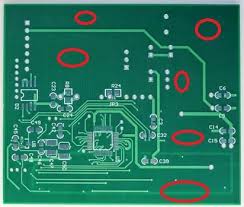
In the rapidly evolving automotive industry, Printed Circuit Boards (PCBs) have emerged as fundamental components that underpin the electronics controlling various vehicle functions. From enhancing the efficiency of engine control units (ECUs) to driving advancements in vehicle safety systems and infotainment, PCBs form the backbone of modern automotive technology. These intricate boards support complex circuitry and are pivotal in ensuring optimal performance and reliability. As vehicles become more sophisticated, incorporating features like autonomous driving and advanced connectivity, the demand for high-quality PCB assemblies (PCBA) rises. The intricate design and robust construction of these PCBs enable seamless integration of various electronic components, fostering innovation in vehicle performance. With manufacturers continually pursuing advancements such as eco-friendly materials and multi-layer board designs, PCBs are set to drive significant transformations within the automotive landscape. Therefore, understanding the critical role of PCBs in this context provides invaluable insight into how these components facilitate the development of next-generation automotive technologies.
| PCB Applications in Automotive Electronics | Benefits |
|---|---|
| Engine Control Units (ECUs) | Improved efficiency and reliability |
| Safety Systems | Enhanced safety features |
| Infotainment Systems | Advanced connectivity |
| Autonomous Driving | Seamless integration |
In conclusion, PCBs serve as essential elements that support a myriad of electronic functions within modern vehicles. Their ongoing innovation remains pivotal for enhancing overall vehicle performance and integrating advanced technological features.
Leading Innovations in Automotive PCB Technology
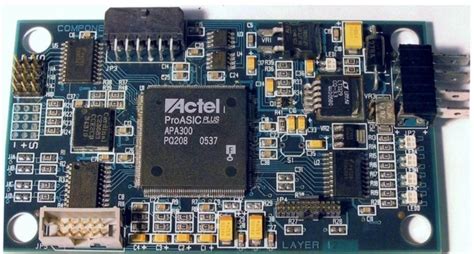
In the rapidly evolving automotive industry, automotive PCB manufacturers are continually advancing technologies to meet the increasing demand for enhanced vehicle performance, safety, and connectivity. One significant innovation is the development of high-density interconnect (HDI) PCBs, which allow for more intricate and compact pcb assembly. These PCBs feature multiple layers and precise manufacturing techniques that contribute to reducing the overall size of electronic devices while improving their efficiency. PCBA processes are also being refined with the integration of automated systems and advanced testing protocols, ensuring that each board meets stringent quality standards.
Moreover, manufacturers are exploring the use of eco-friendly materials in their PCB production processes. This not only helps in reducing the environmental footprint but also aligns with global sustainability goals. The adoption of lead-free soldering and halogen-free laminates is paving the way for greener automotive electronics.
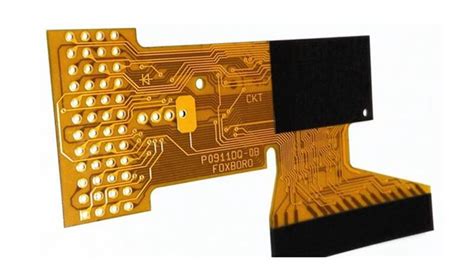
Furthermore, cutting-edge innovations such as flexible PCBs are expanding design possibilities and contributing to better space management within vehicle interiors. They offer enhanced durability and can withstand extreme conditions, making them ideal for automotive applications.
By leveraging these advancements and continually pushing the boundaries of technology, these manufacturers are not only driving innovation but also setting new benchmarks in the industry. Their relentless pursuit of excellence is shaping the future of automotive technology, ensuring safer, more reliable, and connected vehicles on the road.
Top Manufacturers Pioneering Eco-friendly Automotive PCBs
In the ever-evolving automotive industry, a handful of automotive PCB manufacturers are distinguishing themselves by spearheading the development of eco-friendly PCB assembly solutions. These companies are not only focusing on performance but are also committed to sustainability, recognizing the growing demand for greener alternatives in vehicle manufacturing. By utilizing eco-friendly materials and innovative production processes, they are reducing environmental impact while maintaining high standards of quality and reliability.
One notable advancement in this area is the use of lead-free soldering techniques in PCBA. This method significantly diminishes hazardous waste associated with traditional lead-based soldering, making automotive electronics safer for both the environment and human health. Additionally, some manufacturers are adopting recyclable materials for their PCBs, further contributing to a circular economy.
“Embracing eco-friendly practices in PCB manufacturing not only aligns with global environmental goals but also provides a competitive edge in an increasingly eco-conscious market.”
These groundbreaking companies are also exploring the potential of biodegradable substrates, which promise to revolutionize the lifecycle management of electronic components. By investing in research and development focused on sustainability, they are paving the way for future innovations that will define next-generation automotive technologies.
In conclusion, as automotive technologies continue to advance, these pioneering manufacturers are at the forefront of ensuring that progress is aligned with environmental responsibility. Their dedication to producing eco-friendly PCBs underscores the critical role that sustainable practices play in shaping a cleaner, greener future for the automotive industry.
Multi-layer Board Advancements: Enhancing Vehicle Performance and Safety
Multi-layer boards are revolutionizing the automotive PCB industry, significantly enhancing vehicle performance and safety. By integrating multiple layers of circuits into a single PCB assembly, manufacturers can reduce the size and weight of automotive electronics while increasing their functionality. These advanced PCBs offer superior electrical performance by minimizing signal delays and ensuring optimal connectivity. Moreover, with the use of high-quality materials, these multi-layer boards are more resistant to extreme temperatures and vibrations, making them ideal for the harsh conditions often encountered in automotive environments. The integration of advanced technologies in PCB manufacturing, such as high-density interconnect (HDI), allows for more complex designs, which in turn supports the development of sophisticated automotive systems like advanced driver-assistance systems (ADAS) and infotainment units. With continuous innovation in multi-layer PCBs, these manufacturers are not only improving the reliability and efficiency of automotive electronics but also paving the way for future advancements that will drive transformative changes in vehicle technology.
Connectivity Revolution: How Advanced PCBs are Transforming Vehicle Communication Systems
In the realm of modern automotive electronics, PCBs have become indispensable, particularly in enhancing vehicle communication systems. Advanced PCB assembly processes and high-quality pcba are critical in achieving seamless connectivity. Today’s leading automotive PCB manufacturers are pushing boundaries by integrating cutting-edge technologies that facilitate faster and more reliable data transfer within vehicles. These advancements include the development of multi-layer boards equipped with high-frequency materials that boost signal integrity and reduce interference. By leveraging these innovative solutions, manufacturers are supporting the implementation of advanced driver-assistance systems (ADAS), real-time traffic updates, and vehicle-to-everything (V2X) communication networks, thus significantly improving road safety and connectivity. The adoption of these sophisticated PCBs is not just about enhancing the driving experience; it’s about creating smarter, more connected vehicles that can communicate efficiently within their environment.
Case Studies: Success Stories from Industry-leading PCB Manufacturers
One standout example in the automotive PCB industry is the success story of Company X, known for their innovative pcb assembly techniques. By adopting advanced PCBA processes, they have achieved remarkable reliability and performance in their automotive products. Another notable case is Company Y, which has made significant strides in utilizing eco-friendly materials. Their pioneering efforts not only contribute to sustainability but also offer robust solutions that meet the stringent demands of the automotive sector. Additionally, Company Z has excelled in developing cutting-edge multi-layer boards, which significantly enhance vehicle safety and performance. These board designs incorporate sophisticated features that support modern vehicle communication systems, paving the way for future advancements. These companies are not just meeting current industry standards; they are setting new benchmarks and continuously pushing the boundaries of what is possible with automotive PCBs. Their success stories highlight how strategic innovations in pcb assembly and materials technology play a critical role in the evolution of automotive electronics, ensuring vehicles are safer, more efficient, and increasingly connected.
Future Trends: What Lies Ahead for Automotive PCB Development
As the automotive industry continues its rapid technological progression, the development of automotive PCBs is poised to introduce groundbreaking innovations. One notable trend is the integration of flexible PCBs, which offer enhanced design flexibility, enabling more complex and compact electronics configurations within vehicles. The rise of electrification and autonomous driving technologies is also driving demand for high-reliability PCBA that can endure the rigorous operational environments of modern vehicles.
Another critical trend is the adoption of eco-friendly materials in PCB production. Manufacturers are investing in sustainable practices, such as using halogen-free laminates and biodegradable substrates, which contribute to reduced environmental impacts. The shift towards high-density interconnect (HDI) boards is expected to continue, providing improved electrical performance and miniaturization capabilities.
Furthermore, advances in pcb assembly techniques, such as surface-mount technology (SMT) and through-hole technology (THT), are enhancing production efficiency and reliability. These innovations are vital for meeting the stringent safety and performance standards required in the automotive sector.
Emerging technologies like 5G connectivity and vehicle-to-everything (V2X) communication also demand sophisticated PCB solutions that support high-speed data transfer and robust connectivity. As a result, ongoing research focuses on developing PCBs with higher signal integrity and reduced electromagnetic interference (EMI).
Overall, automotive PCB manufacturers are on a transformative path, pushing the boundaries of what’s possible in vehicle electronics. By leveraging advanced materials, cutting-edge assembly techniques, and sustainable practices, they are set to play a pivotal role in shaping the future landscape of automotive technology.
Conclusion: The Ongoing Impact of PCB Innovations on the Automotive Industry
The continuous progress in PCB technology is profoundly influencing the automotive field, driving advancements that enhance not only vehicle performance but also safety and connectivity. The introduction of multi-layer PCBs and pcb assembly has led to more efficient use of space and weight within the vehicle, yielding benefits in fuel efficiency and overall system reliability. Moreover, manufacturers’ focus on eco-friendly materials signifies a commitment to sustainability, reducing the environmental footprint of automotive electronics. Innovations in pcba are also revolutionizing vehicle communication systems, enabling seamless connectivity that supports advanced driver-assistance systems (ADAS) and autonomous driving technologies. As these enhancements propagate throughout the industry, the bar continues to rise for what is achievable in modern-day automotive technology, ensuring that OEMs and suppliers alike are poised to meet future demands with cutting-edge solutions. The impact of these advancements will undoubtedly chart a path for ongoing innovation, making our vehicles safer, smarter, and more efficient.
Conclusion
The ongoing innovations in automotive PCB technology are crucial for the continuous advancement of the automotive industry. With the rapid development of multi-layer boards and eco-friendly materials, manufacturers are pushing the boundaries of what is possible in vehicle performance, safety, and connectivity. Leading companies in this sector are leveraging cutting-edge PCB assembly (PCBA) processes to produce high-quality, reliable PCBs that meet stringent industry standards. These advancements not only set new benchmarks but also pave the way for future innovations that will shape the landscape of automotive technology for years to come. By focusing on sustainable practices and integrating advanced communication systems, these manufacturers are not just keeping pace with current demands but are also anticipating and solving future challenges in automotive electronics.
FAQs
In this section, we address some frequently asked questions to provide further clarity on the subject of automotive PCB manufacturers and their innovations.
Q: What are the primary benefits of using advanced PCBs in automotive applications?
A: Advanced PCBs enhance vehicle performance, safety, and connectivity. They are designed to handle the complex demands of modern automotive electronics, ensuring reliability and efficiency.
Q: How do manufacturers ensure the quality of their PCB assembly (PCBA)?
A: Manufacturers utilize stringent quality control measures and advanced technologies throughout the PCB assembly process. This includes automated testing and inspection to detect defects and ensure high standards.
Q: What role do eco-friendly materials play in PCB manufacturing?
A: Eco-friendly materials reduce the environmental impact of PCB production. Leading manufacturers are pioneering the use of sustainable materials that do not compromise on performance or reliability.
For more details on PCB assembly, please click here
By addressing these common questions, we aim to highlight how innovative practices in PCB manufacturing are shaping the future of automotive technology.