Top Circuit Board Assembly Companies Revolutionizing Electronics
Key Takeaways
In the rapidly evolving world of electronics, pcb assembly is a critical component that has witnessed significant advancements over the years. Leading pcba companies are not only enhancing their production capabilities but are also setting industry standards through innovative practices. These companies leverage cutting-edge technology to streamline their processes, reduce waste, and ensure high precision in manufacturing. Notably, automation has played a pivotal role in this transformation, allowing firms to increase output while maintaining stringent quality control measures. Furthermore, sustainability is becoming a major focus as these companies adopt eco-friendly practices and integrate advanced materials into their operations. The future of pcb assembly looks promising as emerging trends such as miniaturization and increased demand for smart electronics drive the industry forward. By keeping an eye on these developments, stakeholders can better understand how pcb assembly not only influences the current electronics landscape but also shapes the future trajectory of technology at large.
The Evolution of Circuit Board Assembly: A Historical Perspective
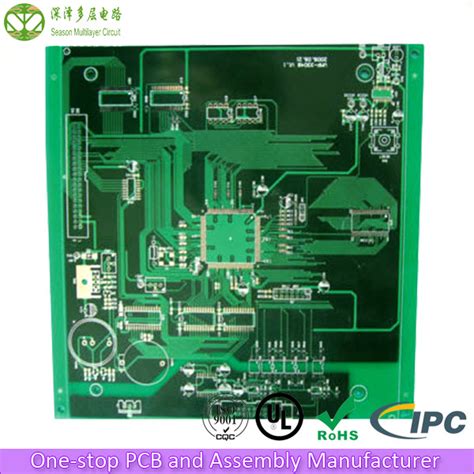
The journey of pcb assembly has its roots deeply embedded in the rapid advancement of technology over the past few decades. Originally, circuit boards were hand-wired, a labor-intensive process that was prone to errors and inefficiencies. As demand for electronic devices surged, the industry sought ways to enhance production quality and speed. Enter pcba automation, which revolutionized this field in the late 20th century, allowing for mass production and significantly reducing human error.
Furthermore, the development of surface mount technology (SMT) marked a pivotal shift in pcb assembly methods. This technique enabled components to be mounted directly onto the surface of the board, minimizing space and allowing for more complex circuit designs. Consequently, manufacturers realized that embracing innovative technologies was essential not only for meeting consumer demands but also for staying competitive in the market.
As we delve into this history, it becomes clear that each advancement has been a response to both technological necessity and changing consumer preferences. Companies have increasingly focused on enhancing quality control measures and adopting eco-friendly practices to address growing environmental concerns.
“Embracing innovation is not just about keeping up; it’s about leading the way into the future.”
In summary, understanding this evolution is crucial as we explore how current pcba leaders are shaping the future landscape of electronics through continuous innovation and adaptation in their assembly processes.
Key Players in Circuit Board Assembly: An Overview of Industry Leaders
The landscape of pcb assembly has witnessed a myriad of transformations driven by influential companies that dominate the sector. These pivotal players are known not only for their exceptional capabilities in pcba but also for their groundbreaking techniques that significantly enhance production efficiency. With the complexity of electronic devices increasing, the key players have adapted by incorporating innovative designs and technological advancements into their processes. Companies like Flextronics, Jabil, and Hon Hai Precision Industry Co. have made notable strides in adopting automation and precision engineering, which are crucial for high-quality assembly.
A closer look at these industry leaders reveals their focus on sustainability, driving eco-friendly practices within the realm of circuit board assembly. Their commitment extends beyond profitable operations; it encompasses a responsibility to minimize environmental impact through advanced recycling processes and material sourcing. The following table illustrates some of these top companies along with their innovative contributions to the field:
| Company Name | Contribution to PCB Assembly | Innovations |
|---|---|---|
| Flextronics | Large-scale production | Smart factories, automation |
| Jabil | Custom solutions for diverse clients | 3D printing, advanced materials |
| Hon Hai Precision | World leader in manufacturing | Vertical integration, supply chain efficiency |
These entities not only set standards but also push the envelope for what is achievable in the electronics sector through collaborative efforts that embrace technology’s iterative nature. It’s important to recognize how their ongoing developments are shaping future trends in production methodologies and product design within the pcba space. As these companies continue to redefine what is possible in circuit board assembly, they enable a future where technology can thrive at unprecedented levels.
Innovative Techniques in Circuit Board Assembly: Driving Efficiency and Precision
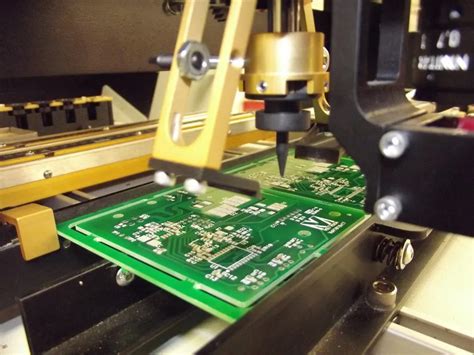
The landscape of pcb assembly is continuously evolving, driven by the quest for greater efficiency and precision. Companies at the forefront of this revolution are employing advanced methodologies that redefine traditional processes. One notable innovation is the integration of automated pick-and-place machines, which enhance placement accuracy and speed in pcba production. These machines utilize sophisticated algorithms and vision systems to ensure that components are installed with minimal human intervention, reducing the chance of errors significantly.
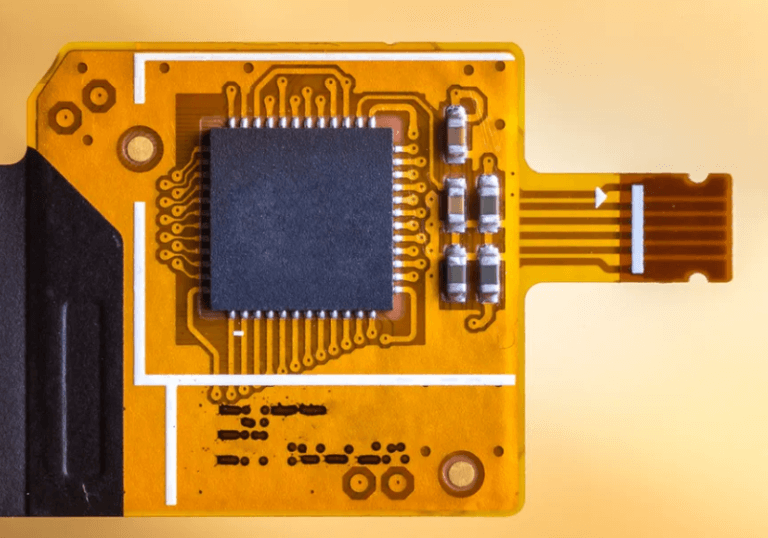
In addition to automation, techniques such as surface mount technology (SMT) are gaining traction, enabling manufacturers to place more components in compact spaces without sacrificing reliability. This technique not only streamlines production but also contributes to the creation of lightweight electronic devices. Manufacturers are increasingly adopting flexible PCB designs, which allow for intricate layouts that can be tailored to specific applications while maintaining structural integrity.
Another key development in the realm of pcb assembly is the use of 3D printing technology for prototyping and even production runs. This approach allows companies to rapidly produce circuit boards with complex geometries that would be difficult or impossible to achieve with conventional methods. As these innovative techniques continue to advance, they are setting new standards for how electronic devices are constructed and function, ultimately transforming the future landscape of electronics.
In summary, the ongoing adoption of these innovative techniques in pcba not only enhances productivity but also ensures higher precision and reduced costs in the manufacturing process, marking a significant step forward in electronic manufacturing technology.
The Role of Automation in Enhancing Circuit Board Assembly Processes
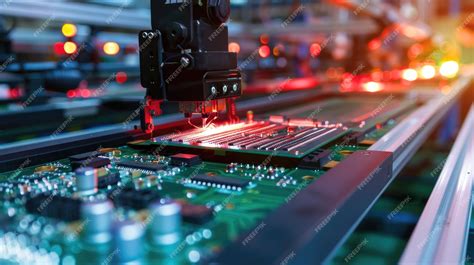
Automation plays a crucial role in modernizing pcb assembly procedures, significantly improving efficiency and precision within the industry. As technology advances, pcba processes are increasingly leveraging automated systems to streamline production lines and reduce human error. By incorporating robotics, smart sensors, and machine learning, companies can achieve higher throughput while maintaining strict quality control standards. Automation not only accelerates the assembly process but also enables more complex designs to be manufactured with consistent accuracy. Furthermore, automated systems can adapt in real-time, allowing for seamless adjustments in production that cater to diverse client needs without compromising on speed or quality. This evolution is transforming how circuit board assembly companies operate, ushering in a new era where innovation meets efficiency in the circular flow of electronics manufacturing. As a result, the potential for producing more sophisticated electronic products increases, paving the way for future technological advancements that heavily rely on optimized pcb assembly practices.
Sustainability in Circuit Board Manufacturing: Eco-Friendly Practices and Technologies
In the realm of pcb assembly, sustainability has emerged as a pivotal focus, prompting companies to adopt more eco-friendly practices and technologies. This imperative shift is not solely about compliance with regulations but reflects a growing recognition that sustainable manufacturing can lead to enhanced operational efficiencies and cost savings. Many leading pcba firms are now embracing greener materials, such as biodegradable substrates and low-toxicity solder options, which significantly reduce their environmental footprint. Additionally, implementing energy-efficient machinery is becoming commonplace, allowing manufacturers to lower energy consumption during production. In the quest for sustainability, waste reduction strategies are also critical; companies are increasingly utilizing closed-loop systems to recycle materials and minimize waste generated throughout the pcb assembly process. Furthermore, advances in technology have facilitated better tracking of resource usage and emissions, enabling businesses to continuously improve their sustainability metrics. By prioritizing these eco-friendly initiatives, organizations not only contribute positively to the planet but also position themselves competitively in an industry that increasingly values environmental responsibility. This commitment to sustainability reflects a broader trend in electronics production, where the integration of innovative techniques with environmentally-friendly practices is essential for shaping a more sustainable future.
How Advanced Materials are Shaping the Future of Circuit Board Assemblies
The advancements in advanced materials are pivotal in the evolution of pcb assembly processes, significantly influencing the efficiency, durability, and performance of electronic devices. Materials such as high-density interconnects (HDI), flexible substrates, and conductive polymers are at the forefront of innovation in pcba technology. These substances allow for more compact designs, enabling manufacturers to produce smaller and lighter electronic products that do not compromise on functionality. For instance, the use of lightweight materials can significantly reduce the weight of devices without sacrificing strength or thermal stability. Additionally, advances in conductive materials facilitate improved connectivity and signal integrity on circuit boards, which is essential for modern electronics’ high-speed processing demands. As a result, companies are leveraging these cutting-edge materials to not only enhance their product offerings but also to improve sustainability through less resource-intensive manufacturing processes. The integration of these innovative materials is revolutionizing how pcb assembly functions today and is expected to play a crucial role in shaping future trends within the electronics industry.
Case Studies: Success Stories from Top Circuit Board Assembly Companies
The landscape of the electronics industry is being significantly shaped by innovative pcb assembly methods utilized by leading companies. One standout case involved a company that implemented advanced pcba techniques, enabling unprecedented levels of efficiency and accuracy in their manufacturing process. By integrating automated inspection systems, they drastically reduced error rates while optimizing production timelines.
Another notable success story features a company that adopted an eco-friendly approach to circuit board assembly, exploring the use of sustainable materials and processes that not only benefit the environment but also offer competitive advantages in the marketplace. Their commitment to sustainability has garnered positive attention from consumers increasingly concerned about environmental impact, paving the way for a new era in electronics manufacturing.
These case studies exemplify how circuit board assembly companies are not merely keeping pace with industry trends; they are pioneering new techniques that redefine what’s possible in pcba production. By leveraging both technology and sustainability, these leaders are not only enhancing their own operational capabilities but also setting new benchmarks for the entire industry. As they continue to innovate, their success stories inspire others to adopt similar practices, ultimately transforming the electronics landscape for future generations.
Future Trends in Electronics and Their Impact on Circuit Board Assembly Practices
As the electronics industry continues to evolve, emerging trends are reshaping the landscape of pcb assembly processes. The integration of Internet of Things (IoT) technology is driving demand for more complex and compact printed circuit boards (PCBs), necessitating advancements in pcba techniques to accommodate these new designs. With smart devices becoming ubiquitous, manufacturers are investing in more sophisticated automation systems that enhance both efficiency and accuracy in assembly processes. Furthermore, the transition towards 5G technology is pushing boundaries on signal integrity and component density, challenging circuit board assembly companies to innovate and adapt their methodologies. The rise of wearable electronics adds another layer of complexity, requiring flexible and miniaturized designs that traditional pcb assembly practices may struggle to produce. Additionally, sustainability concerns are prompting many leaders in this field to adopt eco-friendly materials and practices, aligning with modern consumer values. Ultimately, these trends not only impact production but also dictate how companies will evolve their pcba strategies to remain competitive in a rapidly advancing market.
Conclusion
In conclusion, the landscape of pcb assembly is continually evolving, driven by advancements in technology and innovative approaches adopted by industry leaders. Companies within the pcba sector are not just assembling circuit boards; they are engineering solutions that enhance the functionality and reliability of electronic devices. The integration of automation and advanced materials has allowed for higher efficiency and precision, which in turn drives down production costs while improving product quality. Furthermore, as sustainability becomes increasingly important, many of these organizations prioritize eco-friendly practices that contribute positively to the environment. By staying at the forefront of technological evolution and implementing new methodologies, these circuit board assembly companies significantly influence the future trajectory of the electronics industry. Their commitment to innovation not only transforms their own operations but also sets new standards for excellence across the sector, ensuring that they remain pivotal players in shaping technological advancements.
FAQs
What is PCB assembly?
PCB assembly, or printed circuit board assembly, is the process of soldering electronic components onto a PCB to create a functional electronic device.
What are the key benefits of using professional pcba services?
Hiring professional pcba services ensures high precision, reduced production errors, and access to advanced technologies and techniques that enhance overall product quality.
How does automation impact circuit board assembly?
Automation significantly increases efficiency and accuracy during the pcb assembly process, minimizing human error and speeding up production times.
What materials are commonly used in circuit board manufacturing?
Key materials used in pcb assembly include FR-4 epoxy resin glass fiber, flexible polymers, and metal substrates that provide durability and performance.
How can I choose the right circuit board assembly company?
It’s essential to evaluate a company’s experience, technological capabilities, certifications, and customer reviews while selecting a suitable pcba provider.