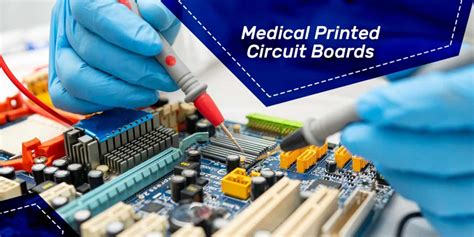
Top Circuit Card Assembly Manufacturers Revolutionizing Tech
Key Takeaways
The landscape of pcb assembly is rapidly evolving as manufacturers innovate to meet the growing demands of the electronics industry. Leading companies in circuit card assembly are adopting advanced technologies to enhance their production processes, ensuring efficiency and precision in pcba. These innovations range from automated assembly lines to sophisticated software that enhances design and testing capabilities, enabling a seamless transition from concept to completion. As the demand for high-quality electronic components increases, manufacturers are focusing on robust quality assurance processes that guarantee reliability and performance in every circuit card assembly they produce. The commitment of these key players to continuous improvement and innovation is not only shaping the future of circuit card assemblies, but it is also vital for sustaining the growth of the tech landscape as we approach a more interconnected world.
Introduction to Circuit Card Assembly Manufacturing
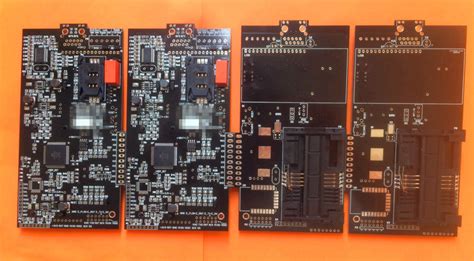
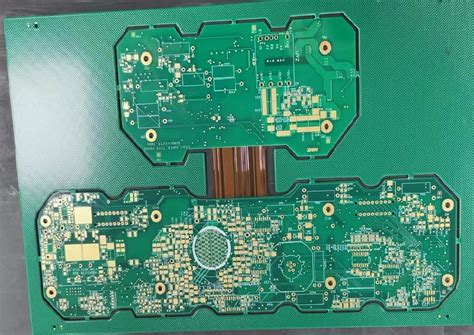
Circuit Card Assembly (CCA) plays a pivotal role in the modern electronics industry, serving as a foundation for a plethora of electronic devices. At its core, pcb assembly is the process of connecting various electronic components to a printed circuit board (PCB), which ultimately allows for functionality and connectivity in devices ranging from smartphones to industrial machinery. As the demand for high-quality and efficient electronic components continues to rise, pcba manufacturers have been forced to innovate their processes and adopt state-of-the-art technologies. This transformation involves utilizing automated machinery, advanced testing systems, and sophisticated software that ensure accurate assembly and reduce lead times.
The importance of precision in pcb assembly cannot be overstated; even minor errors can lead to significant malfunctions or failures in final product performance. Therefore, manufacturers are increasingly prioritizing quality assurance throughout every stage of production. They implement rigorous inspection techniques such as Automated Optical Inspection (AOI) and X-ray analysis, which further reinforce their commitment to delivering high-quality products.
| Manufacturing Process | Key Technologies Applied | Benefits |
|---|---|---|
| Selective Soldering | Robotic Arms | Precision soldering reduces defects |
| Surface Mount Technology (SMT) | Automated Placement Machines | Faster production speeds |
| 3D Printing Techniques | Rapid Prototyping | Customization and flexibility |
In summary, the CCA manufacturing sector is undergoing significant evolution as it adapts to advancements in technology and the growing needs of consumers. The innovative practices adopted by leading pcba manufacturers are not only enhancing productivity but also propelling the tech industry forward.
Key Players in the Circuit Card Assembly Industry
In the ever-evolving landscape of technology, the role of circuit card assembly manufacturers has become increasingly pivotal. These manufacturers, specializing in pcb assembly or pcba, are at the forefront of delivering high-quality electronic components that underpin numerous modern devices. Among the top players, companies are noted not only for their advanced manufacturing techniques but also for their commitment to innovation and sustainability.
One such key player is Company A, which has gained a reputation for utilizing cutting-edge technologies to enhance the efficiency and reliability of its assemblies. Their focus on lean manufacturing processes allows them to meet growing market demands while maintaining strict quality control measures. Similarly, Company B has embraced automation and artificial intelligence to improve production speed and accuracy, proving that investing in technology can lead to significant competitive advantages.
Furthermore, it’s important to recognize that these circuit card assembly manufacturers also play a crucial role in supply chain dynamics. They have established partnerships with component suppliers globally, ensuring a steady flow of necessary items for pcb assembly projects. This not only alleviates bottlenecks but also fosters innovation through collaborative efforts.
“In today’s tech industry, staying ahead means continually evolving. Embracing both tradition and innovation is key,” says industry expert John Doe.
As demand surges for smart devices, electric vehicles, and IoT applications, these manufacturers are positioned not just as suppliers but as strategic partners driving technological advancement. Their expertise profoundly influences product design and functionality, providing essential components that enhance user experiences across various sectors.
Innovative Technologies Shaping Circuit Card Assemblies
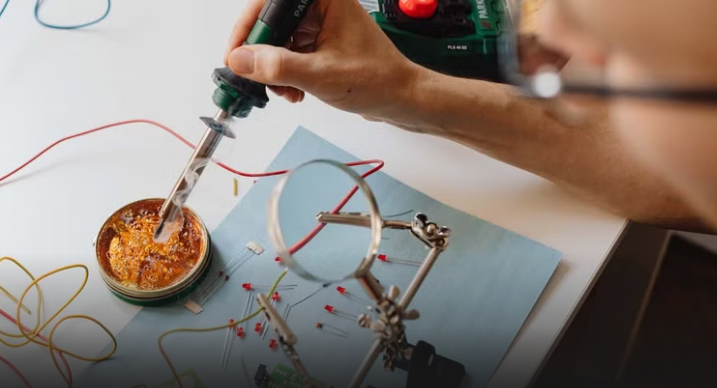
The landscape of pcb assembly is continuously evolving, driven by several innovative technologies that are transforming pcba processes. With the integration of automation and robotics, manufacturers are enhancing efficiency and precision, allowing for faster production cycles and reduced labor costs. Techniques such as surface mount technology (SMT) and through-hole construction are increasingly being optimized to create more compact and reliable electronic assemblies. Furthermore, advancements in materials science have led to the development of high-frequency substrates and eco-friendly soldering methods, which improve the performance and sustainability of circuit card assemblies. Manufacturers are also leveraging artificial intelligence (AI) for predictive maintenance and quality control, significantly lowering the incidence of defects in the final products. As technology continues to advance, these innovative approaches not only streamline production but also enable manufacturers to meet the growing demand for high-quality electronic components in various sectors, from consumer electronics to automotive applications. The shift towards smart manufacturing practices exemplifies how circuit card assembly leaders are at the forefront of enhancing the tech landscape through unparalleled innovation.
Meeting Demand: The Evolution of Manufacturing Processes
In the rapidly evolving tech landscape, the efficiency and adaptability of circuit card assembly (CCA) processes have become increasingly crucial. Manufacturers are now embracing advanced methodologies to meet the soaring demand for high-quality PCB assembly and PCBA solutions. Innovations such as automation and robotics play a pivotal role in streamlining production lines, ensuring consistency, and significantly reducing errors. Additionally, the integration of smart technologies into manufacturing processes allows for real-time monitoring, enhancing quality control measures while minimizing waste. These advancements not only optimize output but also ensure that manufacturers can swiftly respond to emerging trends in consumer electronics and other industries reliant on electronic components. As manufacturers continue to refine their techniques and embrace sustainability initiatives, they are setting a new standard in the production of circuit card assemblies, positioning themselves as leaders in a competitive market that values both quality and efficiency.
Quality Assurance in Circuit Card Assembly Production
In the rapidly evolving landscape of pcb assembly and pcba manufacturing, quality assurance stands as a cornerstone of production. As the demand for high-quality electronic components surges, manufacturers are prioritizing rigorous quality control processes to ensure that their products meet both industry standards and customer expectations. This involves the implementation of advanced testing methods at various stages of circuit card assembly (CCA) production, from component selection to final inspection. With sophisticated technologies such as automated optical inspection (AOI) and X-ray inspection, manufacturers can detect defects early in the process, minimizing waste and reducing the risk of product failures in the field. Additionally, comprehensive traceability systems are being adopted to track each component back to its source, further enhancing the reliability of pcba outputs. Ultimately, an unwavering commitment to quality assurance not only boosts customer confidence but also empowers manufacturers to maintain a competitive edge in a technology-driven market. As these best practices continue to evolve alongside technological advancements, they will play a crucial role in shaping the future of circuit card assembly processes and outcomes.
Case Studies: Successful Manufacturers Leading the Charge
In the ever-evolving world of technology, circuit card assembly manufacturers are at the forefront, driving innovation and efficiency. Notable players in the industry, such as Flextronics and Jabil, have pioneered methods that significantly enhance pcb assembly processes. These companies have adopted advanced automation and robotics to optimize their manufacturing lines, leading to notable reductions in production time while maintaining rigorous standards of quality. For instance, Sanmina has implemented cutting-edge AI technologies in its production systems, allowing for real-time monitoring of defects and ensuring that only top-tier products reach their customers. By prioritizing sustainability, companies like Celestica are also reducing waste through intelligent design practices that not only enhance the performance of their pcba products but also contribute to eco-friendly manufacturing approaches. The successes of these manufacturers illustrate a compelling narrative where innovation meets practicality—shaping the future landscape of electronic components in response to rising market demands. As these case studies reveal, successful manufacturers continually adapt by integrating new technologies into their processes, further establishing themselves as leaders in the competitive field of circuit card assembly.
Future Trends in Circuit Card Assembly and Technology
As technology continues to evolve rapidly, the circuit card assembly (CCA) sector is witnessing significant transformations driven by emerging trends. One of the most notable trends is the increasing use of automated systems in pcb assembly processes, which enhances efficiency and precision. Manufacturers are integrating smart technology that leverages machine learning algorithms to streamline operations and predict failures, thereby minimizing production downtime. Moreover, the rise of Internet of Things (IoT) devices is necessitating greater miniaturization and complexity in pcba designs. This has prompted manufacturers to invest in advanced materials and techniques to meet the growing demand for compact, high-performance components.
Another key trend is the surging focus on sustainability, with many circuit card assembly manufacturers adopting eco-friendly practices to reduce waste and energy consumption throughout their production processes. This shift not only aligns with global environmental goals but also appeals to consumers who increasingly prioritize sustainable products. Additionally, as global supply chains become more integrated, there is a push towards localized production strategies that can reduce lead times and improve responsiveness to market fluctuations.
In summary, these trends signify a pivotal moment for the CCA industry, characterized by innovation and responsiveness that are essential for meeting future demand in an increasingly tech-driven world. The combination of advanced automation, sustainable practices, and localized strategies will likely shape the future landscape of circuit card assembly as it continues to evolve alongside technological advancements.
Conclusion: The Impact of Circuit Card Manufacturers on the Tech Landscape
The influence of circuit card assembly manufacturers on the technology sector is undeniable. As industries increasingly rely on pcb assembly for their electronic components, these manufacturers have become pivotal in fostering innovation and efficiency. Their commitment to producing high-quality pcba has led to advancements in design techniques and manufacturing processes, ensuring that products meet the growing demands of a tech-savvy world. The integration of cutting-edge technologies such as automation, artificial intelligence, and precision engineering has not only streamlined production but also enhanced product reliability. Moreover, by adhering to stringent quality assurance protocols, these manufacturers are setting new standards for excellence in electronic assembly. As they continue to adapt to market needs and explore new possibilities within the realm of circuit card assembly, their pivotal role in shaping the future tech landscape remains increasingly apparent. Thus, the enduring impact of these manufacturers is felt across various industries, driving development and setting benchmarks that influence consumer technology trends globally.
Conclusion: The Impact of Circuit Card Manufacturers on the Tech Landscape
The circuit card assembly (CCA) industry plays a crucial role in the advancement of modern technology. As we explore the landscape of pcb assembly and pcba solutions, it’s evident that the leading manufacturers are equipped with innovative technologies that not only enhance production efficiency but also ensure high-quality standards. These companies are revolutionizing the tech world by adopting state-of-the-art processes, which include automation, precision engineering, and advanced materials. This evolution is significantly meeting the increasing demand for robust and efficient electronic components across various sectors. As manufacturers invest in research and development, they are not merely keeping pace with industry trends; they are setting them. By prioritizing quality assurance, these manufacturers guarantee that their pcba products meet stringent requirements, thereby shaping the future of electronics while maintaining a sustainable approach to production. Through these efforts, circuit card assembly manufacturers are not just participants in a thriving industry but leaders steering its course into uncharted technological territories.
FAQs
What is circuit card assembly (CCA)?
Circuit card assembly (CCA) refers to the process of building electronic circuits by assembling components onto a printed circuit board (PCB). This process involves soldering components such as resistors, capacitors, and integrated circuits onto the PCB, enabling it to function properly as part of an electronic device.
What does ‘pcba’ stand for?
PCBA stands for Printed Circuit Board Assembly, which encompasses the entire process of mounting electrical components onto a PCB and soldering them to create a fully operational electronic assembly.
Why are circuit card assembly manufacturers important?
Circuit card assembly manufacturers play a crucial role in the tech landscape. They ensure that high-quality pcba services meet industry standards, helping to address the escalating demand for reliable and advanced electronic components in various sectors, including consumer electronics, telecommunications, and automotive.
What technologies are involved in circuit card assembly?
Innovative technologies such as surface mount technology (SMT), through-hole technology, and automated soldering processes are integral to modern pcb assembly. These advancements enhance precision, efficiency, and scalability in production processes.
How do manufacturers ensure quality in pcb assembly?
Quality assurance in pcb assembly involves rigorous testing processes including functional testing, visual inspections, and automated optical inspections. Manufacturers implement strict quality control measures throughout production to guarantee that each component meets the required specifications before it reaches consumers.
For more insights on pcb assembly, please click here: Andwin PCB Assembly