Top Circuit Card Assembly Manufacturers You Should Know
Key Takeaways
In the dynamic landscape of electronics, circuit card assembly (CCA) plays a pivotal role, with pcb assembly and pcba being crucial components of the manufacturing process. Understanding the capabilities and strengths of various manufacturers can help businesses select the right partners for their projects. The leading circuit card assembly manufacturers set themselves apart through innovative techniques that enhance productivity and reduce time-to-market. These industry giants maintain rigorous quality standards, ensuring that their products meet both regulatory requirements and customer expectations.
The competitive edge is further solidified by the unique contributions each manufacturer brings to the table, whether it’s advanced automation systems, optimized supply chains, or sustainable practices in pcb assembly.
Here’s a comparative overview of some key players in the market:
| Manufacturer | Innovations | Quality Standards | Notable Contributions |
|---|---|---|---|
| Manufacturer A | AI-driven inspection technology | ISO 9001 certified | Reduced defect rates by 20% |
| Manufacturer B | Eco-friendly materials | IPC-A-610 compliant | Increased recycling rates |
| Manufacturer C | Flexible manufacturing systems | J-STD-001 compliant | Improved speed to market |
“Choosing the right CCA manufacturer is not just about costs; it’s about finding a partner who aligns with your quality expectations and innovative goals.”
As trends continue to evolve, including a shift towards automation and sustainability in the production of pcba, manufacturers are increasingly focusing on streamlining processes while maintaining their commitment to high standards. The industry will undoubtedly continue to adapt and respond to these trends, prompting ongoing enhancements in both technology and service offerings.
Introduction to Circuit Card Assembly Manufacturing
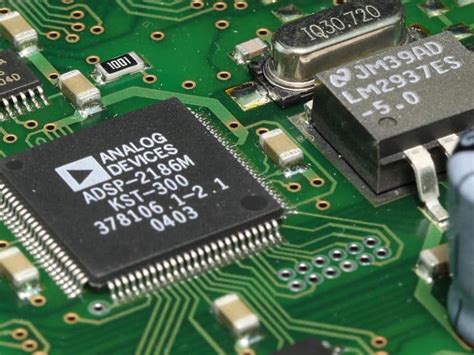
The world of circuit card assembly (CCA), often referred to as pcb assembly (PCBA), is a critical component of the electronics industry. This manufacturing process involves the assembly of electronic components onto printed circuit boards, forming the foundation for virtually all electronic devices. With advancements in technology, CCA has evolved significantly, showcasing innovations that enhance performance and reliability. Key players in this sector utilize cutting-edge techniques and equipment to ensure high precision in their assemblies. The industry prioritizes not only efficiency but also stringent quality standards that meet global requirements, ensuring that every pcb or pcba produced is capable of withstanding rigorous use. Understanding these standards is essential for manufacturers as they navigate an increasingly competitive landscape driven by rapid technological change and consumer demands for higher quality products. As consumers expect faster delivery times and enhanced functionality from their devices, manufacturers in the CCA sector are continuously challenged to optimize their processes while adhering to sustainability practices and managing cost-effectiveness. In this context, knowing the leading manufacturers and their unique contributions becomes vital for stakeholders aiming to stay ahead in the cutting-edge electronics market.
Key Innovations in Circuit Card Assembly
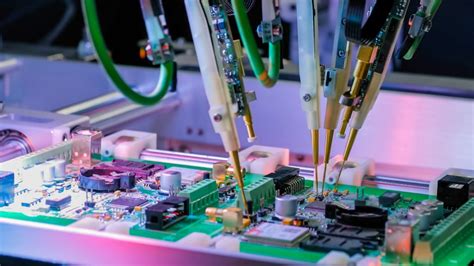
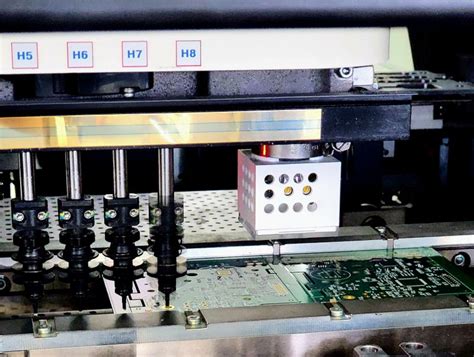
Innovations in circuit card assembly (CCA) have profoundly impacted the electronics industry, driving the efficiency and capability of pcb assembly processes. One of the most significant advancements is the integration of automated technology, which enhances accuracy and reduces manufacturing time. Manufacturers utilize robotic systems to perform complex soldering tasks, resulting in the production of high-quality pcba with fewer defects. Additionally, the transition to surface mount technology (SMT) has allowed for more compact designs while improving performance. This method enables components to be placed directly onto the surface of a circuit board, enhancing functionality and reducing overall assembly weight.
Another key innovation is the development of advanced materials, such as low-loss and high-frequency substrates. These materials are crucial for producing pcba capable of supporting next-generation applications like 5G technology and IoT devices. Moreover, innovations in testing technologies, including X-ray inspection and automated optical inspection (AOI), ensure that products meet stringent quality standards before reaching consumers. The combination of these advanced techniques not only optimizes production but also paves the way for higher reliability in electronic products. As manufacturers continue to adopt cutting-edge technologies and processes, they are setting new benchmarks for quality and innovation within the pcb assembly landscape.
Quality Standards in the Electronics Industry
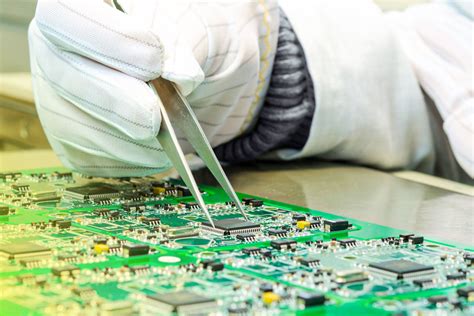
In the realm of pcb assembly, quality standards are paramount to ensuring the reliability and performance of electronic devices. The circuit card assembly (CCA) process requires adherence to various international standards, such as ISO 9001, IPC-A-610, and IPC-J-STD-001, among others. These standards focus on critical aspects such as materials, processes, inspection criteria, and documentation practices that must be followed during the pcba lifecycle. Manufacturers are expected to implement rigorous testing protocols that evaluate electrical performance and mechanical durability. For instance, visual inspection, automated optical inspection (AOI), and functional testing are vital steps in ensuring the integrity of components on the assembly. A manufacturer’s commitment to these quality standards not only enhances their reputation but also builds customer trust and satisfaction in a competitive market. As technology advances, the push for higher standards also grows; companies increasingly invest in automation and advanced technologies to improve accuracy and reduce defects in their manufacturing processes. By aligning their practices with these quality benchmarks, manufacturers can successfully produce reliable products that meet consumer expectations and industry demands while minimizing risks associated with product failures.
Profiles of Leading Circuit Card Assembly Manufacturers
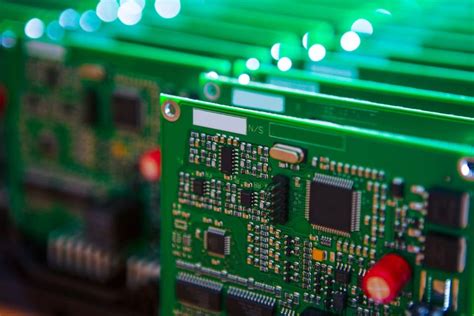
In the competitive landscape of electronics manufacturing, numerous companies have emerged as leaders in circuit card assembly (often referred to as PCB assembly or PCBA). These manufacturers are instrumental in driving advancements in technology, focusing on integrating innovative solutions that foster efficiency and reliability. For instance, some prominent names in the industry employ state-of-the-art machinery and automation techniques to enhance production capabilities, ensuring that they meet the increasing demands for high-volume pcba services. Beyond their technical prowess, these companies adhere to stringent quality standards, emphasizing rigorous testing processes and material sourcing. Their commitment to quality not only boosts their reputation but also reinforces customer trust, essential in a sector where precision is paramount. Furthermore, many of these manufacturers are at the forefront of sustainability initiatives, seeking to minimize waste and optimize resource usage, which is increasingly becoming a pivotal aspect for stakeholders across the industry. Overall, understanding these profiles provides insights into the benchmarks that define excellence in circuit card assembly, highlighting how leading manufacturers contribute to the evolution of technology and meet diverse market needs effectively.
Comparative Analysis of Manufacturer Contributions
In the dynamic field of pcb assembly or pcba manufacturing, various manufacturers have made significant contributions that resonate throughout the electronics industry. Companies that excel in circuit card assembly not only focus on the technical aspects but also prioritize innovative practices and stringent quality control. For instance, some manufacturers distinguish themselves by employing advanced technologies such as automated optical inspection (AOI) and rigorous testing protocols which enhance the reliability of their products, ensuring that the assembled circuit boards meet the exacting standards necessary for modern electronic applications.
Furthermore, the collaboration between manufacturers and design engineers is pivotal to creating tailored solutions that address specific market needs. This synergy fosters an environment where innovation thrives and drives continual improvement in production efficiency and product performance. By offering customizable services—ranging from rapid prototyping to full-scale production—the top players in this sector are not only responding to customer demands but also setting trends that influence the entire pcb assembly landscape.
The ability of these manufacturers to adapt to emerging technologies and changing market dynamics is a testament to their resilience and foresight. Their ongoing investment in research and development reflects a commitment to advancing the field, ensuring that their contributions have a lasting impact on both the current landscape and future innovations in pcba production processes. As we examine these contributions more closely, it becomes evident that they play a crucial role in shaping industry standards, ensuring quality outputs, and fostering technological advancements essential for tomorrow’s electronic devices.
Trends Shaping the Future of Circuit Card Assembly
As the electronics industry continues to evolve, several key trends are emerging in the circuit card assembly sector that are poised to reshape its landscape. One of the most significant trends is the growing demand for compact and lightweight designs, which necessitates advancements in pcb assembly techniques. Manufacturers are increasingly focusing on miniaturization, incorporating new materials and innovative design approaches that enable higher density placements without sacrificing performance. This trend is further driven by the rise of consumer electronics, automotive applications, and Internet of Things (IoT) devices that require reliable and efficient pcba solutions.
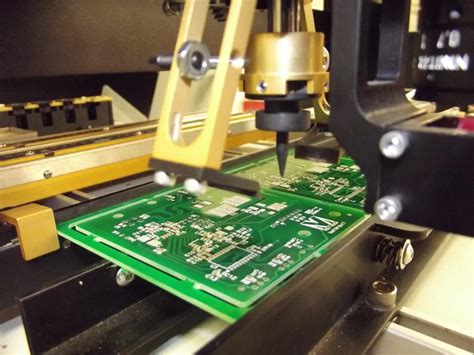
Another crucial trend is the integration of automation and artificial intelligence into manufacturing processes. Automated circuit card assembly systems enhance precision while reducing production time and costs. These technologies enable manufacturers to streamline operations, improve quality control, and adapt quickly to market changes. Alongside automation, advancements in data analytics allow manufacturers to optimize their production processes further by predicting failures or identifying inefficiencies.
Sustainability has also become a priority within the industry. There is an increasing push towards eco-friendly pcb assembly practices, such as using recyclable materials and reducing waste during production. Manufacturers are not only looking to comply with regulations but also appealing to a more environmentally-conscious consumer base.
Finally, collaboration within supply chains is gaining traction as companies seek innovative partnerships that bolster competitiveness through shared technologies and resources. This trend emphasizes transparency and resilience in procurement strategies, ensuring that manufacturers can meet ever-evolving demands while maintaining high-quality standards in their pcba offerings.
These trends indicate a dynamic future for circuit card assembly, where innovation continues to be driven by technological advancements, market demands, sustainability goals, and collaborative efforts across the industry spectrum.
Challenges Facing the Circuit Card Assembly Sector
The pcb assembly sector faces a myriad of challenges that can impact its efficiency and effectiveness. One of the most pressing concerns is the rising complexity of electronic products, which demands higher precision in pcba processes. This complexity often leads manufacturers to grapple with issues such as increased production costs and the necessity for sophisticated equipment and technologies, which can strain resources. Additionally, the global supply chain disruptions that have emerged in recent years have further complicated the sourcing of essential materials and components necessary for quality circuit card assembly. Labor shortages, particularly in skilled positions, can lead to delays in production timelines and hinder innovation capabilities. Moreover, maintaining regulatory compliance becomes increasingly challenging as legislation evolves in different regions, requiring manufacturers to adapt their processes swiftly. With sustainability becoming a pivotal concern for consumers and regulators alike, manufacturers must also find ways to integrate eco-friendly practices within their pcb assembly processes without compromising quality or increasing costs. Addressing these challenges is essential not only for staying competitive but also for fostering growth within the circuit card assembly industry as a whole.
Conclusion: The Impact of Key Manufacturers on the Industry
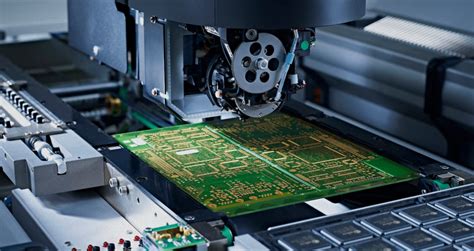
The landscape of pcb assembly is continuously influenced by the significant contributions of leading manufacturers, who are pivotal in shaping industry standards and innovations. These manufacturers have not only enhanced the efficiency and quality of pcba processes but also pioneered advancements in technology that drive the electronics sector forward. By adopting rigorous quality standards, they ensure that their products meet the ever-evolving demands of consumers and industries alike. As we observe these manufacturers, it becomes clear that their commitment to excellence not only defines their individual reputations but also sets benchmarks for the entire industry. Furthermore, their ongoing investment in research and development plays a crucial role in addressing current challenges while anticipating future trends within circuit card assembly. This symbiotic relationship between manufacturers and technology not only elevates their status but also solidifies their importance in the grand narrative of electronic manufacturing, where every circuit board made signifies a step towards greater innovation and reliability within our digital world.
Conclusion: The Impact of Key Manufacturers on the Industry
The influence of leading circuit card assembly manufacturers on the electronics sector is undeniable. These companies are at the forefront of innovation, continuously advancing pcb assembly technologies to meet the demands of a rapidly evolving market. Their contributions not only drive efficiency but also enhance the quality and reliability of products that consumers rely on every day. By adhering to stringent quality standards, these manufacturers ensure that their pcba processes yield components that withstand rigorous testing and performance benchmarks. Furthermore, as we look toward the future, it becomes clear that these key players are not just manufacturers but pivotal stakeholders in shaping trends. Their ability to adapt to challenges, while also pioneering new methodologies, solidifies their role as leaders within the industry. Ultimately, the partnership between technological advancement and quality manufacturing sets a benchmark for what is possible in circuit card assembly, ensuring that industry needs are met while pushing the boundaries of innovation further than ever before.
FAQs
What is circuit card assembly?
Circuit card assembly, often referred to as PCB assembly or PCBA, is the process of connecting electronic components to a printed circuit board (PCB) to create functional electronic products.
Why is quality important in circuit card assembly?
Quality is crucial in PCB assembly to ensure reliability and performance of electronic devices. High-quality standards mitigate risks of failure and enhance customer satisfaction.
What are some common challenges in PCB assembly?
Challenges in pcb assembly include managing component variations, ensuring precise soldering, and adhering to industry standards for quality and safety.
Who are the leading manufacturers in the circuit card assembly industry?
Several top manufacturers play significant roles in the industry, known for their innovations and adherence to quality standards that contribute greatly to advancements in PCBA technology.
How can I choose the right PCB manufacturer?
Selecting the right manufacturer hinges on factors like their reputation, certifications for quality management, capabilities for volume production, and experience with specific types of assemblies.
For those interested in enhancing their understanding of circuit card assembly, please click here: Explore Circuit Card Assembly Services.