Top FPC Manufacturers Leading the Flexible PCB Revolution
Key Takeaways
As you delve into the world of flexible printed circuit boards (FPCs), it becomes evident that understanding the role of FPC manufacturers is crucial. These manufacturers are at the forefront of the pcb manufacturing industry, pushing the boundaries of what is possible with flexible circuits. In today’s tech-driven landscape, flexibility and innovation are key drivers that underlie significant advancements in electronics. It’s important to recognize that not all pcb manufacturing companies are created equal; some have established themselves as leaders by developing specialized capabilities and leveraging cutting-edge technologies.
The contribution of these top-tier manufacturers is not just about increasing production volume but also about reducing pcb manufacturing costs through efficient processes and materials. This efficiency can benefit various sectors, including consumer electronics, automotive, and medical devices, where space-saving designs are often vital. As you explore these advancements, keep in mind a valuable tip: “The success of your pcb manufacturing business often hinges on your ability to adapt to technological changes and market demands.” Engaging with leading FPC manufacturers can open doors to innovative solutions that enhance product design while maintaining cost-effectiveness.
Ultimately, as you navigate through the landscape defined by these manufacturers, it’s clear that their role is not only pivotal but also transformative for the future of electronics.
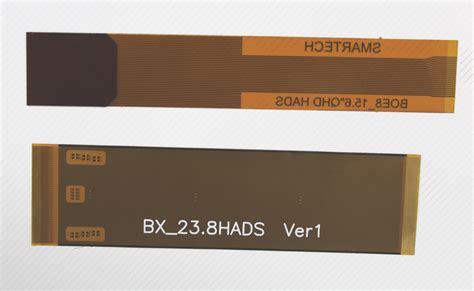
Introduction to Flexible PCBs and Their Impact on Modern Electronics
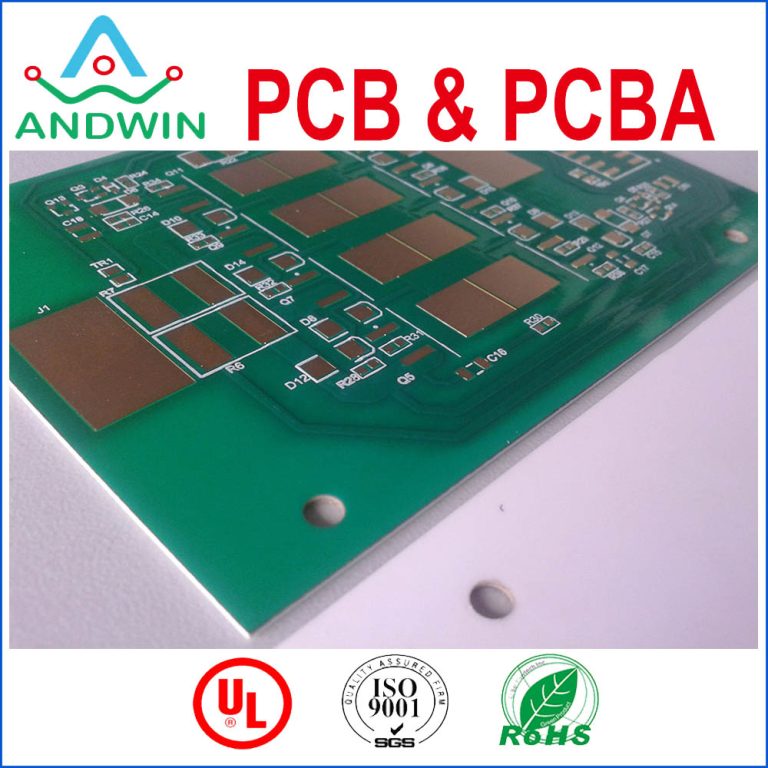
The emergence of flexible printed circuit boards (PCBs) has significantly transformed the landscape of modern electronics, enabling innovative designs and functionalities that were previously unattainable. As you explore the realm of pcb manufacturing, you’ll notice that the adaptability of flexible circuits allows for enhanced integration in compact devices, ranging from smartphones to advanced medical equipment. This flexibility inherently contributes to reducing overall pcb manufacturing costs by streamlining assembly processes and minimizing the need for additional components. Leading pcb manufacturing companies have embraced these innovations, leveraging advanced technologies and materials to meet the evolving demands of various industries. The ability to create lightweight, durable, and space-efficient designs has made flexible PCBs essential in applications where traditional rigid boards fall short. By understanding the pivotal role these manufacturers play in advancing your favorite electronic devices, you appreciate how their breakthroughs not only support progress but also fuel the future of electronics through increased efficiency and performance. For more insights on innovations in this field, you can explore Andwin PCB.
Key Characteristics of Flexible Circuits
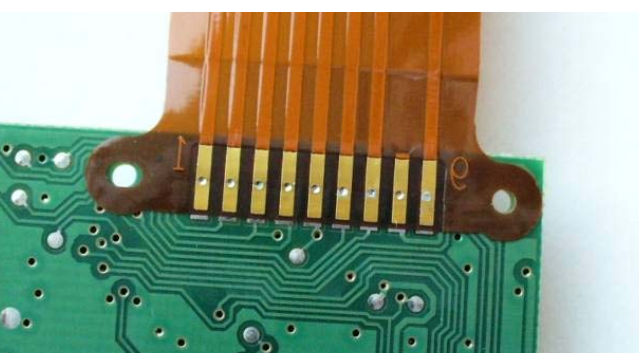
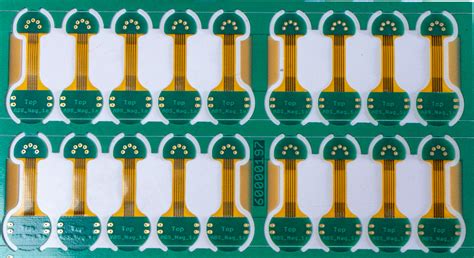
Flexible circuits, also known as flex circuits, are known for their unique attributes which set them apart from traditional printed circuit boards (PCBs). One of the key characteristics is their ability to bend and conform, enabling designs that can fit into compact and intricate spaces. This adaptability makes them essential in various applications, ranging from consumer electronics to medical devices. The construction materials used in pcb manufacturing also contribute to their flexibility while maintaining durability.
Additionally, flexible circuits are lightweight compared to their rigid counterparts, reducing overall device weight and enhancing portability. As you explore the landscape of pcb manufacturing companies, you will find that the production methods have evolved significantly, realizing innovations that allow for multilayer constructions while still focusing on reliability. Your understanding of pcb manufacturing cost factors will deepen as you note how these enhanced capabilities are balanced with cost-effective production processes.
Moreover, flexible circuits boast excellent thermal and electrical performance due to their unique structure and materials used in pcb manufacturing business practices. This ensures that they can handle higher frequencies and temperatures without degrading performance. In summary, the key characteristics of flexible circuits underscore their vital role in pushing boundaries within modern electronics, making them indispensable components in evolving technology landscapes.
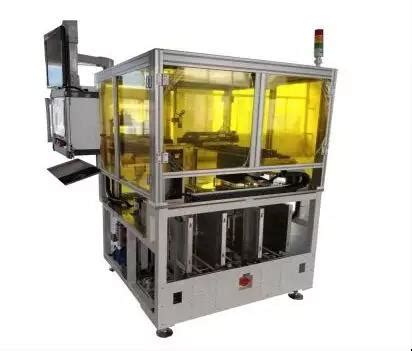
Top FPC Manufacturers Revolutionizing the Industry
The landscape of FPC manufacturing is evolving rapidly, thanks to a handful of leading manufacturers that are pushing the boundaries of what is possible in flexible PCB technology. These companies are not only enhancing their production capabilities but also investing in innovative solutions that meet the increasing demands of modern electronics. As you delve into the world of pcb manufacturing, you’ll discover that these manufacturers are utilizing state-of-the-art techniques and materials to create circuits that are thinner, lighter, and more durable than ever before. With a keen focus on reducing the overall pcb manufacturing cost, they are setting new standards for efficiency and sustainability in their processes. You may also find it interesting how these pcb manufacturing companies collaborate with various sectors, from consumer electronics to automotive, ensuring that their products cater to diverse applications. This collaborative approach highlights the essential role these manufacturers play in not only shaping industry capabilities but also driving forward the entire pcb manufacturing business ecosystem. As you consider your next project or partnership, paying attention to these trailblazers could provide valuable insights into leveraging flexible circuits for your needs.
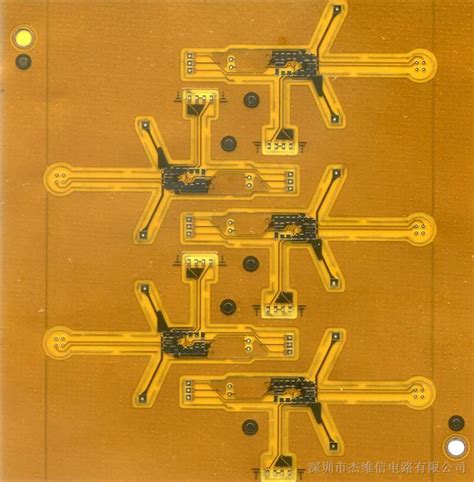
Innovative Technologies in Flexible PCB Manufacturing
In the evolving landscape of pcb manufacturing, innovative technologies are becoming pivotal in enhancing the flexibility and functionality of your products. Companies at the forefront of pcb manufacturing are adopting advanced materials such as polyimide and liquid crystal polymer, which allow for lighter and more resilient circuit designs. These materials not only contribute to reduced weight but also improve thermal stability—crucial for applications within tightly packed electronic devices.
Moreover, the integration of automated processes has revolutionized the way that pcb manufacturing companies operate, driving down production time and costs. Innovations such as machine learning and artificial intelligence are streamlining design processes and optimizing production efficiency, ultimately reducing the overall pcb manufacturing cost. Additionally, advancements such as laser drilling technology enable finer circuit patterns, ensuring more intricate designs that cater to contemporary electronic requirements.
A table summarizing some key innovations in flexible PCB technologies includes:
| Technology | Benefits | Applications |
|---|---|---|
| Advanced Material Use | Lightweight, high-temperature resistance | Aerospace, medical devices |
| Automated Production | Faster turnaround time, cost efficiency | Consumer electronics |
| Laser Drilling | Precision in smaller circuits | Mobile devices, wearables |
These technological advances not only enhance your products’ performance but also bolster the competitive edge of your pcb manufacturing business. As you explore these innovations, consider how they can shape your approach to flexible PCBs and reinforce your position in an ever-demanding market.
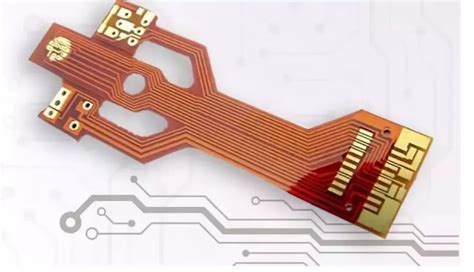
Production Capabilities of Leading FPC Manufacturers
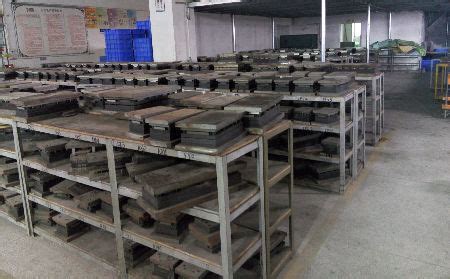
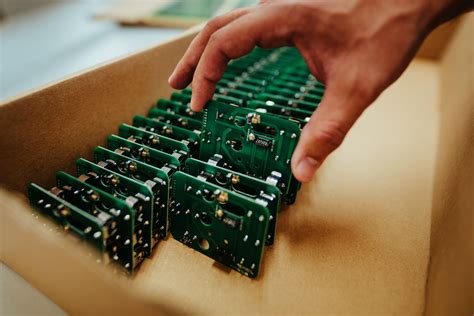
When evaluating the production capabilities of top FPC manufacturers, it’s essential to understand the depth and breadth of their operations. These manufacturers leverage advanced technologies and efficient processes that significantly impact pcb manufacturing outcomes. For instance, many large-scale pcb manufacturing companies utilize automated production lines, which enhance precision and reduce waste, ultimately lowering pcb manufacturing costs. Their ability to produce high volumes of flexible printed circuits while maintaining stringent quality standards showcases their commitment to excellence. Additionally, factors such as rapid prototyping and customization allow these companies to cater to a diverse range of industries and applications—from medical devices to consumer electronics. As you explore the offerings of different manufacturers, consider how their specialized techniques and innovations in the pcb manufacturing business can drive performance improvements in your projects, ensuring that you leverage the best resources available in today’s competitive landscape.
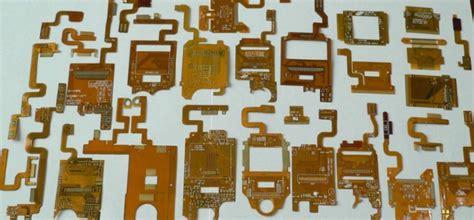
Applications of Flexible PCBs Across Various Industries
The versatility of flexible PCBs has positioned them at the forefront of numerous industries, transforming how electronic devices function and interact. In the medical sector, for instance, these circuits are used in critical equipment such as portable diagnostic devices and wearable health monitors, where space and flexibility are paramount. Similarly, in the automotive industry, flexible circuits facilitate advanced features like sensor arrays and dashboard displays, contributing to the movement towards smarter vehicles. The consumer electronics realm has also embraced this technology, seeing flexible PCBs in smartphones and tablets, allowing for lighter designs with enhanced performance while keeping pcb manufacturing costs low, which is vital for competitive pricing. Additionally, the rise of internet of things (IoT) devices is another area where flexible PCBs are indispensable; their small form factor enables integration into a wide variety of applications, from smart home devices to industrial automation systems. This shift towards miniaturization showcases how leading pcb manufacturing companies innovate to meet your needs without sacrificing quality or functionality. As a result, your understanding of these applications not only highlights the critical role that pcb manufacturing business plays in diverse sectors but also points to a future where flexible circuits will increasingly drive innovation across various domains.
Future Trends in Flexible Circuit Technology
As we look ahead, the future trends in flexible circuit technology are poised to transform the landscape of pcb manufacturing. The integration of advanced materials, such as PET and polyimide, is expected to enhance the durability and performance of flexible PCBs, allowing for greater versatility in design. The use of flexible substrates will not only reduce the overall pcb manufacturing cost but also streamline production processes for pcb manufacturing companies. Furthermore, the rise of Internet of Things (IoT) devices will drive demand for lightweight and adaptable circuits, reinforcing the need for innovation in flexible PCB production. Companies that strategically invest in automation and cutting-edge technologies will likely benefit significantly from increased efficiency within their pcb manufacturing business. Adapting to these changes will not only support the continual growth and evolution of the industry but also ensure that you stay competitive in a rapidly advancing market. Embracing these trends can provide you with unique opportunities to leverage the burgeoning potential of flexible circuits across a variety of applications, from wearable tech to flexible displays.
Conclusion: The Essential Role of FPC Manufacturers in Advancing Electronics
As you reflect on the contributions of FPC manufacturers, it becomes clear that they play an indispensable role in the evolution of modern electronics. These companies are at the forefront of pcb manufacturing, innovating processes that enhance flexible printed circuit boards (FPCs) and their applications across various industries. By utilizing advanced technologies and methods, these pcb manufacturing companies are not only increasing efficiency but also driving down pcb manufacturing costs. This is particularly important as the demand for smaller, lighter, and more flexible electronic devices continues to grow. Your understanding of this landscape reveals how essential these manufacturers are in supporting a thriving pcb manufacturing business, enabling everything from wearable tech to sophisticated aerospace systems. Without their expertise and commitment to excellence, the progress we’ve witnessed in electronics would not be possible, highlighting their pivotal role in shaping our interconnected future.
Conclusion: The Essential Role of FPC Manufacturers in Advancing Electronics
The role of FPC manufacturers is critical in the realm of electronics, particularly as the demand for flexible circuitry continues to surge. You may find that PCB manufacturing has evolved significantly, with pcb manufacturing companies pushing the boundaries of innovation and efficiency. As you navigate through this landscape, understanding the nuances of pcb manufacturing cost becomes essential. It’s not just about affordability; it’s about value—achieving high-quality outcomes while managing overall expenses effectively. In a competitive pcb manufacturing business, flexibility and adaptability are keys to success, allowing companies to respond to market needs and technological advancements promptly. As a consumer or stakeholder in this field, recognizing these dynamics will help you appreciate how these manufacturers are not only transforming electronic device capabilities but also paving the way for future advancements in various industries.
FAQs
What is FPC and how does it relate to PCB manufacturing?
Flexible printed circuits (FPC) are a vital part of the pcb manufacturing landscape. They offer unique advantages due to their flexibility and lightweight characteristics, enabling more innovative designs in modern electronics.
Why should I consider flexible circuits in my projects?
Utilizing flexible circuits can lead to numerous benefits, including reduced pcb manufacturing costs, easier assembly processes, and improved performance in compact environments. These elements contribute positively to your overall product design.
What are the key factors influencing the costs of PCB manufacturing?
Several elements play a significant role in pcb manufacturing cost, such as material type, layer count, complexity of the circuit design, and production volume. Understanding these factors will help you make informed decisions for your pcb manufacturing business.
Can you recommend any top pcb manufacturing companies for flexible circuits?
Definitely! There are several reputable pcb manufacturing companies known for their quality and innovation in flexible circuit technologies. Investing time to research these businesses can yield great partnerships for your projects.
How can I find the right FPC manufacturer for my needs?
When searching for an FPC manufacturer, consider their expertise in pcb manufacturing, production capabilities, cutting-edge technologies, and past application successes. This due diligence will ensure you choose a partner that aligns with your requirements.