Top Hobbyist PCB Fabrication Vendors and Assembly Solutions
Key Takeaways
When navigating PCB manufacturing for hobbyist projects, understanding core considerations ensures you balance cost, quality, and technical feasibility. Leading PCB manufacturing companies catering to hobbyists prioritize small-batch orders, often supporting components as precise as 0.35mm pitch—critical for compact designs. While PCB manufacturing cost varies by vendor, factors like layer count, material type, and assembly complexity directly impact pricing. For example:
| Feature | Typical Cost Range | Key Considerations |
|---|---|---|
| 2-Layer Board | $5–$50 | Ideal for simple prototypes |
| 4-Layer Board | $50–$150 | Better signal integrity |
| Assembly (0.35mm+) | $30–$100+ | Requires advanced equipment |
Integrating platforms like Digikey or Mouser streamlines component sourcing, especially when suppliers offer direct BOM import tools. However, not all PCB manufacturing business models support this—verify compatibility before committing. To minimize expenses without sacrificing reliability, compare vendors offering low-moqs (minimum order quantities) and transparent pricing tiers. Prioritize those with clear quality controls, such as automated optical inspection (AOI), particularly for high-density interconnects. By aligning your project’s needs with a vendor’s strengths, you avoid overpaying while ensuring functional prototypes or finished products.
Hobbyist PCB Vendors Offering Assembly
When selecting PCB manufacturing companies for hobbyist projects, you’ll want suppliers that handle both fabrication and assembly—especially for complex designs with tiny components like 0.35mm pitch ICs. Many vendors now offer integrated services, allowing you to upload your design, specify component sourcing from distributors like DigiKey or Mouser, and receive a fully assembled board. This streamlined approach minimizes errors and saves time, as you avoid manually managing part inventories or soldering ultra-fine-pitch parts.
Tip: Always verify if the vendor’s assembly service includes compatibility with your chosen components. Some providers charge extra for handling smaller-than-standard parts or require minimum order quantities.
Balancing PCB manufacturing cost with quality is critical. While budget-friendly options exist, cheaper services might use lower-grade materials or skip electrical testing. For reliability, prioritize companies that provide design-for-manufacturing (https://www.andwinpcba.com) simplify this process by offering real-time pricing and integrating component databases directly into their ordering systems.
If you’re running a PCB manufacturing business on the side, look for vendors supporting small-batch orders (1–10 boards) with flexible turnaround times. Some even offer prototyping discounts, making iterative testing affordable. Just ensure their assembly capabilities align with your project’s complexity—not all hobbyist-focused providers can handle advanced features like impedance control or multilayer boards. By evaluating these factors, you’ll find a partner that scales with your growing skills and ambitions.
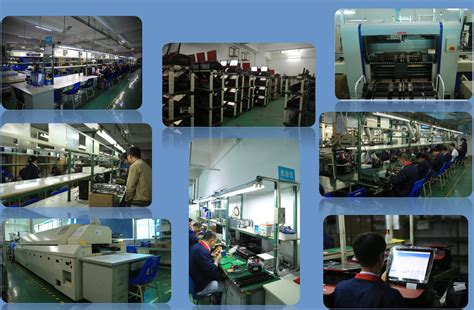
US-Based PCB Fabrication for Hobbyists
When exploring PCB manufacturing options for hobby projects, choosing a local vendor simplifies logistics while ensuring faster turnaround times. Several PCB manufacturing companies in the U.S. cater specifically to hobbyists, balancing affordability with reliable quality for prototyping or small-batch needs. These providers often specialize in low-volume production, making them ideal for testing designs without the high PCB manufacturing cost typically associated with large-scale orders.
For projects requiring precision—such as assembling components with 0.35mm pitch—look for vendors offering advanced assembly services. Many U.S.-based shops integrate directly with popular component distributors, streamlining material sourcing and reducing errors in BOM (Bill of Materials) management. This integration ensures you avoid delays caused by mismatched parts or inventory shortages.
While overseas PCB manufacturing business options might seem cheaper, domestic suppliers provide clearer communication, faster shipping, and better support for design revisions. When comparing costs, factor in hidden expenses like import fees or longer lead times. Prioritize vendors that offer transparent pricing tiers, especially if you plan to scale from prototypes to limited production runs.
Finally, verify certifications like ISO 9001 or UL listing to ensure quality standards align with your project’s requirements. Balancing PCB manufacturing cost with technical capabilities ensures your hobby designs transition smoothly from concept to functional boards.
Tiny Component PCB Assembly Solutions
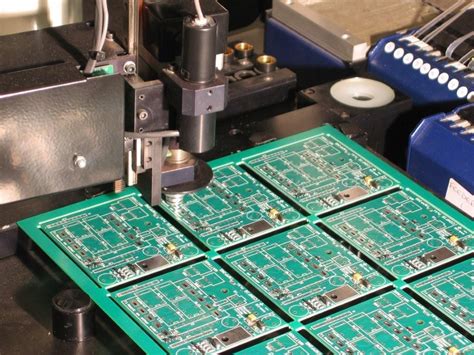
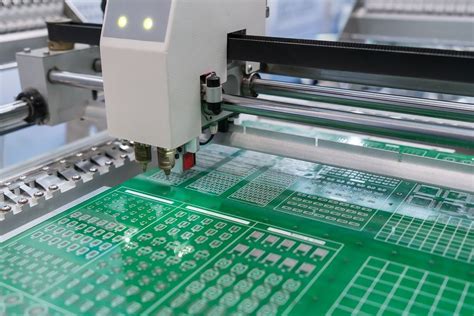
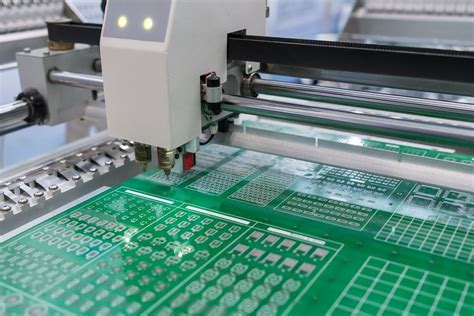
When working with components featuring 0.35mm pitch or smaller, precision becomes non-negotiable. Many PCB manufacturing companies now cater to hobbyists needing specialized assembly for tiny parts, leveraging advanced pick-and-place machines and reflow soldering techniques. These services ensure reliable connections even at microscopic scales, which can be challenging to achieve with manual soldering.
For projects requiring such precision, you’ll want to evaluate vendors offering PCB manufacturing with high-density interconnect (HDI) capabilities. Some providers integrate directly with distributors like DigiKey or Mouser, streamlining component sourcing while reducing errors in BOM management. This integration is particularly valuable when balancing PCB manufacturing cost against quality—a critical consideration for small-batch projects.
While third-party assembly services simplify the process, verify their expertise in handling fine-pitch components. Look for certifications like IPC-A-610 Class 2 or 3, which indicate adherence to rigorous quality standards. Additionally, inquire about automated optical inspection (AOI) and X-ray testing, as these ensure defects are caught early.
If you’re managing a PCB manufacturing business on a hobbyist scale, partnering with vendors offering flexible order quantities and transparent pricing models helps avoid overspending. Prioritize providers that clarify their fee structures for stencil creation, component placement, and post-assembly testing—factors that collectively influence both cost and reliability.
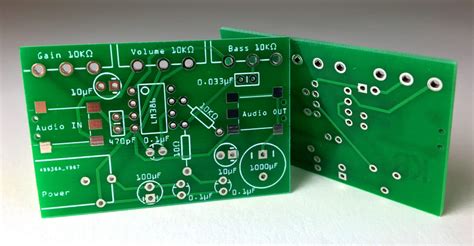
Digikey/Mouser Integration for PCB Orders
When building your own PCBs, seamless integration with component distributors like Digikey and Mouser can streamline your workflow significantly. Many PCB manufacturing companies now offer direct integration with these platforms, allowing you to sync your bill of materials (BOM) automatically during order placement. This eliminates manual data entry errors and ensures compatibility with tiny components like 0.35mm pitch ICs or microcontrollers. For hobbyists, this feature is particularly valuable when balancing PCB manufacturing cost with precision—since mismatched parts could derail a project entirely.
By linking your design software to these distributors, you gain real-time access to component availability and pricing, which helps optimize your PCB manufacturing business decisions. For example, if a specific resistor is out of stock, the system might suggest alternatives that meet your design specs without compromising performance. This integration also simplifies bulk ordering for small-batch projects, as vendors can source parts directly from Digikey/Mouser inventories, reducing lead times.
However, not all PCB manufacturing services provide this functionality equally. Prioritize vendors that offer API-based integrations or plugin support for popular tools like KiCad or Eagle. This ensures smoother transitions from design to production, especially when working with complex layouts or tight budgets. Always verify whether part substitutions affect overall PCB manufacturing cost or assembly fees—transparency here prevents surprises during checkout.
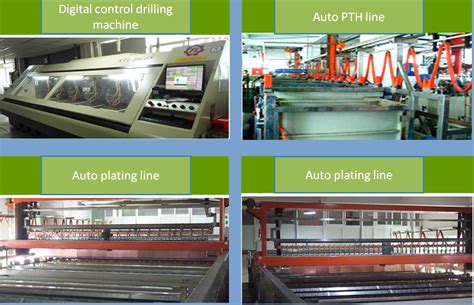
Cost vs Quality in Hobbyist PCBs
When balancing PCB manufacturing cost and quality, you’ll find that cheaper options often come with compromises. Lower-cost PCB manufacturing companies might use thinner copper layers or skip critical quality checks, risking functionality for prototypes or complex designs. However, higher-priced vendors aren’t always superior—some prioritize margins over value. For hobbyists, the key is identifying suppliers that offer transparent pricing while maintaining industry-standard tolerances (e.g., ±0.1mm for traces).
Small-batch PCB manufacturing typically costs more per unit, but many vendors reduce prices for repeat orders or simplified designs. For example, opting for a two-layer board instead of four layers can slash costs by 30–50%. Still, if your project involves 0.35mm pitch components, don’t compromise on solder mask precision—poor registration could ruin a batch. Some PCB manufacturing businesses offset expenses by integrating with parts distributors like Digikey, letting you source components and order boards in one workflow.
Always request design-for-manufacturing (DFM) feedback. Reputable vendors will flag potential issues like insufficient clearance or oversized vias, helping you avoid costly revisions. Compare quotes that break down material grades (e.g., FR4 vs high-frequency laminates) and finishing options (HASL vs ENIG). While budget matters, reliability ensures your time and effort aren’t wasted troubleshooting avoidable flaws.
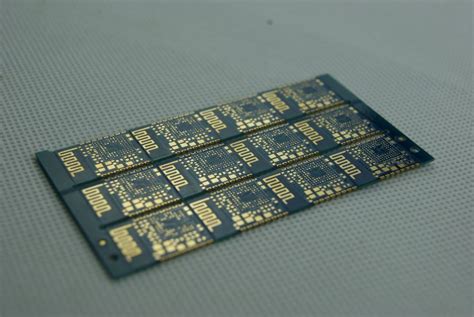
Best Vendors for Small-Batch PCB Projects
When sourcing PCB manufacturing services for prototypes or limited-run designs, you’ll want vendors that balance flexibility, affordability, and technical capability. Leading PCB manufacturing companies like JLCPCB, PCBWay, and OSH Park specialize in low-volume orders, offering competitive PCB manufacturing cost structures tailored to hobbyists. For instance, JLCPCB’s $2-for-5-boards deal simplifies entry-level projects, while PCBWay provides customizable finishes like ENIG or HASL for improved durability.
These suppliers often integrate with platforms like DigiKey or Mouser, letting you sync component lists directly to streamline assembly. However, always verify their capabilities for handling 0.35mm pitch components—some may charge extra for fine-pitch soldering. If your project involves mixed-signal designs, consider Sierra Circuits, which combines PCB manufacturing business expertise with advanced testing options like flying probe or AOI.
For cost-sensitive builds, Aisler and Bay Area Circuits offer tiered pricing based on board complexity, though lead times may stretch beyond two weeks during peak periods. Prioritize vendors with transparent quoting tools and instant DFM checks to avoid hidden fees. By aligning your needs with these specialized services, you can optimize both quality and budget for small-scale innovations.
How to Choose Hobbyist-Friendly PCB Suppliers
When selecting PCB manufacturing partners for hobby projects, start by evaluating their expertise in handling low-volume orders and complex designs. Many PCB manufacturing companies cater primarily to industrial clients, so prioritize vendors with clear documentation of hobbyist-specific capabilities, such as support for 0.35mm pitch components or flexible turnaround times. Verify whether they integrate with component distributors like Digikey or Mouser—this streamlines material sourcing and reduces errors in assembly.
Next, analyze PCB manufacturing cost structures. While budget-friendly options exist, ensure pricing transparency for services like solder mask application or impedance testing. Some providers offer tiered pricing for prototyping versus small-batch production, which aligns better with evolving project needs.
Don’t overlook the vendor’s PCB manufacturing business model. Platforms offering instant quoting tools, design rule checks, or community forums add value by simplifying workflows. Check reviews for responsiveness to design revisions—critical when iterating prototypes. Finally, confirm their quality assurance processes, such as automated optical inspection (AOI), to balance affordability with reliability. By weighing these factors, you’ll find partners that blend technical precision with the flexibility hobbyists require.
Affordable PCB Assembly for 0.35mm Pitch
When working with PCB manufacturing for tiny components like 0.35mm pitch ICs, balancing affordability and precision becomes critical. Many PCB manufacturing companies specialize in hobbyist-friendly assembly, but you’ll want to verify their capabilities for ultra-fine-pitch soldering. Look for vendors that use advanced stencil printing and automated optical inspection (AOI) to ensure reliable connections without inflating PCB manufacturing cost.
For projects requiring tight tolerances, prototype-friendly services are ideal—these often allow smaller batches (as low as 5-10 boards) with no upfront tooling fees. Some providers integrate directly with component distributors like DigiKey or Mouser, streamlining material sourcing and reducing errors in BOM (Bill of Materials) management. This integration is especially useful when dealing with miniaturized parts, as even minor mismatches can derail functionality.
To optimize your PCB manufacturing business case, compare vendors on both technical specs and pricing tiers. For instance, JLCPCB and PCBWay offer competitive rates for 0.35mm pitch assembly, while services like OSH Park focus on high-density designs. Always request design-for-manufacturing (DFM) feedback to avoid costly revisions. Remember: low cost doesn’t have to mean low quality—prioritize suppliers with transparent quality controls and proven expertise in fine-pitch soldering.
Conclusion
When navigating the world of PCB manufacturing for hobbyist projects, balancing PCB manufacturing cost with quality remains paramount. While many PCB manufacturing companies cater to industrial-scale orders, a growing number now specialize in small-batch, hobbyist-friendly solutions that integrate seamlessly with suppliers like Digikey or Mouser. These vendors excel in handling 0.35mm pitch components while offering transparent pricing models—critical for staying within budget without compromising precision.
Your choice ultimately hinges on aligning a vendor’s capabilities with your project’s technical demands. For instance, some PCB manufacturing business models prioritize rapid prototyping, while others focus on cost-effective assembly for complex designs. Always verify their material quality, turnaround times, and support for third-party component sourcing. By weighing these factors, you’ll not only streamline your workflow but also ensure your prototypes evolve into reliable, functional builds. Whether you’re iterating a design or scaling up production, the right partner can turn intricate concepts into tangible results.
Frequently Asked Questions
How does PCB manufacturing cost differ between hobbyist and industrial projects?
Hobbyist PCB manufacturing companies often offer tiered pricing, with lower costs for small batches (5-10 boards). Industrial projects typically require bulk orders, reducing per-unit fees but increasing upfront investment. For prototypes, expect $2-$5 per board, while complex designs with 0.35mm pitch components may cost 20-30% more.
What should you prioritize when selecting PCB manufacturing business partners?
Focus on vendors specializing in small-batch flexibility and assembly services for tiny components. Verify their compatibility with platforms like Digikey/Mouser for seamless part sourcing. Transparent PCB manufacturing cost breakdowns and design rule checks (DRCs) are critical to avoid hidden fees.
Can hobbyists access assembly services for ultra-fine-pitch components?
Yes, several PCB manufacturing providers now support 0.35mm pitch assembly, though you’ll need to confirm their equipment capabilities. Some vendors offer “partial assembly” options, letting you handle simpler components manually to reduce costs.
How do integrated platforms like Digikey/Mouser simplify orders?
Direct integration allows automatic BOM (bill of materials) validation, ensuring component availability and reducing lead times. This is especially useful for hobbyists managing complex PCB manufacturing business logistics without dedicated procurement teams.
Ready to Start Your PCB Project?
For tailored solutions in hobbyist-friendly PCB manufacturing, please click here to explore AndwinPCB’s services. Their platform supports small batches, 0.35mm pitch assembly, and real-time cost calculators to align with your budget.