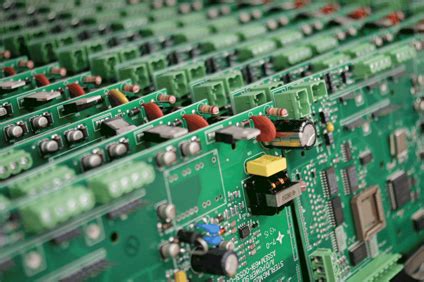
Top PCB Assembly Companies to Streamline Your Production Needs
Key Takeaways
When evaluating PCB assembly companies for your manufacturing needs, it is essential to consider several key factors that can significantly impact the overall efficiency and quality of your production process. Firstly, the experience and technical prowess of a given company in the field of PCBA can greatly influence their ability to handle complex projects, ensuring that they meet industry standards while adhering to tight deadlines. Additionally, companies offering cutting-edge technology and innovative solutions are often at the forefront of the PCB assembly industry, capable of providing enhanced capabilities such as advanced automation and precision in assembly techniques.
Furthermore, it is vital to assess a company’s reputation through customer reviews and case studies, which can provide insights into their reliability and consistency in delivering high-quality products. A strong focus on quality control processes within the manufacturing environment further indicates a commitment to maintaining standards that resonate well with industry expectations. Lastly, evaluating scalability options is crucial; as your production needs grow or change, working with a PCB assembly partner that can adapt seamlessly will ensure continuity and minimize disruptions. By keeping these attributes in mind, businesses can make informed decisions in selecting a PCBA provider that aligns with their operational goals.
Introduction to PCB Assembly and Its Importance in Manufacturing
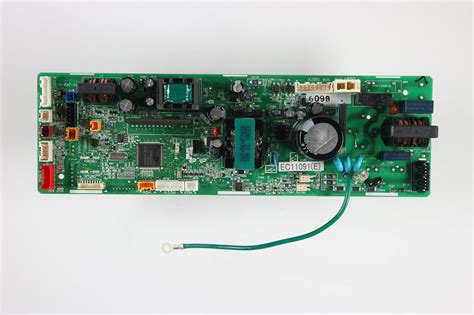
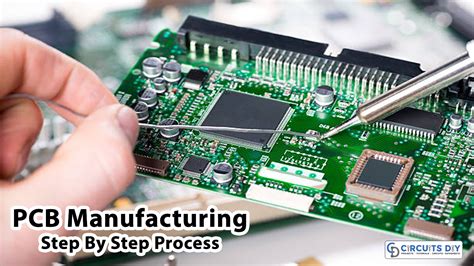
In today’s fast-paced technological landscape, PCB assembly plays a crucial role in bringing electronic devices to life. PCBs, or printed circuit boards, serve as the backbone of most electronic products, providing the necessary connections for components and enabling them to function as intended. The pcb assembly process involves a series of meticulous stages, from design and fabrication to assembly and testing, ensuring that each board meets strict quality standards. This complexity highlights the importance of selecting a competent partner that specializes in pcba (printed circuit board assembly). A well-executed pcb assembly process contributes not only to the reliability of electronic applications but also enhances overall production efficiency. Companies that invest time in choosing the right PCB assembly service provider can significantly improve their supply chain management and reduce time-to-market. Thus, recognizing the significance of pcba is essential for manufacturers striving to innovate and remain competitive in their respective industries.
Criteria for Selecting the Best PCB Assembly Companies
When seeking to collaborate with the best PCB assembly companies, it’s crucial to evaluate several key criteria that will directly impact your production needs. First and foremost, consider the experience and reputation of the PCB assembly firm. Companies with a proven track record have likely honed their expertise in handling various complexities involved in PCBA, ensuring that they can meet demanding specifications and tight deadlines.
Next, assess the range of services offered. A comprehensive PCB assembly provider should be capable of managing everything from prototype development to full-scale production, including testing and quality assurance measures. This versatility can significantly simplify your supply chain management, allowing for more cohesive operations.
Furthermore, analyzing a company’s technological capabilities is vital. Look for firms that utilize cutting-edge equipment and advanced processes; this usually indicates efficiency in production and adherence to high standards of quality. As noted by industry experts, > “Investing in advanced machinery often leads to quicker turnaround times and better reliability.”
Cost should not be overlooked, but remember that the cheapest option is not always the best one. Balance cost with quality; it may be worthwhile to invest a little more initially if it results in enhanced performance or lower failure rates down the line.
Lastly, customer support is essential in maintaining an effective partnership. Ensure that your chosen PCB assembly company provides robust support services and is responsive to any issues that may arise during production.
| Criteria | Importance |
|---|---|
| Experience & Reputation | Indicates reliability & proven track record |
| Range of Services | Ensures a seamless production process |
| Technological Capabilities | Contributes to efficiency & product integrity |
| Cost | Needs balancing with quality considerations |
| Customer Support | Facilitates smooth problem resolution and ongoing collaboration |
By considering these criteria thoroughly when selecting your PCBA partner, you can set a solid foundation for successful manufacturing outcomes.
Top PCB Assembly Companies: A Comprehensive Overview
In the fast-evolving world of electronics, PCB assembly (or PCBA) plays a crucial role in ensuring that devices operate effectively and efficiently. Identifying the right partners in this field can significantly impact the success of your production processes. The top PCB assembly companies are recognized for their commitment to quality, speed, and innovative solutions that meet the diverse needs of various industries. These companies excel at integrating advanced technologies and manufacturing techniques that enhance performance while reducing costs. A comprehensive understanding of these industry leaders not only aids businesses in streamlining their manufacturing operations but also empowers them to remain competitive in a global market. By leveraging the expertise of these PCBA specialists, manufacturers can ensure that their products are assembled with precision and reflect the highest standards of quality—attributes essential for success in today’s technology-driven landscape. The comprehensive overview of these leading firms emphasizes their strengths, enabling companies to make informed decisions when selecting a partner for their next pcb assembly project.
Innovations in the PCB Assembly Industry
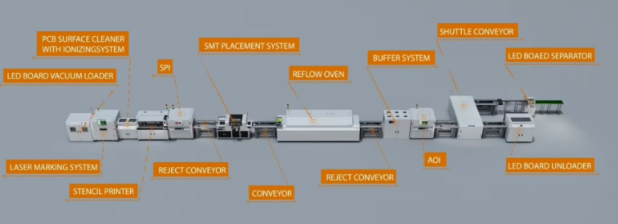
In recent years, the pcb assembly industry has witnessed a wave of innovative advancements that are transforming the way PCBA processes are executed. One significant trend is the integration of automated technologies, which not only enhances the efficiency of assembly lines but also reduces the likelihood of human error. These automated systems leverage artificial intelligence and machine learning to optimize production schedules, monitor quality in real time, and streamline workflows. Additionally, manufacturers are increasingly adopting additive manufacturing techniques such as 3D printing for rapid prototyping of pcb assembly components, allowing for quicker iterations and better design flexibility.
Another notable innovation is the advancement in materials used in pcba. The development of high-density interconnect (HDI) technology enables designers to create smaller form factors that still offer increased functionality. This is particularly important in industries where space is at a premium, such as telecommunications and consumer electronics. The shift towards more environmentally sustainable materials also highlights a growing commitment within the industry to reduce waste and have a lesser ecological footprint.
Furthermore, smart manufacturing practices are gaining traction. By implementing Internet of Things (IoT) solutions within production facilities, manufacturers can achieve greater connectivity between machines, leading to enhanced operational visibility and predictive maintenance capabilities. This integration not only improves overall efficiency but also ensures that companies can respond quickly to changing market demands.
With these innovations reshaping the landscape of pcb assembly, manufacturers are well-positioned to meet the evolving challenges of modern production environments. Keeping abreast of these trends will be crucial for organizations seeking to optimize their PCBA processes and stay competitive in an ever-changing marketplace.
Comparing Quality and Efficiency Among Leading PCB Manufacturers
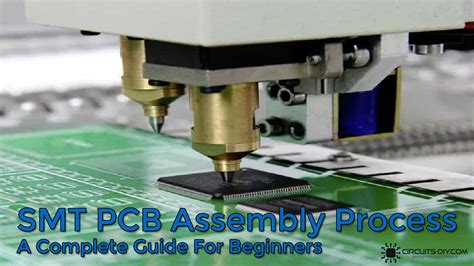
In the ever-expanding landscape of electronics, the choice of a PCB assembly partner can dramatically influence both the quality and efficiency of production processes. When evaluating potential manufacturers, it is essential to consider their experience and technical capabilities in handling complex designs and various materials. Leading PCB assembly companies have adopted modern manufacturing techniques that not only enhance efficiency but also ensure high-quality outputs. For example, the integration of automated processes can significantly reduce human error and expedite production time, while rigorous quality control measures guarantee that the finished products meet stringent industry standards. Additionally, manufacturers known for their innovative approaches often leverage advanced technologies such as surface mount technology (SMT) and through-hole technology, which can further streamline assembly processes. By thoroughly comparing these attributes in leading PCBA companies, manufacturers can identify partners who not only fulfill their current needs but are also capable of adapting to future challenges in the rapidly evolving marketplace.
Case Studies: Success Stories from Top PCB Assembly Companies
In the realm of PCB assembly, various companies have demonstrated exceptional prowess through notable success stories that highlight their innovative approaches and reliable solutions. For instance, one leading PCB assembly company partnered with a tech startup to develop a cutting-edge device, showcasing their ability to adapt to rapidly changing market demands. They implemented advanced techniques in their PCBA processes, resulting in a significant reduction in production time while maintaining high quality standards. Another example can be seen with a major player that optimized their production workflow by integrating smart automation, which not only enhanced efficiency but also minimized human error in the assembly stage. These case studies illustrate how the right PCB assembly partnerships can empower businesses to meet stringent production schedules and achieve superior product quality. Such success stories provide valuable insights into the necessary attributes that contribute to effective collaboration in PCBA, ultimately reinforcing the importance of choosing a competent partner for your manufacturing needs.
The Future of PCB Assembly: Trends to Watch
The landscape of PCB assembly is continuously evolving, driven by technological advancements and shifting market demands. As we look ahead, several key trends are emerging that are set to shape the future of PCBA. One prominent trend is the increasing adoption of automation and robotics in the assembly process. This shift not only enhances precision but also significantly boosts production efficiency, allowing companies to meet growing consumer expectations for speed and quality. Additionally, the integration of artificial intelligence (AI) within manufacturing systems is facilitating smarter supply chain management and better predictive maintenance, ultimately reducing downtime.
Another vital focus area is sustainability. As environmental concerns gain traction globally, PCB assembly companies are prioritizing eco-friendly practices in their operations, such as minimizing waste and optimizing materials for production. This proactive approach not only addresses ecological issues but also aligns with consumer preferences for environmentally responsible products. Furthermore, advancements in materials science are leading to the development of lightweight, yet durable substrates that can significantly improve device performance while lowering manufacturing costs.
Additionally, more companies are embracing customization to cater to niche markets or specialized applications. This trend reflects a broader shift towards personalized electronics, where PCB assembly processes can be tailored to meet unique specifications without compromising quality or efficiency.
In summary, the future of PCB assembly looks promising as industry leaders integrate innovative technologies and sustainable practices into their processes. By staying informed about these trends and adapting accordingly, manufacturers can enhance their competitive edge in an increasingly dynamic marketplace while continuing to deliver high-quality PCBA solutions that meet diverse customer needs.
Conclusion: Choosing the Right Partner for Your PCB Needs
When it comes to PCB assembly, the choice of a partner can significantly impact the overall success of your manufacturing projects. Selecting a top-tier PCB assembly company is more than just opting for competitive pricing; it includes assessing their capability to meet quality standards and production timelines. Companies specializing in PCBA services often provide a range of capabilities, from prototype development to high-volume production runs. As you consider potential partners, inquire about their quality control processes and certifications, which are crucial in ensuring that your final products meet industry specifications. Additionally, evaluating their technological advancements can reveal how they stay ahead of the curve in the fast-evolving world of electronic manufacturing. With numerous PCB assembly companies vying for your attention, it is essential to analyze their experience, reputation, and previous success stories in similar projects. A strategic partnership can lead not only to enhanced efficiency but also to innovative solutions tailored to your specific needs.
Conclusion: Choosing the Right Partner for Your PCB Needs
In the realm of electronics manufacturing, selecting the right partner for PCB assembly (or PCBA) is crucial for ensuring a successful production process. Quality should always be a top priority, as it directly impacts the reliability and performance of your products. Consider companies that not only focus on high standards but also offer innovative solutions that can cater to your specific needs. Efficiency is another essential factor; find partners that can guarantee timely delivery without compromising on quality. Moreover, it’s beneficial to look at past case studies of these companies to gauge their success in similar projects. By examining how well they have adapted to industry trends and challenges, you can make a more informed decision. Ultimately, choosing a partner that aligns with your production goals will facilitate a smoother manufacturing process and enhance your overall capabilities in the market.
FAQs
What is PCB assembly and why is it important?
PCB assembly (or PCBA) is the process of connecting electronic components to a printed circuit board (PCB) to create a functional electronic device. Its importance lies in the fact that it enables the creation of complex electrical systems that power a wide array of devices, from simple household gadgets to advanced industrial machinery.
How do I choose the right PCB assembly company?
When selecting a pcb assembly company, consider factors such as experience, technology used, quality certifications, and customer reviews. The right partner should have a proven track record in delivering high-quality assemblies efficiently and on time.
What should I look for in the quality of PCB assembly?
A quality PCBA should demonstrate meticulous attention to detail in soldering techniques, component placement accuracy, and adherence to manufacturing standards. Additionally, look for companies that utilize automated inspection systems to detect potential defects before mass production.
What are some benefits of outsourcing PCB assembly?
Outsourcing pcb assembly can lead to cost savings, access to advanced manufacturing technologies, and improved production efficiency. It allows companies to focus on their core competencies while leveraging the expertise of specialized manufacturers.
How do technological innovations impact PCB assembly?
Technological advancements such as surface mount technology (SMT), automated soldering processes, and AI-driven quality control are revolutionizing PCBA, making it faster and more reliable. Staying updated with these innovations can help companies maintain competitiveness in the ever-evolving market.