Top PCB Manufacturers in the World: A Comprehensive Guide
Key Takeaways
When it comes to pcb manufacturing, selecting the right partner is crucial for the success of your projects. You should consider several factors that can significantly influence your choice. First, assess the pcb manufacturing companies’ reputation and experience in the field; a strong track record indicates reliability and quality. Next, think about their capabilities—do they provide a diverse range of services? For instance, advanced technologies like multilayer boards or specialized materials can have a major impact on your project’s outcome.
Understanding pcb manufacturing cost is another essential aspect. Prices can vary widely based on the complexity of designs and materials used, so get detailed quotes from multiple suppliers to ensure you’re making an informed decision. Additionally, good customer support is integral to a successful partnership; companies that prioritize transparent communication can assist you better through any technical challenges or modifications in design during the pcb manufacturing business process.
Exploring innovative features from varying pcb manufacturing companies can also provide insights into how they differentiate themselves in the marketplace. To help with this selection process, consider creating a comparative table of key offerings from top manufacturers available globally.
| Feature | Manufacturer A | Manufacturer B | Manufacturer C |
|---|---|---|---|
| Years in Business | 10 | 15 | 8 |
| Specialization | Multilayer Boards | Quick Turnaround | High Volume Runs |
| Certifications | ISO 9001 | IPC-A-610 | UL Listed |
| Customer Support | 24/7 | Business Hours | Email Only |
Taking these points into account will make it easier for you to identify the best pcb manufacturer in the world for your specific needs. To learn more about cutting-edge services and technology related to PCB production, check out resources from leading companies like Andwin PCB.
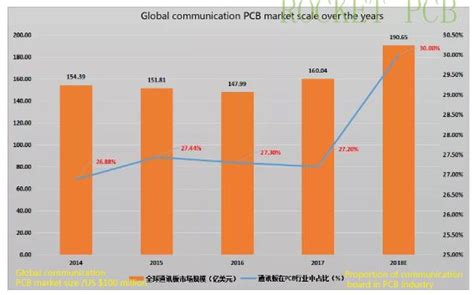
Overview of the PCB Manufacturing Industry
The pcb manufacturing industry plays a crucial role in today’s technologically driven world. With the rising demand for electronic devices, understanding the landscape of pcb manufacturing companies is essential for making informed decisions. Quality pcb manufacturing encompasses a range of processes, from PCB design to assembly, each influencing the final product’s integrity and functionality. Various factors determine the pcb manufacturing cost, which can include materials, volume, complexity of design, and additional services such as testing or prototypes. When engaging with a pcb manufacturing business, it’s vital to consider their capabilities in terms of technology and expertise to ensure they can meet your specific needs, whether it’s for small-scale prototypes or large production runs. As you explore potential partners in this industry, keep an eye on their previous work and customer satisfaction levels to ascertain their reliability as a manufacturer. This thorough understanding will empower you to select a partner that aligns with your project’s requirements and helps drive innovation in your electronic endeavors.
Criteria for Selecting a PCB Manufacturer
When seeking to partner with a PCB manufacturing company, certain criteria should guide your decision-making process to ensure you choose a suitable manufacturer for your electronic projects. First, consider the manufacturer’s reputation in the industry; top-rated PCB manufacturing companies often have proven track records of reliability and quality. Look for certifications such as IPC or ISO standards that demonstrate commitment to excellence in their processes and products. Additionally, assess their production capabilities, including the types of PCB manufacturing services offered—some manufacturers may specialize in specific technologies, such as multilayer or flexible PCBs, which might align with your project’s needs.
Another key aspect is understanding the PCB manufacturing cost; be sure to request detailed quotes and analyze what is included in those costs. High-quality production can often justify higher prices, so balance cost against value. Also, consider their customer support and communication style; a responsive manufacturer will facilitate smoother project management and address any potential issues promptly.
Finally, it’s crucial to evaluate the manufacturer’s technological capabilities—look for those who invest in modern equipment and innovative practices that can support various aspects of the PCB manufacturing business. By focusing on these criteria, you can better position yourself to choose a manufacturer that aligns with your specific project requirements and long-term goals.
“A successful partnership with your PCB manufacturer hinges on clear communication and mutual understanding of expectations.”
Top 5 PCB Manufacturers You Should Consider
When embarking on the journey of selecting the right partner for your PCB manufacturing needs, it’s vital to comprehend the landscape of PCB manufacturing companies available today. The best choice often hinges on specific criteria such as quality, reliability, and customer support. As you evaluate potential partners, consider those who demonstrate a strong foothold in the industry and have earned a reputation for excellence. These manufacturers not only deliver high-quality products but also provide transparent information regarding pcb manufacturing cost, ensuring you understand what you are investing in. Look for companies that integrate innovative technologies into their pcb manufacturing business, as this can significantly enhance efficiency and product performance. Moreover, their ability to adapt to industry trends can be indicative of their long-term viability. The top manufacturers in this space often offer a mix of customization options and standardized solutions, which can be tailored to meet your unique requirements. As you explore these options, keep these factors in mind to ensure you choose the best partner for your electronic needs.
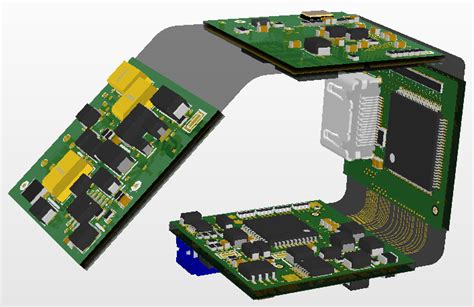
Innovations and Technologies in PCB Manufacturing
Innovations and Technologies in PCB Manufacturing
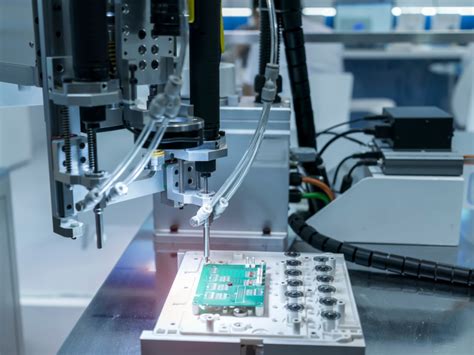
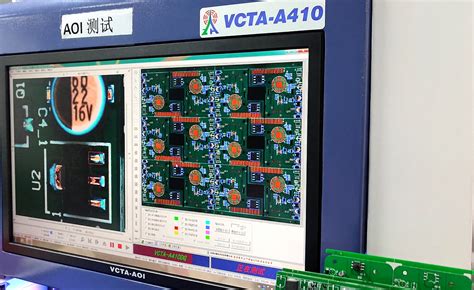
The pcb manufacturing industry is undergoing rapid transformation due to advancements in technology and innovative processes. In recent years, pcb manufacturing companies have embraced automation and artificial intelligence to enhance production efficiency and accuracy. These technologies enable manufacturers to minimize human error, reduce lead times, and lower manufacturing costs. Special emphasis is placed on the development of advanced materials, such as flexible PCBs, which allow for versatile applications in various electronic devices. You will also notice a growing trend towards environmentally sustainable practices, with companies implementing eco-friendly processes that reduce waste and carbon footprints. Furthermore, the rise of the Internet of Things (IoT) has spurred demand for high-density interconnect (HDI) boards, pushing pcb manufacturing to innovate continuously to meet these specifications. By choosing a partner that prioritizes such innovations, you ensure that your pcb manufacturing business remains competitive in a rapidly evolving market while benefiting from the latest technologies tailored to your electronic needs.
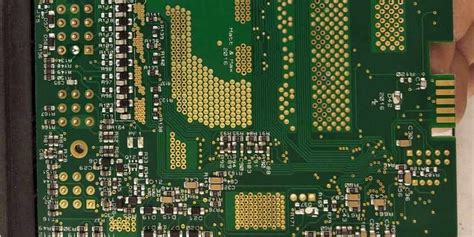
Comparative Analysis of Leading PCB Manufacturers
When exploring the landscape of PCB manufacturing, you will find a diverse range of PCB manufacturing companies each offering unique advantages. As you evaluate these leaders in the industry, it’s essential to consider several factors such as their capability to meet your specific needs, the complexity of your projects, and overall pcb manufacturing cost. For example, some manufacturers specialize in high-volume production, which may significantly lower costs if you require large quantities. Others may focus on rapid prototyping or low-volume orders, which could be advantageous for startups or bespoke projects. Additionally, understanding each company’s technological advancements can give insight into their efficiency and product quality—some might utilize cutting-edge technologies that enhance both design flexibility and reliability in the pcb manufacturing business. Ultimately, your decision should align not only with cost considerations but also with the quality assurance processes and customer service reputation offered by these leading manufacturers. As you delve into their offerings, take note of how their specific strengths match your operational goals and project demands.
Customer Support and Services Offered by PCB Suppliers
When selecting a PCB manufacturer, it’s essential to consider the level of customer support and additional services they provide. Many leading PCB manufacturing companies offer comprehensive technical support to guide you through the design and production phases. This includes assistance with design for manufacturability (DFM), which is crucial for ensuring that your designs can be produced efficiently and cost-effectively. Furthermore, the best manufacturers provide transparent communication regarding pcb manufacturing costs, allowing you to budget effectively while avoiding unexpected expenses.
In addition, look for suppliers who offer customizable options, such as varying materials, thicknesses, and finishes to suit your specific requirements. Responsive customer service is also a significant factor; manufacturers who are quick to address concerns or questions can make your pcb manufacturing business run more smoothly. They often provide online portals where you can track orders in real-time, receive updates on production timelines, and access documentation related to your projects. By prioritizing these aspects of customer support, you can ensure a productive partnership with your chosen PCB manufacturer, ultimately enhancing the success of your electronic endeavors.
Future Trends in the PCB Industry
The pcb manufacturing industry is increasingly influenced by evolving technologies and market demands. As you explore future trends, you will notice a growing emphasis on miniaturization, which drives the need for advanced PCB designs that can support more functionalities while occupying less space. Additionally, the integration of Internet of Things (IoT) devices is prompting pcb manufacturing companies to develop smarter, more connected boards that enhance performance and increase efficiency. Sustainability is also taking center stage, leading many manufacturers to adopt eco-friendly materials and practices aimed at reducing the pcb manufacturing cost and overall environmental impact. Moreover, advancements in automation and AI are streamlining production processes, allowing for quicker turnaround times and higher-quality products—a crucial aspect for those involved in the pcb manufacturing business. Staying informed about these trends will not only help you choose the right partner but also ensure you remain competitive in an ever-evolving marketplace.
Conclusion
In navigating the complexities of the pcb manufacturing landscape, it’s essential to understand the vast array of options available through various pcb manufacturing companies. The pcb manufacturing cost can vary dramatically depending on several factors such as the materials used, the complexity of the design, and the volume of production required. As you embark on your journey to choose a partner for your pcb manufacturing business, prioritize companies that not only meet your technical specifications but also excel in customer support and innovation. These qualities not only enhance your production efficiency but also foster a smoother collaboration process. Keep in mind that making an informed decision now can lead to significant cost savings and operational advantages in the long run, ensuring your projects are completed on time and within budget.
FAQs
What is PCB manufacturing?
PCB manufacturing refers to the process of creating printed circuit boards (PCBs), which are essential for connecting electronic components and enabling functionality in various devices.
How do I choose the right PCB manufacturing company?
When selecting a PCB manufacturing company, consider factors such as experience, production capacity, certifications, and their ability to meet your specific project requirements while maintaining competitive pcb manufacturing cost.
What are the common materials used in PCB manufacturing?
Common materials include FR-4, polyimide for flexible PCBs, and copper for conductive pathways. Each material has its own set of properties that affect performance and cost in your pcb manufacturing business.
What technologies are used in PCB manufacturing?
Innovative technologies like surface mount technology (SMT), through-hole technology, and advanced imaging techniques are utilized by leading pcb manufacturing companies to enhance precision and efficiency.
How does PCB manufacturing cost vary?
The pcb manufacturing cost can vary significantly based on factors like the complexity of the design, volume of production, material selection, and finish requirements. Bulk orders often lead to cost reductions.