Trackwise flex pcb
Benefits Of Using Trackwise Flex PCB In Modern Electronics
Trackwise Flex PCB, a revolutionary advancement in the field of printed circuit boards, has garnered significant attention in modern electronics due to its numerous benefits.
This innovative technology, which involves the use of flexible materials to create circuit boards, offers a range of advantages that are transforming the design and functionality of electronic devices. As we delve into the benefits of Trackwise Flex PCB, it becomes evident that its impact on the electronics industry is profound and far-reaching.
One of the primary benefits of Trackwise Flex PCB is its ability to enhance the design flexibility of electronic devices.
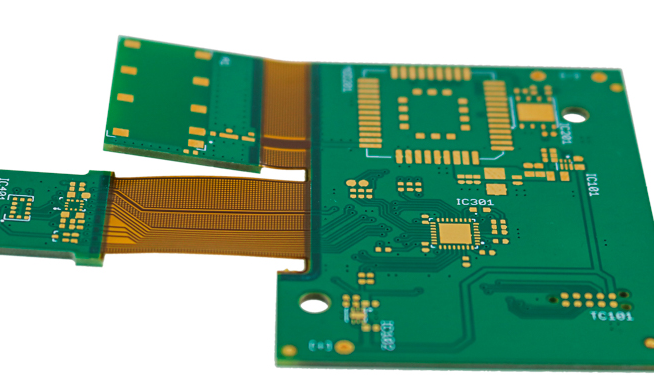
Traditional rigid PCBs often impose limitations on the design and form factor of electronic products. In contrast, Trackwise Flex PCB allows for the creation of complex, three-dimensional shapes that can be bent, folded, and twisted without compromising the integrity of the circuitry. This flexibility enables designers to develop more compact and lightweight devices, which is particularly advantageous in applications where space is at a premium, such as in wearable technology and medical devices.
In addition to design flexibility, Trackwise Flex PCB offers significant improvements in reliability and durability.
The use of flexible materials reduces the risk of mechanical stress and fatigue, which are common issues in rigid PCBs. This is especially important in applications that involve constant movement or vibration, such as automotive and aerospace industries. The ability of Trackwise Flex PCB to withstand harsh environmental conditions and mechanical stress ensures that electronic devices remain functional and reliable over extended periods.
Another notable benefit of Trackwise Flex PCB is its potential for cost savings.
The manufacturing process for flexible PCBs can be more efficient and cost-effective compared to traditional rigid PCBs. The ability to produce longer circuits on a single piece of flexible material reduces the need for multiple interconnections and connectors, which can be both time-consuming and expensive. Furthermore, the lightweight nature of flexible PCBs can lead to reductions in shipping and handling costs, as well as lower energy consumption during the manufacturing process.
The versatility of Trackwise Flex PCB also extends to its applications in various industries.
In the consumer electronics sector, flexible PCBs are used in smartphones, tablets, and other portable devices, where their thin and lightweight properties are highly valued. In the medical field, flexible PCBs are employed in diagnostic and monitoring equipment, where their ability to conform to the human body enhances patient comfort and device performance. Additionally, in the automotive industry, flexible PCBs are utilized in advanced driver-assistance systems (ADAS) and infotainment systems, where their durability and reliability are critical.
Moreover, Trackwise Flex PCB contributes to the advancement of emerging technologies.
As the demand for Internet of Things (IoT) devices continues to grow, the need for compact, reliable, and efficient circuit boards becomes increasingly important. Flexible PCBs are well-suited to meet these requirements, enabling the development of innovative IoT solutions that can be seamlessly integrated into various environments. Similarly, in the realm of wearable technology, flexible PCBs play a crucial role in creating devices that are comfortable, lightweight, and capable of withstanding daily wear and tear.
In conclusion, the benefits of using Trackwise Flex PCB in modern electronics are manifold. From enhancing design flexibility and improving reliability to offering cost savings and enabling advancements in various industries, this technology is poised to play a pivotal role in the future of electronic device development. As the electronics industry continues to evolve, the adoption of Trackwise Flex PCB is likely to accelerate, driving innovation and shaping the next generation of electronic products.
Design Considerations For Trackwise Flex PCB
When designing Trackwise flex PCBs, several critical considerations must be taken into account to ensure optimal performance and reliability. The unique properties of flexible printed circuit boards (PCBs) necessitate a thorough understanding of both material selection and design techniques.
One of the primary factors to consider is the choice of substrate material.
Polyimide is commonly used due to its excellent thermal stability, flexibility, and electrical properties. However, depending on the specific application, other materials such as polyester or liquid crystal polymer may be more appropriate.
In addition to material selection, the layout of the circuit traces is crucial.
The flexibility of the PCB allows for more complex and compact designs, but it also introduces potential issues such as signal integrity and mechanical stress. To mitigate these issues, designers should employ techniques such as controlled impedance routing and the use of ground planes. Controlled impedance routing ensures that the signal traces maintain consistent electrical characteristics, which is essential for high-speed applications. Ground planes, on the other hand, help to reduce electromagnetic interference (EMI) and improve overall signal integrity.
Another important consideration is the bend radius of the flex PCB.
The bend radius is the minimum radius that the PCB can be bent without causing damage to the circuit traces or the substrate material. A smaller bend radius allows for more compact designs, but it also increases the risk of mechanical failure. To determine the appropriate bend radius, designers must consider factors such as the thickness of the substrate material, the width and spacing of the circuit traces, and the number of layers in the PCB. Additionally, it is essential to avoid placing vias or other stress concentrators in areas that will be subjected to bending.
Thermal management is another critical aspect of Trackwise flex PCB design.
Flexible PCBs are often used in applications where space is limited, and heat dissipation can be a significant challenge. To address this issue, designers can incorporate thermal vias, heat sinks, and other cooling mechanisms into the PCB layout. Thermal vias are small holes that connect the different layers of the PCB, allowing heat to be transferred away from critical components. Heat sinks, on the other hand, are external devices that absorb and dissipate heat from the PCB.
Furthermore, the choice of adhesive materials is essential for ensuring the long-term reliability of the flex PCB.
The adhesive must be able to withstand the mechanical stresses and thermal cycling that the PCB will be subjected to during its operational life. Commonly used adhesives include acrylic, epoxy, and silicone, each with its own set of advantages and disadvantages. For example, acrylic adhesives offer excellent flexibility and adhesion but may not provide the same level of thermal stability as epoxy adhesives.
Finally, it is important to consider the manufacturing process when designing Trackwise flex PCBs.
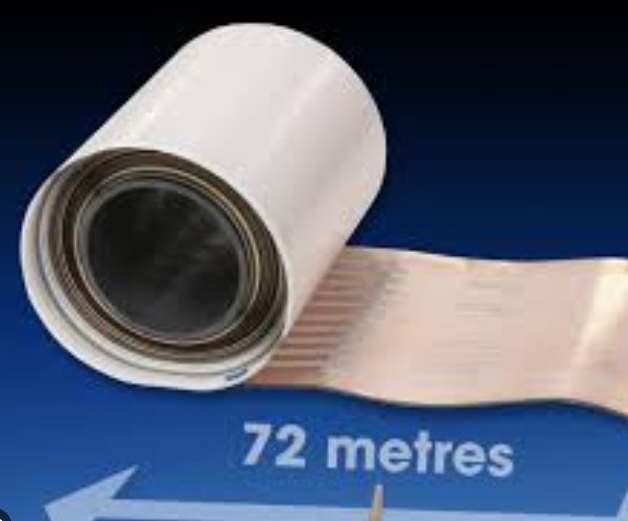
The unique properties of flexible PCBs require specialized manufacturing techniques, such as roll-to-roll processing and laser cutting. These techniques can help to improve the precision and consistency of the final product, but they also introduce additional design constraints. For example, the use of laser cutting may require the inclusion of fiducial marks to ensure accurate alignment during the manufacturing process.
In conclusion, designing Trackwise flex PCBs involves a careful balance of material selection, circuit layout, mechanical considerations, thermal management, adhesive choice, and manufacturing techniques. By taking these factors into account, designers can create flexible PCBs that meet the specific requirements of their applications while ensuring long-term reliability and performance.
Trackwise Flex PCB: Enhancing Durability And Performance
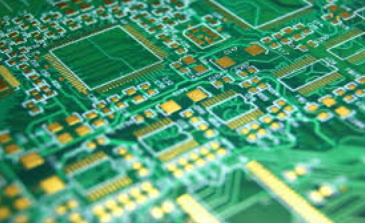
Trackwise flex PCBs, or flexible printed circuit boards, represent a significant advancement in the realm of electronic design and manufacturing. These innovative components are engineered to offer enhanced durability and performance, addressing the growing demands of modern electronic applications. As technology continues to evolve, the need for more reliable and efficient electronic systems becomes increasingly critical. Trackwise flex PCBs are at the forefront of this evolution, providing a versatile solution that meets the stringent requirements of various industries.
One of the primary advantages of Trackwise flex PCBs is their inherent flexibility.
Unlike traditional rigid PCBs, which are limited by their inflexible nature, flex PCBs can be bent, folded, and twisted without compromising their functionality. This flexibility allows for more compact and intricate designs, enabling engineers to create smaller and lighter devices. Consequently, this is particularly beneficial in applications where space is at a premium, such as in medical devices, wearable technology, and aerospace systems.
In addition to their flexibility, Trackwise flex PCBs are known for their exceptional durability.
The materials used in their construction are designed to withstand harsh environmental conditions, including extreme temperatures, humidity, and mechanical stress. This robustness ensures that the PCBs maintain their performance and reliability over extended periods, even in challenging operating environments. As a result, they are an ideal choice for applications that require long-term dependability, such as automotive electronics and industrial control systems.
Moreover, the performance of Trackwise flex PCBs is further enhanced by their ability to support high-density interconnects.
This capability allows for the integration of more components within a smaller footprint, leading to increased functionality and improved performance. The high-density interconnects also contribute to reduced signal loss and improved electrical performance, which are critical factors in high-speed and high-frequency applications. Therefore, Trackwise flex PCBs are well-suited for use in advanced communication systems, data centers, and other high-performance electronic systems.
Another notable feature of Trackwise flex PCBs is their ability to facilitate complex three-dimensional designs.
This capability is particularly advantageous in applications where traditional two-dimensional PCBs would be insufficient. By enabling three-dimensional configurations, flex PCBs can accommodate more sophisticated and compact designs, leading to enhanced performance and functionality. This is especially relevant in the development of next-generation consumer electronics, where the demand for more powerful and feature-rich devices continues to grow.
Furthermore, the manufacturing process of Trackwise flex PCBs is designed to be highly efficient and cost-effective.
Advanced fabrication techniques, such as roll-to-roll processing, allow for the production of large quantities of flex PCBs with consistent quality and precision. This scalability is essential for meeting the demands of high-volume production while maintaining competitive pricing. Additionally, the use of automated assembly processes ensures that the PCBs are manufactured with minimal defects, further enhancing their reliability and performance.
In conclusion, Trackwise flex PCBs offer a multitude of benefits that make them an indispensable component in modern electronic systems. Their flexibility, durability, high-density interconnects, and ability to support complex three-dimensional designs set them apart from traditional rigid PCBs. As technology continues to advance, the demand for more reliable, efficient, and compact electronic solutions will only increase. Trackwise flex PCBs are poised to meet these challenges, providing a robust and versatile solution that enhances the durability and performance of electronic devices across various industries.
Innovations In Trackwise Flex PCB Manufacturing Techniques
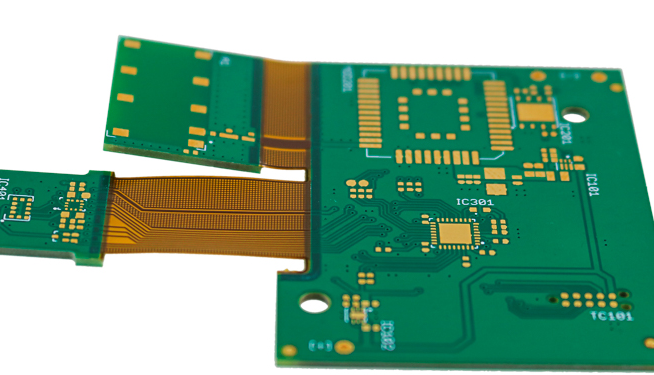
Trackwise flex PCBs, or flexible printed circuit boards, have revolutionized the electronics industry by offering unparalleled versatility and efficiency. These innovative components are essential in a wide range of applications, from consumer electronics to aerospace technology. The manufacturing techniques for Trackwise flex PCBs have seen significant advancements, driven by the need for more reliable, durable, and high-performance solutions. This article delves into the latest innovations in Trackwise flex PCB manufacturing techniques, highlighting the strides made in materials, processes, and design methodologies.
One of the most notable advancements in Trackwise flex PCB manufacturing is the development of new materials that enhance the performance and durability of these circuits.
Traditional rigid PCBs are often limited by their inability to withstand mechanical stress and environmental factors. In contrast, the latest flex PCBs utilize advanced polymers and composite materials that offer superior flexibility, thermal stability, and resistance to harsh conditions. These materials not only extend the lifespan of the PCBs but also enable their use in more demanding applications, such as medical devices and automotive systems.
In addition to material innovations, the manufacturing processes for Trackwise flex PCBs have also evolved significantly.
One key development is the adoption of additive manufacturing techniques, such as 3D printing, which allows for more precise and efficient production of complex circuit designs. This method reduces material waste and production time, leading to cost savings and increased scalability. Furthermore, additive manufacturing enables the creation of multi-layered flex PCBs with intricate geometries that were previously unattainable with traditional subtractive methods.
Another critical advancement in the manufacturing of Trackwise flex PCBs is the implementation of automated assembly and inspection systems.
Automation has streamlined the production process, reducing human error and ensuring consistent quality across large volumes of PCBs. Automated optical inspection (AOI) and X-ray inspection systems have become integral to the manufacturing process, allowing for the detection of defects and ensuring the integrity of the circuits. These technologies have significantly improved the reliability and performance of flex PCBs, making them more suitable for high-stakes applications.
Moreover, the design methodologies for Trackwise flex PCBs have also seen substantial improvements.
advanced computer-aided design (CAD) software now allows engineers to create highly optimized circuit layouts that maximize space efficiency and electrical performance. These tools enable the simulation of various environmental conditions and mechanical stresses, ensuring that the final product meets the required specifications. Additionally, the integration of artificial intelligence (AI) and machine learning algorithms into the design process has further enhanced the ability to predict and mitigate potential issues, leading to more robust and reliable flex PCBs.
The continuous innovation in Trackwise flex PCB manufacturing techniques has also led to the development of new applications and markets.
For instance, the miniaturization of electronic components has driven the demand for smaller, more flexible PCBs that can be integrated into wearable devices and implantable medical devices. Similarly, the automotive industry has embraced flex PCBs for their ability to withstand extreme temperatures and vibrations, making them ideal for use in advanced driver-assistance systems (ADAS) and electric vehicles.
In conclusion, the advancements in Trackwise flex PCB manufacturing techniques have significantly enhanced the performance, reliability, and versatility of these critical components. Through the development of new materials, the adoption of additive manufacturing, the implementation of automated systems, and the improvement of design methodologies, the industry has made great strides in meeting the ever-evolving demands of modern technology. As these innovations continue to progress, the potential applications for Trackwise flex PCBs will undoubtedly expand, further solidifying their role as a cornerstone of the electronics industry.