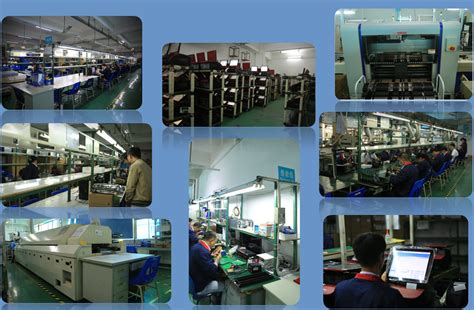
Transforming Technology: The Rise of Circuit Board Assembly Firms
Key Takeaways
The evolution of circuit board assembly companies has been marked by significant advancements, particularly in the realm of pcb assembly and pcba processes. As technology continues to progress, these firms have adopted innovative methods to enhance their production efficiency and precision. Automation plays a pivotal role in this transformation, allowing for faster assembly lines while minimizing human error. The incorporation of advanced robotics and AI-driven solutions has not only streamlined operations but also improved the overall quality of assembled products. Additionally, quality control practices have been refined, ensuring that each unit meets rigorous standards before reaching the market. Emerging trends such as miniaturization and IoT integration are further pushing the boundaries of what pcb assembly can achieve. By highlighting successful case studies, we can recognize how certain companies stand out due to their commitment to innovation and sustainable practices in their manufacturing processes. In this fast-paced world of electronics manufacturing, understanding these dynamics is essential for grasping how pcba continues to shape technological progress globally.
The History of Circuit Board Assembly: A Journey Through Innovation
The evolution of pcb assembly has been marked by significant milestones that transformed the landscape of electronics manufacturing. Initially, circuit boards were simple and manually assembled, limiting their application and efficiency. However, as technology advanced, so did the complexity and functionality of printed circuit boards (PCBs). The introduction of automated assembly techniques in the 1980s revolutionized the sector, allowing for high-volume production with greater precision.
The shift from through-hole to surface-mounted technology (SMT) represented a major leap forward in the pcba industry. This transition not only enhanced connectivity but also reduced the physical footprint of electronic devices, paving the way for compact gadgets that we rely on today. As a result, companies began adopting advanced robotics and sophisticated software tools to streamline their processes.
Here’s a brief overview of key developments in circuit board assembly:
| Year | Development | Impact |
|---|---|---|
| 1940s | Introduction of basic PCB technology | Enabled early computing devices |
| 1980s | Emergence of automated assembly | Boosted efficiency and volume |
| 1990s | Shift to SMT | Reduced size and improved performance |
| 2000s | Digital testing methods introduced | Enhanced quality control |
As we analyze this journey through innovation, it becomes clear that circuit board assembly companies have continuously adapted to meet the demands of rapidly changing technology landscapes. By integrating new techniques and materials into their processes, these firms not only drive efficiencies but also play a crucial role in shaping the future of electronics manufacturing. Through consistent investment in research and development, they remain at the forefront of technological advancement, assuring that their services are indispensable in today’s tech-driven world.
Key Technological Advancements in Circuit Board Assembly
The realm of pcb assembly has witnessed significant technological advancements that have reshaped the landscape of electronics manufacturing. One prominent shift has been the adoption of surface mount technology (SMT), which allows for a more compact design by enabling components to be mounted directly onto the surface of the circuit board. This technique not only optimizes space but also enhances manufacturing efficiency, allowing for higher-density assemblies and reducing production times. Additionally, advancements in automated assembly systems have further streamlined processes, facilitating increased precision in placement and soldering of components. The use of advanced inspection systems, such as automated optical inspection (AOI), ensures that each pcba adheres to strict quality standards by identifying defects at an early stage. Furthermore, the integration of internet of things (IoT) technologies enables real-time monitoring and data analytics during production, paving the way for smarter manufacturing environments that can adapt dynamically to varying operational demands. By harnessing these innovations, circuit board assembly companies are not only improving their efficiency but also driving forward the capabilities inherent in electronics manufacturing, ensuring they remain competitive in an ever-evolving market landscape.
The Role of Automation in Enhancing Manufacturing Efficiency
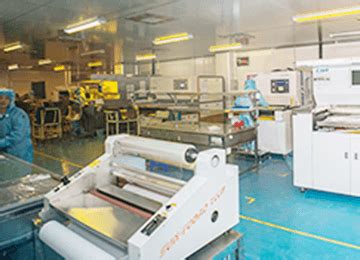
In the rapidly evolving landscape of pcb assembly, automation has emerged as a pivotal force driving enhancements in manufacturing efficiency. The integration of cutting-edge technologies into pcba processes not only reduces production time but also minimizes human error, ensuring superior quality and consistency. Automated systems, such as robotic arms and advanced inspection solutions, optimize every stage of circuit board assembly, from component placement to final testing. This level of precision allows manufacturers to meet the increasing demand for complex electronics while maintaining high throughput rates. Moreover, the data-driven capabilities of automation facilitate real-time monitoring, enabling companies to adjust processes instantaneously for improved productivity. As a result, circuit board assembly companies that embrace automation not only cut operational costs but also position themselves strategically in a competitive market that values both efficiency and innovation. In summary, the relentless advancement of automated technologies is reshaping the dynamics of pcb assembly, empowering businesses to scale their operations while enhancing overall service quality and responsiveness to market needs.
Quality Control Practices in Circuit Board Production
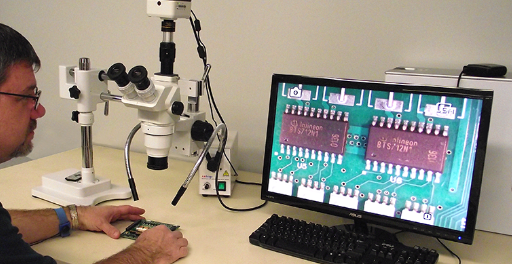
In the realm of pcb assembly, stringent quality control practices are paramount to ensuring the reliability and performance of electronic devices. The meticulous inspection processes employed by circuit board assembly companies serve as a foundation for delivering high-quality pcba products. This encompasses various methods such as automated optical inspection (AOI), functional testing, and X-ray analysis to identify defects at every stage of production. By integrating these practices, firms can effectively minimize errors and delays that may arise from production flaws. Furthermore, the use of standardized testing protocols enables these companies to maintain consistent output quality while complying with industry regulations. Emphasizing the importance of robust quality assurance systems not only enhances product reliability but also builds trust with clients in an increasingly competitive market. As technology evolves, so too does the need for innovation in quality control, pushing circuit board assembly firms to adopt real-time monitoring systems and predictive analytics aimed at preemptively identifying potential issues. Ultimately, these practices underscore a commitment to excellence that is crucial for sustaining growth and adaptation in the fast-paced landscape of electronics manufacturing.
Emerging Trends Shaping the Future of Electronics Manufacturing
The landscape of electronics manufacturing is undergoing a significant transformation, primarily driven by the evolving practices within circuit board assembly (also known as PCBA). One of the most prominent trends influencing this change is the integration of advanced technologies such as artificial intelligence and machine learning, which greatly enhance the accuracy and efficiency of pcb assembly processes. These innovations are not only streamlining production timelines but also minimizing human error, resulting in higher quality outputs. Furthermore, as consumer demands shift towards more customized solutions, circuit board assembly companies are increasingly adopting flexible manufacturing techniques that allow for rapid alterations and iterations in design.
The emphasis on sustainability is another crucial trend shaping the industry’s future. Many companies are prioritizing sustainable practices in their operations, focusing on reducing electronic waste and employing eco-friendly materials in their pcb assembly processes. This shift not only resonates with environmentally conscious consumers but also aligns with regulatory pressures aimed at reducing carbon footprints.
Additionally, the rise of 5G technology and the Internet of Things (IoT) is leading to an increased demand for more complex circuit designs. As such, firms that specialize in pcba are investing heavily in research and development to stay ahead of technological advancements and meet these new requirements. Overall, the future of electronics manufacturing appears promising as circuit board assembly firms adapt to emerging trends, ensuring they remain at the forefront of innovation while meeting market demands efficiently.
Case Studies: Successful Circuit Board Assembly Companies and Their Innovations
In the realm of pcb assembly, numerous companies have emerged as leaders by embracing innovative practices and technologies. For instance, XYZ Electronics has pioneered the integration of smart manufacturing technologies that leverage real-time data analytics to monitor assembly processes, significantly improving efficiency and precision in production. Similarly, ABC Technologies has adopted advanced automation in their pcba lines, implementing robotics to handle repetitive tasks, which not only streamlines operations but also minimizes human error, thus enhancing overall product quality. Furthermore, these companies are increasingly focusing on sustainability; for example, 123 Circuit Co. has implemented eco-friendly materials in their assembly processes and developed energy-efficient manufacturing methods. This commitment not only meets regulatory demands but also caters to the growing market preference for environmentally responsible products. The initiatives taken by these successful circuit board assembly companies illustrate a clear trajectory of innovation that is shaping the future landscape of electronics manufacturing, making it a dynamic field ripe for exploration and development.
Sustainable Practices in Circuit Board Manufacturing
The pcb assembly sector is increasingly recognizing the importance of sustainability as a vital aspect of its operations. Companies are now prioritizing sustainable practices that not only enhance environmental responsibility but also drive long-term economic benefits. One of the pivotal strategies involves utilizing eco-friendly materials and methods that reduce waste throughout the pcba process. For instance, many firms are shifting towards lead-free soldering and embracing recyclable substrates, which contribute to lower carbon footprints while maintaining high standards of efficiency and precision.
Moreover, innovative techniques such as energy-efficient manufacturing processes and waste recovery systems have become central to reducing environmental impact. These initiatives not only align with increasing regulatory pressures but also cater to a growing consumer demand for socially responsible practices. As stated in industry insights, “Adopting sustainable approaches can significantly enhance brand reputation while also providing a competitive edge in a crowded market.” By investing in sustainable technology, circuit board assembly companies can transform their operations into models of efficiency, demonstrating that environmental stewardship and profit generation can go hand-in-hand.
In addition, collaborations with suppliers who prioritize sustainability further strengthen the supply chain’s overall ecological footprint. This holistic approach ensures that every phase, from raw material procurement through to finished product delivery, contributes positively to both the environment and the bottom line.
“Empowering sustainable practices in PCB manufacturing is not just an option but an essential journey towards a greener future.” The integration of these methods marks a significant evolution within the circuit board assembly industry, setting a promising precedent for future advancements.
The Global Market Landscape for Circuit Board Assembly Firms
The global market for circuit board assembly (often abbreviated as PCBA) firms has witnessed remarkable growth over recent years, fueled by the increasing demand for electronic devices across various industries, including consumer electronics, automotive, and telecommunications. As the complexity of electronic products continues to rise, so does the need for precision-engineered PCB assembly processes that can accommodate intricate designs while maintaining a high standard of quality. These firms are not only pivotal to ensuring the functionality of electronic devices but also play a crucial role in driving down costs and improving production timelines. In an era where speed to market is vital, many companies have adopted advanced technologies such as robotics and artificial intelligence to enhance their manufacturing efficiency. Additionally, the emphasis on sustainability and eco-friendly practices has pushed circuit board assembly companies to innovate their processes further. By embracing these trends, they are not just adapting to the current landscape but also shaping the future of electronics manufacturing. As global competition intensifies, collaboration with suppliers and leveraging emerging technologies will be essential for these firms to thrive in a rapidly evolving market.
Conclusion
The evolution of circuit board assembly companies has been nothing short of remarkable, revealing a landscape robust with innovations that cater to the ever-increasing demands of modern technology. The industry, particularly in pcb assembly, has significantly adapted to advancements that enhance efficiency and precision, reflecting a shift towards smarter manufacturing protocols. Companies have integrated advanced automation techniques, striving for greater consistency and output in their pcba processes. This transformation is further supported by rigorous quality control practices, ensuring that every circuit board produced meets high standards necessary for the reliable functioning of electronic devices. Furthermore, the embrace of sustainable practices is becoming a vital component as these firms seek to minimize their environmental impact while maintaining profitability. With emerging trends such as miniaturization and the Internet of Things (IoT), circuit board assembly firms are not just adapting; they are actively shaping the future of electronics manufacturing. This synergy between innovation and technique has positioned them at the forefront of technological advancements, paving the way for greater breakthroughs in industries reliant on electronic components.
FAQs
What is PCB assembly?
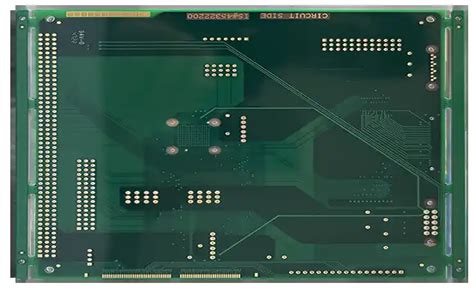
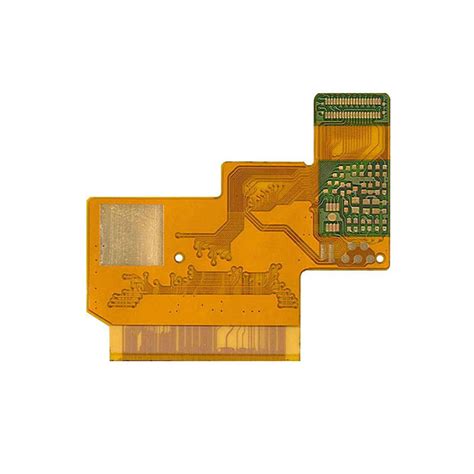
PCB assembly, or pcba, involves the manufacturing process where various electronic components are mounted onto a printed circuit board (PCB) to create a functional electronic device.
What are the main steps in the PCB assembly process?
The main steps include design, fabrication, assembly, and testing. Each step plays a crucial role in ensuring the quality and functionality of the final product.
How does automation impact PCB assembly?
Automation significantly enhances manufacturing efficiency by reducing production time, minimizing human error, and ensuring consistent quality in pcb assembly operations.
What industries rely on PCB assembly companies?
Various industries rely on these firms, including telecommunications, automotive, consumer electronics, and medical devices, highlighting the versatility of PCBs in modern technology.
How do companies ensure quality control in PCB assembly?
Quality control is maintained through rigorous testing procedures and standards compliance, including visual inspections and functional testing to guarantee that each pcba meets industry benchmarks.
What trends are currently shaping PCB assembly practices?
Emerging trends include a shift towards sustainable practices, increased use of advanced materials, and the integration of smart technologies that enhance productivity throughout the electronics manufacturing process.