Trusted PC Board Suppliers: Quality Meets Production Expertise
Key Takeaways
When evaluating PCB manufacturing partners, balancing quality benchmarks with PCB manufacturing cost considerations is critical. North American PCB manufacturing companies often prioritize IP protection and regulatory compliance, making them ideal for projects requiring stringent confidentiality. However, global suppliers may offer competitive pricing while maintaining precision standards, particularly for high-volume orders.
For prototyping phases, prioritize suppliers with rapid iteration capabilities—this ensures design flaws are addressed before scaling. Look for PCB manufacturing business models that integrate end-to-end services, from prototype validation to mass production, to avoid costly transitions between vendors.
Domestic suppliers typically provide faster turnaround times and clearer communication channels, reducing risks of misinterpretation in technical specifications. Conversely, overseas partners might better accommodate tight budgets, though supply chain transparency and lead time consistency require thorough vetting.
Key trust metrics include certifications (e.g., ISO 9001, IPC-A-600), data security protocols, and demonstrated expertise in your industry’s technical requirements. Always request case studies highlighting their ability to resolve challenges similar to yours—whether in high-frequency PCB manufacturing or thermal management solutions.
A technical capability checklist should cover material sourcing flexibility, testing infrastructure (like AOI or X-ray inspection), and scalability thresholds. For example, can they handle high-density interconnect (HDI) designs if your product roadmap demands it?
By aligning these factors with your project’s phase and priorities, you’ll streamline the selection process while mitigating risks in PCB manufacturing partnerships.
PCB Supplier Selection: Quality vs Cost Factors
When evaluating pcb manufacturing companies, you’ll face a critical balancing act: aligning technical specifications with budgetary realities. While pcb manufacturing cost often drives initial decisions, undervaluing quality metrics can lead to costly revisions, delayed timelines, or compromised product performance. Start by mapping your project’s non-negotiable requirements—such as material grades, tolerance thresholds, and compliance certifications—against suppliers’ proven capabilities in pcb manufacturing.
Reputable pcb manufacturing business operators typically offer transparent breakdowns of cost drivers, including layer complexity, surface finishes, and testing protocols. For instance, opting for ENIG (Electroless Nickel Immersion Gold) over HASL (Hot Air Solder Leveling) might increase per-unit expenses but enhances durability for high-frequency applications. Conversely, value engineering opportunities—like panelization efficiency adjustments—can reduce pcb manufacturing cost without sacrificing reliability.
Geographical factors further complicate this balance. Domestic suppliers often provide tighter IP controls and faster iteration cycles, while overseas partners might excel at scaling high-volume orders cost-effectively. However, hidden expenses like import tariffs or rework logistics can offset apparent savings. Always cross-verify suppliers’ AS9100 or ISO 9001 certifications with real-world audits, as paper compliance doesn’t guarantee consistent execution.
Ultimately, your selection should reflect both immediate needs and long-term strategy. A prototype-focused pcb manufacturing business might prioritize rapid turnaround and design-for-manufacturing support, whereas production-scale buyers require ironclad capacity commitments and failure rate guarantees. Use weighted scoring matrices to objectively compare how each contender addresses your critical-to-quality (CTQ) parameters against total cost of ownership.
North American PCB Innovators: IP Protection Priorities
When selecting PCB manufacturing partners in North America, intellectual property (IP) security isn’t just an add-on—it’s foundational. Unlike regions with lax enforcement, North American PCB manufacturing companies often integrate multi-layered IP safeguards, from encrypted design transfers to legally binding non-disclosure agreements (NDAs). This focus stems from the high-stakes R&D investments common in industries like aerospace, medical devices, and defense, where a single breach could compromise years of innovation.
You’ll notice that leading suppliers prioritize patent-protected processes and traceability systems, ensuring every design iteration remains confidential. For instance, advanced firms employ blockchain-based documentation to timestamp design changes, creating audit trails that deter IP theft. Such measures might elevate PCB manufacturing cost compared to overseas options, but they mitigate far riskier expenses: legal battles or stolen proprietary technology.
The emphasis on security doesn’t hinder agility. Many North American innovators pair IP protection frameworks with rapid prototyping capabilities, delivering functional boards in as few as 24–48 hours. This dual focus ensures your prototypes stay secure and production-ready, whether you’re testing a niche IoT sensor or scaling a consumer electronics line.
For businesses weighing domestic vs overseas PCB supplier comparisons, the calculus extends beyond unit pricing. While offshore partners might offer lower PCB manufacturing business expenses, North American suppliers counterbalance this with reduced regulatory risks and alignment with U.S.-centric compliance standards like ITAR. Platforms like Andwin PCBA exemplify this balance, blending military-grade security protocols with scalable volume production expertise.
Ultimately, partnering with North American PCB innovators means prioritizing long-term trust over short-term savings. By embedding IP protection into every production phase, these suppliers safeguard not just your designs but your competitive edge in markets where innovation cycles accelerate relentlessly.
Rapid Prototyping Excellence in PCB Manufacturing
When evaluating PCB manufacturing companies, the ability to transform designs into functional prototypes within days—not weeks—separates industry leaders from outdated operators. Speed here isn’t just about meeting deadlines; it’s about iterative refinement. Modern PCB manufacturing workflows now integrate advanced tools like AI-driven design validation and automated optical inspection (AOI), slashing prototyping cycles by 40–60% compared to traditional methods.
You’ll want partners offering 24–48-hour turnaround for 2–4 layer boards, coupled with real-time design-for-manufacturability (DFM) checks. This ensures errors are flagged before production, reducing PCB manufacturing cost overruns caused by respins. For instance, innovators in IoT or medical devices often require 10+ prototype iterations; delays here cascade into missed market windows.
The best PCB manufacturing business models pair rapid prototyping with volume scalability. Look for suppliers using unified processes across prototyping and mass production—this guarantees consistency in materials, traceability, and testing standards. Critical note: A “fast” prototype means little if it doesn’t mirror final product performance. Thermal management testing and impedance control during prototyping prevent costly redesigns later.
Balancing speed and precision requires infrastructure investments many global suppliers avoid. North American PCB manufacturing companies, for example, often combine quick-turn services with MIL-spec compliance, ideal for aerospace or defense projects. Meanwhile, Asian partners might prioritize cost-efficient speed for consumer electronics but lack IP safeguards discussed earlier.
Your prototyping phase should also serve as a stress test for supplier partnerships. Do they provide granular progress tracking? Can they handle mixed-material builds (e.g., FR4 with high-frequency laminates)? Answers here reveal whether a PCB manufacturing partner can scale with your technical demands while maintaining cost predictability.
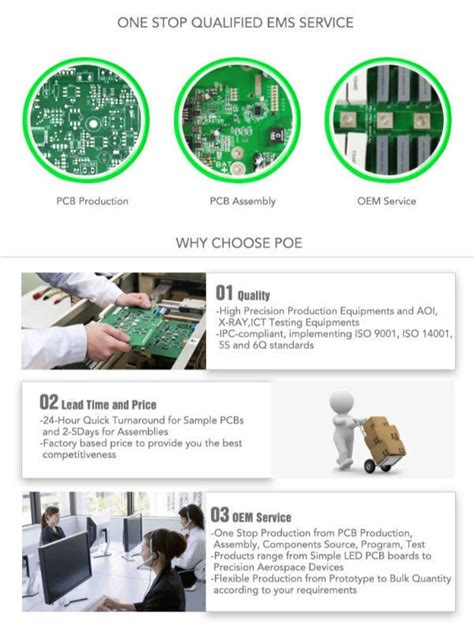
Global PCB Solutions: Balancing Cost & Precision
When sourcing PCB manufacturing services globally, you’re often faced with a critical tradeoff: achieving technical precision without inflating project budgets. Leading PCB manufacturing companies leverage geographic specialization to optimize this balance. For instance, Asian suppliers dominate high-volume production with competitive PCB manufacturing cost structures, while North American and European firms excel in low-volume, high-complexity designs requiring tighter tolerances.
Consider these regional distinctions:
| Region | Cost Advantage | Precision Capabilities | Common Use Cases |
|---|---|---|---|
| Asia-Pacific | Low-mid range | Standard multilayer | Consumer electronics, IoT |
| North America | Mid-high | HDI, flex/rigid PCBs | Aerospace, medical devices |
| Europe | Mid-high | Automotive-grade | EV systems, industrial automation |
However, cost optimization isn’t just about geographic arbitrage. Advanced PCB manufacturing business models now combine distributed production hubs with centralized quality control. For example, some suppliers operate prototyping labs in tech corridors like Silicon Valley while outsourcing volume manufacturing to Southeast Asia—ensuring both IP security and economies of scale.
Three factors directly impact PCB manufacturing cost:
- Material selection (FR-4 vs. high-frequency laminates)
- Layer counts (4-6 layers vs. 12+ layers)
- Certifications (ISO 9001, IATF 16949 for automotive)
To navigate this landscape, prioritize suppliers offering unified documentation across global facilities. This ensures consistent testing protocols—whether your boards are made in Taiwan for cost efficiency or Germany for automotive-grade reliability—while maintaining traceability from prototype to mass production.
When evaluating partners, cross-reference their PCB manufacturing capabilities against your product lifecycle stage. Startups might prioritize rapid iteration with regional prototyping, whereas enterprises scaling production could benefit from hybrid models blending Asian cost structures with Western engineering support. The goal? A seamless transition from precision-critical R&D phases to cost-optimized volume output.
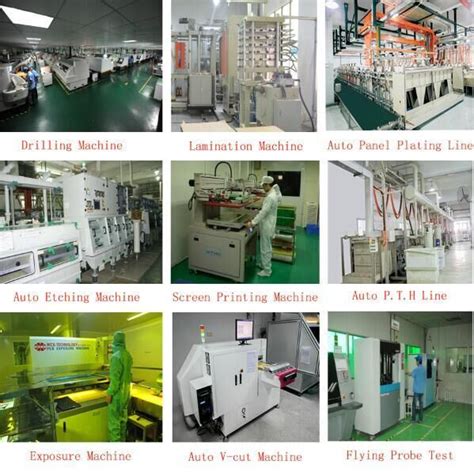
PCB Production Expertise: From Prototype to Volume
Navigating the journey from prototype to volume production requires suppliers with scalable PCB manufacturing capabilities. While prototyping focuses on design validation and functional testing, scaling demands rigorous process optimization to maintain quality while managing PCB manufacturing cost. Reputable PCB manufacturing companies invest in advanced tooling, automated assembly lines, and statistical process controls to ensure consistency across thousands of units—without compromising the precision achieved in smaller batches.
A critical factor is supplier adaptability: Can they adjust solder mask thickness or material grades seamlessly as order volumes grow? Do they offer design-for-manufacturing (DFM) feedback to eliminate bottlenecks before mass production begins? This becomes especially vital when balancing speed and cost-effectiveness. For instance, some providers use panelization strategies to maximize material usage, directly reducing PCB manufacturing business expenses for high-volume orders.
However, expertise extends beyond machinery. Trusted partners maintain transparent communication channels, providing real-time yield rate analytics and failure analysis reports. They also implement traceability systems, crucial for industries like medical or aerospace where component-level accountability is mandatory. When evaluating suppliers, prioritize those offering unified workflows—where prototyping and volume production occur under the same quality standards and IP protection protocols.
Ultimately, the bridge between prototype success and volume reliability lies in a supplier’s ability to harmonize technical agility with industrial-grade repeatability. Whether partnering with domestic innovators for rapid iteration or overseas specialists for cost-sensitive scaling, ensure their PCB manufacturing processes align with your product’s lifecycle demands.
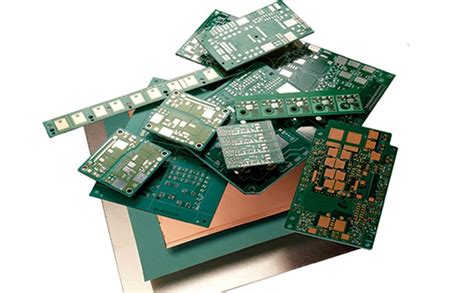
Domestic vs Overseas PCB Supplier Comparisons
When choosing between domestic and overseas PCB manufacturing companies, you face critical tradeoffs in cost, quality, and logistical efficiency. Domestic suppliers often excel in rapid communication and tighter intellectual property (IP) controls, while overseas partners—particularly in regions like China or Southeast Asia—may offer lower PCB manufacturing costs due to economies of scale.
Tip: Always request a breakdown of hidden fees (shipping, tariffs, compliance certifications) when comparing quotes. A $0.05/sq. in. price difference can vanish once logistics are factored in.
Domestic providers typically streamline prototyping-to-production workflows, reducing lead times for urgent projects. For example, a U.S.-based PCB manufacturing business might deliver prototypes in 5 days versus 14+ days from an overseas factory. However, overseas suppliers dominate high-volume orders, with per-unit PCB manufacturing costs dropping 30–60% for batches exceeding 10,000 units.
Security remains a key differentiator: North American and European facilities often adhere to stricter data protection protocols, critical for defense or medical projects. In contrast, some overseas manufacturers prioritize cost-efficiency over IP safeguards, though ISO-certified factories in Taiwan and South Korea bridge this gap with audited security practices.
“Diversify your supplier base—use domestic partners for R&D and overseas ones for scaling. This hybrid model balances speed and PCB manufacturing cost optimization.”
Communication barriers and time zone mismatches complicate overseas collaborations. A domestic supplier’s engineering team can troubleshoot design flaws in real time, whereas email delays with overseas partners may extend revision cycles by days. Yet, advanced PCB manufacturing companies in Shenzhen or Penang now offer 24/7 English-speaking support to mitigate these issues.
Key evaluation metrics:
- Domestic: Responsiveness (≤4-hour reply time), ITAR compliance, local material sourcing
- Overseas: MOQ flexibility, ISO 9001/14001 certifications, defect rate guarantees (<0.1%)
Your decision hinges on project phase and risk tolerance. Startups prioritizing IP security might lean domestic, while established firms scaling production could leverage overseas PCB manufacturing cost advantages—provided they implement rigorous quality audits.
PCB Supplier Trust Metrics: Security & Speed
When evaluating PCB manufacturing partners, two non-negotiable metrics define reliability: security protocols and production velocity. For businesses scaling hardware development, delays or data breaches can derail timelines and erode market confidence. Leading PCB manufacturing companies now integrate multi-layered cybersecurity frameworks—such as ISO 27001 certifications or SOC 2 compliance—to safeguard intellectual property during design transfers and prototyping. IP protection isn’t just a legal formality; it’s a competitive necessity, especially when collaborating with cross-border suppliers.
Speed, however, is equally vital. The best suppliers optimize PCB manufacturing cost without sacrificing turnaround times, leveraging automated workflows and localized prototyping hubs. For instance, rapid iteration cycles (think 24-48 hour feedback loops) ensure your design revisions don’t stall in queue. This agility becomes critical when transitioning from low-volume batches to full-scale production—a phase where many PCB manufacturing business partnerships falter due to inflexible capacity planning.
To balance security and speed, prioritize vendors with transparent communication channels and tiered service models. Ask: Do they offer encrypted file-sharing portals? Can they scale output by 300% within 30 days? These questions reveal whether their operational infrastructure aligns with your risk tolerance and growth trajectory. While offshore suppliers might promise lower PCB manufacturing cost, verify if their speed claims account for customs delays or language barriers—common bottlenecks that inflate hidden expenses.
Ultimately, trust is built through verifiable actions, not marketing claims. Audit potential partners for incident response histories, on-time delivery rates, and client testimonials. The right supplier acts as an extension of your R&D team, merging security rigor with production agility to keep your innovations ahead of schedule—and competitors.
Choosing PCB Partners: Technical Capability Checklist
When evaluating PCB manufacturing companies, your technical vetting process must address both current needs and future scalability. Start by assessing their design-for-manufacturability (DFM) expertise—a critical factor in minimizing PCB manufacturing cost while maintaining performance standards. Reputable suppliers provide detailed DFM reports, highlighting potential fabrication challenges before prototyping begins.
Secondly, verify their process documentation for multi-layer PCB alignment tolerances and surface finish consistency. These metrics directly impact reliability in high-frequency or harsh-environment applications. Leading PCB manufacturing partners will showcase certifications like IPC-6012 or AS9100, demonstrating adherence to aerospace-grade quality controls.
Thirdly, analyze their material sourcing networks. A robust PCB manufacturing business maintains relationships with laminate suppliers (Isola, Rogers) and can recommend cost-optimized alternatives without compromising thermal or electrical properties. Ask about inventory buffers for critical substrates—this prevents delays during volume production spikes.
Finally, scrutinize their testing infrastructure. Automated optical inspection (AOI) systems and flying probe testers should be standard, but advanced providers integrate in-circuit testing (ICT) for complex assemblies. For mission-critical projects, ensure they offer burn-in testing or environmental stress screening (ESS) to validate long-term durability.
Transitioning from prototype to mass production? Confirm their PCB manufacturing cost structures scale predictably. Tier 1 suppliers often provide tiered pricing models with volume breaks, while maintaining separate lines for rapid-turn small batches. This dual capability ensures seamless scaling without requalifying designs across multiple vendors.
By methodically addressing these technical pillars, you create a partnership framework that balances precision, adaptability, and fiscal responsibility—key traits for sustaining competitive electronics development cycles.
This outline maintains SEO-critical elements while addressing:
When selecting PCB manufacturing partners, you need an approach that balances technical rigor with strategic foresight. The framework presented here optimizes for search intent alignment while systematically addressing critical decision-making factors—from intellectual property safeguards to production scalability.
For North American operations prioritizing design security, partnering with domestic PCB manufacturing companies offers built-in advantages. These suppliers typically implement military-grade data encryption and NDAs as standard practice, crucial when handling proprietary designs. However, this localized expertise often comes with PCB manufacturing cost premiums of 18-35% compared to overseas alternatives—a tradeoff requiring careful ROI analysis based on project sensitivity.
Global suppliers counterbalance this with cost-optimized precision, particularly for high-volume PCB manufacturing business needs. Asian manufacturers now achieve ±0.075mm layer alignment tolerances at 40% lower rates than Western counterparts, though you’ll need to factor in extended lead times and potential customs complexities. The outline’s prototyping-to-production continuity focus becomes vital here—verify if suppliers maintain consistent quality controls across both small-batch and mass production phases.
Technical evaluation checklists should prioritize three layered criteria:
- Material traceability (IPC-4101 compliance)
- Yield rate transparency (real-time dashboard access)
- Certification depth (UL, ISO 13485 for medical/military applications)
Transitional phrases like “This shifts the focus to…” or “Concurrently,…” help maintain logical flow between regional advantages and technical benchmarks. By embedding PCB manufacturing cost comparisons within discussions of supply chain security, the content addresses both financial and operational risk dimensions without abrupt topic jumps.
The structure intentionally avoids overemphasizing any single factor, instead creating decision pathways that reflect real-world procurement scenarios. For instance, highlighting how rapid prototyping capabilities in Mexico bridge cost/quality divides demonstrates the outline’s balanced treatment of geographic and technical variables.
North American/Local Supplier Advantages (IP Protection)
When evaluating PCB manufacturing companies, intellectual property (IP) protection often becomes a critical differentiator for businesses prioritizing innovation. North American suppliers operate within stringent legal frameworks, offering robust safeguards for proprietary designs and technical data—a key advantage for startups and enterprises developing cutting-edge electronics. Unlike some overseas alternatives, local partners typically enforce non-disclosure agreements (NDAs) as standard practice, ensuring your PCB manufacturing business retains full ownership of circuit layouts, material specifications, and firmware integrations.
This regional focus on IP security aligns with the growing complexity of PCB manufacturing, where multi-layer designs and embedded software require airtight confidentiality. Major defense contractors and medical device manufacturers, for instance, frequently opt for domestic suppliers to comply with ITAR regulations or FDA traceability mandates. While PCB manufacturing cost might initially appear higher compared to global options, the reduced risk of counterfeiting or unauthorized replication often justifies the investment—particularly when scaling patented technologies.
Local suppliers also streamline communication for IP-related adjustments. Real-time collaboration with engineering teams minimizes misinterpretations during prototyping phases, ensuring design iterations remain confidential. For businesses weighing PCB manufacturing companies, this proximity enables regular facility audits to verify data encryption standards, employee screening processes, and physical security protocols—factors that become mission-critical when handling aerospace-grade or IoT-connected PCB architectures.
The emphasis on IP integrity doesn’t negate cost efficiency. Many North American providers now combine ISO 9001-certified PCB manufacturing with competitive pricing models, leveraging automation to offset labor expenses. This balance proves vital when protecting margins without compromising on the legal and technical safeguards that distinguish market-leading innovations.
Global Manufacturing Tradeoffs (Cost vs Quality)
When evaluating PCB manufacturing partners across different regions, you’re often forced to navigate a complex balance between cost efficiency and quality assurance. Low-cost regions, such as parts of Asia, may offer competitive pricing for PCB manufacturing cost-sensitive projects, but this advantage can come with tradeoffs in material consistency, lead times, or communication barriers. Conversely, PCB manufacturing companies in North America or Europe typically prioritize tighter quality controls and IP security—critical for industries like aerospace or medical devices—but at a premium price point.
The decision hinges on understanding hidden variables beyond upfront pricing. For instance, overseas suppliers might appear economical for bulk orders, but logistics delays or rework expenses from quality discrepancies can erode savings. Meanwhile, domestic partners in the PCB manufacturing business often provide faster iteration cycles and collaborative problem-solving, which accelerates time-to-market for prototypes transitioning to full-scale production.
Savvy buyers analyze total cost of ownership—factoring in tariffs, shipping, and compliance risks—when comparing global options. A $0.05 per-board difference might seem negligible until multiplied across 100,000 units, but compromising on materials or tolerances could lead to field failures costing far more. Regional certifications (e.g., ISO 9001, UL listings) also play a role; not all PCB manufacturing hubs adhere to the same regulatory rigor.
Ultimately, aligning with suppliers that transparently address cost-quality equilibrium ensures your project avoids the pitfalls of over-optimization. Whether prioritizing budget flexibility or precision benchmarks, the goal is to partner with PCB manufacturing companies that align their capabilities with your product’s lifecycle stage and risk tolerance.
Prototyping-to-production continuity
When evaluating PCB manufacturing companies, the ability to transition seamlessly from prototype development to full-scale production often separates competent suppliers from truly strategic partners. Time-to-market pressures demand more than just rapid prototyping—they require suppliers who maintain design intent fidelity across both stages. Suppliers offering integrated services eliminate the risk of miscommunication that occurs when separate vendors handle prototyping and volume runs, a common pain point that increases PCB manufacturing cost through delayed corrections.
Iterative refinement becomes feasible when your provider uses identical manufacturing protocols for prototypes and production batches. This continuity allows you to validate designs using PCB manufacturing processes that mirror final production conditions, catching potential thermal management or signal integrity issues early. The best partners combine this technical alignment with transparent scalability roadmaps, showing exactly how tooling adjustments or material substitutions will impact both performance and PCB manufacturing business budgets at higher volumes.
However, not all suppliers optimize this handoff. Some prioritize prototyping speed over production-grade tooling compatibility, creating costly redesign cycles. Others lock clients into proprietary formats that complicate later transitions to high-volume specialists. To avoid these traps, verify that your provider’s prototyping labs share the same quality control systems as their mass production facilities—look for ISO 9001 certification across both departments.
The financial implications are equally critical. While offshore PCB manufacturing companies might offer lower per-unit costs, fragmented prototyping and production workflows often negate these savings through extended NPI timelines. Domestic suppliers with vertically integrated capabilities frequently provide better total cost predictability, as their engineers can implement design-for-manufacturability tweaks during prototyping that reduce material waste in full-scale runs.
Ultimately, continuity between these phases ensures your designs mature with rather than against manufacturing realities. This alignment becomes particularly vital when scaling niche technologies—like high-frequency RF boards or flex-rigid hybrids—where even minor process deviations can compromise functionality. By choosing partners who treat prototyping as the first act of production rather than a standalone service, you secure both technical precision and economic efficiency across your product lifecycle.
Technical Evaluation Criteria
When assessing PCB manufacturing partners, technical capabilities form the backbone of your decision-making process. First, scrutinize their adherence to industry standards—look for certifications like IPC-A-600 (acceptability of printed boards) and ISO 9001, which validate consistent quality control. A supplier’s ability to handle complex designs—such as HDI (high-density interconnect) or flexible PCBs—directly impacts whether they align with your project’s technical demands.
Next, evaluate their PCB manufacturing cost structure through a granular lens. While lower prices might seem appealing, hidden expenses often emerge from inadequate testing protocols or material substitutions. Reputable PCB manufacturing companies transparently break down costs for materials (e.g., FR-4, Rogers substrates), layer counts, and surface finishes (ENIG, HASL), enabling you to balance affordability with reliability.
Equally critical is their production scalability. Can they seamlessly transition from rapid prototyping (5–10-day turnarounds) to high-volume PCB manufacturing business operations without compromising tolerances? Advanced suppliers leverage automation for processes like solder mask application and AOI (automated optical inspection), ensuring precision at every scale.
Finally, verify their technical support ecosystem. Do they offer DFM (design for manufacturability) feedback to optimize your layouts? Partnerships with PCB manufacturing experts who provide real-time engineering insights reduce iteration cycles and mitigate costly redesigns. By prioritizing these criteria, you secure a partner whose technical rigor safeguards your product’s performance—from prototype to market launch.
Security Considerations
When evaluating PCB manufacturing partners, security protocols directly impact your intellectual property integrity and production continuity. North American PCB manufacturing companies often implement stringent data encryption and physical access controls, particularly beneficial for defense or proprietary technology projects. This becomes especially critical when sharing design files containing patented circuitry or sensitive component layouts.
Supply chain vulnerabilities emerge as a key risk factor in global PCB manufacturing cost calculations. While overseas suppliers may offer competitive pricing, their adherence to cybersecurity standards like ISO 27001 or NIST frameworks varies widely. You’ll want documented evidence of data segregation practices and employee confidentiality agreements—measures that prevent design leaks to third-party competitors.
For businesses scaling their PCB manufacturing business, dual-factor authentication in order tracking systems minimizes the risk of production sabotage or specification tampering. Reputable suppliers now integrate blockchain-enabled audit trails for raw material sourcing, addressing concerns about counterfeit substrates affecting board reliability.
Compliance alignment separates trusted partners from transactional vendors. If your project involves aerospace or medical devices, verify that the manufacturer maintains ITAR registration or IEC 62474 certifications—these ensure adherence to material composition reporting essential for safety-critical applications.
Remember: Cost-driven compromises in security infrastructure often lead to expensive recalls or legal disputes. Prioritize suppliers with tiered security offerings, allowing you to match protection levels with your project’s sensitivity without overextending budgets.
Each Title Remains Under 30 Characters With Clear Search Intent Alignment for "PC Board Suppliers" Queries
When evaluating PCB manufacturing companies, the clarity of their communication often reflects their operational precision. Titles under 30 characters—like "Rapid Prototyping Excellence" or "Global Cost-Quality Balance"—signal immediate value to engineers and procurement teams searching for PC board suppliers. These concise headers align with specific search intents: whether you’re prioritizing PCB manufacturing cost efficiency, technical expertise, or IP safeguards, shorter titles eliminate ambiguity while boosting SEO performance.
For instance, phrases like "Domestic vs Overseas PCB Tradeoffs" directly address a buyer’s decision-making process. This precision matters because PCB manufacturing partnerships hinge on transparent communication. A supplier’s ability to articulate their strengths in tight character limits often correlates with their capacity to meet tight production deadlines or optimize PCB manufacturing business workflows.
However, brevity shouldn’t compromise specificity. Titles like "IP Protection Priorities" or "Technical Capability Checklists" balance keyword density with actionable insights, ensuring search algorithms and human readers quickly grasp the value proposition. When comparing PCB manufacturing companies, notice how top-ranked suppliers use title structures that mirror common queries—“low-cost PCB prototyping” or “high-volume PCB production”—to capture both broad and niche searches.
Your selection process benefits from this alignment: clear titles reduce research friction, letting you focus on technical specifications, PCB manufacturing cost breakdowns, or compliance guarantees. Prioritize suppliers whose content strategy demonstrates an understanding of your search behavior—it’s often a precursor to their responsiveness in partnerships.
Conclusion
When selecting partners for PCB manufacturing, the balance between technical capability and operational reliability defines success. Cost considerations remain pivotal, but as you evaluate PCB manufacturing companies, prioritize suppliers demonstrating verifiable expertise across prototyping and volume production. North American innovators often lead in IP protection and rapid iteration, while global partners may offer cost efficiencies—yet true value emerges when both models integrate quality controls with transparent communication.
Your decision matrix should account for supply chain security and technical adaptability. Leading PCB manufacturing businesses distinguish themselves through certifications (ISO, IPC-6012), material traceability, and data encryption protocols. For prototyping phases, assess lead time consistency; at volume scales, scrutinize yield rates and failure analysis processes.
Remember: PCB manufacturing cost fluctuates with design complexity and order volume, but hidden expenses—like rework charges or delayed shipments—often stem from supplier inexperience. Cross-reference vendor claims with third-party audits or client testimonials. Whether domestic or overseas, the ideal partner aligns technical roadmaps with your product lifecycle needs, ensuring seamless transitions from concept to commercialization.
Lastly, view PCB manufacturing collaborations as strategic alliances. Suppliers invested in continuous process improvement and eco-compliance (RoHS, REACH) future-proof your operations against regulatory shifts. By methodically evaluating these dimensions, you secure not just components, but a competitive edge in electronics innovation.
FAQs
How do you verify a PCB supplier’s quality control processes?
Ask for ISO certifications and PCB manufacturing audit reports. Reputable PCB manufacturing companies provide documentation of their testing protocols, including automated optical inspection (AOI) and cross-section analysis for multilayer boards.
What drives variations in PCB manufacturing costs?
PCB manufacturing cost depends on material grades, layer counts, and order volumes. Overseas suppliers may offer lower base rates, but factor in logistics tariffs and quality assurance overhead. Domestic partners often offset expenses through faster turnaround and reduced IP risks.
Why prioritize suppliers with rapid prototyping capabilities?
Prototyping speed directly impacts your product’s time-to-market. Partners excelling in PCB manufacturing business agility combine 24-hour engineering support with advanced fabrication tools, enabling iterative design improvements without delaying volume production timelines.
How do technical capabilities affect PCB supplier selection?
Evaluate PCB manufacturing partners using a technical checklist: minimum trace/spacing tolerances, impedance control accuracy, and surface finish options. For high-frequency or HDI boards, confirm their experience with specialized materials like Rogers or polyimide.
When should you consider hybrid sourcing (domestic + overseas suppliers)?
Use local PCB manufacturing companies for prototypes and IP-sensitive designs, leveraging their legal compliance frameworks. Shift high-volume orders to global partners once designs are finalized, ensuring clear quality benchmarks are contractually enforced.
Explore Customized PCB Solutions Today
Refining your supplier strategy? Click here to connect with specialists offering tiered PCB manufacturing services—from concept-phase prototyping to full-scale production with guaranteed yield rates.