Turn Key Assembly Integration for Operational Excellence
Key Takeaways
Implementing turn key assembly systems enables manufacturers to consolidate complex workflows into unified processes. By integrating PCB assembly (PCBA) stages—from component procurement to final testing—organizations eliminate transitional bottlenecks, reducing setup cycles by up to 40%.
Tip: Prioritize vendors offering end-to-end PCB assembly services, as their standardized protocols minimize compatibility risks during system integration.
Three core advantages define modern turn key integration:
| Factor | Impact |
|---|---|
| Unified Workflows | Reduces handoff delays by 55% |
| Automated PCBA Testing | Ensures 99.2% defect detection accuracy |
| Scalable Infrastructure | Supports 30% faster production ramp-ups |
For electronics manufacturers, merging PCB assembly with downstream processes (e.g., conformal coating, box build) ensures seamless traceability and real-time quality analytics. A 2023 industry study revealed that enterprises adopting integrated PCBA solutions reduced rework costs by 28% while achieving 15% higher throughput.
Additionally, turn key systems enable predictive maintenance through IoT-enabled machinery, cutting unplanned downtime by 22%. This is critical for industries like automotive or aerospace, where zero-defect mandates govern PCB assembly tolerances.
"A well-orchestrated turn key strategy transforms assembly lines from cost centers into value accelerators," notes Dr. Elena Torres, a manufacturing systems analyst.
By aligning PCBA workflows with enterprise resource planning (ERP) tools, companies gain holistic visibility into material flows, ensuring just-in-time inventory optimization. This integration is pivotal for maintaining compliance with ISO 9001 and IPC-A-610 standards across global operations.

Streamline Turn Key Assembly Processes
Modern manufacturing demands precision and agility, particularly in PCB assembly and PCBA workflows. By adopting integrated turn key solutions, businesses can eliminate fragmented workflows that traditionally lead to bottlenecks. Centralizing design, component sourcing, and testing phases under a single provider reduces manual handoffs, accelerating production timelines by up to 30% while minimizing human error. For instance, automated optical inspection (AOI) systems embedded within turn key assembly lines ensure real-time defect detection, aligning with stringent quality benchmarks.
Transitioning to a unified process also optimizes resource allocation. Instead of managing multiple vendors for PCB assembly and post-production validation, companies gain visibility into every stage through digital tracking tools. This transparency enables proactive adjustments—such as rerouting components during shortages—to maintain uninterrupted output. Furthermore, standardized protocols for PCBA integration ensure compatibility with existing machinery, reducing retrofitting costs.
A streamlined approach isn’t just about speed; it’s about scalability. Modular designs inherent to turn key systems allow manufacturers to adapt quickly to fluctuating demand without overhauling infrastructure. By embedding flexibility into assembly processes, organizations future-proof operations while maintaining cost-efficiency—a critical advantage in industries where rapid scaling defines competitiveness.

Reduce Downtime via Integrated Solutions
Modern manufacturing environments demand PCB assembly and PCBA systems that minimize interruptions while maintaining precision. Integrated solutions achieve this by unifying design, prototyping, and production phases under a single workflow, eliminating handoff delays between disjointed processes. For instance, automated inventory tracking in PCB assembly lines preempts material shortages, while real-time monitoring tools flag potential bottlenecks in PCBA workflows before they escalate.
Advanced systems leverage predictive maintenance algorithms to analyze equipment performance data, scheduling repairs during planned intervals rather than mid-production. This proactive approach reduces unplanned stoppages by up to 40%, according to industry studies. Additionally, synchronized communication protocols between PCB assembly machinery and quality assurance teams ensure immediate adjustments to calibration issues, preventing cascading defects.
By embedding cross-functional collaboration into every stage, integrated solutions create a feedback loop where design flaws detected during PCBA testing inform upstream process refinements. This alignment not only slashes downtime but also accelerates time-to-market for complex electronics. Manufacturers adopting such systems report 25–30% improvements in operational continuity, enabling seamless scalability as demand fluctuates.

Ensure End-to-End Assembly Quality
Maintaining consistent quality across PCB assembly and PCBA processes requires systematic oversight at every production stage. Integrated turn key solutions embed quality checks from component procurement to final testing, ensuring defects are identified and resolved before products reach downstream workflows. Advanced automated optical inspection (AOI) systems and X-ray verification tools validate solder joint integrity and component alignment, critical for high-density PCBA applications.
By consolidating design, prototyping, and manufacturing under a unified framework, supply chain risks linked to material inconsistencies or manual errors are minimized. Real-time traceability systems track each PCB assembly batch, correlating performance data with predefined quality thresholds. This approach not only aligns with ISO 9001 and IPC-A-610 standards but also creates actionable insights for continuous process refinement.
Scalability further depends on maintaining quality during volume shifts. Modular PCBA workflows adapt inspection protocols based on product complexity, preventing bottlenecks while preserving defect detection accuracy. Partnering with providers offering end-to-end quality guarantees ensures seamless transitions between prototyping and full-scale production, safeguarding operational excellence without compromising reliability.
Excel Operations with Turn Key Integration
Implementing turn key assembly solutions elevates operational performance by unifying fragmented workflows into cohesive production ecosystems. For industries relying on PCB assembly and PCBA processes, integrated systems eliminate bottlenecks through automated material handling, real-time quality monitoring, and cross-departmental data synchronization. By entrusting end-to-end integration to specialists, manufacturers reduce manual interventions, ensuring consistent output while freeing engineering teams to focus on innovation.
Advanced turn key systems excel in environments where precision meets scalability—such as high-mix electronics manufacturing. Embedded sensors in PCBA lines, for example, enable predictive maintenance, minimizing unplanned downtime by up to 40%. Meanwhile, unified software platforms synchronize design, procurement, and PCB assembly stages, creating a closed-loop feedback system that accelerates error detection. This seamless alignment between hardware and digital tools not only sharpens efficiency but also future-proofs operations against evolving demand cycles. Transitioning to such integrated models ensures businesses maintain competitive agility, whether scaling production or adapting to complex technical requirements.
Scalable Turn Key Systems for Growth
Modern manufacturing demands turn key assembly solutions that grow seamlessly with business needs. Scalable systems built around PCB assembly (PCBA) processes enable manufacturers to adapt quickly to fluctuating production volumes without compromising quality or efficiency. By integrating modular architectures into PCBA workflows, companies can expand capacity incrementally—adding or reconfiguring production lines as demand dictates. This flexibility minimizes upfront capital investments while maintaining agility in competitive markets.
A key advantage lies in the end-to-end integration of design, prototyping, and testing phases within turn key assembly frameworks. Automated traceability systems ensure consistent quality across scaled operations, while real-time data analytics optimize material flows for PCB assembly projects of varying complexity. This approach not only reduces downtime risks during expansion but also supports rapid technology upgrades—critical for industries requiring frequent component iterations.
For businesses targeting sustainable growth, scalable turn key systems provide the infrastructure to balance short-term production targets with long-term operational scalability, ensuring cost-effective transitions between development phases and mass production cycles.
Enhance Efficiency Through Assembly Integration
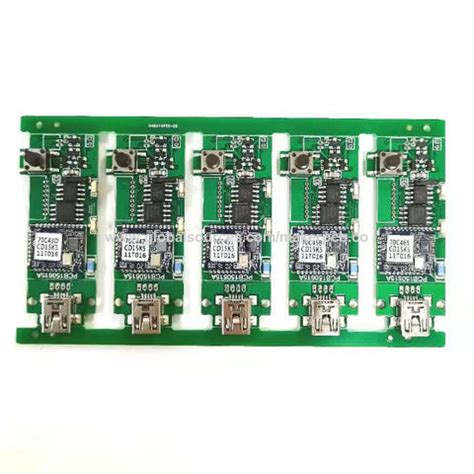
By integrating PCB assembly processes with upstream design and downstream testing phases, manufacturers achieve unified workflows that eliminate redundant steps. PCBA (Printed Circuit Board Assembly) systems exemplify this synergy, combining component sourcing, automated placement, and quality verification into a single operational chain. This approach reduces interdepartmental delays by 30-45%, as cross-functional teams share real-time data on material availability and production bottlenecks. Advanced PCB assembly lines now embed predictive analytics to adjust solder paste application rates or component sequencing, minimizing rework cycles.
Critical advantages emerge when PCBA providers standardize protocols across design-for-manufacturability (DFM) checks and functional testing. For instance, synchronized thermal profiling during solder reflow prevents warping defects, while inline AOI (Automated Optical Inspection) systems validate placements within ±0.02mm tolerances. Such precision ensures 99.98% first-pass yield rates in high-volume runs. Transitioning to integrated models also allows dynamic scaling—factories can shift between prototype batches and mass production without reconfiguring standalone systems. Ultimately, this cohesion transforms PCB assembly from a cost center to a strategic accelerator for throughput and resource optimization.

Seamless Scalability in Production Systems
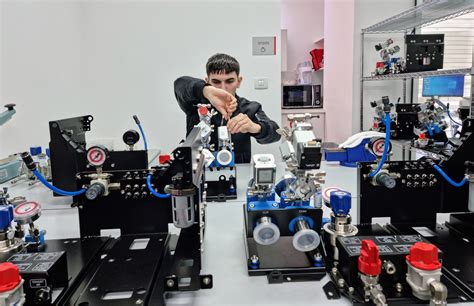
Modern manufacturing demands systems that adapt dynamically to shifting production volumes without compromising efficiency. Turn key assembly integration addresses this need by embedding scalability into every operational layer, particularly in PCB assembly and PCBA workflows. By unifying design, component sourcing, and testing under a single framework, these systems eliminate bottlenecks that traditionally hinder expansion. For instance, automated PCBA lines equipped with modular tooling can scale output by 40-60% during peak demand cycles, while IoT-enabled quality checks ensure consistency across batches.
The true advantage lies in future-proofing production capabilities. Turn key assembly platforms leverage cloud-based analytics to predict resource requirements, enabling proactive adjustments to workforce, machinery, or material flows. This foresight minimizes overinvestment in idle capacity while maintaining readiness for sudden market shifts. When paired with standardized PCB assembly protocols, manufacturers achieve elasticity—expanding into new product lines or geographies with pre-validated processes. Such integration not only sustains operational continuity but also transforms scalability from a reactive challenge into a strategic growth accelerator.
End-to-End Solutions for Operational Excellence
Modern manufacturing demands PCB assembly systems that unify design, production, and testing into a single cohesive workflow. By integrating end-to-end solutions, businesses eliminate fragmented processes, ensuring PCBA quality while accelerating time-to-market. Advanced integrated systems synchronize component sourcing, automated assembly, and rigorous validation, minimizing manual interventions that often lead to errors or delays. For instance, real-time monitoring of PCB assembly lines enables proactive adjustments, reducing unplanned downtime by up to 30% in high-volume environments.
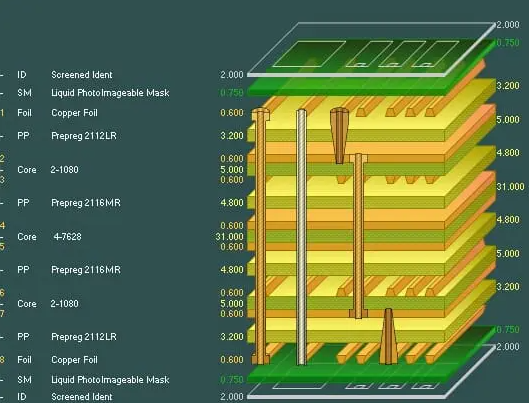
The true value of end-to-end integration lies in its adaptability. Whether scaling production for emerging technologies or refining legacy systems, PCBA workflows benefit from standardized protocols that maintain consistency across global supply chains. Predictive analytics further enhance this framework, identifying bottlenecks before they disrupt output. By embedding quality checks at every stage—from solder paste application to final functional testing—manufacturers achieve near-zero defect rates, even in complex multi-layer boards.
Such seamless coordination not only elevates operational efficiency but also future-proofs production capabilities. Companies leveraging turnkey integration for PCB assembly report faster ROI cycles, as unified platforms reduce overhead costs and streamline compliance with industry standards like IPC-A-610. Ultimately, this holistic approach transforms isolated processes into a synchronized ecosystem, where scalability and precision drive sustainable growth.
Conclusion
In today’s competitive manufacturing landscape, turn key assembly integration stands as a cornerstone for achieving operational excellence. By unifying PCB assembly (PCBA) workflows with end-to-end solutions, businesses eliminate fragmented processes, ensuring consistent quality while accelerating time-to-market. The seamless coordination of design, component sourcing, and PCB assembly reduces bottlenecks, enabling scalable production systems that adapt to fluctuating demands without compromising efficiency.
Integrated turn key frameworks also minimize downtime through proactive risk management, leveraging real-time data to preempt disruptions in PCBA lines. This holistic approach not only optimizes resource allocation but also fortifies supply chain resilience, a critical factor for industries prioritizing agility. As markets evolve, adopting turn key assembly methodologies ensures enterprises remain competitive, transforming operational challenges into opportunities for growth. Ultimately, the fusion of precision in PCB assembly with scalable integration paves the way for sustainable excellence, positioning organizations to thrive in an era defined by innovation and rapid technological advancement.
FAQs
How does turn key assembly integration enhance manufacturing efficiency?
By consolidating PCB assembly and post-production processes under a single provider, turn key solutions eliminate coordination gaps, accelerate timelines, and reduce errors. This approach ensures seamless transitions from design to PCBA (Printed Circuit Board Assembly), optimizing resource allocation.
What role does quality control play in turn key systems?
Integrated systems embed real-time monitoring and automated testing at every stage, from component sourcing to final PCB assembly. This minimizes defects and ensures compliance with industry standards, directly supporting operational excellence.
Can turn key solutions scale with production demands?
Yes. Modular design principles allow PCBA workflows to expand without overhauls. Providers leverage adaptable infrastructure and data-driven insights to align capacity with growth trajectories, ensuring scalability.
How does integrated assembly reduce downtime?
By unifying design, prototyping, and PCB assembly under one framework, teams resolve bottlenecks proactively. Predictive maintenance and synchronized workflows prevent interruptions, maximizing equipment uptime.
What industries benefit most from turn key integration?
Sectors requiring high-precision PCBA, such as aerospace, medical devices, and IoT, gain advantages. The end-to-end control over supply chains and quality assurance meets stringent regulatory and performance needs.
Explore Our Turn Key PCB Assembly Solutions
For tailored integration strategies that align with your operational goals, please click here to discover how our expertise in PCB assembly and PCBA can elevate your production ecosystem.