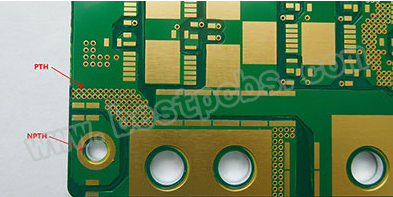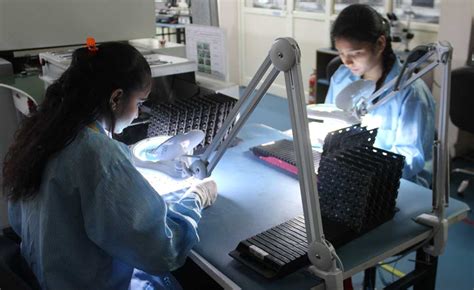
Ultra-Rapid PCB Assembly for Time-Sensitive Electronics Manufacturing
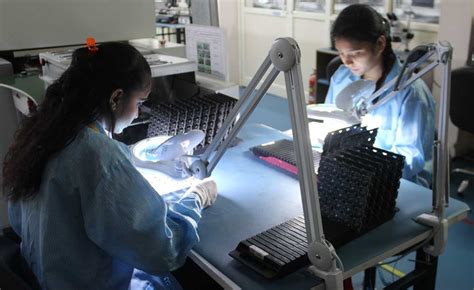
Key Takeaways
Modern PCB assembly innovations are redefining timelines for time-sensitive electronics production. By integrating advanced automation and AI-driven workflows, manufacturers now achieve 24-hour turnkey solutions without compromising on PCBA reliability. These breakthroughs are particularly transformative for industries like medical devices and automotive tech, where precision and speed are non-negotiable.
"Accelerating PCB assembly cycles requires not just faster machinery, but smarter process orchestration. The right partner will balance speed with rigorous quality checks."
Key advancements include:
- High-density interconnect (HDI) technology enabling complex designs in shorter cycles
- Just-in-time component sourcing to mitigate supply chain delays
- Automated optical inspection (AOI) systems reducing post-assembly rework
| Parameter | Traditional PCBA | Ultra-Rapid PCBA |
|---|---|---|
| Turnaround Time | 5-7 days | 24-48 hours |
| Prototype Accuracy | ±10% tolerance | ±2% tolerance |
| Scalability | Limited batches | Full production |
For IoT and automotive applications, thermal management optimizations ensure rapid PCBA processes maintain signal integrity under stress. Tip: Prioritize suppliers offering design-for-manufacturability (DFM) feedback loops to preempt delays.
Mission-critical sectors benefit from dual-track assembly lines, where parallel workflows slash lead times while adhering to ISO 13485 (medical) or IATF 16949 (automotive) standards. This approach minimizes bottlenecks even during component shortages.
Ultra-Fast PCB Assembly Tech Breakthroughs
Recent advancements in PCB assembly (PCBA) technologies are redefining speed and precision for time-sensitive electronics production. Cutting-edge automation systems now integrate AI-driven component placement and high-speed solder jetting, reducing assembly cycles by up to 60% compared to conventional methods. For instance, modular pick-and-place machines equipped with vision-guided robotics achieve placement accuracies of ±25µm while operating at 50,000 components per hour. These innovations are particularly transformative for industries requiring ultra-rapid prototyping, such as medical devices and automotive systems, where 24-hour turnaround capabilities mitigate supply chain bottlenecks.
A critical enabler of these breakthroughs is the adoption of advanced laser-direct imaging (LDI) systems, which eliminate photomasks to accelerate circuit patterning. Combined with low-temperature solder pastes and high-frequency testing protocols, manufacturers can now validate mission-critical PCBA integrity within compressed timelines. A recent study highlights how hybrid additive manufacturing techniques further streamline multilayer board fabrication, reducing layer alignment errors by 40%. As IoT and 5G applications demand faster iteration cycles, these technologies ensure that high-density interconnect (HDI) designs meet stringent performance thresholds without compromising speed. Transitioning seamlessly into scalable production, such advancements position ultra-fast PCBA as the backbone of next-generation electronics manufacturing.

24-Hour Turnkey PCB Manufacturing Solutions
Modern electronics demand PCB assembly processes that align with compressed development timelines without compromising reliability. 24-hour turnkey PCBA services address this need by integrating design verification, component procurement, and automated assembly into a single, accelerated workflow. Leveraging AI-driven supply chain optimization and robotic pick-and-place systems, manufacturers reduce lead times from weeks to a single day, even for complex multilayer boards. This approach is particularly critical for time-sensitive projects in sectors like IoT deployment or medical device prototyping, where delays can derail product launches.
Key to achieving this speed is the use of pre-validated component libraries and just-in-time inventory management, which eliminate bottlenecks in material sourcing. Advanced PCBA providers combine these strategies with parallel testing protocols, executing in-circuit (ICT) and functional tests concurrently with final assembly stages. For automotive-grade applications, this rapid turnaround includes adherence to AEC-Q100 compliance checks, ensuring reliability under stringent operating conditions. By collapsing traditional sequential processes into a unified workflow, 24-hour solutions enable engineers to iterate designs faster while mitigating supply chain risks—a decisive advantage in markets where being first-to-market defines commercial success.
Precision Prototyping for Critical Electronics
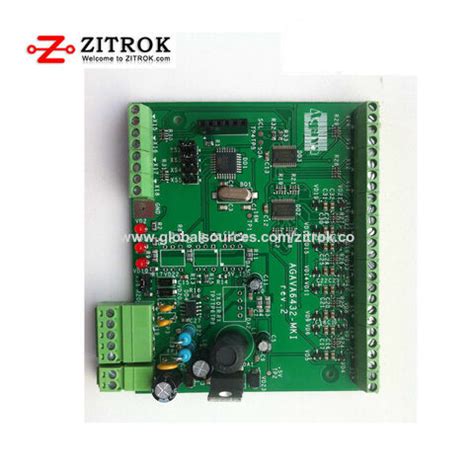
In PCB assembly for high-stakes industries like aerospace or medical devices, precision isn’t optional—it’s imperative. Advanced PCBA workflows now integrate laser-direct imaging and microvia drilling to achieve tolerances under 25µm, ensuring flawless performance in mission-critical electronics. For applications such as implantable medical sensors or avionics control systems, prototyping cycles demand more than speed; they require zero-defect processes validated through automated optical inspection (AOI) and 3D X-ray analysis.
Leading manufacturers leverage ultra-rapid PCB assembly techniques to compress prototyping phases without compromising accuracy. Multi-layer boards with high-density interconnects (HDI) are assembled using pick-and-place systems operating at 50,000 components per hour, paired with real-time solder paste inspection. This synergy between velocity and exactness enables engineers to iterate complex designs in days rather than weeks—a critical advantage when developing next-gen automotive ADAS modules or IoT infrastructure components.
By embedding DFM (Design for Manufacturing) checks early in the PCBA process, teams preemptively address thermal management and signal integrity issues, reducing post-prototype revisions. Such methodologies not only accelerate timelines but also align with stringent ISO 13485 and IATF 16949 standards governing medical and automotive sectors, respectively.
Accelerating IoT Device Production Cycles
The exponential growth of IoT ecosystems demands PCB assembly processes that align with compressed development timelines. As connected devices evolve from smart sensors to edge-computing systems, manufacturers face mounting pressure to reduce PCBA lead times without compromising reliability. Advanced assembly techniques, including automated optical inspection (AOI) and laser-direct imaging, now enable sub-48-hour prototyping for complex multi-layer boards—critical for iterative IoT hardware designs.
By integrating just-in-time PCB assembly with component sourcing networks, suppliers can synchronize production with firmware development cycles. This synergy is particularly vital for low-power wireless modules and embedded systems, where even minor design tweaks require rapid physical validation. Leading-edge PCBA providers further accelerate timelines through parallelized workflows, where concurrent testing of RF components and power management ICs occurs alongside board population.
For IoT innovators, this velocity translates to faster market entry—a decisive advantage in sectors like industrial automation and smart infrastructure. Case studies show that 24-hour turnkey assembly services reduce time-to-market by 30–40% for sensor-heavy devices, while maintaining IPC Class 3 standards for mission-critical applications. The result? Scalable manufacturing frameworks that keep pace with the agile development ethos defining modern IoT ecosystems.
Medical Electronics Rapid Assembly Strategies
In mission-critical healthcare applications, PCB assembly timelines directly impact patient outcomes. Cutting-edge medical-grade PCBA processes now integrate automated optical inspection (AOI) with AI-driven defect detection, reducing validation cycles by 40% compared to traditional methods. Advanced manufacturers like Rocket PCB employ laser-direct imaging (LDI) to achieve 25µm trace tolerances, essential for implantable devices and diagnostic equipment.
Strategies focus on concurrent engineering – aligning design-for-manufacturability (DFM) reviews with material procurement to compress lead times. For emergency ventilator production during supply chain disruptions, just-in-time component kitting combined with high-density interconnect (HDI) PCBA enabled 72-hour delivery of functional prototypes. ISO 13485-certified facilities further prioritize traceability protocols, embedding encrypted UID markers during solder paste printing to streamline post-assembly compliance audits.
Thermal management remains critical when accelerating medical PCB assembly. Selective conformal coating applied via robotic dispensers ensures reliability in sterilization cycles without delaying curing phases. Recent advancements in low-temperature soldering alloys (melting points <180°C) now allow faster reflow profiles while protecting sensitive biosensor components. These innovations position rapid-turn PCBA as a strategic enabler for next-generation telemedicine devices and portable monitoring systems.
Automotive-Grade PCB Speed Manufacturing
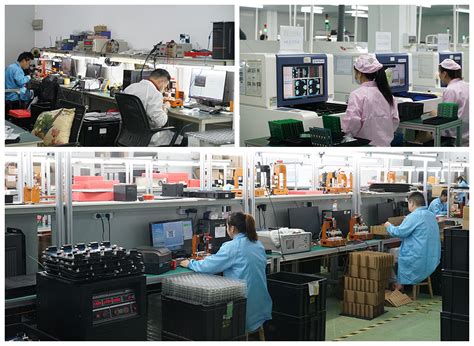
The demand for PCB assembly services in automotive applications has intensified as vehicle systems evolve toward electrification and autonomous functionality. Automotive-grade PCBA requires unparalleled precision, with components engineered to withstand extreme temperatures, vibrations, and long-term reliability demands. To meet stringent production timelines, manufacturers now deploy high-velocity pick-and-place systems paired with automated optical inspection (AOI), reducing cycle times by up to 40% compared to traditional methods.
Critical to this acceleration is the integration of Industry 4.0-ready workflows, enabling real-time monitoring of solder paste application and component alignment. For electric vehicle (EV) control modules or ADAS (Advanced Driver Assistance Systems), PCB assembly processes are optimized for zero-defect tolerances, leveraging laser-direct imaging (LDI) and halogen-free substrates to ensure compliance with automotive safety standards like IATF 16949.
Supply chain agility further bolsters speed-to-market, with just-in-time material sourcing and dual-track prototyping—allowing simultaneous validation of mechanical and electrical performance. This approach minimizes redesign loops for PCBA in applications such as battery management systems or infotainment units, where delayed iterations could derail product launches. By aligning rapid manufacturing with automotive-grade durability, suppliers can deliver mission-critical boards in as few as 72 hours without compromising on thermal resilience or signal integrity.
Mission-Critical Electronics Assembly Innovations
In industries where reliability and precision are non-negotiable, advancements in PCB assembly technologies are redefining performance benchmarks. Mission-critical applications—from aerospace avionics to industrial automation systems—demand zero-defect manufacturing processes and traceability at every stage. Modern PCBA workflows now integrate AI-driven defect detection, high-density interconnect (HDI) layouts, and advanced conformal coating techniques to ensure resilience in extreme environments.
Leading manufacturers like QualEco Circuits leverage automated optical inspection (AOI) systems paired with real-time data analytics to minimize human error, achieving sub-24-hour turnaround times without compromising quality. For instance, multilayer rigid-flex boards used in satellite communications undergo rigorous thermal cycling tests post-assembly, ensuring functionality under fluctuating temperatures. Additionally, the adoption of low-loss dielectric materials in PCB assembly enhances signal integrity for high-frequency medical imaging devices and military-grade radar systems.
These innovations not only accelerate production but also align with stringent regulatory standards, such as ISO 13485 for medical devices or IATF 16949 for automotive electronics. By prioritizing both speed and precision, next-gen PCBA solutions are empowering engineers to meet escalating demands for mission-ready electronics.
Streamlined PCB Processes for Tight Deadlines
Meeting compressed timelines in electronics manufacturing demands PCB assembly workflows optimized for speed without compromising quality. Leading-edge facilities now employ design-for-manufacturability (DFM) analysis during pre-production, resolving potential bottlenecks before PCBA begins. Automated component placement systems paired with laser-direct imaging reduce setup times by 40-60% compared to traditional methods, as highlighted in industry studies.
Critical-path optimization techniques synchronize material procurement with PCB assembly stages, enabling concurrent engineering for time-sensitive medical implants and automotive control modules. Real-time production monitoring via IoT-enabled platforms allows instantaneous adjustments, maintaining sub-24-hour cycle times even for multilayer boards. Advanced solder paste formulations with rapid curing profiles further accelerate PCBA while meeting IPC Class 3 reliability standards.
For prototype-to-production transitions, manufacturers utilize unified digital threads connecting CAD designs with automated test jigs – a strategy proven to reduce requalification phases by 72% in aerospace applications. This integration ensures compliance with automotive-grade AEC-Q100 protocols and medical ISO 13485 requirements remains intact despite accelerated timelines, addressing the growing demand for first-time-right manufacturing in mission-critical sectors.
Conclusion
As industries evolve toward increasingly time-sensitive production demands, the strategic implementation of ultra-rapid PCB assembly becomes indispensable. By leveraging advanced PCBA workflows, manufacturers can address critical challenges in high-stakes sectors like automotive, medical technology, and IoT development. The integration of 24-hour turnarounds and precision-engineered prototyping ensures that even mission-critical electronics meet rigorous performance standards without compromising timelines.
For automotive-grade systems or life-saving medical devices, the ability to streamline PCB assembly processes directly correlates with market responsiveness and innovation velocity. Modern solutions now prioritize not only speed but also traceability and compliance, aligning with stringent industry regulations. This balance of acceleration and accountability positions PCBA as a cornerstone of next-generation manufacturing, enabling companies to adapt to dynamic supply chain requirements while maintaining competitive agility.
Ultimately, the shift toward fast PCB assembly reflects a broader industrial imperative: delivering high-reliability electronics at the pace of technological advancement. By adopting these methodologies, businesses can future-proof their operations, ensuring scalability and resilience in an era where time-to-market is synonymous with success.
Frequently Asked Questions
How does rapid PCB assembly benefit time-sensitive projects?
PCB assembly services with accelerated timelines enable mission-critical applications to meet tight deadlines without compromising quality. Advanced PCBA processes integrate automated optical inspection (AOI) and real-time component tracking to maintain precision during high-speed production.
What industries prioritize 24-hour PCB manufacturing?
Medical device developers, automotive tech innovators, and IoT manufacturers rely on ultra-rapid PCB assembly for prototyping and scaling. These sectors require ISO-certified processes to ensure reliability in applications like patient monitoring systems or autonomous vehicle controls.
Can complex designs maintain accuracy in fast-turnaround PCB assembly?
Yes. Modern PCBA providers combine DFM (Design for Manufacturability) analysis with multi-layer board expertise, ensuring even 18-layer designs meet IPC Class 3 standards within 48-hour cycles.
How do accelerated cycles impact material sourcing?
Leading PCB assembly partners utilize vetted global supply chains and on-demand inventory management, guaranteeing component availability for sudden production spikes while preventing obsolescence risks.
Are rapid prototypes suitable for regulatory submissions?
Absolutely. Medical-grade PCB assemblies produced under ISO 13485 frameworks provide audit-ready documentation, accelerating FDA or CE certification processes for diagnostic equipment.
Ready to Accelerate Your Electronics Project?
Streamline your timeline with industrial-grade PCB assembly solutions. For immediate support on urgent prototypes or production-scale orders, please click here to consult our engineering team.