Understanding Assembled PCB Components and Their Significance

Key Takeaways
When delving into pcb assembly, one must recognize the critical role played by various components in ensuring the functionality and reliability of electronic devices. The significance of these components cannot be overstated; they serve not just as passive elements but as the backbone of any functioning PCBA (Printed Circuit Board Assembly). Each part, whether it be resistors, capacitors, diodes, or integrated circuits, has a distinct function that contributes to the overall purpose of the board. The quality and precision involved in the assembly process directly influence the final product’s performance.
| Component Type | Function | Significance |
|---|---|---|
| Resistor | Limits current flow | Protects sensitive parts |
| Capacitor | Stores and releases energy | Stabilizes voltage |
| Diode | Allows current to flow in one direction | Protects against polarity |
| Integrated Circuit | Combines multiple functions in one package | Reduces space requirements |
The assembly process must be conducted with meticulous attention to detail; any oversight can lead to defects that may compromise device performance. Furthermore, as technology advances, so do the methods used in pcb assembly, making it crucial for manufacturers to stay updated with emerging trends and challenges in component technologies. Quality assurance in component selection and assembly is fundamental for delivering resilient products that meet industry standards.
“Attention to detail during PCBA not only affects performance but also influences long-term reliability.”
This highlights a vital consideration for engineers and manufacturers alike: investing in quality components leads to significant gains in product viability. In today’s competitive market, understanding these aspects will empower designers to produce superior electronic solutions.
Introduction to Assembled PCB Components
Assembled printed circuit boards (PCBs) are the backbone of modern electronic devices, seamlessly integrating various electronic components to create functional units. The pcb assembly process involves the precise integration of elements such as resistors, capacitors, diodes, and integrated circuits, all working together harmoniously. Each of these components plays a crucial role in determining how the final product performs. For instance, resistors are essential for controlling current flow, while capacitors can store and release energy quickly, allowing for stable operation in circuits. The assembly quality directly influences not only the functionality but also the reliability and longevity of the device produced. Consequently, an understanding of these PCBA components is vital for designers and manufacturers alike, ensuring that every part is selected carefully and assembled with precision to meet performance standards. Moreover, as technology evolves, so do the methods of pcb assembly, making the knowledge of these components not just relevant but critical in driving innovation and efficiency in electronic manufacturing.
Key Functions of PCB Components
Understanding the key functions of assembled PCB components is essential for anyone involved in electronic design and manufacturing. Each component on a printed circuit board (PCB) plays a vital role in ensuring that the entire system operates smoothly and effectively. For instance, resistors help to control the flow of electric current, providing specific voltage drop necessary for circuit functionality. Meanwhile, capacitors store and release electrical energy, contributing to the stability of power supplies. Furthermore, integrated circuits (ICs) act as the brain of many devices, processing information and managing tasks effectively. Specifically, during pcb assembly, components are selected not only based on their individual functions but also on how they interact with one another to achieve optimal performance in the final product. The precision involved in assembling these components into a complete system—often referred to as PCBA (Printed Circuit Board Assembly)—can significantly influence the overall reliability and efficiency of electronic devices across various applications. Understanding these relationships helps designers make informed decisions about component selection, placement, and assembly techniques, ultimately impacting product performance and longevity.
Types of Components in Assembled PCBs
Assembled printed circuit boards (PCBs) are integral to modern electronic devices, and understanding the various components within them is crucial for both design and functionality. At the core of pcb assembly, you’ll find passive components, such as resistors, capacitors, and inductors, which are essential for managing voltage and current flow. Active components, including integrated circuits (ICs) and microcontrollers, perform essential functions that range from data processing to signal amplification. Additionally, components like connectors and switches play a vital role in ensuring connectivity and user interaction with the electronic device. Each of these components is strategically placed during the pcba process to optimize space efficiency while maintaining performance integrity. The quality of these individual parts, as well as the precision involved in their assembly, directly impacts the overall performance of the final product. For instance, improperly soldered connections can lead to functionality issues or device failures. Therefore, recognizing the diverse roles of these components not only aids in understanding their significance within an assembled PCB but also underscores the importance of high-quality assembly practices for reliable electronic devices.
The Assembly Process: Quality and Precision
The pcb assembly process is a crucial aspect of electronic manufacturing that demands both precision and attention to detail. During this process, various components are meticulously positioned and soldered onto the printed circuit board (PCB) to form a functional unit, known as PCBA (Printed Circuit Board Assembly). This stage involves multiple methodologies, including surface mount technology (SMT) and through-hole technology, each requiring different levels of skill and equipment. The effectiveness of the assembly process directly affects the integrity and reliability of the final product. High-quality assembly ensures that the electrical connections are solid, reducing potential failures in electronic devices. Additionally, maintaining strict standards during pcb assembly not only enhances performance but also increases longevity, ultimately contributing to customer satisfaction. By leveraging advanced technologies such as robotics and automated inspection systems within the assembly line, manufacturers can minimize errors and uphold a consistent level of quality. Therefore, comprehending each phase of the PCB assembly process is vital for anyone involved in electronic design and manufacturing industries aiming to succeed in today’s competitive market.
Impact of Component Quality on Product Performance
The quality of components in pcb assembly significantly influences the overall performance and reliability of electronic products. Each part, including resistors, capacitors, and integrated circuits, plays a critical role in ensuring that the assembled PCB, or PCBA, functions as intended. High-quality components contribute to reduced failure rates, enhanced durability, and better performance under varying operational conditions. When manufacturers prioritize top-notch components, they not only boost the efficiency of the device but also enhance its lifespan. On the other hand, subpar components can lead to a cascade of issues, including signal integrity problems and overheating, which ultimately results in costly repairs or replacements. Hence, understanding the impact of component quality is essential for achieving optimal functionality and reliability in electronic assemblies, making it a vital consideration during the design and manufacturing phases. In conclusion, investing in superior components during pcb assembly is crucial for ensuring that products meet performance expectations and maintain market competitiveness.
Trends in PCB Component Technology
In the ever-evolving world of electronics, the trends in PCB component technology are crucial for the development and enhancement of pcb assembly processes. As devices become more compact and complex, manufacturers are increasingly relying on advanced components that offer superior performance while maximizing space efficiency. Innovations such as miniaturization of components, improved soldering techniques, and the integration of multifunctional parts have emerged as key drivers in this sector. Additionally, the adoption of environmentally friendly materials and processes has become increasingly significant due to growing sustainability concerns. Emerging technologies like surface-mount technology (SMT) have transformed traditional practices in pcba, allowing for higher density placements and improved reliability. Moreover, the widespread use of automated assembly techniques is enhancing precision during assembly, which is pivotal for achieving high-quality finished products. The focus on establishing stringent quality control measures during the manufacturing process underscores the importance placed on component quality as it directly influences overall product performance in various applications, from consumer electronics to industrial systems. As industry demands continue to shift, staying updated with these trends enables manufacturers to deliver innovative solutions that meet evolving market needs effectively.
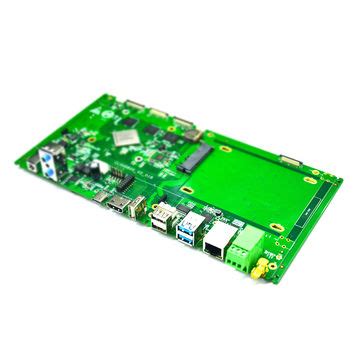
Challenges in Assembling PCBs and Solutions
As the demand for printed circuit board assembly (PCB assembly) continues to grow, several challenges arise during the pcba process that can affect production efficiency, quality, and ultimately, the performance of electronic devices. One significant challenge is the complexity of modern electronic designs that incorporate a wide variety of components with differing specifications. Managing these diverse components during the assembly process requires meticulous planning and organization to ensure compatibility and functionality. Additionally, issues such as misalignment or poor soldering can lead to defective connections, which necessitates thorough quality control measures.
Another challenge lies in sourcing high-quality components that meet industry standards while staying within budget constraints. Ensuring that all materials are reliable is crucial for minimizing failures in the final product. This underscores the importance of working with reputable suppliers who can guarantee consistent quality.
Furthermore, as technology progresses, manufacturers face the increased pressure of keeping up with short product life cycles. Rapid advancements may lead to outdated manufacturing equipment or processes that cannot accommodate newer component types or designs. To mitigate this challenge, investments in modern manufacturing technologies and ongoing staff training are essential for maintaining a competitive edge.
To overcome these challenges, adopting proactive solutions is vital. Implementing advanced automation and precision machinery can greatly enhance efficiency and reduce human error during assembly. Utilizing robust software solutions for design verification and component tracking aids in ensuring that every piece fits seamlessly into the overall design. Moreover, establishing strong communication channels among design engineers, suppliers, and manufacturers can enhance collaboration, leading to smoother processes and superior outcomes in pcba projects.
By addressing these challenges head-on with innovative solutions and a focus on quality assurance, companies can significantly improve their PCB assembly processes while fostering an environment conducive to technological advancement and market competitiveness.
Conclusion
In summary, the role of assembled PCB components in electronic design is paramount, as they serve as the backbone for functionality and performance. Through our exploration, it has become clear that each component—whether it be a resistor, capacitor, or integrated circuit—plays a distinct role in ensuring that the pcb assembly operates effectively. The precision involved in the pcba process not only affects individual component performance but also influences the overall functionality of the final product. As technology progresses, innovations in the types of components and their assembly techniques continue to emerge, improving efficiency and reliability. By understanding these intricacies and focusing on quality during production, manufacturers can ensure that they meet industry standards while delivering exceptional electronic products. Moving forward, attention must be directed towards addressing challenges within pcb assembly, as these obstacles can significantly impact product reliability and market competitiveness.
FAQs
What is an assembled PCB?
An assembled PCB, or PCBA, refers to a printed circuit board that has undergone the process of pcb assembly, where various electronic components are soldered onto the board to create a functional unit. These components work together to perform electrical functions essential for electronic devices.
What are the key components found on a PCB?
The key components on an assembled PCB include resistors, capacitors, integrated circuits (ICs), and various connectors. Each of these plays a crucial role in the overall functionality of the electronic circuit, contributing to its efficiency and effectiveness.
How does quality affect PCB assembly?
Quality in pcb assembly is paramount as it significantly impacts product performance. Properly assembled components ensure reliability and longevity of the device, reducing the likelihood of failures that can arise from poor soldering or faulty parts.
What trends are currently shaping component technology for PCBs?
Emerging trends in component technology for assembled PCBs include miniaturization, increased integration of functions within single chips, and advances in materials that enhance thermal management. These trends help designers create more efficient and compact electronics while managing power consumption better.
What challenges exist in assembling PCBs?
Challenges in pcb assembly can include component placement accuracy, maintaining solder quality, and managing heat during the manufacturing process. Effective solutions often involve advanced automated techniques and quality assurance measures to ensure high standards are met during production.
For more information about pcb assembly, please click here: Andwin PCB Assembly