Understanding Bare Copper PCBs for Enhanced Connectivity
Key Takeaways
Understanding the nuances of bare copper PCBs is essential for anyone involved in pcb manufacturing or considering partnerships with pcb manufacturing companies. As you delve into the world of pcb manufacturing, it’s vital to recognize how these bare copper PCBs can significantly enhance connectivity within electronic designs. Unlike traditional boards, they offer a more direct electrical pathway, leading to improved signal integrity and reduced resistance. The advantages extend beyond connectivity; these boards often result in lower overall pcb manufacturing costs due to fewer layers and materials needed in the design. For those venturing into the pcb manufacturing business, embracing the technology of bare copper can lead to innovative applications in high-frequency circuits, RF designs, and even consumer electronics. It is important for you to keep in mind that while there are challenges associated with their use—such as oxidation and handling—understanding these aspects allows you to leverage the full potential of bare copper technology for enhanced performance and reliability in your products.
Introduction to Bare Copper PCBs
When it comes to pcb manufacturing, understanding bare copper PCBs is paramount for achieving superior connectivity in electronic designs. Unlike traditional boards, bare copper PCBs feature exposed copper traces that facilitate direct electrical connections, which can significantly enhance performance. The role of bare copper in PCB technology can’t be overstated—it leads to reduced resistance, decreased signal loss, and improved overall electrical performance. As a designer or manufacturer, familiarizing yourself with the nuances of bare copper can be a game-changer, especially if you work with pcb manufacturing companies that prioritize cutting-edge technologies.
To illustrate the impact of bare copper on your projects, consider the comparative benefits it offers against standard PCB materials:
| Feature | Bare Copper PCB | Traditional PCB |
|---|---|---|
| Electrical Connectivity | High | Moderate |
| Signal Integrity | Superior | Average |
| Manufacturing Cost | Varies | Generally lower |
| Ideal Applications | High-frequency devices, Sensors | Standard devices |
Exploring your options in the pcb manufacturing business, you may find that while the initial setup cost for bare copper alternatives can be higher due to specialized processes and materials used during fabrication, the long-term benefits often outweigh these costs. Furthermore, by leveraging bare copper technology in your designs, you not only enhance connectivity but also foster greater reliability in your electronic products. For more details on effective integration and manufacturing practices, you can visit Andwin PCBA.
The Importance of Connectivity in Electronics
In the realm of electronics, connectivity stands as a cornerstone that underpins the effectiveness and performance of various devices. Whether you are developing a consumer gadget or a complex industrial system, understanding the dynamics of connectivity can significantly impact your design’s success. A critical aspect to consider is the role that bare copper PCBs play in this arena. Unlike traditional printed circuit boards, which may feature surface finishes that can impede connectivity, bare copper PCBs offer direct electrical contacts and lower resistance paths. As you navigate through pcb manufacturing, it’s important to recognize how using bare copper can reduce signal loss and enhance overall conductivity across your designs. This is particularly relevant when working with pcb manufacturing companies, which often emphasize innovation and performance as key selling points. The pcb manufacturing cost may be higher initially when opting for bare copper; however, the long-term benefits—such as reduced failures and improved reliability—make it a worthy investment for your pcb manufacturing business. In essence, fostering strong and efficient connectivity not only boosts device functionality but also positions your designs for success in an increasingly competitive market.
Advantages of Bare Copper PCBs Over Traditional Boards
Bare copper PCBs offer several notable advantages over their traditional counterparts, particularly when it comes to enhancing connectivity and performance. One significant benefit is the direct exposure of copper, which allows for a more effective electrical connection, thereby reducing resistance and improving signal integrity. This enhanced conductivity can lead to greater efficiency in pcb manufacturing processes, ultimately benefiting both the manufacturer and the end user.
Additionally, by using bare copper instead of plated finishes, you can achieve a more reliable connection in various environmental conditions, as bare copper is less susceptible to oxidation than surface finishes used in traditional boards. Consequently, bare copper PCBs often demonstrate a longer lifespan within electronic devices.
Another factor to consider is the impact on pcb manufacturing costs. While the initial costs may be competitive, the long-term savings from reduced maintenance and enhanced reliability present a compelling case for transition from traditional boards to bare copper options. If you’re considering engaging with different pcb manufacturing companies, it’s vital to ask about their capabilities in producing these advanced designs.
“Investing in quality materials today can prevent costly repairs tomorrow.”
This statement underscores the importance of choosing appropriate materials in your PCB designs—applying this philosophy can enhance both performance and reliability within your projects. Ultimately, as you explore your options within the realm of PCB production, you’ll find that bare copper technology offers distinct advantages that can greatly influence the success of your electronic designs.
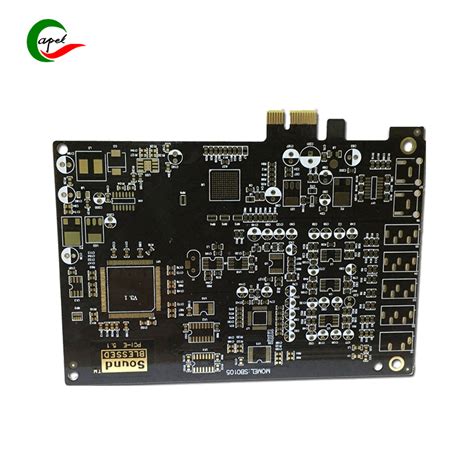
Key Applications of Bare Copper PCBs in Modern Designs
Bare copper PCBs play a vital role in optimizing various electronic designs, particularly where enhanced connectivity is paramount. In sectors like telecommunications, automotive, and consumer electronics, the use of bare copper technology can significantly improve signal integrity and minimize loss. This is especially crucial in high-frequency applications, where traditional boards might struggle due to increased resistance. When you explore the capabilities of bare copper PCBs, you’ll notice that their excellent thermal conductivity allows for efficient heat dissipation, making them ideal for power electronics and devices that experience high operational temperatures.
Moreover, pcb manufacturing processes are evolving, with many pcb manufacturing companies now focusing on the advantages that bare copper offers. As you consider your next project, the lower pcb manufacturing cost associated with these boards should not be overlooked; they can often reduce expenses by minimizing the need for additional layers or heat sinks. In addition, within the ever-competitive pcb manufacturing business, incorporating bare copper designs can lead to products that not only meet performance expectations but also stand out due to their reliability and efficiency in real-world applications. Therefore, if you’re looking to push the boundaries of your designs while ensuring robust connectivity and performance, bare copper PCBs should be a significant consideration in your design strategy.
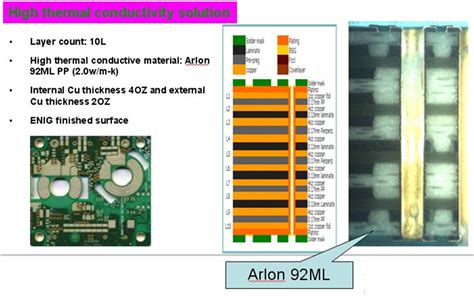
Enhancing Performance and Reliability with Bare Copper Technology
The integration of bare copper PCBs into your electronic designs significantly boosts both performance and reliability. Unlike traditional boards that often rely on surface treatments that can degrade connectivity, bare copper technology provides a direct metal-to-metal connection. This enhances electrical conductivity, ensuring that signals can traverse more efficiently and effectively. When considering pcb manufacturing, it’s essential to recognize how the raw integrity of bare copper can lower the pcb manufacturing cost by reducing the need for additional layers or materials, which contributes to a more streamlined production process. Moreover, pcb manufacturing companies specializing in this technology often report fewer issues with signal integrity and loss over time. This reliability not only benefits the immediate function of your devices but also prolongs their lifespan, decreasing long-term costs. By choosing bare copper solutions, you position your pcb manufacturing business at the forefront of innovation in electronic design, maximizing both performance metrics and overall device dependability.
Best Practices for Designing with Bare Copper PCBs
When it comes to designing with bare copper PCBs, adopting the right strategies is essential for optimizing your electronic projects. Start by ensuring that your pcb manufacturing processes are well-defined, as the quality of the final product heavily relies on the intricacies of manufacturing techniques employed by reputable pcb manufacturing companies. To achieve the best performance, use appropriate surface treatments that minimize oxidation while maintaining high conductivity levels. Additionally, consider your stack-up design carefully; you should strive for a balanced configuration to avoid signal integrity issues.
It’s also essential to pay attention to your pcb manufacturing cost, as high-performance materials and design requirements can impact your budget. However, investing in quality materials usually translates to better long-term reliability and performance in your applications. Incorporating thermal management solutions is another best practice; bare copper heat sinks, for instance, can dramatically enhance thermal dissipation when used effectively in your layout.
Moreover, when collaborating with a pcb manufacturing business, ensure clear communication regarding design specifications and tolerances. This proactive approach helps prevent any costly revisions later on in the development cycle. Lastly, leverage modern design software that can simulate and analyze electrical performance to anticipate any potential issues before physical production begins. By adhering to these best practices, you will not only enhance connectivity but also solidify the foundation for successful projects utilizing bare copper PCBs.
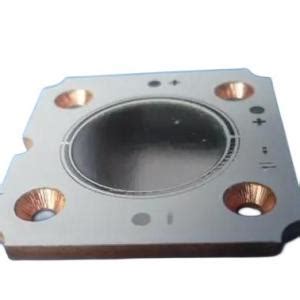
Challenges and Considerations in Using Bare Copper PCBs
While bare copper PCBs offer significant advantages in terms of connectivity and performance, there are also challenges and considerations that you should keep in mind when integrating them into your designs. One key factor to consider is their susceptibility to oxidation—exposed copper can tarnish quickly, leading to potential connectivity issues. To mitigate this, ensuring that your PCB manufacturing process includes protective coatings or treatments can help maintain performance over time. Additionally, the pcb manufacturing cost for bare copper boards may be higher than for traditional laminated boards due to the specialized processes and materials required. This cost consideration often prompts a thorough analysis of whether the benefits justify the investment, especially if you work with various pcb manufacturing companies. Moreover, different applications may impose unique thermal or mechanical stresses on bare copper PCBs, necessitating careful selection based on your specific needs. As you navigate the pcb manufacturing business, understanding these challenges will allow you to make informed decisions that balance performance with practicality, ensuring that your electronic designs remain both effective and reliable.
Conclusion
In summary, understanding the significance of bare copper PCBs is crucial for anyone involved in pcb manufacturing or utilizing these essential components in electronic designs. The benefits of bare copper, including enhanced connectivity and improved thermal performance, make it a preferable choice for various applications. Many people overlook the fact that pcb manufacturing companies often face challenges when integrating these materials effectively. However, being mindful of the pcb manufacturing cost associated with using bare copper can lead to better-informed decisions and optimized designs. Your choices in the pcb manufacturing business can greatly influence not just your project’s outcome but also its long-term reliability and effectiveness. As you move forward, remember that adopting bare copper technology can significantly impact connectivity and performance in your electronic projects.
FAQs
What are Bare Copper PCBs?
Bare copper PCBs are printed circuit boards that utilize copper as the primary conductive material, which enhances electrical connectivity and performance. Unlike traditional boards that may use coated surfaces, bare copper provides a direct pathway for electrical flow.
How do Bare Copper PCBs improve connectivity?
The absence of layers or coatings in bare copper PCBs allows for better signal transmission and reduced impedance. This translates to faster data rates and improved overall performance in your electronic devices.
What advantages do Bare Copper PCBs hold over traditional boards?
Bare copper PCBs offer several benefits, including lower pcb manufacturing cost, enhanced thermal conductivity, and increased durability. These advantages make them suitable for high-performance applications requiring reliable components.
In what applications are Bare Copper PCBs used?
You can find bare copper PCB technology in various sectors such as telecommunications, aerospace, military equipment, and automotive applications. Their reliability in demanding environments makes them indispensable to modern electronics.
How should one approach designing with Bare Copper PCBs?
When designing with bare copper boards, it’s crucial to consider factors such as pcb manufacturing business requirements, thermal management, and solderability. Ensuring proper design can prevent issues during production and improve functionality.
What challenges may arise when using Bare Copper PCBs?
While embracing the benefits of bare copper technology, you may encounter challenges such as susceptibility to oxidation and handling difficulties. Implementing proper storage and handling techniques can mitigate these issues effectively.
For more insights on pcb manufacturing, please click here.