Understanding Blank PCB Board Prices for Your Projects
Key Takeaways
Understanding the price of blank PCB boards is crucial for the success of your electronics projects. Prices can vary significantly based on a multitude of factors including quality, size, and the complexity of design. One major element influencing pcb manufacturing cost is the quality of materials used. Higher quality materials enhance durability and performance but inevitably increase your final costs. Additionally, different pcb manufacturing companies implement varying manufacturing techniques which can also lead to price fluctuations.
To help you better visualize this, consider the following table that outlines how different factors impact pricing:
| Factor | Impact on Cost |
|---|---|
| Material Quality | Higher quality = higher cost |
| Manufacturing Technique | Complex designs may be costlier |
| Volume Discounts | Larger orders can reduce costs |
| Labor Costs | Regions with higher labor costs affect pricing |
“Affordable pricing is often found in bulk orders, so consider scaling your projects if feasible.”
When planning your budget, it’s essential to remain aware of current market trends in blank PCB board pricing and stay flexible for any changes. Knowing where to buy can also help you cut down on pcb manufacturing costs, as some suppliers may offer competitive rates compared to others. As you navigate the world of pcb manufacturing, keep these insights in mind to ensure your projects remain financially viable while meeting your specifications.
Understanding the Basics of Blank PCB Boards
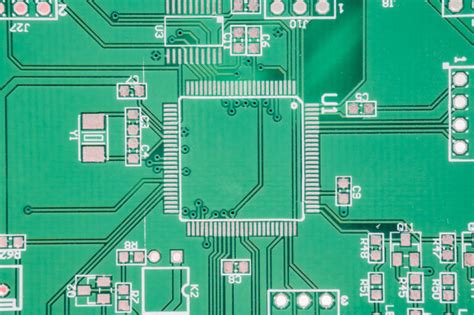
When embarking on your journey into the world of blank PCB boards, it’s crucial to grasp the foundational concepts surrounding them. These specialized boards serve as the backbone for numerous electronic projects, enabling the effective connection of components. The primary substance used in their construction is typically a composite material, often referred to as a substrate. This substrate not only influences the overall performance but also contributes significantly to pcb manufacturing costs.
As you navigate your options, you’ll notice various pcb manufacturing companies that offer distinct price points depending on several factors. The thickness of the board, quality of materials, and specific features you might require—such as multilayer designs—are all pivotal aspects that can affect pricing. Understanding these variables will empower you to make informed decisions and optimize your budget effectively.
Moreover, it’s essential to be aware of current market trends in pcb manufacturing. As demand fluctuates due to technological advancements and evolving market needs, you might find prices adjusting accordingly. Staying updated on these trends can lead you to more cost-effective solutions for your pcb manufacturing business, ultimately enhancing your project’s success.
For further insights into cost-effective options and quality products, consider exploring vendors known for their reliability and customer service through platforms such as Andwin PCBA.
Factors Affecting Blank PCB Board Prices
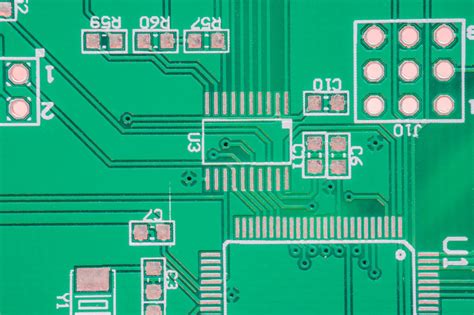
When considering blank PCB board prices, several factors come into play that can significantly impact the overall pcb manufacturing cost. First and foremost, the choice of materials is crucial; high-quality substrates often lead to improved performance but can increase your expenses. Companies engaged in pcb manufacturing strive to balance quality and cost-effectiveness, as it’s essential to understand how these elements work together. The methods employed by pcb manufacturing companies also contribute to pricing variations. Advanced technologies and intricate fabrication processes may yield superior products but at a premium price. Additionally, the scale of your production affects costs significantly; smaller batches might mean higher unit prices due to inefficiencies in manufacturing. Lastly, you should keep an eye on market trends, as fluctuations in demand and supply chains can lead to unexpected changes in pricing. By examining these different aspects, you can make informed decisions that will benefit your pcb manufacturing business and allow you to budget effectively for your upcoming projects.

Comparing Material Quality and Its Impact on Cost
When considering blank PCB board prices, it’s crucial to understand how material quality plays a significant role in determining costs. Different pcb manufacturing processes utilize varying materials, each with its own price point and performance characteristics. For instance, a standard FR-4 material might be less expensive compared to premium options like polyimide or Rogers materials, which are favored for their thermal and electrical performance. This choice directly affects the pcb manufacturing cost; opting for higher quality materials can lead to increased durability and improved functionality in high-stakes applications. Additionally, working with reputable pcb manufacturing companies might initially seem like a higher investment but often results in better adherence to industry standards, enhancing the overall quality of the final product. As you navigate prices, be aware that there’s often a trade-off between quality and cost; while cheaper boards might initially appear budget-friendly, the potential for increased failure rates or limited functionality could ultimately impact your project’s success. Understanding these dynamics will help you make informed decisions as you budget for your projects in the ever-evolving landscape of the pcb manufacturing business.
Manufacturing Techniques and Their Influence on Pricing
When delving into blank PCB board prices, one crucial aspect to understand is how manufacturing techniques can significantly affect the overall pcb manufacturing cost. Various methods used by pcb manufacturing companies not only determine the quality of the final product but also impact the pricing structure. For instance, advanced techniques such as laser etching or HDI (High-Density Interconnect) construction usually lead to higher costs due to their complexity and the expertise required. Conversely, simpler methods may reduce costs but could compromise on precision and durability. As you evaluate your budget for a pcb manufacturing business, consider that opting for higher-quality manufacturing techniques might incur an initial expenditure, yet it often results in long-term savings through enhanced performance and reliability of your PCBs. Ultimately, understanding these nuances in manufacturing techniques can empower you to make informed decisions and negotiate better prices, ensuring that your projects not only meet quality standards but also align with your financial expectations.
Market Trends in Blank PCB Board Pricing
As you navigate the landscape of blank PCB board prices, it’s essential to recognize the current market trends that are shaping this industry. The pcb manufacturing sector has seen significant fluctuations over the past few years, primarily driven by factors such as demand shifts, technological advancements, and global supply chain challenges. When considering the pcb manufacturing companies available to you, bear in mind that production capacities and specialization can vary widely, impacting pricing. For instance, those companies focusing on high-tech applications may charge more due to increased material quality and specialized manufacturing techniques.
Another crucial factor is the pcb manufacturing cost, which can vary based on volume orders. Larger bulk purchases often lead to more competitive rates, reflecting economies of scale in production. Additionally, fluctuations in raw material prices have a direct effect on the overall market pricing of blank PCBs. As you assess potential suppliers or partners in your pcb manufacturing business, staying informed about these trends allows you to better estimate costs and budget effectively for your projects. Understanding these dynamics not only helps you make informed decisions but also positions you advantageously in a competitive environment where pricing strategies are constantly evolving.
Budgeting Tips for Your PCB Board Projects
When embarking on your PCB projects, it’s essential to consider the budget carefully, especially as PCB manufacturing costs can vary significantly based on several factors. First, always evaluate the material quality used in your boards; higher-quality materials often lead to higher prices but can enhance performance and reliability.
Next, be aware of different manufacturing techniques employed by various PCB manufacturing companies. Techniques such as advanced layering and surface treatments can increase production costs but may be necessary for achieving specific functionalities or durability standards in your project. Therefore, it’s advisable to obtain quotes from multiple PCB manufacturing companies to compare prices effectively.
Additionally, understanding market trends in the industry can help you forecast potential price hikes or dips. This knowledge allows you to buy when prices are favorable or plan your purchases over time to avoid significant budget strains.
Finally, consider looking into local versus international suppliers—while local manufacturers may charge more due to reduced shipping costs and quicker turnaround times, global suppliers might offer more competitive pricing but could involve longer lead times. Balancing these factors will help ensure that you maintain control over your project’s budget while achieving the desired outcomes for your products. Remember that every choice impacts the overall cost of your PCB manufacturing business, so staying informed is key to making sound financial decisions for your projects.
Where to Buy: Sourcing Options for Affordable PCBs
When it comes to sourcing blank PCB boards, you’ll find a variety of options available to suit your specific needs and budget. PCB manufacturing companies can offer a diverse range of products, so it’s essential to evaluate your choices. Online platforms often feature competitive pricing on blank PCB boards, allowing you to compare PCB manufacturing costs from various suppliers easily. Watching for seasonal sales or bulk purchase discounts can significantly reduce your expenses. Additionally, reaching out directly to PCB manufacturing businesses might provide you with opportunities for negotiation on prices or customized services tailored to your requirements, ensuring you get the best value without compromising on quality. Don’t forget to consider local suppliers as well; they may offer reduced shipping costs and quicker turnaround times. By exploring these avenues diligently, you can find affordable solutions that fit into your project’s budget while maintaining the standards necessary for successful PCB implementation.
Future Predictions: What to Expect in PCB Board Pricing
As you look ahead in the realm of blank PCB board prices, several trends and factors are likely to shape the landscape of your budgeting and procurement strategies. The demand for PCB manufacturing continues to rise, driven by advancements in technology and a growing need for electronic components across various industries. This increasing demand may lead to fluctuations in pcb manufacturing costs, which are influenced by global supply chain dynamics, material availability, and the labor market.
Moreover, advancements in manufacturing techniques are expected to optimize production efficiency, potentially lowering costs over time. However, the quality of materials still plays a critical role; as you consider sourcing from different pcb manufacturing companies, understanding how material quality can affect pricing is crucial. You might find that while you can achieve low pricing with certain suppliers, it’s essential to assess whether the quality meets your project needs.
In addition, the competitive nature of the pcb manufacturing business may lead companies to innovate not only in production but also in pricing strategies. This means that being vigilant about market trends will aid you in identifying when it’s the best time to purchase your PCBs at optimal prices. Keeping an eye on these future trends can help you budget effectively and make informed decisions as you embark on your projects. In conclusion, while there are uncertainties regarding future blank PCB board prices, staying informed about market trends and supplier capabilities will equip you with the knowledge needed for successful procurement.
Conclusion
Understanding the intricacies of blank PCB board prices can empower you to make more informed decisions for your projects. As you navigate the pcb manufacturing landscape, it is essential to consider various elements that impact pricing. The pcb manufacturing cost often varies significantly based on factors like the quality of materials used, the sophistication of the manufacturing processes, and the scale of production. For instance, higher quality materials can lead to enhanced performance and durability, but they may also increase costs. Additionally, different pcb manufacturing companies may have unique pricing structures influenced by their production capabilities and geographical locations. Being aware of these dynamics allows you to budget more effectively and explore potential savings opportunities in your pcb manufacturing business. As you review pricing trends and align them with your project requirements, you’ll be better equipped to choose cost-effective solutions that meet your performance needs without compromising quality. Always remain vigilant about market fluctuations and technological advancements that could further affect PCB board prices in the future.
FAQs
What factors should I consider when evaluating pcb manufacturing costs?
When evaluating pcb manufacturing costs, consider factors such as material quality, the complexity of the design, and the volume of production. These elements directly influence the overall pricing structure.
How do different material qualities affect the pcb manufacturing cost?
Higher quality materials typically enhance durability and performance, but they also increase costs. The choice between standard and premium materials will impact your project budget significantly.
Can I find affordable options among various pcb manufacturing companies?
Yes, you can find affordable options by comparing several pcb manufacturing companies. Look for companies that balance quality with competitive pricing to ensure value for your investment.
What is the typical turnaround time for a pcb manufacturing business?
Turnaround time can vary widely based on factors such as complexity and production volume. Generally, you can expect turnaround times ranging from a few days to several weeks.
Are there hidden costs in pcb manufacturing that I should be aware of?
Absolutely! Hidden costs may include design revisions, special coatings, expedited shipping fees, and additional testing requirements. Always request a detailed quote from your chosen supplier to avoid surprises later on.
For more insights on pcb manufacturing, including sourcing affordable options and understanding market dynamics, please click here: AndwinPCB PCB Manufacturing.