Understanding Blank PCB Board Pricing and Its Factors
Key Takeaways
Understanding the pricing of blank PCB boards involves several key elements that you should consider to make informed decisions. First and foremost, it’s essential to recognize that the pcb manufacturing process plays a significant role in setting prices. Different pcb manufacturing companies may have varying capabilities and technologies, leading to fluctuations in pcb manufacturing cost. When you analyze quotes from different suppliers, it’s crucial to consider the materials used; certain high-grade materials will inevitably raise costs but also enhance durability and performance.
Furthermore, the complexity of your design can greatly impact pricing—more intricate designs typically require advanced techniques and longer production times, thus increasing operational expenses. For those embarking on a pcb manufacturing business, understanding these elements not only helps you budget effectively but also aids in communicating your requirements clearly to potential manufacturers. Keep these factors in mind as you evaluate your options; being well-informed can lead to both quality optimizations and cost savings across your projects.
Understanding the Basics of Blank PCB Board Pricing
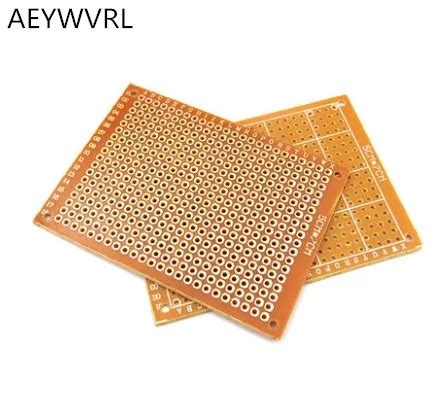
When you consider purchasing a blank PCB board, it’s essential to grasp the fundamental aspects of PCB manufacturing costs. The pricing of blank PCBs can vary significantly due to several influencing factors. Primarily, the PCB manufacturing business you choose can play a crucial role in determining the final cost; different PCB manufacturing companies offer varied pricing structures based on their production techniques, expertise, and overhead costs. Additionally, the intricate relationship between material selection and processing techniques also affects your overall expenditure. For instance, high-grade materials typically incur higher costs due to their durability and performance attributes. Overall, understanding these variables equips you with the knowledge needed to better evaluate your options, ensuring that your choice aligns with both your technical requirements and budget constraints. Furthermore, an awareness of general PCB manufacturing costs will help you negotiate more effectively with suppliers and make informed decisions for your projects.
Key Factors Influencing Blank PCB Board Costs
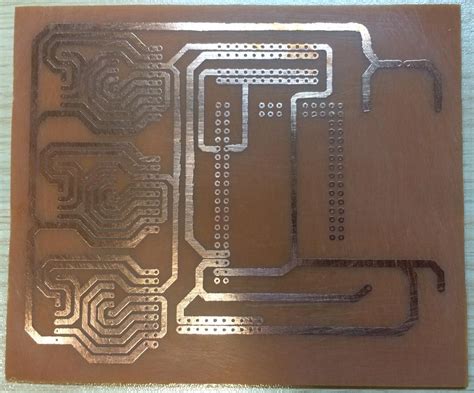
Understanding the cost of blank PCB boards involves several key factors that can significantly affect pricing. One of the primary influences is material selection, as the type of materials used can vary widely in cost and quality. For instance, using high-grade substrates may drive up the PCB manufacturing cost, but they could also enhance the performance and durability of your final product. Additionally, different PCB manufacturing companies may have varying pricing structures based on their supply chain and operational efficiencies.
Manufacturing processes also play a critical role; advanced techniques such as multilayer assembly or specialized surface finishes can elevate prices due to increased complexity. It’s important to assess how these factors align with your product requirements, especially if you are budgeting for a PCB manufacturing business that aims for efficiency and quality.
Furthermore, keep in mind that the complexity of your design will inherently affect your expenses. Intricate designs that require additional lanes or layers automatically incur higher costs. To make informed decisions, consider evaluating comparative prices across different types of blank PCBs before finalizing your purchase.
“Thoroughly evaluating these factors can lead to more strategic budgeting and improved performance in your projects.”
By carefully weighing these aspects and choosing a manufacturer wisely, you can optimize both cost effects and overall quality in your PCB project outcomes. For more insights on PCB manufacturing options, explore resources like Andwin PCB which provide valuable information on competitive pricing and production capabilities.
Material Selection and Its Impact on Pricing
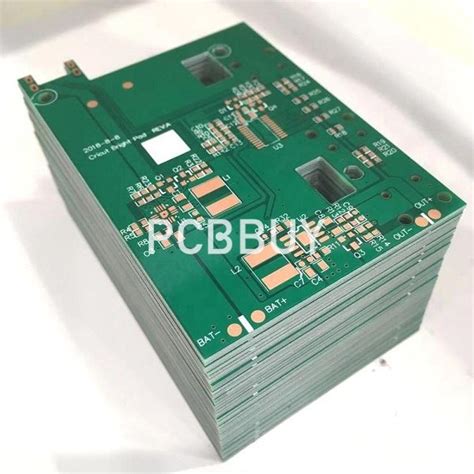
When it comes to understanding blank PCB board pricing, one of the most critical factors is the choice of materials. The type of material selected for your PCB manufacturing significantly influences the overall pcb manufacturing cost. For instance, common materials such as FR-4 are widely used due to their excellent balance of performance and cost-effectiveness, but using high-frequency materials or specialty substrates can result in a higher price tag. Engaging reputable pcb manufacturing companies can yield a range of options in materials suited for various applications, impacting not only costs but also performance characteristics like thermal conductivity and dielectric properties. Furthermore, it’s essential to consider the intended use; if you’re developing a product requiring durability or specific electrical properties, investing in premium material may be essential despite a potentially higher upfront pcb manufacturing cost. Therefore, as you navigate your pcb manufacturing business, understanding how material selection ties into pricing will empower you to make informed decisions tailored to your specific needs while remaining within budget constraints. Making the right choice can save you money in both the short and long run by avoiding costly redesigns or failures associated with subpar materials.
The Role of Manufacturing Processes in PCB Pricing
When considering blank PCB board pricing, it’s crucial to understand how various manufacturing processes influence overall costs. The pcb manufacturing industry encompasses a wide range of techniques, each affecting the final price based on factors such as production volume, complexity of design, and materials used. For instance, pcb manufacturing companies often utilize methods like single-sided, double-sided, and multi-layer printing. More complex designs not only increase the pcb manufacturing cost, but they also require more elaborate processes and stricter quality assurance measures.
Let’s take a closer look at how these different processes can impact costs:
| Manufacturing Process | Typical Use Cases | Cost Impact |
|---|---|---|
| Single-Sided PCB | Basic applications | Lower costs |
| Double-Sided PCB | Intermediate designs | Moderate costs |
| Multi-Layer PCB | Advanced technology | Higher costs |
Each layer added to a board demands additional time, materials, and expertise from the pcb manufacturing business, which naturally raises the price. Additionally, elements such as surface finishes and soldermask applications also contribute to pricing variations across different manufacturers. Understanding these factors allows you to make informed decisions when assessing the potential costs associated with your PCB projects and helps ensure you choose the right option that aligns with your budget and design needs.
Assessing Complexity: How Design Affects PCB Costs
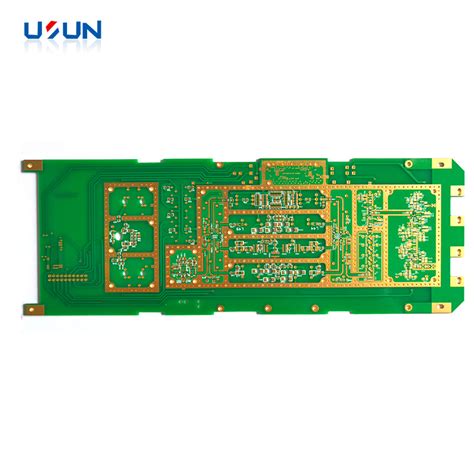
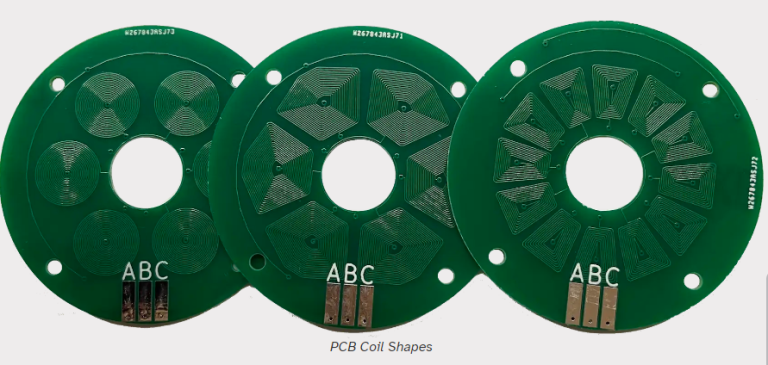
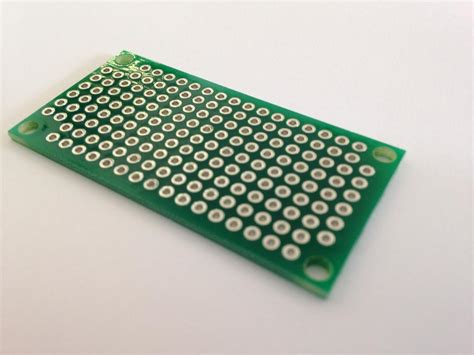
When considering blank PCB board pricing, one of the pivotal elements you must evaluate is the complexity of the design. PCB manufacturing involves intricate techniques that can significantly influence the overall PCB manufacturing cost. Complicated designs, with densely packed components or special features like multiple layers and intricate circuits, often lead to higher costs. This increased expense is largely due to the advanced technology and specialized skills required by PCB manufacturing companies to produce such boards. You should also be aware that any alterations in design specifications—whether it’s the inclusion of unique features or adjustments in size—can result in unexpected expenses. Each design choice, from trace width to pad size, impacts not only material usage but also the labor and resources needed throughout the PCB manufacturing business process. Understanding these factors helps you make informed decisions, ensuring that your PCB design aligns with your budget from inception through production. By recognizing how design affects costs, you can better evaluate your options and select a board that meets both your functional needs and financial constraints effectively.
Comparative Analysis: Blank PCB Prices Across Different Types
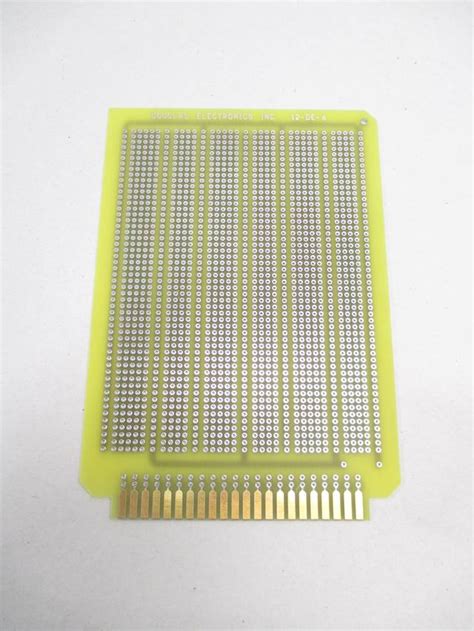
When examining blank PCB board prices, it is essential to understand how the variations in types significantly influence the overall pcb manufacturing cost. Different types of boards, such as single-sided, double-sided, and multilayer PCBs, come with distinct pricing structures due to factors such as the complexity of design and the materials used. For instance, single-sided PCBs are typically more affordable owing to their simpler design and straightforward production processes. In contrast, double-sided and especially multilayer PCBs require more intricate manufacturing techniques involving multiple layers, which increases both labor and material expenses.
The selection of materials plays a pivotal role in determining prices as well. Higher quality or specialized materials may drive up costs; however, they also offer enhanced performance and durability, making them worthwhile investments for certain applications. When evaluating prices from various pcb manufacturing companies, it’s advisable to consider not just the upfront costs but also the value offered in terms of reliability and longevity.
Additionally, understanding the impact of the pcb manufacturing business model is crucial; customization options often lead to variations in pricing. Custom boards may incur additional costs due to unique design requirements that necessitate more sophisticated fabrication techniques. As you analyze your budget for a project or a specific application, featuring insights into these price differences will enable you to make informed decisions based on your specific needs while navigating the vast landscape of blank PCB options available in today’s market.
Budgeting for Your PCB Project: Tips and Strategies
When embarking on a PCB manufacturing project, it’s essential to establish a well-defined budget that accommodates all facets of PCB manufacturing costs. Understanding the nuances of cost estimation can significantly enhance your project’s success. Begin by evaluating the unique requirements of your design, including factors like layer count, size, and complexity, which can directly influence the total expenses associated with PCB manufacturing. It’s also wise to research and connect with various PCB manufacturing companies to compare quotes and services. Each company may offer different pricing structures based on their capabilities and volume of production, making it crucial for you to assess how these variations affect your budget. Another aspect is material selection; opting for high-quality materials might increase initial costs but can lead to better performance and longevity, ultimately saving you money in the long run. Be mindful of any hidden fees related to design alterations or expedited shipping that may arise unexpectedly during production. By aligning your project goals with a comprehensive understanding of all potential costs, you can develop a more accurate budget that supports your vision while navigating the complexities of the PCB manufacturing business effectively.
Evaluating Quality vs. Price in PCB Selection
When selecting a blank PCB board, one of the most crucial factors to consider is the balance between quality and price. Understanding that pcb manufacturing cost can vary significantly based on quality can help you make informed decisions. It’s important to remember that cheaper options may lead to compromises in quality, which could affect the overall performance of your project. As you explore various pcb manufacturing companies, look for those that offer transparent pricing aligned with high-quality standards. Often, these companies will highlight the factors influencing their pricing, such as the materials used and the precision of their pcb manufacturing processes. You may find that investing a bit more upfront in a reliable pcb manufacturing business pays off in durability and reliability, especially if your application demands high performance. Therefore, it is essential to thoroughly assess how design complexity also impacts costs, as this can help tailor your choice to meet both budget and functionality requirements effectively. Always weigh what you need against what you’re willing to pay, ensuring that your final decision reflects both value and quality.
Conclusion
In summation, understanding blank PCB board pricing is essential for anyone involved in the electronics industry. You now have the insights to assess the various elements that contribute to pcb manufacturing costs. From material choices to the complexity of your design, every factor plays a significant role in determining the final price of a blank PCB. By collaborating with reputable pcb manufacturing companies, you can ensure that your project is both cost-effective and meets quality standards. Additionally, being mindful of how intricate designs influence pricing can lead you to make informed decisions that align with your budget and project specifications. Therefore, when approaching a pcb manufacturing business, always weigh the benefits against the costs and prioritize quality to achieve optimal results in your electronic projects. This understanding not only equips you with the knowledge to manage expenses effectively but also enhances your ability to select PCBs that best fit your needs without compromising on performance or reliability.
FAQs
What determines the overall cost of blank PCB boards?
The PCB manufacturing cost is influenced by several factors including material selection, size, complexity of the design, and quantity ordered. Companies specializing in PCB manufacturing often have pricing structures that reflect these variables.
How can I find cost-effective PCB manufacturing companies?
To find reliable and affordable PCB manufacturing companies, you should research their reputation, reviews, and request quotes based on your specific project requirements. Comparing multiple quotes can help you identify competitive pricing.
Does the complexity of the design affect the PCB pricing?
Yes, more complex designs typically require advanced PCB manufacturing processes, which can increase costs significantly. The number of layers in a board and additional features such as vias or custom shapes all add to the total manufacturing cost.
What role do materials play in determining PCB costs?
Material selection is critical; higher grade materials or specialized substrates often lead to higher PCB manufacturing costs, while standard materials may reduce expenses. Understanding the material options is essential for budgeting your PCB manufacturing business accurately.
How can I ensure I am getting good quality for my PCB investment?
Evaluating quality versus price involves researching manufacturers’ certifications and customer feedback. Ensure that your chosen manufacturers adhere to industry standards, as this directly impacts both performance and longevity of your PCB.