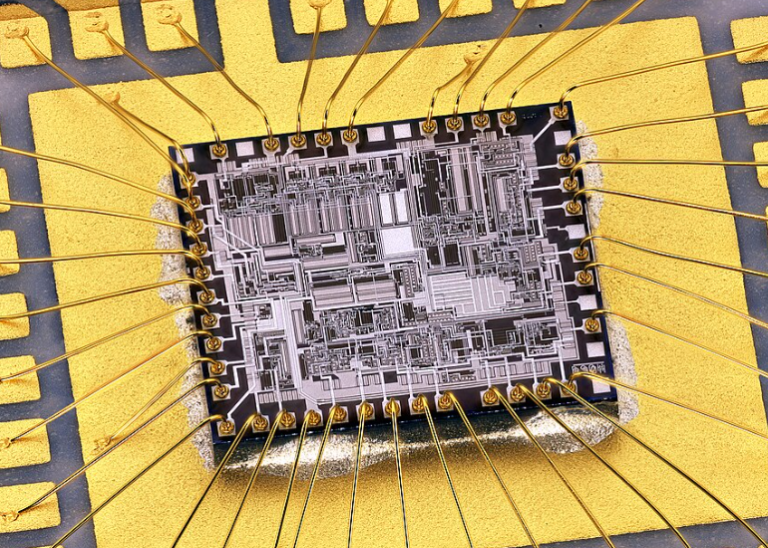
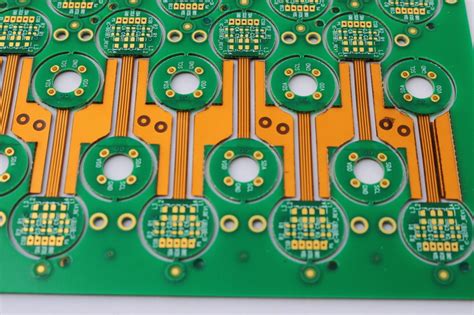
Understanding Board PCBA: Key Insights for Electronics Design
Key Takeaways
In the realm of electronics design, understanding board PCBA is crucial for achieving optimal performance and efficiency. PCB assembly encompasses a variety of processes and methodologies that contribute to the final product’s effectiveness. One of the fundamental aspects to note is the interplay between design and manufacturing, which significantly influences the overall success of any given project. When engineers incorporate state-of-the-art manufacturing techniques into their PCBA processes, they create designs that not only meet technical specifications but also enhance reliability and durability. Additionally, rigorous quality control and testing methods are essential in assuring that each component and connection functions as intended, minimizing the risk of failure in demanding applications. As we explore innovations in board PCBA technology, it becomes evident that advancements in automation and smart manufacturing are leading to more streamlined production lines, ultimately benefiting both manufacturers and consumers alike. Recognizing these key insights is vital for anyone involved in electronics design, as they align directly with current industry trends and future developments in the field of printed circuit board assembly.
Understanding the Basics of Board PCBA
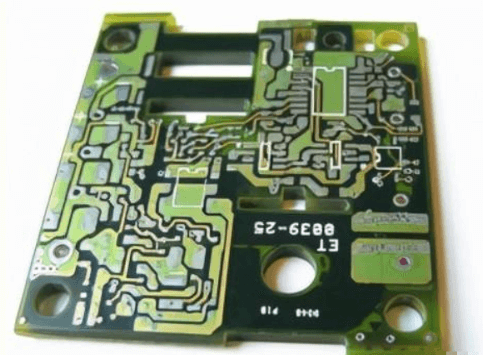
The board PCBA (Printed Circuit Board Assembly) is a fundamental element in modern electronics, acting as the backbone of countless devices. Every electronic gadget, from smartphones to automotive systems, relies on pcb assembly to ensure proper functionality and efficiency. At its core, PCBA involves attaching various electronic components to a printed circuit board, forming a complete electronic circuit that can perform designated tasks. This intricate process requires an understanding of both the hardware and software aspects of electronics.
It’s crucial to recognize that the success of a pcba is heavily influenced by several factors including component placement accuracy, soldering techniques, and the design layout of the PCB itself. These elements must be meticulously considered during the design phase to minimize errors and enhance overall performance. As you dive deeper into the world of board PCBA, remember that each assembly not only affects a device’s reliability but also its lifespan.
“Emphasizing precision in pcb assembly will lead to fewer defects and significantly improved quality in your products.”
In addition, ongoing innovations in materials and manufacturing processes are continuously reshaping how pcb assembly is approached. For instance, advancements in automated soldering techniques have improved production speeds while reducing human error. This intersection between technology and design is pivotal for engineers who strive for excellence in their electronic products. Thus, understanding the intricacies of board PCBA can elevate both your knowledge and practical skills within electronics design.
By examining these foundations thoroughly, you build a solid base for grasping more advanced concepts in PCB design and manufacturing, ultimately contributing to advancements in various tech-driven industries.
The Design Process: Essentials for Successful PCBA
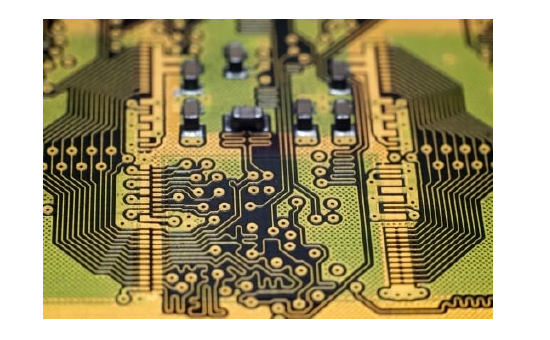
The design process for PCB assembly (PCBA) involves a multifaceted approach that ensures the final product meets both functionality and performance standards. At its core, designing a printed circuit board begins with the schematic representation of the electronic components, where engineers must meticulously plan for the optimal placement of each component. This stage is crucial, as it directly impacts not only the manufacturability but also the electrical performance of the assembly.
Once the schematic is established, designers transition to creating a layout that translates these ideas into a visual representation on a board. This layout must consider various factors such as signal integrity, thermal management, and electromagnetic interference to ensure that each component performs optimally. The use of advanced software tools enables engineers to simulate and analyze potential issues before committing to manufacturing.
Furthermore, maintaining clarity and precision in documentation is vital throughout this phase. Comprehensive notes on tolerances and material specifications play a significant role in streamlining the subsequent manufacturing processes. Proper documentation ensures that each stage from PCB fabrication to final assembly aligns with design intentions.
Finally, frequent revisions based on prototyping feedback help refine the design further. Testing prototypes allows for early detection of anomalies in PCB assembly, enabling adjustments that enhance reliability. Collectively, these stages establish a robust groundwork in which the functionality and efficiency of any electronic device are fundamentally rooted in an effective design process for PCBA.
| Stage | Key Focus | Tools |
|---|---|---|
| Schematic Design | Planning component placement | CAD Software |
| PCB Layout | Ensuring signal integrity | Layout Design Tools |
| Documentation | Maintaining clarity on specifications | Documentation Software |
| Prototyping | Testing for performance issues | Prototype Boards |
In summary, a meticulous approach to designing PCB assemblies serves as an essential foundation for creating high-performance electronic devices capable of meeting contemporary demands.
Manufacturing Techniques in Board PCBA Production
The manufacturing techniques employed in board PCBA production are crucial for ensuring the efficiency and reliability of electronic devices. The process typically begins with Solder Paste Application, where solder paste is applied to the PCB surface. This step is essential as it prepares the board for component placement. Following this, pick-and-place machines are used to position components accurately on the board, utilizing high precision to guarantee each part aligns correctly with the intended design.
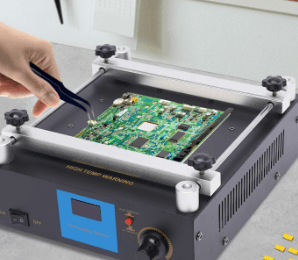
After placement, the assembly moves to the reflow soldering phase, where heat is applied to melt the solder, securing components firmly onto the PCB. This stage is vital for achieving solid electrical connections—essential for performance in any device utilizing pcb assembly.
In addition, advanced techniques such as wave soldering and surface mount technology (SMT) have emerged, allowing manufacturers to streamline processes and enhance productivity. SMT, in particular, enables a higher density of components to be mounted on a smaller footprint, thus optimizing device performance while reducing overall size.
Moreover, incorporating automated systems within these techniques has contributed significantly to minimizing human error and increasing production speed. By continuously refining these manufacturing techniques, companies enhance their competitiveness in an ever-evolving electronics landscape, ultimately leading to more robust and efficient products tailored for modern needs.
Quality Control and Testing Methods for PCBA
Ensuring reliability in PCB assembly is paramount, as even minor defects can significantly impact the performance of the final product. Effective quality control begins with rigorous inspection methods throughout the PCBA process, including automated optical inspection (AOI) and X-ray inspections designed to detect placement and soldering errors. Following assembly, functional testing becomes crucial; it assesses the operational performance of the assembled circuit boards under real-world conditions. Common techniques, such as in-circuit testing (ICT) and boundary scan testing, identify faults by applying electrical signals directly to the components on the board. Moreover, establishing a robust quality assurance framework not only mitigates risks but also bolsters customer confidence in the product’s reliability and longevity. As manufacturers continue to innovate within their PCBA processes, integrating advanced testing methods—such as environmental stress screening—can enhance product durability by subjecting boards to extreme conditions. This proactive approach is vital for ensuring that every unit meets stringent standards before reaching stakeholders in various industries. In sum, comprehensive quality control and testing methods remain integral components that support optimal performance and customer satisfaction within the realm of PCB assembly.
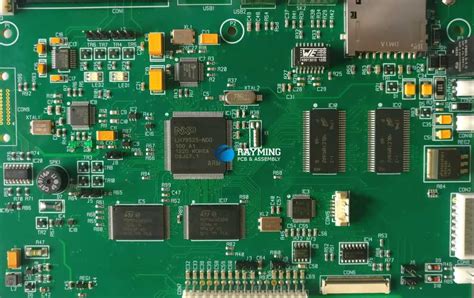
The Impact of PCBA on Electronics Performance
The significance of PCBA (Printed Circuit Board Assembly) in enhancing electronics performance cannot be overstated. As a critical backbone of modern electronic devices, pcb assembly seamlessly integrates various components, ensuring that they communicate and function effectively. A well-executed pcba is pivotal for optimizing the efficiency of devices, reducing signal loss, and improving overall durability. This intricate assembly process involves not just soldering components onto the board but also careful consideration of factors such as layout design, thermal management, and electromagnetic interference. By leveraging advanced manufacturing techniques and adhering to stringent quality control measures, manufacturers can produce PCBA solutions that enable higher frequency operations and better power handling capacities. Furthermore, in today’s competitive market, innovations in pcb assembly techniques allow for miniaturization of components without compromising performance, allowing devices to become smaller and more powerful while maintaining their reliability. As the demand for high-performance electronics continues to rise, understanding the impact of PCBA becomes crucial for designers and manufacturers alike in their quest for excellence in product development.
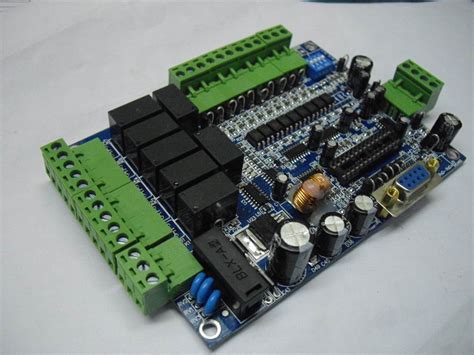
Innovations in Board PCBA Technology
In recent years, the field of board PCBA has witnessed remarkable advancements that significantly enhance both efficiency and performance in the electronics industry. These innovations encompass various aspects, from materials and processes to software and equipment. One notable trend is the adoption of flexible printed circuit boards (FPCBs), which allow for more compact designs without sacrificing functionality. These designs are critical for modern gadgets that demand miniaturization while still delivering high performance.
Moreover, advancements in manufacturing techniques have led to faster pcb assembly processes. Techniques such as automated optical inspection (AOI) and advanced soldering technologies ensure that each pcba meets rigorous quality standards while reducing production time. The integration of smart technologies in manufacturing machinery further streamlines operations by enabling real-time monitoring and adjustments, thereby minimizing waste and defects.
Additionally, software innovations such as computer-aided design (CAD) tools have evolved to support complex circuit layouts with enhanced user interfaces and simulation capabilities. This evolution enables designers to visualize problems early in the development stages, thereby significantly reducing the time spent on revisions during the pcb assembly phase. Overall, these cutting-edge developments are redefining what is possible within board PCBA, paving the way for new applications and industry standards that prioritize efficiency without compromising on quality or performance.
Challenges in the PCB Assembly Process
The pcb assembly process is fraught with a variety of challenges that can affect the overall quality and performance of the final product. One major hurdle is the increasing complexity of designs, as modern electronics demand more intricate and densely populated PCBA layouts. This complexity often leads to difficulties in soldering and component placement, which can result in defects such as cold solder joints or incorrect component orientation. Additionally, as the pcba design evolves, ensuring that all components meet strict compatibility and reliability standards becomes more challenging. Another significant issue is managing thermal performance during assembly; components that generate excessive heat need special attention to prevent damage during manufacturing. Moreover, supply chain issues can lead to delays in obtaining critical parts, exacerbating the already tight timelines typical in electronics manufacturing. Understanding these complexities is crucial for engineers and manufacturers who aim to deliver high-quality pcb assembly solutions efficiently while adhering to modern standards of functionality and performance. The pressure of maintaining cost-effectiveness while navigating these challenges further complicates the PCBA process, requiring strategic planning and innovative approaches to ensure success in today’s competitive electronics landscape.
Future Trends in PCB Design and Manufacturing
As technology continues to evolve, the field of PCB assembly is seeing dynamic shifts that promise to enhance the efficiency and effectiveness of PCBA processes. One significant trend is the increasing adoption of automated assembly techniques, which not only speed up production but also minimize human error, leading to higher quality outputs. Additionally, the rise of smart manufacturing, supported by data analytics and IoT integration, offers enhanced monitoring and control throughout the PCBA lifecycle. This transformative approach allows for real-time adjustments in manufacturing processes, ensuring that defects are caught early and efficiency is maximized. Furthermore, there’s a growing interest in flexible PCBs, which cater to a variety of applications including wearables and portable devices. These advancements are complemented by developments in materials science, paving the way for more durable and efficient circuit designs. Overall, as the demand for smaller, lighter, and more complex electronic devices grows, future trends indicate that such innovations in PCB design and manufacturing will be critical in meeting industry needs while enhancing performance through optimized PCBA solutions.
Conclusion
In summary, understanding pcba (Printed Circuit Board Assembly) is essential for anyone involved in electronics design. The significance of pcb assembly lies not only in its function but also in its impact on overall product efficacy. As discussed throughout the article, effective design processes, alongside innovative technology, determine how well the final product performs. The manufacturing techniques adopted during pcba production play a crucial role in ensuring reliability and durability, which directly influences consumer satisfaction. Moreover, stringent quality control and rigorous testing methods must be employed to maintain high standards in pcb assembly, ensuring that every unit meets the required specifications before reaching the market. As we move forward, embracing advancements and addressing the challenges within board pcba technology will be pivotal in shaping the future of electronics, ultimately enhancing efficiency and performance across various applications. The continuous evolution of this field promises exciting opportunities for innovation that designers and developers must be prepared to capitalize on for future success.
FAQs
What is PCBA?
PCBA, or Printed Circuit Board Assembly, refers to the process of mounting electronic components onto a printed circuit board (PCB), turning it into a functional electronic device.
Why is the PCBA process important in electronics design?
The pcb assembly process is essential as it ensures that all components are securely installed and connected, influencing the overall performance and reliability of electronic products.
What are common components involved in PCBA?
Common components include resistors, capacitors, microcontrollers, connectors, and various semiconductor devices. Each plays a crucial role in the functionality of the final product.
What are the main manufacturing techniques used in PCBA?
Key manufacturing techniques include Surface Mount Technology (SMT), Through-Hole Technology (THT), and Hybrid assembly methods. Each has unique advantages depending on the design requirements.
How is quality control maintained during the PCB assembly process?
Quality control involves rigorous inspections at various stages of production, including visual checks, automated optical inspections (AOI), and functional testing to ensure each assembly meets specified standards.
What impact does PCBA have on overall electronics performance?
Effective pcba significantly enhances performance by ensuring optimal connections between components, reducing potential errors in device operation, and improving overall efficiency.
Are there any current innovations in board PCBA technology?
Recent innovations include advancements in automation for faster production rates, improved soldering techniques for better connections, and integration of smart technologies for real-time monitoring.