Understanding Circuit Card Assembly Processes and Best Practices
Key Takeaways
Understanding the circuit card assembly (also known as PCBA) process is pivotal for anyone involved in electronic manufacturing. Effective pcb assembly requires a comprehensive grasp of various essential components and stages, ensuring high-quality outcomes while optimizing efficiency. Among key takeaways, the significance of proper materials selection cannot be overstated; utilizing high-grade components directly impacts the performance and reliability of the final product. In addition, adopting innovative techniques is critical; methods such as automated placing and soldering processes enhance speed and precision in pcb assembly tasks. Moreover, being aware of common challenges—such as incorrect component placement or issues during soldering—facilitates proactive measures to mitigate risks, thereby elevating the production quality. Lastly, adhering to industry best practices for circuit card assembly guarantees consistent results and paves the way for future advancements in technology within the sector. Overall, a solid foundation in these aspects is essential for professionals striving to elevate their PCBA processes and outcomes.
Introduction to Circuit Card Assembly
The world of circuit card assembly (CCA) plays a pivotal role in the electronic manufacturing industry, particularly through processes like PCB assembly and PCBA. This intricate process involves several stages, from design to production, which collectively enhance the functionality and reliability of electronic devices. Understanding these stages is essential for professionals aiming to improve efficiency and quality. CCA fundamentally involves the mounting of electronic components onto a printed circuit board (PCB), facilitating electrical connections necessary for the device’s operation.
Efficient circuit card assembly not only streamlines production workflows but also ensures that the final product meets high standards of quality and performance. Additionally, adopting best practices in PCB assembly can lead to significant reductions in manufacturing lead times while minimizing defects during production. “Attention to detail in each stage of assembly often translates to fewer errors and higher customer satisfaction,” which is paramount in today’s competitive market.
Furthermore, as technology advances, so do the techniques used in circuit card assembly. Incorporating automation and sophisticated testing methods can significantly boost productivity rates, making it imperative for manufacturers to stay updated with current trends and practices in PCBA. By focusing on these core aspects of circuit card assembly, professionals can better position themselves within the industry, ensuring both personal career growth and advancement for their organizations.
Key Components of Circuit Card Assembly
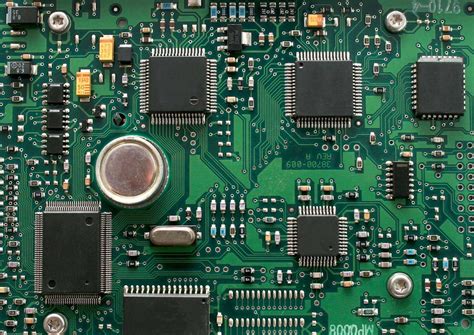
In the realm of pcb assembly, several key components play crucial roles in ensuring the efficiency and reliability of the circuit card assembly (CCA) process. At the heart of any pcba is the printed circuit board (PCB) itself, which serves as the foundational substrate for mounting electronic components. The quality and design of the PCB are paramount, as they influence both performance and manufacturability.
Another essential component is the electronic parts that are soldered onto the PCB. These include resistors, capacitors, integrated circuits, and connectors, each fulfilling specific functions in an electronic circuit. The choice and arrangement of these components are guided by both electrical requirements and factors such as heat dissipation and accessibility for repairs.
Furthermore, solder materials, which can be lead-based or lead-free, are integral in providing a reliable electrical connection between components. The selection of appropriate solder is influenced by thermal properties and environmental regulations.
To help visualize these components better, here’s a table summarizing key elements involved in pcb assembly:
| Component Type | Function | Key Considerations |
|---|---|---|
| Printed Circuit Board (PCB) | Serves as a substrate for mounting parts | Material type (FR-4, PTFE) |
| Electronic Components | Performs specific electrical functions | Selection based on design |
| Solder Materials | Connects components electrically | Compliance with safety standards |
Overall, understanding these components’ roles is essential for professionals aiming to optimize their circuit card manufacturing workflows. This knowledge not only aids in troubleshooting issues but also enhances the potential for producing high-quality electronic assemblies in concurrence with best practices in the industry.
Essential Processes in Circuit Card Assembly
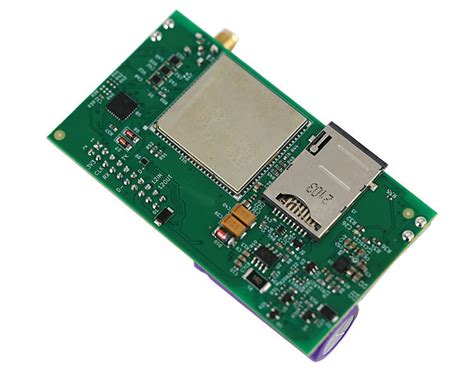
The process of circuit card assembly (commonly referred to as pcba) involves several essential steps that are crucial for creating high-quality electronic components. Initially, the design phase is critical, where engineers use advanced software to create schematic diagrams and layout designs for the circuit board. The fabrication of the printed circuit board (PCB) follows, involving the layering and etching of materials to form the necessary conductive pathways. Once the PCB is ready, various components, including resistors, capacitors, and microcontrollers, undergo accurate placement through either manual methods or automated machines such as pick-and-place robots.
Subsequently, during the soldering process, components are permanently attached to the PCB using either wave soldering or surface mount technology (SMT). This phase is essential as it directly influences both the durability and performance of the final product. After soldering, thorough inspections take place; this can include visual dry inspections or advanced automated optical inspection (AOI) systems to ensure each assembly meets required specifications.
Finally, post-assembly testing plays a pivotal role in this process. This includes functional testing where devices are powered up and tested to confirm they perform as intended. By emphasizing these critical processes in pcb assembly, manufacturers can enhance both efficiency and quality in electronic manufacturing workflows while minimizing potential errors that could impact product reliability. Understanding these processes helps industry professionals optimize their production efforts significantly.

Techniques for Enhanced Circuit Card Assembly Efficiency
Achieving efficiency in pcb assembly or pcba processes requires a multifaceted approach that includes adopting modern methodologies and utilizing advanced tools. One effective technique is the implementation of automated assembly systems, which streamline the placement of components on circuit boards, significantly reducing manual labor and minimizing the risk of errors. Additionally, employing solder paste inspection (SPI) technology before moving on to soldering can catch defects early in the process, ensuring that quality is maintained without sacrificing speed. Another noteworthy practice involves optimizing design for manufacturability (DFM) standards, which facilitates easier assembly and reduces assembly time. Engaging in regular training sessions for assembly personnel can also enhance their skills, making them more adept at handling equipment and recognizing potential inefficiencies promptly. Furthermore, leveraging data analytics to assess production workflows can provide insights into bottlenecks or delays that hinder efficiency. By integrating these techniques into the circuit card assembly process, organizations can significantly boost their operational efficiency while enhancing the overall quality of their pcba output.

Common Challenges in Circuit Card Assembly and Solutions
In the realm of circuit card assembly (CCA), professionals often encounter a variety of challenges that can impact the overall efficiency and quality of the manufacturing process. One prominent issue is the alignment of components during assembly, which can lead to defects if parts are not positioned correctly on the PCB (printed circuit board). To mitigate this, implementing advanced optical inspection systems can significantly reduce manual errors and enhance precision. Another challenge is the management of thermal profiles, particularly in processes like soldering. If temperatures are not controlled effectively, it can result in problems such as cold solder joints or component damage. Utilizing thermal profiling tools during the pcb assembly process allows for optimal settings to be established, ensuring consistent heat distribution across the assembly. Furthermore, maintaining an efficient workflow can be hampered by outdated or inadequate technology. Investing in modern equipment tailored for pcba (PCB assembly) processes can streamline operations and improve productivity. Additionally, ensuring a skilled workforce is crucial; regular training sessions focused on new techniques and safety practices are essential for maintaining quality standards in circuit card assembly. By addressing these common challenges with targeted solutions, organizations can improve their production capabilities and deliver high-quality products in a competitive market.
Best Practices for Quality Control in Circuit Card Assembly
Ensuring high-quality standards during the pcb assembly process is critical for producing reliable and efficient electronic devices. One of the foremost best practices is to implement a robust inspection protocol that encompasses both visual and automated checks. By utilizing advanced techniques such as Automated Optical Inspection (AOI), manufacturers can accurately detect defects in the pcba before moving forward in the production line. Another essential practice involves thorough training of staff on quality control measures, which enhances their ability to identify potential issues early in the circuit card assembly process. Additionally, adopting a continuous feedback loop allows teams to make incremental improvements by analyzing data collected during different stages of production. Implementing control charts and Six Sigma methodologies can also aid in minimizing variability and defects, driving enhanced efficiency while ensuring that all assembly processes retain their integrity. Utilizing high-quality materials and components further supports these quality control measures, as defects often stem from subpar inputs. Therefore, building strong relationships with qualified suppliers is vital to ensuring consistent quality from the ground up. Ultimately, these practices work synergistically to create a more reliable pcb assembly process that meets industry standards and exceeds customer expectations.
Future Trends in Circuit Card Assembly Technology
The future of circuit card assembly (CCA) is poised to undergo significant transformations driven by advancements in technology and shifting market demands. One of the most promising trends is the increasing adoption of automation within PCB assembly processes. As manufacturers strive to enhance efficiency and reduce production costs, automated systems employed in pcba offer precision and speed that manual assembly often cannot match. In addition, the growth of the Internet of Things (IoT) is leading to more complex electronic products, which in turn requires more sophisticated assembly techniques. The integration of artificial intelligence and machine learning into assembly lines is also on the rise, allowing for real-time monitoring and predictive maintenance, which can drastically improve both yield rates and product quality.
Furthermore, the trend towards miniaturization of electronic devices compels manufacturers to innovate continuously. This often means employing advanced techniques such as surface mount technology (SMT) and utilizing smaller components in pcb assembly. As these technology trends evolve, sustainability will also play a vital role; companies are increasingly focused on environmentally friendly practices such as reducing waste during production and utilizing recyclable materials in their components.
Lastly, as global supply chains adapt to new challenges, there will be a stronger emphasis on localizing production—this will not only decrease lead times but also cushion against geopolitical risks. In summary, staying abreast of these future trends is crucial for professionals involved in circuit card assembly, ensuring they adopt best practices that align with these technological evolutions while maintaining high standards for quality and efficiency.
Conclusion
In conclusion, understanding the complexities of circuit card assembly (often referred to as pcb assembly or pcba) is crucial for professionals aiming to enhance production effectiveness in the electronics sector. By mastering the essential processes involved in pcb assembly, including soldering, component placement, and testing, manufacturers can significantly improve both efficiency and quality. Implementing best practices in quality control ensures that each component functions as intended, reducing the likelihood of costly defects or failures. Moreover, staying informed about emerging technologies and future trends in circuit card assembly can provide a competitive edge. As industries evolve and the demand for sophisticated electronics continues to rise, professionals who adapt to these changes will be well-positioned to drive innovation and success in their organizations. Emphasizing proper training and continuous improvement will further solidify their expertise in the realm of pcba, paving the way for a more robust manufacturing process that meets the ever-growing market needs.
FAQs
What is circuit card assembly (CCA)?
Circuit card assembly, often referred to as PCBA (Printed Circuit Board Assembly), is the process of soldering electronic components onto a printed circuit board (PCB) to create a functioning electronic device. This process is integral to electronic manufacturing and involves a series of detailed steps to ensure quality and performance.
What are the main components involved in PCB assembly?
Key components in pcb assembly include the printed circuit board, various electronic components like resistors, capacitors, and integrated circuits, as well as solder paste and adhesives used during the assembly process. Each component plays a crucial role in the overall functionality of the final product.
How can efficiency be enhanced in circuit card assembly?
To enhance efficiency in pcba, manufacturers can adopt advanced techniques such as automated pick-and-place machines, stencil printing for solder paste application, and reflow soldering. These technologies streamline the process and minimize human error, leading to faster production times.
What are common challenges faced during circuit card assembly?
Common challenges in pcb assembly include component misalignment, solder defects, and thermal issues during soldering. Addressing these challenges requires careful planning, quality control measures, and regular maintenance of equipment to minimize downtime.
How can quality control be implemented effectively?
Effective quality control in circuit card assembly (CCA) can be achieved through rigorous testing protocols such as Automated Optical Inspection (AOI), X-ray inspection for hidden solder joints, and functional testing of the assembled boards prior to final delivery. These practices help ensure that all products meet industry standards.
For more insights into optimizing your pcb assembly, please visit Andwin PCB Assembly.