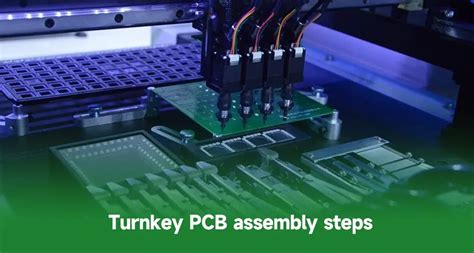
Understanding Full Turnkey Assembly Solutions for Efficient Projects
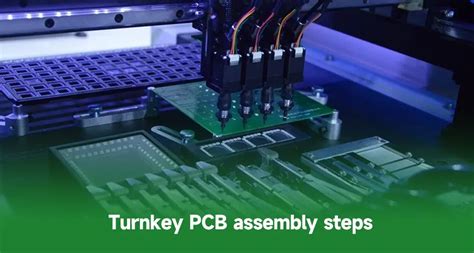
Key Takeaways
Understanding full turnkey assembly solutions can significantly impact a business’s operational efficiency. These solutions offer a comprehensive strategy that integrates various stages of production, including pcb assembly and final product assembly. By employing such methodologies, companies can reduce lead times, ensure higher quality control, and minimize costs.
When selecting turnkey assembly providers, it is essential to evaluate their capabilities in handling pcba (printed circuit board assembly) requirements as part of the overall process. Opting for providers who possess advanced technology and skilled labor can further streamline operations.
Here are some key points to remember:
| Key Considerations | Importance |
|---|---|
| Quality Assurance | Ensures each unit meets production standards |
| Cost Efficiency | Reduces overall project expenses |
| Time Management | Improves turnaround times for project completion |
| Flexibility and Scalability | Allows adaptation to varying production demands |
“Choosing the right partner for your full turnkey solution is crucial; it can lead to enhanced productivity and market competitiveness.”
By adopting best practices tailored to specific assembly needs, businesses not only improve their workflows but also gain a competitive edge in the marketplace through increased reliability and customer satisfaction. Thus, understanding the nuances of full turnkey assembly becomes imperative for those striving for efficiency in their operations.
Introduction to Full Turnkey Assembly: Overview and Importance
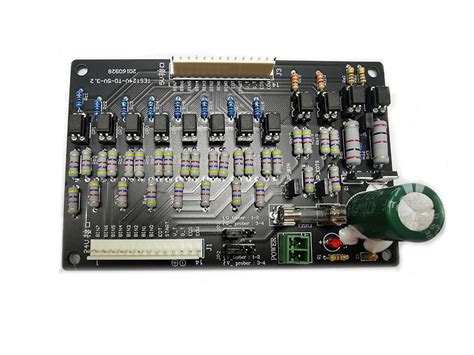
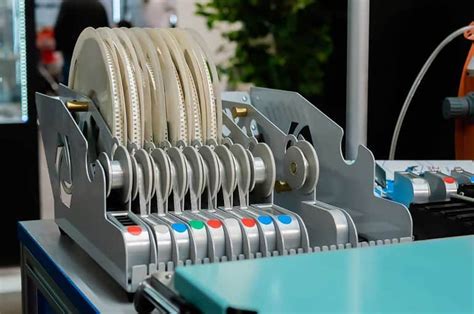
In the rapidly evolving landscape of manufacturing, full turnkey assembly has emerged as a pivotal strategy for businesses aiming to enhance their operational efficiencies. This comprehensive approach encompasses all aspects of the assembly process, from initial design and engineering to final production, eliminating the need for companies to manage multiple vendors and streamlining their operations. By opting for turnkey solutions, organizations can significantly reduce lead times and enhance collaboration, ultimately leading to higher-quality outcomes. One prominent area where this approach is particularly beneficial is in pcb assembly and pcba processes, which require precision and expertise. The integration of these processes into a turnkey assembly model not only facilitates seamless transitions between stages but also ensures that quality control measures are consistently applied. Understanding the importance of such solutions allows businesses to mitigate risks associated with production delays and cost overruns while fostering sustainable growth in an increasingly competitive market.
The Comprehensive Approach of Turnkey Assembly Solutions
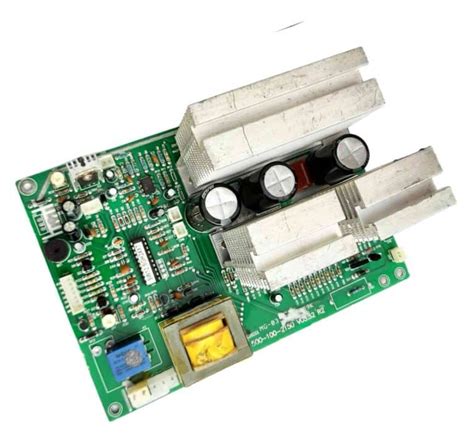
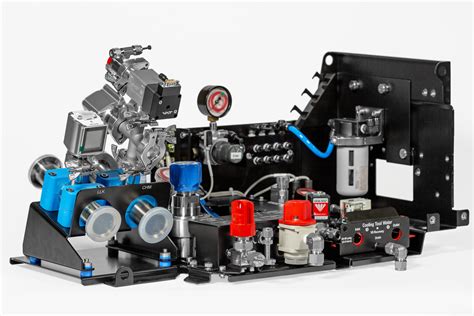
The comprehensive approach of turnkey assembly solutions encompasses all facets of the manufacturing process, enabling businesses to efficiently manage their production needs. By providing an integrated framework, this approach allows companies to outsource the entire assembly process, from initial design to final production. In particular, the sector of pcb assembly has greatly benefited from this model. With turnkey solutions, manufacturers can achieve a streamlined workflow that reduces the risk of errors and delays. A key component of this approach is the ability to customize processes to fit specific project requirements, ultimately enhancing productivity and lowering costs. Moreover, businesses utilizing pcba services can take advantage of advanced technologies and expertise offered by specialized providers, ensuring high-quality output. By trusting these experts with comprehensive assembly services, companies can focus on their core competencies while enjoying the advantages of increased efficiency and reduced operational burdens. Therefore, understanding and adopting a turnkey assembly strategy is essential for organizations aiming to optimize their operations in today’s competitive landscape.
Key Benefits of Implementing Full Turnkey Assembly
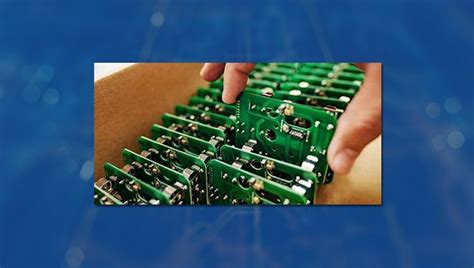
Implementing full turnkey assembly solutions offers numerous advantages that can significantly enhance the overall efficiency of project execution. One of the primary benefits is the consolidation of various processes into a single, cohesive system. This not only simplifies project management but also reduces potential communication barriers, ensuring that all components, including pcb assembly and pcba, are integrated smoothly. Furthermore, companies can experience optimized resource allocation, as the turnkey assembly provider typically manages everything from design to delivery. This leads to reduced lead times and allows businesses to focus on their core competencies rather than getting bogged down in operational complexities. Moreover, leveraging a full turnkey solution can lead to cost savings, as it minimizes overhead associated with coordinating multiple vendors and suppliers. The streamlined processes inherent in full turnkey assembly enhance flexibility and responsiveness to market changes or client demands, making it a valuable strategy for organizations looking to maintain a competitive edge in today’s fast-paced environment. Additionally, thorough quality assurance practices embedded within these solutions ensure that every product meets rigorous standards before reaching the market, thereby reducing the likelihood of defects and ensuring customer satisfaction.
Factors to Consider When Choosing Turnkey Assembly Providers
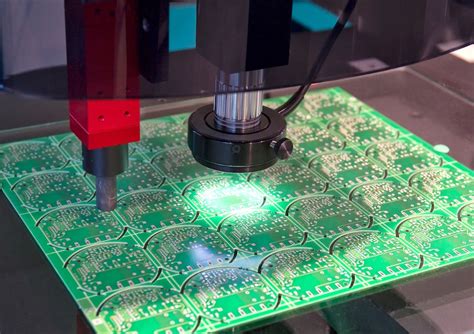
When selecting a turnkey assembly provider, several key factors must be assessed to ensure that the partnership will effectively meet project objectives and enhance operational efficiency. One of the primary considerations is expertise in specific assembly processes, particularly in PCB assembly and other electronics-related manufacturing. Providers should demonstrate proficiency in PCBA (Printed Circuit Board Assembly), showcasing their ability to deliver high-quality products with precision and reliability. Additionally, assess the provider’s capacity for scalability; as project demands increase, the ability of the assembly service to expand without compromising quality is crucial.
Another significant aspect is the provider’s adherence to industry standards and regulations. Compliance ensures that products meet safety and performance specifications, especially when considering international markets. Furthermore, it’s essential to evaluate their supply chain capabilities and lead times for sourcing materials; a reliable provider should maintain strong relationships with suppliers to minimize delays and optimize production schedules.
Cost-effectiveness is also a fundamental consideration. While it’s important not to compromise on quality for lower pricing, obtaining a fair price aligned with service value should be a priority in decision-making. Lastly, effective communication channels are vital for fostering a collaborative environment between your team and the assembly provider; transparent communication helps address issues promptly and enhances overall project success. By carefully weighing these factors, businesses can select an ideal turnkey assembly partner that aligns with their needs, drives efficiency, and supports long-term growth strategies.

Streamlining Your Assembly Process: Best Practices and Strategies
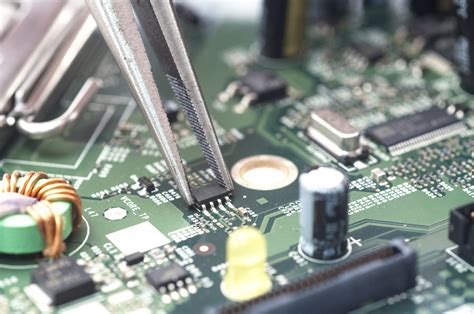
To effectively streamline your assembly process, it is crucial to adopt a mix of best practices and strategic approaches. One significant aspect is the integration of full turnkey assembly solutions, which enable companies to oversee the entire journey from initial design to finished product. In this context, pcb assembly plays a vital role as it ensures that each component is meticulously placed and soldered, thus enhancing the overall reliability of the final product. Businesses should consider automating repetitive tasks in the pcba (Printed Circuit Board Assembly) process to minimize human error and increase efficiency. Furthermore, leveraging optimized workflow strategies can lead to faster turnaround times while maintaining high-quality standards. Open communication channels among team members and stakeholders also ensure that potential issues are addressed promptly, thus preventing project delays. Adopting a continuous improvement mindset can foster innovation in assembly techniques and technologies, ultimately providing businesses with a competitive advantage in today’s fast-paced market. These best practices not only enhance productivity but also align with the principles of full turnkey assembly, where every element is designed to support an efficient production environment.
Case Studies: Successful Implementation of Turnkey Solutions
In today’s competitive landscape, various organizations have successfully leveraged full turnkey assembly solutions to enhance project efficiency and streamline operations. A notable example is a leading electronics manufacturer that adopted a pcb assembly service to manage its production line more effectively. By partnering with an experienced turnkey assembly provider, they benefited from a holistic approach that encompassed everything from design to final testing. This solution not only reduced lead times but also minimized the risk of errors during the pcba process, showcasing how a comprehensive strategy can yield significant advantages.
Another illustrative case is found in the automotive sector, where a prominent supplier implemented turnkey solutions for component assembly. By integrating supply chain management and production services under one contract, the company was able to benefit from increased coordination and improved quality control. The turn-around time for prototype development decreased dramatically, allowing for faster market entry without compromising on product reliability. Overall, these case studies underscore the effectiveness of full turnkey assembly in optimizing processes and driving growth across diverse industries, focusing on efficiency as a critical pillar of modern manufacturing.
Future Trends in Full Turnkey Assembly Solutions
As industries continue to evolve, the demand for more efficient and reliable full turnkey assembly solutions is becoming increasingly significant. One of the most notable trends is the integration of advanced technologies such as automation and artificial intelligence into the pcb assembly process. This move not only enhances accuracy but also significantly reduces production time, leading to a more streamlined workflow. Companies are also focusing on adopting sustainable practices in their pcba strategies, aiming to minimize waste and energy consumption throughout their operations. These sustainability efforts not only help in reducing the carbon footprint but can also lead to cost savings in the long run. Furthermore, as manufacturers look for ways to improve flexibility and adaptability, modular assembly systems are likely to rise in popularity. These systems allow for quick changeovers between different products without significant downtime, giving businesses a competitive edge in meeting market demands. Overall, the future of full turnkey assembly solutions appears promising as they adapt to technological advancements and evolving market needs.
Conclusion
In summary, full turnkey assembly solutions represent a vital approach to improving project efficiency, particularly in industries like pcb assembly and pcba. By opting for a full-service provider, businesses can benefit from an integrated process that encompasses everything from initial design to final assembly. This holistic strategy allows for better coordination, reduced lead times, and improved product quality. Additionally, emphasizing collaboration between different stakeholders during the assembly process can lead to innovative solutions that address specific project challenges. As industries continue to evolve with advancements in technology and increasing demand for high-quality products, embracing full turnkey assembly will become even more crucial. Organizations that understand its importance will be better positioned to meet competitive market demands while optimizing their resources and enhancing operational efficiencies.
FAQs
What is full turnkey assembly?
Full turnkey assembly refers to an all-inclusive service that manages the entire manufacturing process, from initial design to final product delivery. This approach allows businesses to outsource their assembly needs, ensuring a streamlined workflow.
How does full turnkey assembly enhance project efficiency?
By providing a comprehensive solution, full turnkey assembly minimizes delays and redundancies often seen in traditional manufacturing setups. This efficiency is crucial for manufacturers seeking to meet tight deadlines and reduce operational costs.
What are the benefits of PCB assembly in turnkey solutions?
Implementing PCB assembly within a full turnkey solution simplifies the production process. The integration of design, sourcing components, and managing logistics ensures that all elements are optimized for performance and cost-effectiveness.
What factors should businesses consider when selecting a turnkey assembly provider?
Key considerations include the provider’s experience with pcba, capability to manage scale, quality assurance mechanisms, and their understanding of the specific needs of your industry. It’s essential to choose a provider that aligns with your business’s goals.
Can you describe best practices for streamlining assembly processes?
Identification of critical process bottlenecks, maintaining clear communication with stakeholders, and leveraging technology for automation are essential. Utilizing data analytics can also provide insights into areas needing improvement within your production line.
For more information on improving your manufacturing processes through effective solutions in pcb assembly, please click here: Andwin PCB Assembly.