Understanding Gerber Files for PCB Design and Manufacturing
Key Takeaways
Understanding Gerber files is crucial for anyone involved in PCB design and manufacturing. These files serve as a bridge between the electronic design and the physical production of printed circuit boards. By translating your CAD layouts into precise fabrication instructions, Gerber files play a vital role in achieving accuracy in the PCB manufacturing process. When selecting PCB manufacturing companies, ensuring they are proficient in handling Gerber files can influence the overall PCB manufacturing cost and quality of the final product.
It is essential to follow best practices when creating these files to mitigate common challenges. For example, regularly validating your Gerber outputs can help prevent errors that could lead to costly revisions during production. You might even consider employing specialized software that can automatically check for discrepancies between your CAD designs and generated Gerber files, streamlining the workflow.
“Optimizing your Gerber file creation process not only saves time but also reduces unnecessary costs associated with rework or production delays.”
Engaging in this meticulous process ultimately supports your PCB manufacturing business, ensuring that every board produced meets specifications accurately. If you are looking for further insights into cost-saving measures in PCB production, consider exploring resources available at Andwin PCB.
Understanding Gerber File Formats
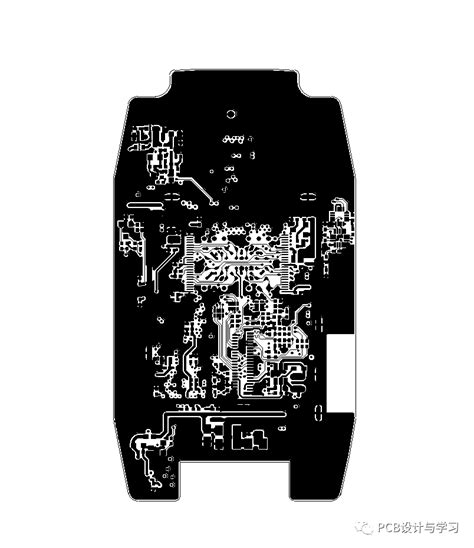
When engaging in PCB manufacturing, it is essential to grasp the different Gerber file formats that are commonly utilized. Primarily, Gerber files serve as the foundation for translating complex circuit board designs into actionable instructions for PCB manufacturing companies. The most prevalent format is Gerber X2, which enhances the original specification by incorporating additional features, such as layers, attributes, and other helpful data. This ultimately leads to improved accuracy and efficiency in the PCB manufacturing process.
In your PCB projects, knowing which format to use can significantly affect the overall cost and quality of the final product. As you navigate through various designs, consider whether your selected format supports all necessary features that could streamline production and reduce potential issues down the line. By opting for contemporary formats like Gerber X2, you can harness advanced functionalities that promote a seamless flow from initial design to fabrication.
Moreover, understanding these formats isn’t just about satisfying technical requirements; it’s also about fostering effective communication between designers and manufacturers. Properly formatted Gerber files allow PCB manufacturing businesses to interpret your designs with precision, thus minimizing errors and ensuring that your vision comes to life as you intended. The significance of selecting compatible file formats becomes even clearer when discussing cost efficiencies in production; well-prepared files equate to fewer delays, which ultimately reduces your overall PCB manufacturing cost.
In conclusion, gaining a comprehensive understanding of Gerber file formats empowers you to make informed decisions throughout your PCB process—from design through production—ensuring that both quality and functionality are upheld in every project.
The Role of Gerber Files in PCB Design
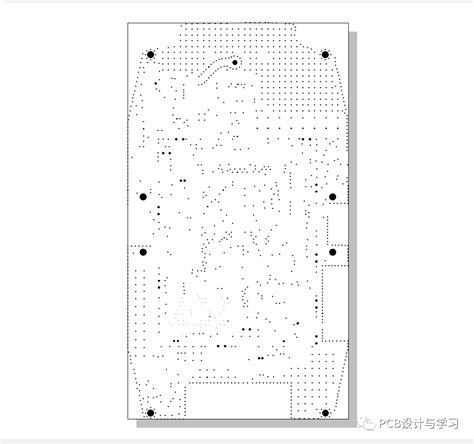
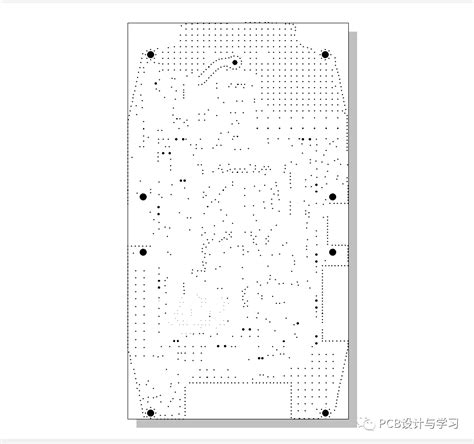
In the realm of PCB design, Gerber files serve as critical links between digital layouts and the physical production of printed circuit boards. When you embark on a journey to bring your electronic project to life, these files are essential. They encapsulate all the intricate details of your design, such as copper layers, silkscreen information, and drill specifications, transforming your computer-aided design (CAD) layouts into explicit fabrication instructions. This transformation is vital for PCB manufacturing because it ensures that every minute detail is communicated to manufacturers accurately. When you provide PCB manufacturing companies with well-generated Gerber files, you significantly enhance the likelihood of achieving high-quality production outcomes at a lower PCB manufacturing cost. It’s crucial to recognize that any discrepancies in these files can lead to errors during the manufacturing process, resulting in a flawed end product. By understanding and efficiently utilizing Gerber files, you can streamline your PCB manufacturing business, reduce potential errors during production, and ultimately ensure that your designs are realized as intended. This not only fosters smoother operations but can also lead to cost savings and improved profit margins for your projects or business endeavors.
Generating Gerber Files from CAD Designs
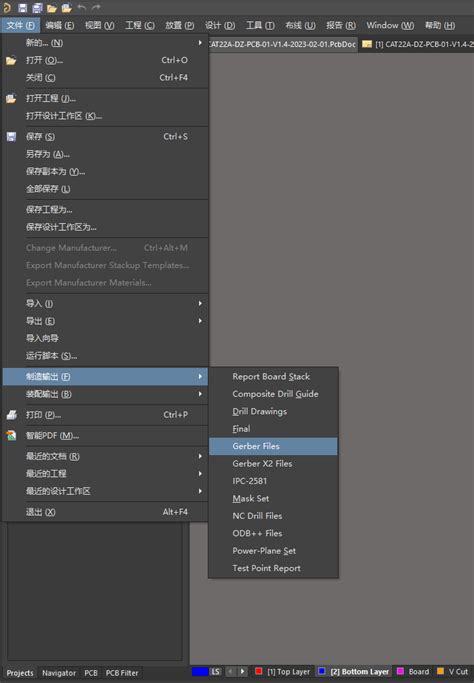
Generating Gerber files from your CAD designs is a crucial step in the PCB manufacturing process. These files serve as the blueprint for fabricating printed circuit boards, conveying essential information about the design, such as layer structure, trace widths, and hole specifications. To convert your CAD layouts into Gerber files, you typically use a feature within your design software, which allows for precise exportation of these instructions. As you engage with PCB manufacturing companies, it’s important to ensure that the exported files conform to common standards like RS-274X, ensuring they can be correctly interpreted during production.
When preparing your files, be mindful of the specific requirements associated with PCB manufacturing cost and desired quality. Incorrectly generated Gerber files can lead to delays or defects in the final product, impacting your project’s budget and timeline. By following industry best practices for file generation—such as including proper layers for solder masks and silkscreens—you can help mitigate errors that might otherwise arise during the transition from design to manufacture. Remember that clarity and accuracy in your Gerber files not only enhance communication with your chosen PCB manufacturing business but also streamline the production process itself, ultimately leading to more reliable outcomes.
Translating CAD Layouts into Fabrication Instructions
To transform your CAD designs into actionable fabrication instructions, you rely heavily on Gerber files. These files serve as a bridge between your creative designs and the realities of PCB manufacturing. Each layer of your PCB layout, such as copper traces, pads, and vias, is represented in a specific format that manufacturers can interpret. Through this translation process, pcb manufacturing companies can understand how to construct your boards accurately and efficiently. The precision contained within Gerber files directly influences the pcb manufacturing cost, ensuring that the production adheres to stringent quality standards while maintaining cost-effectiveness. Moreover, the clarity of these fabrication instructions reduces potential miscommunications between your design intentions and the manufacturer’s execution, ultimately enhancing the success rate of your pcb manufacturing business. By adhering closely to this established format, you ensure that every detail is accounted for, making it crucial for achieving the desired performance in your final product. In this way, generating accurate Gerber files is not merely a procedural step; it is foundational to a successful transition from design to tangible product in the dynamic world of PCB production.
Common Challenges with Gerber Files
When dealing with Gerber files, you may encounter several common challenges that can affect the effectiveness of your PCB manufacturing processes. One significant issue is the inconsistency in Gerber file formats that different PCB manufacturing companies may use. Each company may have its own interpretation of the standard, leading to potential miscommunication and errors during production. Additionally, you might face challenges related to missing or ambiguous layer information within your design files, which can result in costly mistakes that impact the overall PCB manufacturing cost.
It’s crucial to maintain clear documentation and ensure that all relevant specifications are included so that your PCB manufacturing business operates smoothly. Engaging with advanced software tools can also help in validating your Gerber files before sending them for production, reducing the risk of errors. Furthermore, discrepancies in drill data and other essential features could arise if not properly accounted for in the file generation process. Therefore, ensuring precision while creating your Gerber files is key; a meticulous approach can alleviate many of these common issues, ultimately contributing to a more efficient and cost-effective production cycle.
Best Practices for Creating Accurate Gerber Files
When you’re venturing into PCB manufacturing, understanding how to create accurate Gerber files is essential for ensuring the success of your projects. One of the first best practices is to consistently check the design rules set within your CAD software; this prevents discrepancies during production. Ensure that you thoroughly review the layers required for your specific design. Each layer corresponds to a function in the PCB manufacturing process, whether it’s for copper, silkscreen, or solder mask. Also, consider that different PCB manufacturing companies may have specific requirements for file formats or naming conventions, so it’s crucial to familiarize yourself with these standards before submission.
Another best practice involves maintaining a clean layout free of unintentional elements. Remove any design objects that do not contribute to the final PCB, as these can cause confusion during fabrication and potentially increase the PCB manufacturing cost. Additionally, conducting a pre-production check allows you to catch errors early. Validating your Gerber files through automated processes can significantly reduce those costly mistakes.
Finally, always keep an updated record of communication with your chosen PCB manufacturing business regarding their feedback on design submissions. By nurturing this relationship and incorporating their suggestions into your practices, you enhance not only the accuracy of your Gerber files but also improve workflow efficiency and collaboration on future projects. This proactive approach can lead to better product outcomes and optimized costs in subsequent designs.
Ensuring Quality Control in PCB Manufacturing with Gerber Files
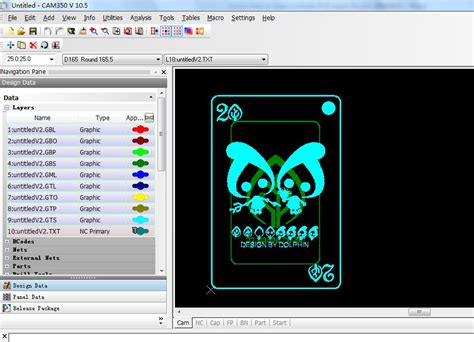
In the realm of PCB manufacturing, maintaining high standards of quality control is pivotal to the success of any PCB manufacturing business. One of the key components in achieving this quality assurance involves the meticulous use of Gerber files. These files serve as the backbone for translating your design intentions into precise fabrication instructions. By correctly generating and utilizing Gerber files, you can mitigate common issues that might arise during production, which significantly impacts both the overall PCB manufacturing cost and performance of the final product.
Moreover, ensuring that these files are accurate is essential, as even minor discrepancies can lead to substantial errors in circuit board assembly. This can result in costly reworks and potential delays, which could strain relationships with clients expecting timely delivery. As you work with PCB manufacturing companies, clear communication about your expectations regarding Gerber file integrity can further bolster your project’s quality control measures. By adhering to best practices in generating these files, you not only streamline the production process but also enhance the reliability of your designs, ultimately contributing to a more successful output and client satisfaction in your PCB manufacturing business. Thus, embracing a robust protocol for handling Gerber files within your quality control framework can serve as a strategic advantage in today’s competitive electronics market.
Comparing Gerber Files to Other Output Formats
When delving into the world of PCB design and manufacturing, it’s essential to understand how Gerber files stack up against other file formats commonly used in this industry. While formats like DXF, SVG, and NC drill files each have their place in the design process, none quite fulfill the specific requirements expected in PCB manufacturing. Gerber files are unique in their ability to accurately convey the intricate details of PCB layouts, such as copper layers, silkscreen overlays, and solder mask images.
Other output formats might not capture these details with the same precision, which can lead to increased costs and complications in communication between designers and PCB manufacturing companies. For example, using an SVG file for circuit board designs may provide a visually appealing representation, but it lacks the necessary data that ensures proper fabrication during the manufacturing process. This can result in delays and increased PCB manufacturing costs, underscoring the importance of using Gerber files specifically designed for this purpose.
Moreover, when looking at a successful pcb manufacturing business, integrating Gerber files into workflow means improving quality assurance by having a standardized medium that manufacturers trust across different markets. As it stands, without employing such specialized outputs, you risk deviations that could hinder production efficacy or quality control—elements crucial to sustaining operational success in this competitive field. Ultimately, for meticulous design transfer and quality production within cost constraints, embracing Gerber files is not just advisable; it’s a necessity for those serious about succeeding in the ever-evolving landscape of PCB manufacturing.
Conclusion
In conclusion, understanding Gerber files is vital for anyone involved in PCB manufacturing. These files serve as a bridge between your CAD designs and the physical printed circuit boards that will be produced. By comprehending how to generate and utilize Gerber files, you can ensure that your designs transition smoothly into reliable and accurate production processes. This understanding also enables you to effectively communicate with PCB manufacturing companies, facilitating a streamlined workflow that can help minimize the PCB manufacturing cost. The accuracy of these files significantly impacts the outcome of your project, directly influencing the quality of the final product. Therefore, investing time in learning about best practices for creating precise Gerber files not only fortifies your design but also enhances your overall PCB manufacturing business model by fostering stronger partnerships with manufacturers and driving operational efficiency.
FAQs
What are Gerber files and why are they important in PCB manufacturing?
Gerber files are essential data formats used in the PCB manufacturing process. They serve as the blueprint for the fabrication of printed circuit boards by translating your CAD designs into specific instructions that manufacturers follow to ensure accurate and high-quality production of PCBs.
How do I generate Gerber files from my CAD designs?
To generate Gerber files, you typically use your CAD software’s export functionality. This process usually involves selecting the appropriate layers that represent the different aspects of your design, including copper layers, silkscreen, and solder mask.
What challenges should I be aware of when working with Gerber files?
Common challenges include ensuring proper layer alignment, managing file sizes, and maintaining compatibility across different PCB manufacturing companies. It’s crucial to double-check file settings to minimize errors that could affect your project’s timeline or increase the overall PCB manufacturing cost.
How can I ensure quality control when using Gerber files for PCB projects?
To ensure quality control, you should conduct thorough reviews of your Gerber files before sending them to manufacturers. Running DFM (Design for Manufacturing) checks can help identify potential issues early in the process, enhancing workflow and reducing risks associated with errors in production.
Are Gerber files compatible with all PCB manufacturers?
While most PCB manufacturing companies accept Gerber files, it’s wise to verify compatibility beforehand. Different manufacturers may have specific requirements or preferences regarding file formats; hence, clarifying this beforehand can help streamline operations.