Understanding Metal Core PCB Prototypes for Enhanced Heat Management
Key Takeaways
When navigating the realm of metal core PCB prototypes, it is essential to understand their profound impact on thermal management and overall performance. These prototypes are engineered to mitigate the challenges posed by high temperatures, positioning themselves as valuable assets for various industries. Unlike traditional materials, metal core PCBs excel in dissipating heat, which not only prolongs the lifespan of the electronic components but also enhances their reliability in demanding environments. As you consider engaging with pcb manufacturing, it is crucial to recognize that opting for these advanced materials might influence your pcb manufacturing cost positively by minimizing heat-related failures. In addition, as you delve into finding suitable partners or pcb manufacturing companies, inquire about their experience and capabilities in producing metal core PCBs. This could provide a competitive edge by optimizing your product’s performance at elevated temperatures, paving the way for innovative applications in sectors like automotive and telecommunications. Exploring these opportunities could define your success within the evolving landscape of electronic design and manufacturing. For more insightful resources on PCB manufacturing, consider visiting Andwin PCB.
Introduction to Metal Core PCB Prototypes
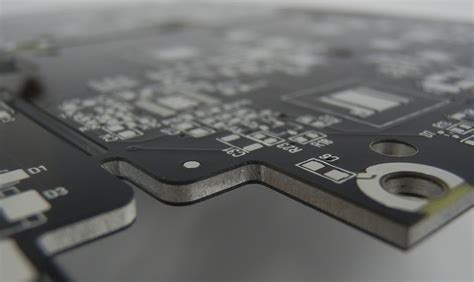
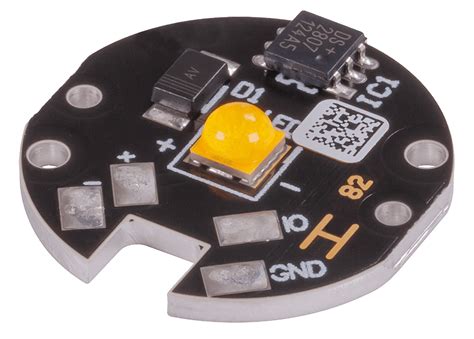
In today’s fast-paced technological landscape, understanding the role of metal core PCB prototypes is essential for anyone involved in pcb manufacturing. These prototypes serve as a critical bridge between innovative design and effective thermal management solutions. Unlike traditional PCBs that typically utilize materials such as FR-4, metal core PCBs integrate a metal layer, often aluminum or copper, which significantly enhances their thermal conductivity and dissipation properties. This makes them particularly advantageous for applications where heat generation is a concern, such as in power electronics or LED lighting. By leveraging these advanced thermal properties, you can not only improve device reliability but also extend the lifespan of your products.
When considering the pcb manufacturing cost, it’s important to weigh the benefits of adopting metal core technology against traditional materials. While there may be an initial investment associated with sourcing from specialized pcb manufacturing companies, these costs are often offset by the improved performance and efficiency that metal core constructions provide in high-temperature environments. Furthermore, as you dive deeper into your pcb manufacturing business, adopting innovative practices can give you a competitive edge in a rapidly evolving market.
As you explore the landscape of metal core PCB prototypes, consider how their unique features can be integrated into your designs, ensuring enhanced performance and reliability. The transition may involve some adjustments to your existing processes, but the long-term advantages make it an investment worth pursuing for future-ready technologies.
Advantages of Metal Core PCB over Traditional Materials
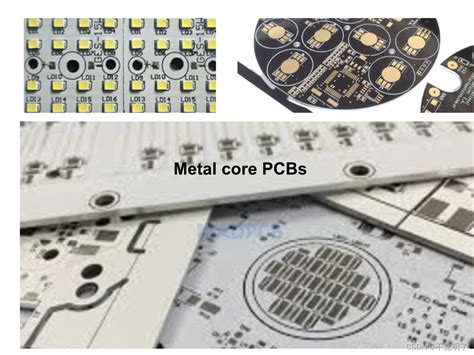
When it comes to PCB manufacturing, the choice of materials plays a crucial role in determining the overall performance and reliability of the circuit board. Metal core PCBs offer notable advantages over their traditional counterparts, particularly when it comes to thermal management. The integration of metal layers—usually aluminum or copper—within the PCB structure significantly enhances its ability to dissipate heat. This is essential in electronic applications where high temperatures can lead to overheating and component failure.
By utilizing metal core technology, you benefit from a higher thermal conductivity, which ensures that heat generated during operation is effectively channeled away from critical components. This attribute not only extends the lifespan of your electronics but also improves their performance, especially in power applications and LED lighting, where excessive heat is a common challenge.
As you consider various PCB manufacturing companies, it’s worth noting that those specializing in metal core designs can potentially lower your PCB manufacturing costs when accounting for reduced thermal management issues and enhanced reliability. Given these factors, if you are operating a PCB manufacturing business, investing in metal core prototypes can lead to greater customer satisfaction due to their improved longevity and performance in extreme conditions.
The table below summarizes the key comparisons between metal core PCBs and traditional materials:
| Feature | Metal Core PCB | Traditional PCB |
|---|---|---|
| Thermal Conductivity | High | Moderate |
| Weight | Heavier | Lighter |
| Cost | Slightly higher | Lower |
| Applications | Power electronics, LEDs | General electronics |
| Heat Dissipation | Excellent | Fair |
In conclusion, opting for metal core PCBs in your projects not only enhances durability but also aligns with industry demands for effective thermal management solutions. As technology advances, the preference for such prototypes will likely grow among manufacturers focused on high-performance applications.
Thermal Management Capabilities of Metal Core PCBs
When it comes to managing heat, metal core PCBs offer distinct advantages that make them a preferred choice in sectors demanding high thermal efficiency. Unlike traditional PCBs, which often struggle to dissipate heat effectively, metal core PCBs incorporate a solid metal substrate that enhances thermal conductivity. This means that when you use these prototypes, you can expect significantly improved thermal management capabilities. The thermal performance of a device is critical, especially in applications like LED lighting and power electronics, where excess heat can lead to failures or reduced lifespan.
By opting for metal core PCB prototypes, you not only benefit from their better heat dissipation but also optimize your pcb manufacturing process. The integration of superior thermal management systems can lead to a decrease in overall failure rates and an increase in product performance. As a result, many pcb manufacturing companies are investing heavily in this technology to meet the demands of high-temperature environments and enhance their product offerings.
Moreover, understanding the advantages of metal core PCBs reflects positively on your bottom line by potentially reducing the pcb manufacturing cost related to rework and replacements due to overheating. It’s critical for any pcb manufacturing business aiming for longevity and reliability in their products to consider the implications of inefficient thermal management. Thus, embracing these advanced solutions not only aligns with industry standards but can also accelerate your project’s success rate significantly.
Applications of Metal Core PCBs in High-Temperature Environments
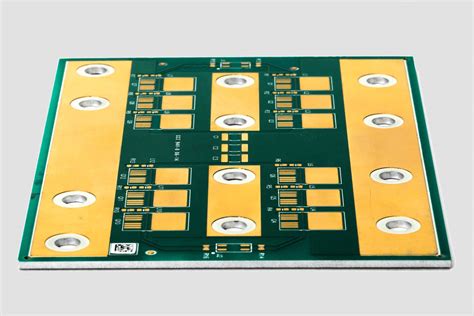
Metal core PCBs (MCPCBs) play a pivotal role in industries where heat management is crucial. You’ll find that these PCBs are particularly beneficial in applications such as LED lighting, power electronics, and automotive systems. For instance, in the realm of LED technology, the ability of metal core PCBs to dissipate heat efficiently prevents thermal buildup that can otherwise diminish the performance and lifespan of components. Similarly, in power electronics, where devices often operate at elevated temperatures, MCPCBs facilitate improved reliability and sustainability over time.
When considering pcb manufacturing, it’s essential to partner with reputable pcb manufacturing companies that understand the intricate requirements of metal core designs. The pcb manufacturing cost may be slightly higher due to the materials used, but this investment pays off through enhanced performance and reduced failure rates in high-temperature applications. As you delve into the world of metal core technology, remember that successful integration often hinges on selecting a manufacturer who can deliver not just quality but also maintain economical production standards.
“Investing initially in quality technology can save significant resources further down the line.”
This consideration is particularly vital when addressing sectors where performance under heat stress is non-negotiable. By leveraging metal core PCBs, your projects can achieve greater efficiency and reliability, ultimately leading to more successful outcomes across various high-temperature conditions.
Design Considerations for Metal Core PCB Prototypes
When embarking on a project involving metal core PCB prototypes, you must carefully consider several key design factors to ensure functionality and efficiency. One primary aspect is the thermal management capabilities that metal core PCBs provide. The choice of materials plays a critical role; materials with high thermal conductivity, such as aluminum or copper, can dissipate heat more effectively than traditional materials. This characteristic is especially crucial in applications where heat generation is significant, as improper heat management can lead to component failure.
Moreover, the pcb manufacturing process itself needs to align with your design specifications. Understanding the capabilities and limitations of different pcb manufacturing companies can help you choose the right partner that fits your project’s requirements. For instance, look for companies that specialize in metal core technologies, as they will have the expertise to handle the intricacies involved in producing these prototypes. Furthermore, be mindful of the pcb manufacturing cost, which could vary based on complexity and material selection. Creating an efficient design can help mitigate costs while ensuring performance.
You should also pay attention to the layout and spacing of components on your PCB. A well-organized layout not only improves thermal performance but also aids in maximizing space efficiency within your device. Often, this leads to a more cost-effective production route by reducing material waste during pcb manufacturing business processes. By focusing on these considerations from the outset, you can enhance the overall effectiveness of your metal core PCB prototypes while achieving both performance goals and budget requirements.
Manufacturing Process of Metal Core PCBs
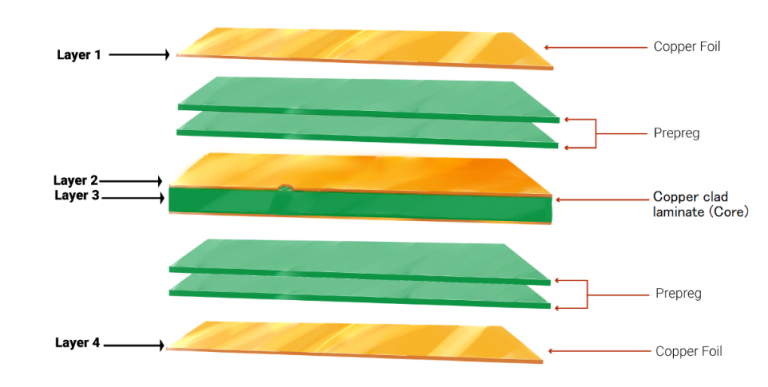
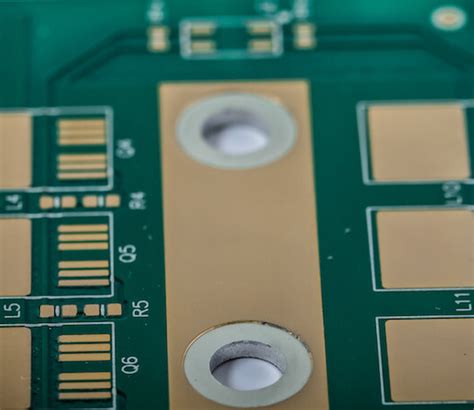
The manufacturing process of metal core PCBs involves several specialized steps that differentiate them from traditional printed circuit boards. Initially, you need to select a suitable metal substrate, typically made from aluminum or copper, which provides superior thermal conductivity. The first stage includes drilling and milling to create the necessary layers and cut out the board shape. Following this, a thin layer of insulation material is applied to ensure adequate electrical isolation between the copper layers and the metal core.
Next, during the pcb manufacturing process, you will find that pcb manufacturing companies employ techniques like lamination to bond the different layers together. This step is crucial because it enhances both mechanical stability and thermal performance. Upon successful lamination, surface finishes are applied to protect the conductive areas and improve solderability.
After preparing the boards, they undergo various testing procedures to ensure they meet quality standards. This phase is essential for assessing reliability under high-temperature conditions where metal core PCBs excel. Understanding these steps helps you appreciate how intricate the pcb manufacturing cost can be when dealing with specialized materials like those used in metal core prototypes.
Ultimately, if you’re considering entering the pcb manufacturing business, it’s important to recognize that investing in metal core technologies can position your offerings favorably in a market that increasingly demands effective thermal management solutions.
Case Studies: Success Stories with Metal Core Prototypes
In recent years, several notable pcb manufacturing companies have taken significant steps in incorporating metal core PCB prototypes into their production lines, showcasing successful implementations across various applications. A prime example is a collaboration between a leading pcb manufacturing business and an automotive giant. This partnership emphasized utilizing metal core PCBs to handle the increased thermal demands of cutting-edge electric vehicle components. By integrating these prototypes, the automotive company noticed an impressive reduction in overheating incidents, leading to improved reliability and performance metrics.
Additionally, a telecommunications firm focused on upgrading its high-power amplifiers also benefited from employing metal core PCB prototypes. By switching from traditional materials to metal cores, they were able to enhance thermal dissipation, which not only elevated the performance but also reduced the overall pcb manufacturing cost for their products over time. This strategic shift underscores the importance of selecting appropriate materials in engineering solutions that meet complex operational requirements.
These case studies exemplify how embracing metal core PCB technology can yield positive outcomes, especially in high-temperature environments where traditional materials often fall short. The growing recognition of these advantages highlights a shifting perspective within the industry regarding thermal management priorities and design considerations for electronic components.
Future Trends in Metal Core PCB Technology
As the demand for more efficient thermal management solutions continues to rise, metal core PCBs are poised to lead the charge in PCB manufacturing advancements. One significant trend is the integration of advanced materials that enhance the thermal conductivity of these prototypes, making them even more effective in high-temperature environments. You may also notice a shift towards incorporating smart technology into PCB manufacturing, allowing for real-time monitoring and adjustments. This will ultimately improve performance and reliability, which is especially crucial for applications like electric vehicles and high-powered LED lighting. Additionally, as pcb manufacturing companies strive to provide cost-effective solutions, pcb manufacturing cost will likely decrease due to innovations in production techniques and economies of scale. The growing focus on sustainability will also influence future designs, as manufacturers look for eco-friendly alternatives that do not compromise on performance. Embracing these trends will ensure that your business remains competitive in the ever-evolving pcb manufacturing business landscape while taking full advantage of the unique benefits offered by metal core PCBs.
Conclusion
In summary, metal core PCB prototypes stand out due to their exceptional thermal management capabilities, making them a vital choice in the realms of modern electronics. By utilizing a metal substrate, these prototypes significantly reduce the thermal resistance that often plagues traditional PCB designs. This reduction not only prolongs the lifespan of components but also enhances overall performance, particularly in high-temperature environments. When examining your pcb manufacturing options, it is important to consider how partnering with reputable pcb manufacturing companies that specialize in innovative technologies can influence both the efficacy and cost-effectiveness of your projects. Understanding the implications of pcb manufacturing cost and how it correlates with performance and durability helps in making informed decisions for your pcb manufacturing business. Ultimately, embracing metal core PCB technology positions you to drive innovation and achieve superior results in your product designs.
FAQs
What is a metal core PCB prototype?
A metal core PCB prototype is a type of printed circuit board that incorporates a metal substrate, typically aluminum or copper, to enhance thermal management. These prototypes are designed to better dissipate heat compared to traditional materials, making them ideal for high-performance applications.
How do metal core PCBs improve thermal management?
Metal core PCBs provide superior heat dissipation because metals conduct heat more effectively than standard PCB materials. This feature is particularly beneficial in environments where heat generation is significant, ensuring electronic components remain within their optimal operating temperature range.
What are the primary advantages of using metal core PCBs?
The primary advantages include improved thermal conductivity, reduced risk of overheating, and enhanced reliability of electronic devices in high-temperature settings. This makes them suitable for applications like LED lighting and power electronics where thermal performance is critical.
How do I choose a manufacturer for my metal core PCB prototype?
When selecting pcb manufacturing companies, consider their expertise in producing metal core prototypes. Look for information regarding their experience, manufacturing processes, and quality assurance measures to ensure they can meet your specifications.
What factors influence the cost of manufacturing a metal core PCB?
The pcb manufacturing cost can vary based on several factors, including material selection, complexity of the design, and production volume. It’s crucial to consult with multiple manufacturers to understand the pricing structure and find a competitive option for your pcb manufacturing business.
For more detailed information on effective solutions in pcb manufacturing, please visit this link.