Understanding Metal Core PCBs for Effective Heat Management
Key Takeaways
Metal Core PCBs (MCPCBs) are increasingly recognized for their ability to manage heat effectively in high-performance circuits. These PCBs incorporate a metal core, typically made of aluminum or copper, which significantly enhances thermal conductivity compared to traditional FR-4 boards. Understanding the nuances of pcb manufacturing processes is crucial for you, particularly if you are considering creating or utilizing MCPCBs in your designs. The pcb manufacturing cost may vary depending on materials, complexity, and volume; however, the investment is justified given the improved efficiency and longevity that MCPCBs provide.
By opting for quality materials and understanding how leading pcb manufacturing companies incorporate these technologies into their products, you can ensure that your projects benefit from optimal thermal management. This is essential in applications where overheating can compromise performance or safety. Moreover, awareness of how different materials impact your pcb manufacturing business allows for better decision-making surrounding product design and procurement. Adopting such insights ensures that your devices not only function effectively but also maintain reliability over extended use. For more information on these innovative technologies in PCB development, consider visiting resources like Andwin PCB.
Understanding the Structure of Metal Core PCBs
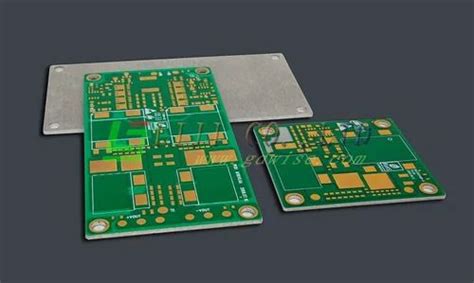
Metal Core PCBs (MCPCBs) feature a distinctive structure that sets them apart from traditional circuit boards. At the heart of their design is a metal base, typically composed of aluminum or copper, which plays a crucial role in thermal management. The metal layer serves as a heat sink, enabling efficient heat dissipation from electronic components, which is essential in high-performance applications. Unlike standard printed circuit boards (PCBs) that are generally made of fiberglass and resin, MCPCBs utilize a thermally conductive dielectric layer sandwiched between the metal core and the copper circuit layer. This configuration not only enhances thermal conductivity but also contributes to the overall robustness and durability of the PCB.
In the realm of pcb manufacturing, these specialized boards present unique advantages. The pcb manufacturing cost may be higher due to additional materials and complexity involved, yet the benefits in terms of performance can justify this investment for businesses focused on high-quality electronic products. As you consider partnerships with various pcb manufacturing companies, it’s important to assess their expertise in producing metal core designs to ensure they meet your project’s specifications.
| Material | Thermal Conductivity | Cost Level |
|---|---|---|
| Aluminum | High | Moderate |
| Copper | Very High | Higher |
This table summarizes some key attributes of materials used in MCPCB construction. As you evaluate options for your pcb manufacturing business, understanding these factors can help guide your decisions and ultimately lead to greater effectiveness in heat management for your circuits. By leveraging the advantages offered by metal core designs, you can enhance performance while addressing critical thermal challenges encountered in today’s electronics landscape.
Benefits of Aluminum and Copper in Heat Dissipation
When discussing metal core PCBs, the choice between aluminum and copper is pivotal, mainly due to their exceptional thermal conductivity properties. You might be aware that aluminum provides a great balance between affordability and performance. It is lighter, which can be advantageous in certain designs, and its lower pcb manufacturing cost makes it a popular choice among many pcb manufacturing companies. On the other hand, copper excels in thermal dissipation, making it superior for applications that require high-performance circuits, where heat management is critical to functionality. Utilizing copper not only enhances heat dissipation but also improves the longevity and reliability of your electronic components. For those engaged in a pcb manufacturing business, understanding the distinct advantages of these materials can help tailor products that match performance criteria without unnecessarily inflating costs. Ultimately, whether you lean towards aluminum or copper for your metal core PCBs will depend on your specific thermal management needs and budgetary constraints, allowing you to make an informed decision that best suits your project requirements.
How Metal Core PCBs Improve Thermal Management
Metal core PCBs (MCPCBs) represent a significant advancement in thermal management technology and are particularly beneficial for circuits that demand high performance. These specialized PCBs incorporate a base of aluminum or copper, which not only provides structural integrity but also greatly enhances heat dissipation capabilities. When you consider the pcb manufacturing cost, investing in MCPCBs may initially appear higher than standard options; however, the long-term benefits are undeniable. The unique structure minimizes the thermal resistance between the electronic components and the substrate, effectively removing excess heat generated during operation.
By utilizing advanced pcb manufacturing companies, you can tailor MCPCBs to suit your specific application requirements, ensuring optimal performance under high thermal loads. Furthermore, employing these types of PCBs can help you reduce risks associated with overheating, thereby extending the lifespan of your electronic devices and improving reliability. Remember that “a well-managed thermal environment leads to improved overall system efficiency.” In industries where durability is critical, such as automotive or aerospace, prioritizing effective heat management through MCPCB technology is not just beneficial; it’s essential.
Consider discussing your unique needs with your pcb manufacturing business to explore how they can support you in integrating MCPCBs into your designs. This ensures you’re making an informed decision that balances performance needs with cost considerations.
Applications of Metal Core PCBs in High-Performance Circuits
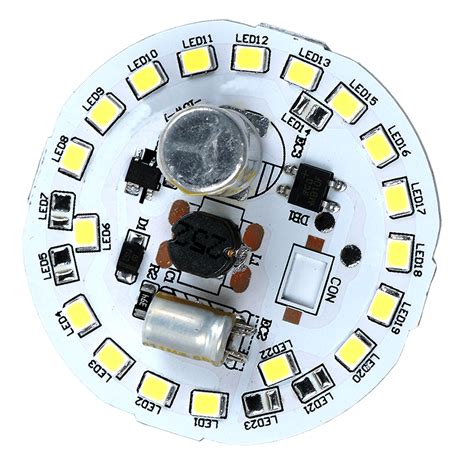
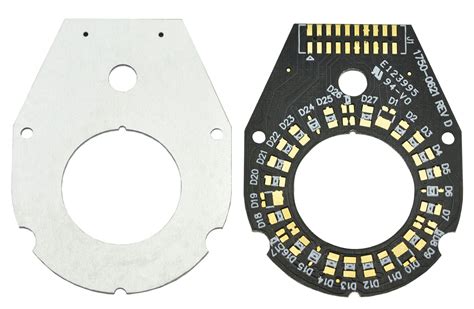
Metal core PCBs (MCPCBs) are becoming increasingly popular in various high-performance circuit applications, thanks to their exceptional ability to manage heat effectively. In industries where thermal management is critical, such as automotive, telecommunications, and consumer electronics, you will find that metal core PCBs offer a distinct advantage. The aluminum or copper bases of these boards allow for superior heat dissipation compared to traditional PCBs made of fiberglass and epoxy. This ensures that heat-sensitive components operate within their optimal temperature range, enhancing reliability and performance.
In the realm of PCB manufacturing, many PCB manufacturing companies have adopted the use of metal core options to meet the demands of high-power applications. When evaluating the pcb manufacturing cost, it’s essential to consider not just the initial expense but also the long-term benefits associated with reduced thermal failures and increased component lifespan that MCPCBs can provide. Your specific requirements may dictate whether a MCPCB is suitable for your application, but for high-performance circuits that demand enhanced thermal management, incorporating metal core designs can streamline your products’ performance.
Furthermore, understanding the unique properties of metal core materials allows you to make informed decisions during the design phase. Engaging with knowledgeable pcb manufacturing business professionals who specialize in MCPCB can guide you through choosing materials that optimize performance while also being cost-effective. As technology advances and energy efficiency becomes a focal point in engineering design, leveraging metal core technology could be critical for staying competitive in your field.
Comparing Metal Core PCBs to Traditional PCBs
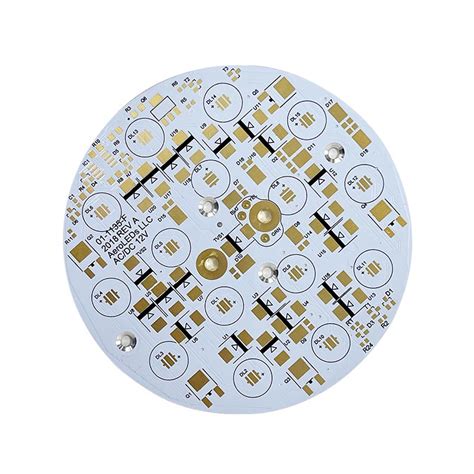
When evaluating metal core PCBs versus traditional options, it’s essential to consider their respective thermal management capabilities. Traditional PCBs, typically made from materials like FR-4, may struggle with heat dissipation in high-performance applications. In contrast, metal core PCBs utilize a base of either aluminum or copper, effectively channeling heat away from sensitive components. This structural difference not only enhances longevity but also improves reliability in circuits where thermal stress is a concern. As a result, many PCB manufacturing companies are shifting their focus towards producing these advanced boards to cater to the growing demand for efficient thermal solutions.
Moreover, understanding the PCB manufacturing cost is crucial when choosing between these two options. While the initial investment for metal core designs may be higher due to material costs and specialized fabrication processes, the long-term benefits of increased reliability and performance can ultimately justify the expense. In the competitive landscape of the PCB manufacturing business, companies that provide metal core solutions are likely to gain an edge by offering products that meet the rigorous demands of modern electronics, especially in industries like automotive and telecommunications where effective heat management is paramount. Thus, your choice between traditional and metal core PCBs should be informed by the specific heat dissipation requirements of your application and a consideration of overall cost-effectiveness in production.
Design Considerations for Metal Core PCB Layouts
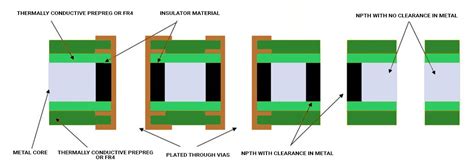
When designing metal core PCBs, it is crucial to consider several factors that can significantly impact the performance and efficiency of your circuits. First and foremost, the choice of materials plays a vital role. Utilizing aluminum or copper for the base can enhance thermal management, allowing for effective heat dissipation which is essential in high-performance applications. Additionally, you should take into account the pcb manufacturing cost, as these materials typically have different pricing structures compared to traditional PCB substrates. A thorough understanding of your project’s specifications and requirements will aid in selecting the most suitable option among various pcb manufacturing companies.
Next, you should examine the layout design carefully. Proper placement of components can help optimize heat distribution across the board, minimizing hotspots that may lead to circuit failure over time. Employing adequate ground fills and via placements not only aids in thermal management but also enhances electrical performance. Additionally, understanding how heat flow behaves within the structure of a metal core PCB will help you design more robust layouts that sustain performance under high temperatures.
Finally, consider your overall strategy in terms of scalability and manufacturability as part of your pcb manufacturing business model. An efficient design might simplify later stages of manufacturing, potentially lowering costs while improving product reliability. Engaging with experienced manufacturers early in the design process can provide valuable insights that align your layout with industry standards and best practices for optimal results.
Challenges and Solutions in Implementing Metal Core PCBs
Implementing metal core PCBs can present several challenges that need to be addressed to ensure optimal performance in your projects. One primary challenge lies in the pcb manufacturing process itself. Given the special requirements for working with metals like aluminum and copper, pcb manufacturing companies often need to invest in specialized equipment and techniques. This can inadvertently increase the pcb manufacturing cost, which is a concern for businesses aiming to keep production expenses manageable. Additionally, the thermal properties of metal core materials necessitate careful consideration during the design phase. Failure to properly account for thermal expansion and contraction can lead to reliability issues over time.
To tackle these challenges, collaborating with experienced pcb manufacturing companies can provide significant advantages. These companies typically have a wealth of knowledge regarding proper design methodologies, ensuring that your metal core PCBs are optimized for performance while mitigating any potential issues related to heat dissipation. Moreover, making use of simulation tools during the design phase can help predict how components will interact thermally and mechanically, thus enhancing your overall design strategy.
Another critical aspect of overcoming implementation hurdles is selecting the appropriate pcb manufacturing business partners who specialize in metal core technologies. This allows you to leverage their expertise and streamline production processes while minimizing costs associated with inefficient designs or unforeseen setbacks—ultimately leading to a more effective thermal management solution for high-performance circuits. By focusing on these collaborative approaches, you can successfully navigate the challenges tied to metal core PCBs while reaping their benefits in terms of heat management and reliability.
Conclusion
In summary, understanding metal core PCBs is essential for anyone involved in the pcb manufacturing industry, especially when considering aspects like thermal management. These boards utilize an aluminum or copper base, which effectively dissipates heat, making them superior for high-performance applications. As you delve into the benefits of these innovative designs, you’ll discover that pcb manufacturing companies focusing on metal core technology can greatly enhance the durability and performance of electronic devices. In evaluating your options within the pcb manufacturing cost, it’s crucial to consider not only the material expenses but also the long-term benefits of reduced thermal stress and enhanced reliability. Engaging in a pcb manufacturing business that specializes in metal core designs could set your products apart in a competitive market, ensuring optimal functionality and longevity in demanding environments.
FAQs
What are Metal Core PCBs?
Metal Core PCBs (MCPCBs) are specialized printed circuit boards designed with a metal base, typically aluminum or copper, that provides superior heat dissipation compared to traditional PCB materials. This unique structure allows PCB manufacturing companies to create circuits that can effectively manage heat, making them ideal for applications involving high power or densely packed components.
How do Metal Core PCBs differ from traditional PCBs?
The primary difference lies in the substrate material; while traditional PCBs use fiberglass or epoxy-based materials, MCPCBs are built with a metal core that enhances thermal conductivity. This results in lower PCB manufacturing costs for applications where heat management is critical.
What benefits do Metal Core PCBs offer?
MCPCBs offer several advantages, including enhanced thermal performance, improved reliability, and the ability to handle higher power loads. By utilizing materials like aluminum or copper, these boards ensure optimal heat transfer away from electronic components, prolonging their lifespan and performance.
In what applications are Metal Core PCBs typically used?
MCPCBs are extensively used in high-performance circuits such as LED lighting systems, power supplies, and automotive applications where thermal management is vital. Their unique properties make them suitable for any industry requiring efficient heat dissipation.
What should be considered in the design of Metal Core PCBs?
When designing MCPCBs, it is essential to consider factors such as thermal conductivity requirements, the layout of components for optimal airflow, and the PCB manufacturing business’s capabilities regarding precision and tolerance. Proper planning can lead to significant enhancements in performance.
For further insights into precise pcb manufacturing, explore more at our PCB Manufacturing Services.