Understanding PCB and SMT Technologies for Efficient Electronics
Key Takeaways
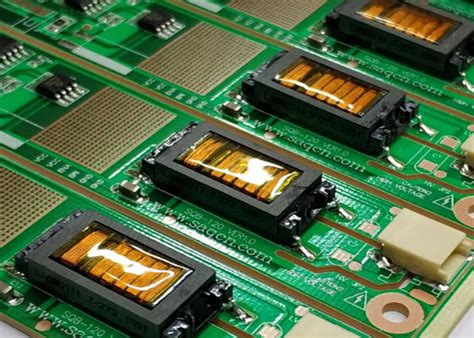
Understanding the core concepts of PCB (Printed Circuit Board) and SMT (Surface Mount Technology) is essential for anyone involved in electronics manufacturing. The efficiency with which pcb assembly is carried out can significantly impact the overall performance and reliability of electronic devices.
Utilizing SMT in the pcba process allows for a higher density of components on a board, which is crucial as devices become increasingly compact. The integration of these technologies not only streamlines the manufacturing process but also enhances the agility of production lines.
To provide clarity on their importance, consider the following table outlining key characteristics of PCB and SMT technologies:
| Feature | PCB | SMT |
|---|---|---|
| Assembly Density | Lower | Higher |
| Component Size | Larger | Miniature |
| Production Efficiency | Moderate | High |
| Thermal Management | Standard | Improved |
Effectively implementing these technologies requires a solid grasp of their respective processes and challenges. Awareness of potential obstacles in pcba workflows, such as component misalignment or solder quality issues, is vital for achieving optimal efficiency. By focusing on best practices like regular equipment maintenance and proper training, manufacturers can significantly improve their production capabilities.
In summary, mastering both PCB and SMT methodologies not only prepares businesses for current demands but also positions them for future advancements in electronics production.

Introduction to PCB and SMT Technologies
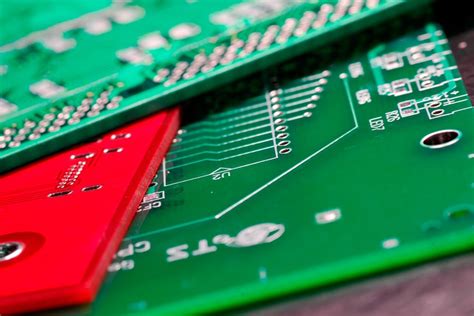
In the realm of modern electronics, understanding PCB (Printed Circuit Board) and SMT (Surface Mount Technology) is essential for anyone involved in electronics manufacturing and design. PCBs serve as the foundational platforms on which electronic components are mounted, providing the necessary electrical connections and mechanical support. They come in various forms, including single-sided, double-sided, and multilayer designs, each tailored to meet specific application requirements. On the other hand, SMT is a critical technique that has transformed how components are attached to these boards. Unlike traditional through-hole methods, SMT allows for smaller, lighter components to be mounted directly onto the surface of the PCB, enabling compact designs which are vital for today’s miniaturized devices.
The integration of these two technologies not only enhances component placement density but also significantly improves reliability and manufacturing efficiency. As companies increasingly adopt pcb assembly practices that emphasize automation and precision, understanding the interplay between PCBs and SMT becomes vital for optimizing production processes. Improved production techniques not only lead to reduced costs but can also enhance product performance through better thermal management and electrical connectivity.
Furthermore, with advancements in technologies such as 3D printing and machine learning impacting manufacturing processes, staying abreast of developments in both PCB design and SMT application is essential for engineers aiming to produce state-of-the-art electronic products. Thus, a solid grasp of these concepts underpins successful innovation in electronics manufacturing today.
The Role of PCBs in Modern Electronics
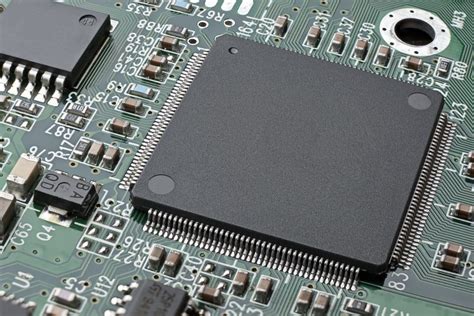
Printed Circuit Boards (PCBs) serve as the backbone of modern electronics, playing an integral role in the assembly and functionality of electronic devices. The design and fabrication of a PCB determine how well it can accommodate various components, manage heat dissipation, and facilitate electrical signals. With the growing complexity of devices, from smartphones to industrial machinery, the significance of well-designed PCBA (printed circuit board assembly) continues to expand. These PCBs not only provide physical support for components but also ensure that electronic signals can be efficiently routed between them. The shift towards more compact designs has led to innovative PCB layouts that maximize space while enhancing performance. Moreover, the integration of advanced technologies such as Surface Mount Technology (SMT) has revolutionized how PCBs are produced, allowing for a higher density of components and reducing overall manufacturing costs. As demand for higher efficiency and reliability in electronics rises, the role of PCBs becomes ever more crucial in enabling engineers to develop sophisticated applications that drive modern technology forward. The effectiveness of a pcb assembly lies not just in its initial design but also in the quality of materials used and the precision during its production process, which ultimately influences the durability and longevity of electronic products.
Understanding Surface Mount Technology (SMT)
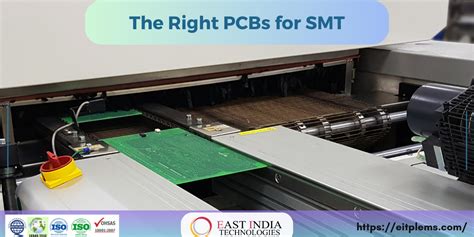
Surface Mount Technology (SMT) is a pivotal method in the realm of electronics manufacturing, enabling more compact and efficient designs. Rather than using traditional through-hole techniques, where components are inserted into holes on the Printed Circuit Board (PCB), SMT allows components to be mounted directly on the surface of PCBs. This technology significantly contributes to reducing the size and weight of electronics, utilizing smaller components that fit snugly onto the surface of the circuit board. The evolution of SMT has led to higher levels of automation in production strategies, which enhances manufacturing productivity while minimizing assembly times.
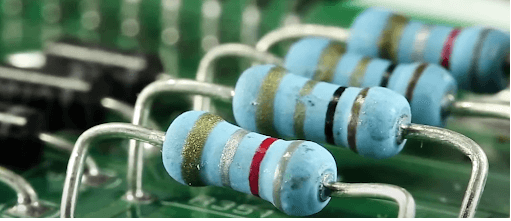
Moreover, one of the standout features of SMT is its ability to accommodate a greater density of electronic components within a limited area. This capability is paramount for modern devices requiring advanced functionalities without increasing size or weight. For example, a typical PCB assembly (PCBA) using SMT can house various resistors, capacitors, and chips that previously may have needed additional space due to through-hole configurations.
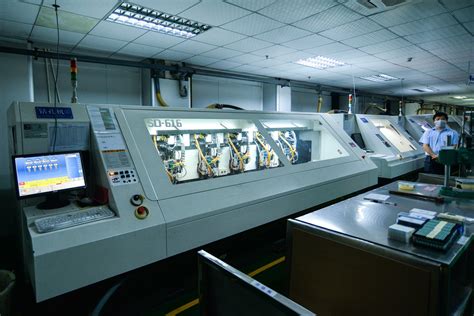
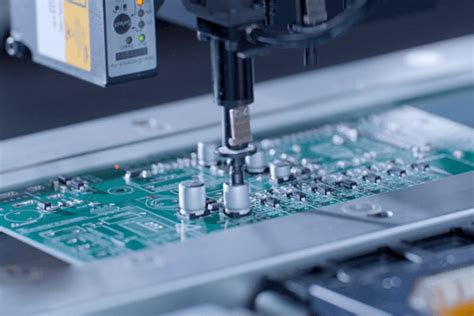
In addition to space efficiency, SMT can bolster production accuracy with automated equipment such as pick-and-place machines. These machines ensure precise placement of components on the PCB, reducing human error and enhancing reliability in products ranging from smartphones to industrial machinery.
“Embracing Surface Mount Technology not only streamlines production but also fortifies product design against evolving market demands.”
In essence, embracing SMT technology is vital for companies looking to stay competitive in an increasingly complex electronic landscape. By optimizing their production lines with this approach, businesses can produce high-quality and compact electronic assemblies that meet consumer needs effectively.
The Manufacturing Process of PCB and SMT Assemblies
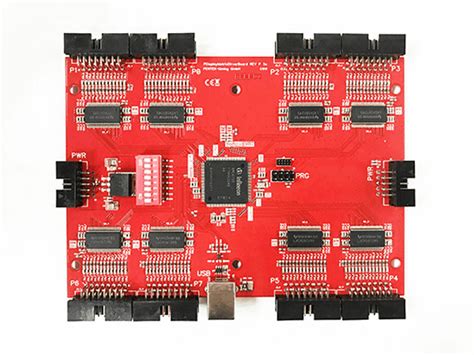
The manufacturing process of PCB (Printed Circuit Board) and SMT (Surface Mount Technology) assemblies involves several critical steps that ensure the efficient production of high-quality electronic components. Initially, design specifications are drafted, which outline the layout and circuitry needed for the pcb assembly. This design stage is crucial as it impacts the overall functionality of the electronic device. Following this, manufacturing begins with the creation of the pcb itself, usually from materials like fiberglass or composite epoxy.
Once the pcb is fabricated, components are then prepared for placement through SMT techniques. This involves applying a solder paste onto designated pads on the pcb, which will later facilitate connections once components are placed. Automated pick-and-place machines are employed to accurately position surface mount devices (SMDs) onto these pads, ensuring precision and consistency.
After component placement, assemblies undergo a reflow soldering process where heat is applied to melt the solder, solidifying connections between SMDs and the pcba (Printed Circuit Board Assembly). This method not only enhances reliability but is a significant factor in improving production efficiency as it reduces manual labor and potential errors. Overall, optimizing these processes in PCB and SMT assembly leads to more streamlined production workflows in electronics manufacturing, helping companies meet rising demands for innovative technology solutions while maintaining quality standards.
Advantages of Using PCB and SMT in Electronics
The integration of PCB (Printed Circuit Board) and SMT (Surface Mount Technology) in electronics brings numerous advantages that cater to the demands of modern manufacturing. One of the primary benefits is the significant reduction in space requirements; SMT allows components to be mounted on both sides of the board, leading to more compact designs. This is particularly useful for applications where size is critical, such as portable devices and IoT gadgets. Furthermore, pcb assembly enhances design flexibility, enabling engineers to utilize a variety of component types without being constrained by traditional soldering practices.
Additionally, the automation capabilities associated with SMT contribute to increased production speeds and overall efficiency. Automated placements during pcba processes minimize human errors and ensure consistency in production quality. This speed not only reduces manufacturing costs but also allows for faster time-to-market, which is essential in a competitive landscape. Moreover, PCBs designed for SMT can generally handle higher component densities than those utilizing older technologies; this aspect supports evolving electronic requirements for functions like multi-layered circuits that deliver improved performance.
In terms of reliability and performance, surface-mounted components tend to exhibit better electrical performance due to their reduced lead lengths, which minimize signal distortion and enhance conductivity. The effective thermal management offered through proper pcb assembly also enhances reliability; when components are positioned optimally on a PCB layout, heat disperses more evenly, potentially prolonging product life.
Overall, by leveraging PCB and SMT, manufacturers can achieve desirable outcomes such as reduced costs, increased reliability, and adaptability to technological advancements—making them indispensable tools in today’s electronics industry.
Common Challenges in PCB and SMT Production
The production of PCB assembly and Surface Mount Technology (SMT) entails navigating a landscape filled with various challenges that can affect efficiency and quality. One of the primary obstacles is achieving precise alignment during the assembly process. Any misalignment can lead to compromised connections, resulting in performance issues or complete failure of the circuit. Additionally, the complexity of modern electronics requires a careful balance between miniaturization and thermal management. As components become smaller and more densely packed, ensuring adequate heat dissipation becomes vital to prevent overheating. Another challenge is the selection of appropriate materials, as different applications require specific PCB substrates that can withstand varying environments.
Moreover, maintaining quality control is crucial. The integration of automation and advanced inspection techniques helps in identifying defects early in the manufacturing process, but it requires significant investment in technology and training for personnel. Lastly, supply chain disruptions can greatly impact the availability of necessary components for pcba, leading to delays and increased production costs. Addressing these challenges requires a proactive approach that includes continual evaluation of processes and embracing innovations in PCB and SMT technologies to enhance overall production efficacy.
Best Practices for Optimizing PCB and SMT Efficiency
To enhance the efficiency of PCB assembly and SMT, manufacturers should adopt several best practices that focus on various aspects of the production process. First, thorough planning and design for manufacturability (DFM) are crucial; an efficient pcba starts with a well-thought-out design that considers component placement and trace routing to minimize issues during assembly. Implementing advanced materials that are compatible with Surface Mount Technology can also improve durability and facilitate better thermal management in the final product. Additionally, maintaining an organized workspace with appropriate tools can streamline workflow, reducing the chance of errors that result in rework. Regular training for personnel on the latest techniques and equipment in PCB assembly is essential, ensuring the team is well-versed in handling sophisticated machinery. Using automated inspection systems allows for early detection of defects, thus preventing downtime later in production. Moreover, fostering strong communication between design and manufacturing teams works towards aligning goals and expectations, ultimately enhancing throughput. By incorporating these best practices into the production cycle, companies can elevate their capabilities in producing high-quality pcba while optimizing overall operational efficiency.
Future Trends in PCB and SMT Technologies
As electronics continue to evolve, PCB (Printed Circuit Board) and SMT (Surface Mount Technology) are set to undergo transformative advancements. One notable trend is the increasing integration of smart technologies, allowing for the production of more compact and efficient pcba (printed circuit board assembly). This development enables manufacturers to design thinner, lighter devices with enhanced functionality, meeting the demands of today’s consumer electronics. Furthermore, the push for sustainability is encouraging manufacturers to adopt eco-friendly materials in their pcb assembly processes, thus minimizing waste and environmental impact. Automation in production lines through the use of robotics and machine learning is also paving the way for improved precision and speed in both PCB and SMT manufacturing. These advancements not only streamline operations but also reduce costs, making it easier for companies to stay competitive in a rapidly changing market. Additionally, with the rise of Internet of Things (IoT) devices, there is a growing need for highly reliable and efficient pcba, propelling research into novel design methodologies that facilitate faster iteration cycles. As these trends unfold, they will redefine how electronics are manufactured and open up new possibilities for innovation in various industries.
Conclusion
In summary, understanding PCB (Printed Circuit Board) and SMT (Surface Mount Technology) is crucial for anyone involved in the electronics manufacturing industry. As highlighted throughout the article, the integration of pcb assembly techniques with SMT significantly enhances production efficiency and reduces costs. The modern landscape of electronics increasingly relies on these technologies to meet growing consumer demands for smaller, more efficient devices. By leveraging advancements in PCBA (Printed Circuit Board Assembly) processes, manufacturers can minimize errors and improve the reliability of electronic products. Furthermore, recognizing common challenges in pcb assembly helps companies innovate and implement best practices to navigate potential roadblocks effectively. As we look toward the future, staying informed about emerging trends will be essential for industry players aiming to maintain a competitive edge in this rapidly evolving field. The synergy between PCB design and SMT will undoubtedly play a pivotal role in shaping the future landscape of electronics manufacturing.
FAQs
Q: What is PCB assembly?
A: PCB assembly refers to the process of soldering electronic components onto a Printed Circuit Board (PCB) to create a functional electronic device. This process can utilize different techniques, including Surface Mount Technology (SMT).
Q: What are the key components of PCBA?
A: The key components of PCBA typically include resistors, capacitors, integrated circuits, and connectors that are mounted onto a PCB to establish electrical circuitry.
Q: How does Surface Mount Technology impact PCB assembly?
A: Surface Mount Technology allows for smaller components to be placed directly onto the surface of the PCB, resulting in higher circuit density and improved manufacturing efficiency compared to traditional through-hole methods.
Q: What are the advantages of using SMT in PCBA?
A: The advantages include reduced size and weight of assemblies, increased production speed, and lower material costs. SMT allows for automated processes that enhance overall production efficiency.
Q: What common challenges do manufacturers face in PCB assembly?
A: Manufacturers often encounter issues like component misalignment during placement, solder defects such as bridging or cold joints, and challenges in quality control procedures. Addressing these problems is crucial for achieving high-quality PCB assemblies.
Q: How can one optimize PCB assembly efficiency?
A: Enhancements can be made by employing automated processes, rigorous testing protocols, continual training for staff, and adopting lean manufacturing methodologies to minimize waste during production.