Understanding PCB Assembly Pricing: Factors, Trends, and Cost Optimization
Printed Circuit Board (PCB) assembly is a critical step in the electronics manufacturing process, transforming bare PCBs into functional electronic devices. However, the cost of PCB assembly can vary significantly depending on several factors. Understanding these factors is essential for businesses and individuals looking to optimize their budgets while maintaining high-quality standards. This article explores the key elements that influence PCB assembly pricing and provides insights into how to manage costs effectively.
Key Factors Influencing PCB Assembly Pricing
- PCB Complexity
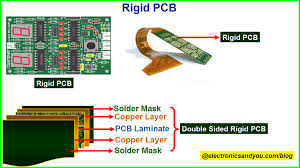
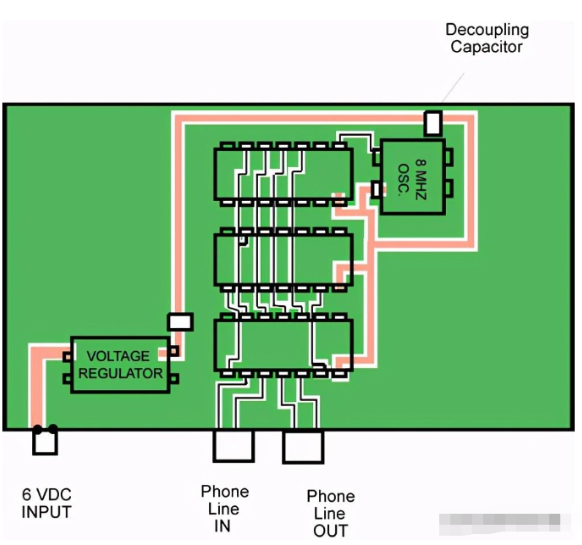
The complexity of the PCB design is one of the most significant factors affecting assembly costs. Complex designs with high component density, multiple layers, and advanced technologies (e.g., HDI or flexible PCBs) require more time, precision, and specialized equipment, leading to higher costs. - Component Costs
The type and number of components used in the assembly directly impact the price. High-performance or specialized components (e.g., microprocessors, sensors, or RF modules) are more expensive than standard passive components. Additionally, the availability of components can affect pricing, especially during shortages or supply chain disruptions. - Assembly Technology
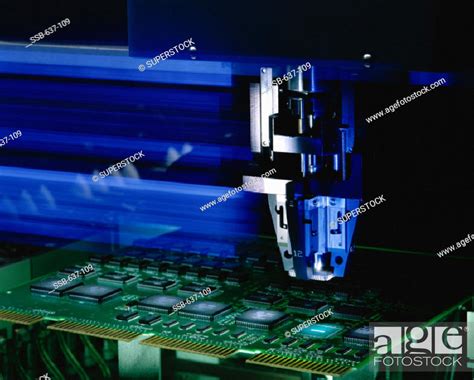
The choice of assembly technology—Surface Mount Technology (SMT), Through-Hole Technology (THT), or a combination of both—affects the cost. SMT is generally more cost-effective for high-volume production, while THT may be required for certain components, increasing labor and time requirements. - Order Quantity
The volume of PCBs being assembled plays a significant role in determining the price. Larger orders typically benefit from economies of scale, reducing the per-unit cost. Conversely, prototype or low-volume orders may have higher per-unit costs due to setup fees and lower efficiency. - Turnaround Time
Expedited or rush orders often come with additional charges. Standard lead times are more cost-effective, while faster turnaround times require prioritization and additional resources, increasing the overall price. - Testing and Quality Assurance
Rigorous testing and inspection processes, such as Automated Optical Inspection (AOI), X-ray inspection, and functional testing, add to the cost but are essential for ensuring product reliability. Skipping these steps may reduce costs but can lead to higher failure rates and long-term expenses. - Geographical Location
The location of the assembly service provider can influence pricing due to differences in labor costs, overhead expenses, and shipping fees. For example, assembly services in regions with lower labor costs may offer more competitive pricing. - Additional Services
Value-added services such as design support, component sourcing, conformal coating, and box-build assembly can increase the overall cost but may be necessary for specific projects.
Trends in PCB Assembly Pricing
- Rising Component Costs
Global supply chain challenges, including semiconductor shortages and increased demand for electronics, have driven up the cost of components. This trend has a direct impact on PCB assembly pricing. - Automation and Efficiency
Advances in automation and assembly technologies have helped reduce labor costs and improve efficiency, particularly for high-volume production. However, the initial investment in advanced equipment can be reflected in pricing. - Sustainability and Compliance
Increasing regulatory requirements and consumer demand for environmentally friendly products have led to additional costs for compliance with standards such as RoHS and REACH. - Customization and Prototyping
The growing demand for customized and prototype PCBs has led to more flexible pricing models, with some providers offering tiered pricing based on order volume and complexity.
Tips for Optimizing PCB Assembly Costs
- Design for Manufacturability (DFM)
Optimizing your PCB design for manufacturability can significantly reduce assembly costs. Simplifying the design, minimizing the number of layers, and using standard components can lower both material and labor expenses. - Bulk Ordering
Whenever possible, plan for larger production runs to take advantage of economies of scale. This reduces the per-unit cost and minimizes setup fees. - Choose the Right Assembly Partner
Selecting a reliable and experienced PCB assembly provider can help you balance cost and quality. Look for providers with transparent pricing, a strong track record, and the ability to meet your specific requirements. - Plan Ahead
Avoid rush orders by planning your production schedule in advance. This allows you to take advantage of standard lead times and avoid expedited fees. - Leverage Online Tools
Many PCB assembly providers offer online quoting tools that allow you to estimate costs based on your design files. Use these tools to compare prices and identify cost-saving opportunities. - Consider Component Alternatives
Work with your assembly partner to identify cost-effective component alternatives without compromising performance. This can help reduce material costs, especially during shortages.
Conclusion
PCB assembly pricing is influenced by a wide range of factors, including design complexity, component costs, order volume, and additional services. By understanding these factors and implementing cost optimization strategies, businesses and individuals can achieve a balance between affordability and quality. As the electronics industry continues to evolve, staying informed about pricing trends and working closely with trusted assembly partners will be key to managing costs effectively and ensuring successful project outcomes.