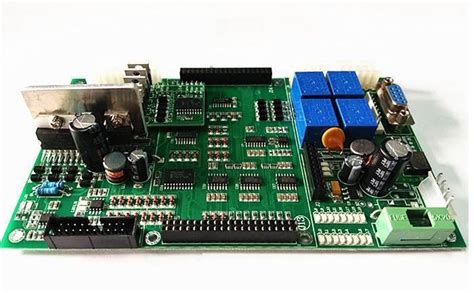
Understanding PCB SMT Technology for Efficient Electronics Manufacturing
Key Takeaways
PCB SMT technology, or surface-mount technology, plays a pivotal role in revolutionizing the processes of pcb assembly and the overall efficiency of electronics manufacturing. One of the primary advantages is its ability to significantly reduce the size and weight of electronic components, allowing for more compact designs. This innovation not only enhances production speed but also minimizes costs, resulting in a more streamlined pcba process. Moreover, with surface-mount components being placed directly onto the surface of printed circuit boards, it facilitates higher circuit density and improved electrical performance. As a result, manufacturers can produce devices that are not only more efficient but also incorporate advanced functionalities that meet consumer demands for smaller and smarter electronics. In essence, embracing PCB SMT allows businesses to maintain a competitive edge by promoting innovation and driving enhancements in product performance across various electronic devices.
Introduction to PCB SMT Technology
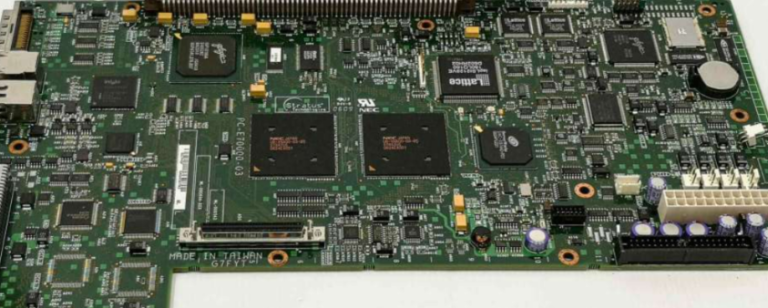
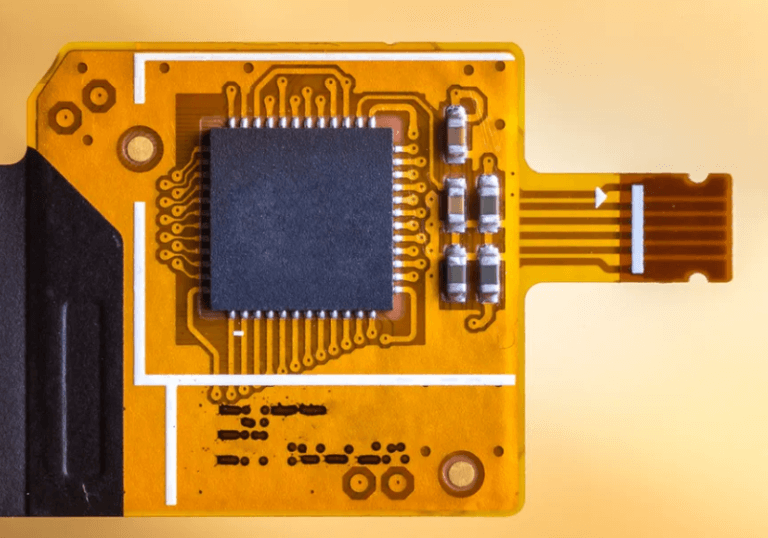
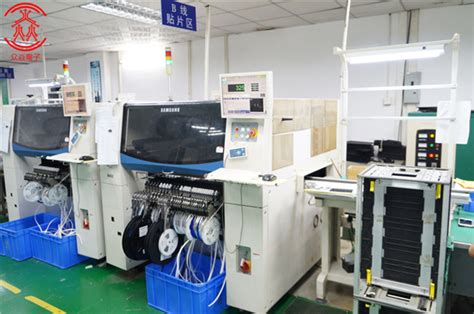
PCB SMT technology, or Printed Circuit Board Surface Mount Technology, is a critical advancement in the field of electronics manufacturing. By enabling components to be mounted directly onto the surface of a PCB, this method has revolutionized how electronic devices are assembled. The shift from traditional through-hole technology to surface-mount technology (SMT) allows for dramatically smaller and lightweight designs, facilitating the creation of more compact electronic devices that are prevalent in today’s market.
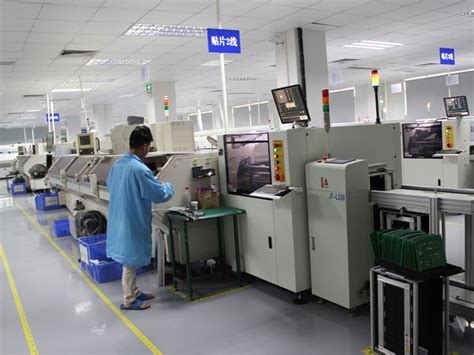
Notably, PCB assembly processes have become more efficient with SMT, as they require fewer manual steps and enable automated assembly lines. This automation not only saves on labor costs but also increases production speed and accuracy, resulting in enhanced overall efficiency in manufacturing. In addition to cost savings, the reliability and performance of assembled products have improved due to the precision with which SMT is applied.
“Embracing PCB SMT is not merely a trend; it’s an evolution that supports innovation while enhancing the performance of electronic devices.”
Modern applications have seen a surge in complex infrastructures that demand both high performance and compact size. Ultra-thin smartphones, advanced medical devices, and wearable technology exemplify how integrating PCB SMT in design can lead to impressive advancements in functionality without compromising on form factor. As manufacturers continue to innovate their processes around PCBA, we can expect even more breakthroughs in electronics that will reshape our interaction with technology.
The Advantages of Surface-Mount Technology in Production
Surface-mount technology (SMT) has revolutionized the landscape of electronics manufacturing, offering numerous advantages that make it a preferred choice for many companies engaged in pcb assembly and pcba processes. One major benefit of SMT is its ability to accommodate a greater number of components on a given circuit board, enabling the production of smaller and more compact electronic devices without compromising functionality. This is particularly advantageous in today’s market, where space constraints are increasingly prevalent. Furthermore, the efficiency of SMT allows for faster assembly times, as mechanical placement systems can rapidly position components on the substrate with high precision. This not only speeds up the production process but also enhances reliability, as automated systems reduce the likelihood of human error during assembly. Another significant advantage is cost-effectiveness; adopting SMT typically leads to lower production costs due to decreased labor requirements and minimized material waste. As such, companies can achieve higher profit margins while maintaining competitive pricing for their products. Thus, the integration of SMT into pcb assembly strategies contributes fundamentally to manufacturing efficiency and drives innovation across various sectors in the electronics industry.
Cost-Effectiveness of PCB SMT in Electronics Manufacturing
The cost-effectiveness of PCB SMT (Surface-Mount Technology) in electronics manufacturing is one of the primary reasons for its widespread adoption. This technology enables the pcb assembly process to become significantly more efficient compared to traditional through-hole technology. By utilizing smaller components that can be mounted directly onto the surface of a printed circuit board (PCB), manufacturers can optimize their production lines, reducing both labor and material costs.
One of the major financial benefits stems from reducing assembly time and minimizing errors during production, which ultimately translates to fewer defective units and lower rework rates. When analyzing costs, it is essential to consider the following factors:
| Factor | Traditional Assembly Cost | PCB SMT Cost |
|---|---|---|
| Labor Costs | High | Low |
| Material Usage | High | Low |
| Production Time | Long | Short |
| Rate of Defects | Higher | Lower |
As demonstrated in the table above, transitioning to SMT reduces labor and material usage, thereby lowering overall expenses in the pcba process. Furthermore, smaller components allow for more efficient use of space on PCBs, enabling the design of compact and lightweight electronic devices without compromising performance. This transformation not only enhances operational efficiency but also fosters innovation by allowing companies to introduce new products faster and respond more adeptly to market demands.
In conclusion, incorporating PCB SMT significantly boosts cost-effectiveness in electronics manufacturing while streamlining production processes, allowing manufacturers to maintain a competitive edge in an increasingly crowded market. The advantages provided by this technology play a pivotal role in driving innovation within the industry as companies look toward a future characterized by efficiency and advanced electronics.
Impact of SMT on the Performance of Electronic Devices
The integration of Surface-Mount Technology (SMT) has significantly transformed the way electronic devices are designed and produced, particularly in the realm of PCB assembly. One notable impact of SMT is the enhancement in the performance and functionality of modern electronics. By allowing components to be mounted directly onto the surface of a printed circuit board, SMT enables a more compact design. This leads not only to increased reliability due to reduced lead length but also facilitates improved electrical performance by minimizing parasitic inductance and capacitance. Consequently, devices can operate at higher speeds and greater efficiency.
Furthermore, pcba processes benefit from SMT’s inherent flexibility, allowing for a variety of component types and sizes to be used in tandem on a single board. This versatility fosters innovation by enabling manufacturers to experiment with new designs and technologies without extensive redesigns, ultimately leading to more sophisticated electronic products. Moreover, the use of automated assembly techniques associated with SMT enhances consistency in product quality while simultaneously reducing the risk of human error during production. In summary, the shift towards SMT has not only reinforced performance outcomes but has also played a crucial role in advancing overall product capabilities within the electronics industry.
Innovations Driven by PCB SMT in Modern Electronics
The evolution of Surface-Mount Technology (SMT) has fundamentally influenced the landscape of pcb assembly and the broader field of electronics manufacturing. By facilitating the miniaturization of components, SMT has enabled the production of sleek, compact devices that were previously unimaginable. The innovations in pcb assembly processes have led to substantial advancements in design flexibility, allowing engineers to experiment with new layouts and configurations that enhance functionality without compromising on size. Furthermore, these technological enhancements significantly improve production efficiency; automated assembly lines can now place and solder components with remarkable precision, vastly reducing human error and lead times. As a result, manufacturers can achieve higher output rates and deliver products to market faster than ever before. The integration of advanced inspection technologies alongside pcba processes ensures that quality control maintains high standards while also accommodating complex circuit designs that push the boundaries of what electronic devices can do. In essence, the innovations driven by PCB SMT are not merely about reducing costs—they are about fostering a new era of creativity and advancement in electronic design that aligns perfectly with consumer demands for both performance and aesthetics.
Challenges and Solutions in Implementing SMT
Implementing Surface-Mount Technology (SMT) in PCB assembly presents several challenges that companies must navigate to achieve successful integration. One of the primary challenges is the need for precise equipment and training for personnel. As pcba processes demand high precision, any misalignment during assembly can lead to defects, resulting in costly reworks or scrapped products. To address this issue, companies can invest in advanced SMT machinery that includes automated optical inspection systems. These systems enhance quality control by identifying discrepancies early in the production process.
Another significant hurdle is the management of thermal profiles during soldering. Inadequate temperature control can damage sensitive components or lead to poor solder joints, which compromise the overall functionality of devices. Solutions like implementing robust thermal profiling during assembly and utilizing reflow ovens with adjustable settings are critical for overcoming this challenge.
Moreover, supply chain reliability is an essential factor that affects pcb assembly efficiency. Disruptions in component availability can cause delays and increase costs. Adopting a more flexible sourcing strategy and maintaining close relationships with suppliers can help mitigate these risks.
In conclusion, while implementing SMT presents challenges such as precision requirements, thermal management, and supply chain issues, proactive strategies can effectively address these concerns. By leveraging technology and improving operational practices, manufacturers can unlock the full potential of PCB SMT technology, thereby enhancing production efficiency and driving innovation in electronic devices.
Future Trends in PCB SMT Technology
As the electronics industry continues to evolve, PCB assembly and surface-mount technology (SMT) are set to experience significant advancements. One of the most notable trends is the increasing adoption of automation and robotics in pcba production lines. This shift not only boosts production efficiency but also enhances precision in soldering and component placement, reducing errors that can lead to costly reworks. Moreover, the integration of artificial intelligence (AI) in SMT processes is becoming more prevalent, offering real-time data analysis and predictive maintenance capabilities. Such innovations are likely to streamline operations further and enhance the reliability of electronic devices.
In addition, there is a growing emphasis on sustainability within pcb assembly, with manufacturers exploring eco-friendly materials and processes. This trend is not only beneficial for the environment but also aligns with consumer preferences for sustainable products. Furthermore, as the demand for smaller and more powerful electronics rises, there will be a need for even more advanced SMT techniques that accommodate higher component densities without compromising performance.
The advent of 5G technology will also push boundaries, as it requires advanced designs that leverage SMT’s capabilities, enabling faster data transmission with compact components. As we look toward the future, it is clear that PCB SMT technology will remain at the forefront of electronics manufacturing innovation, driving efficiency and paving the way for unprecedented advancements in device functionality and design.
Conclusion: Embracing PCB SMT for a Competitive Edge
In today’s highly competitive electronics market, adopting PCB SMT technology is not just beneficial—it’s essential for manufacturers looking to maintain an edge. The advent of surface-mount technology has revolutionized the way pcb assembly processes are executed, allowing for greater efficiency and precision. By utilizing SMT, companies can enhance the overall quality of their products while simultaneously reducing production time and costs. Furthermore, with the continual push towards miniaturization and innovation in electronic devices, PCBA techniques are becoming increasingly vital. Embracing these advancements not only improves design flexibility but also opens doors to groundbreaking innovations in product development. As the electronics landscape evolves, staying ahead with PCB SMT will undoubtedly provide manufacturers with a distinct advantage, allowing them to meet the rising demands of consumers and remain relevant in a rapidly changing industry.
Conclusion: Embracing PCB SMT for a Competitive Edge
In conclusion, the advent of PCB SMT (Surface-Mount Technology) signifies a transformative leap in the field of pcb assembly and electronics manufacturing. As industries increasingly demand more compact, efficient, and high-performing electronic devices, embracing this technology becomes pivotal. PCBA not only streamlines the production process but also enhances the overall reliability and performance of electronic components. Manufacturers utilizing SMT can expect reduced labor costs and shorter production times, couched in the ability to produce smaller, more complex circuit designs that meet modern consumer demands. Furthermore, as technology continues to advance, those who adopt PCB SMT practices position themselves with a substantial competitive edge in a rapidly evolving market landscape. By addressing challenges such as layout design complexities and equipment investment through innovative solutions, manufacturers can harness the full potential of this technology to drive continual growth and success in their operations.
FAQs
What is PCB SMT technology?
PCB SMT, or Printed Circuit Board Surface Mount Technology, is a method used in the manufacturing of electronic circuits where the components are mounted directly onto the surface of a PCB. This technology has significantly improved the way pcba is performed by allowing for smaller, more compact designs.
What are the main advantages of surface-mount technology?
The primary advantages include increased production efficiency due to higher component density, reduction in assembly times, and lower overall costs in pcb assembly. Additionally, components can be placed on both sides of the board, optimizing space and functionality.
How does PCB SMT impact electronic device performance?
Surface-mount technology enhances performance by enabling the design of smaller circuits with reduced inductance and capacitance. This leads to better signal integrity and overall responsiveness in devices, which is crucial for modern electronics that demand higher performance.
What innovations has PCB SMT brought to modern electronics?
PCB SMT has paved the way for innovative electronic devices by facilitating more complex designs that were previously unfeasible. The ability to integrate advanced functionalities into smaller form factors has significantly driven innovation across various sectors.
Are there challenges associated with implementing PCB SMT?
Yes, implementing surface-mount technology can present challenges such as requiring precise placement and soldering techniques. However, these can be addressed through advanced manufacturing processes and quality control measures.
What does the future hold for PCB SMT technology?
The future looks promising for pcb assembly, with trends leaning towards even smaller components, more automation in manufacturing processes, and enhancing sustainability practices within electronics manufacturing.