Understanding Printed Circuit Board Turnkey Solutions for Efficiency
Key Takeaways
In the realm of electronics manufacturing, printed circuit board (PCB) assembly plays a critical role in ensuring efficiency and quality. Turnkey solutions for PCB assembly simplify the entire production process, from initial design to final production, allowing companies to streamline operations and reduce time to market. By integrating various stages of production under one umbrella, these solutions enable manufacturers to benefit from a cohesive workflow that minimizes communication barriers and enhances collaboration. Additionally, utilizing turnkey PCB services offers manufacturers significant cost savings by optimizing resources and reducing overhead. The focus on quality assurance is paramount; rigorous testing procedures are implemented throughout the process to ensure that every PCBA meets exacting standards before reaching consumers. As innovations in technology continue to emerge, such as advanced automation techniques and sophisticated software tools, the landscape of printed circuit board manufacturing is rapidly evolving, promising even greater efficiencies and higher quality outputs in the near future.
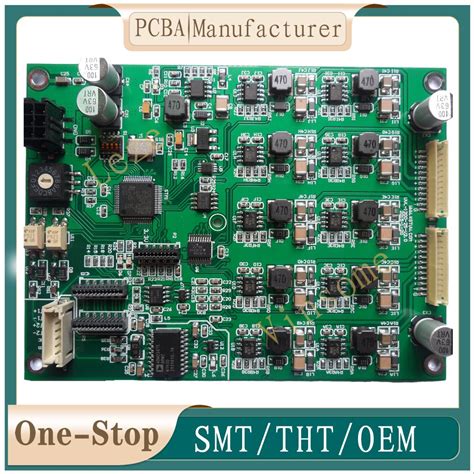
Introduction to Printed Circuit Board Turnkey Solutions
In the rapidly evolving landscape of electronics, the role of printed circuit board (PCB) manufacturing is pivotal to advancing technology. Among various production methodologies, turnkey solutions have emerged as a streamlined approach that caters to the efficiency needs of manufacturers. By offering a comprehensive package of services from initial design to final assembly, turnkey PCB services enable organizations to reduce lead times and minimize dependencies on multiple suppliers. This integration fosters a seamless workflow, where each phase of production is harmonized under a single umbrella.
Moreover, these solutions significantly enhance the quality and reliability of the finished products. Through pcb assembly, manufacturers can ensure that each stage, such as component sourcing, PCB fabrication, and assembly services, is meticulously executed. The benefits extend beyond mere convenience; manufacturers benefit from enhanced communication and coordination throughout the pcba process.
To illustrate these advantages further, consider the following table outlining key components in the turnkey PCB process:
| Component | Description |
|---|---|
| Design Services | Initial layout and schematic design |
| Prototype Development | Creating prototypes for testing and validation |
| PCB Fabrication | Manufacturing of printed circuit boards |
| Assembly Services | Comprehensive assembly including soldering components |
| Testing | Quality assurance tests to ensure functionality |
Through printed circuit board turnkey solutions, businesses not only reduce operational complexities but also pave the way for innovative advancements in product development. As technology continues to progress at an unprecedented pace, the adoption of these solutions becomes increasingly vital for maintaining competitive advantage in electronics manufacturing.
The Importance of Turnkey Solutions in PCB Manufacturing
Turnkey solutions in printed circuit board (PCB) manufacturing provide a comprehensive approach that streamlines the entire PCB assembly process, from inception to delivery. By adopting a turnkey model, manufacturers can significantly enhance production efficiency and reduce lead times. This includes everything from design and prototyping to final production and testing of the PCBA. More importantly, the integration of services helps ensure that all components are compatible and optimized for performance, which is paramount in today’s fast-paced market.
Furthermore, turnkey solutions facilitate better communication among different teams involved in the lifecycle of a printed circuit board. This collaboration not only minimizes errors but also fosters innovation in design and fabrication processes. Companies that leverage these solutions often witness a marked improvement in overall quality control, as established protocols ensure rigorous testing and verification at every stage.
“Investing in turnkey services is not just about simplifying procurement; it’s about enhancing your product’s lifecycle efficiency.”
In summary, as manufacturing technologies evolve, understanding the importance of turnkey solutions becomes crucial for achieving competitiveness and sustaining growth within the industry. The ability to provide a holistic service—involving design iterations, material sourcing, and manufacturing capabilities—demonstrates an organization’s commitment to quality and efficiency in PCB assembly operations.
Key Benefits of Using Turnkey PCB Services
The adoption of turnkey PCB services provides numerous advantages that significantly enhance manufacturing efficiency. One of the primary benefits is the streamlined process it offers, which allows companies to effectively manage their PCB assembly needs without the complexities that often arise with conventional methods. By utilizing turnkey solutions, organizations can access a comprehensive service that encompasses everything from design to production, thereby reducing the time and resources typically associated with individual component sourcing and assembly. This integrated approach not only minimizes lead times but also allows for better coordination and communication among teams, ultimately leading to higher quality outcomes in pcba processes. Furthermore, companies can expect improved cost efficiency as they eliminate various overheads related to project management, logistics, and inventory tracking. The versatility of turnkey PCB services also means that these solutions are adaptable to various project requirements, accommodating both high-volume production runs and specialized custom projects seamlessly. By leveraging innovative practices within PCB manufacturing, businesses can enhance their competitive edge while ensuring that their products meet stringent quality standards. Ultimately, utilizing turnkey options not only facilitates greater operational efficiency but also fosters a more agile response to market demands—an imperative characteristic in today’s fast-paced technological landscape.
The Turnkey Process: From Design to Production
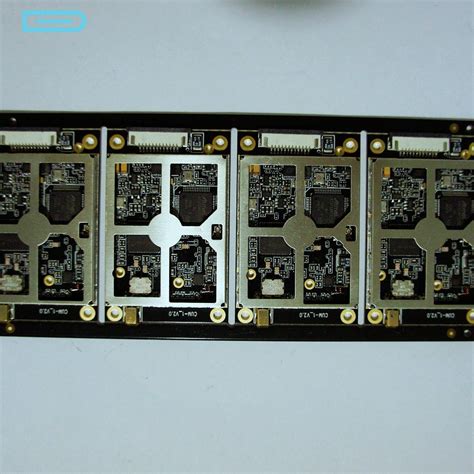
The turnkey process in printed circuit board (PCB) assembly is a comprehensive approach designed to enhance efficiency and streamline production. This process begins with the initial design phase, where detailed specifications of the PCB are developed. Collaborating closely with customers, manufacturers can ensure that the design meets exact requirements while accommodating any potential functional or technological challenges. Once the design is finalized, prototyping follows. This step is crucial as it allows for testing and validation of the layout before moving to large-scale production.
Following successful prototyping, the actual PCBA (printed circuit board assembly) process commences. This involves assembling various components onto the PCB, using techniques such as surface mount technology (SMT) and through-hole technology, which contribute to efficient manufacturing and enhance component reliability. Innovations in automation and robotics play a significant role here, significantly reducing production time while ensuring high precision in placing components.
Throughout this phase, stringent quality checks are implemented to maintain standards and minimize defects. These checks ensure that every unit produced aligns with customer specifications and industry regulations. Ultimately, the turnkey process not only simplifies supply chain logistics but also elevates circuit board quality, leading to more consistent performance in end products. By leveraging turnkey solutions in PCB manufacturing, companies can achieve a more integrated workflow from design through to production, resulting in both time savings and increased overall efficiency.
Innovations in Printed Circuit Board Manufacturing
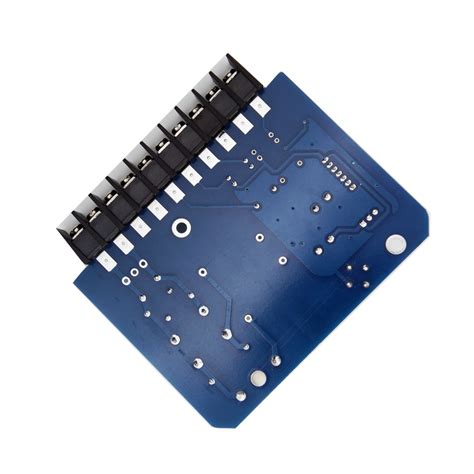
In the fast-paced world of electronics, innovations in printed circuit board (PCB) manufacturing have significantly transformed the landscape, specifically through enhanced production efficiency. One key aspect of these advancements is the integration of automated processes that streamline pcb assembly. The rise of smart technology has enabled manufacturers to utilize advanced machinery and robotics, allowing for precise layout designs and reducing human error during assembly. This leads to higher quality PCBA outputs and faster turnaround times.
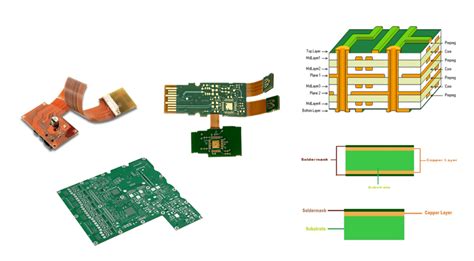
Moreover, the adoption of materials that offer better conductivity and thermal management plays a crucial role in enhancing circuit performance. Innovations such as multi-layer PCB designs allow for more compact and efficient circuits without compromising quality. Additionally, software solutions for design are constantly evolving, enabling engineers to simulate and test circuits digitally before physical production starts. These technologies not only improve design efficiency but also minimize costs associated with prototyping and testing.
Furthermore, the emphasis on sustainability has driven manufacturers to explore eco-friendly materials and processes, integrating greener practices into turnkey solutions. This helps address environmental concerns while delivering products that meet modern regulatory standards.
As these innovations continue to evolve, they not only impact the manufacturing processes but also set new benchmarks for quality assurance in turnkey PCB solutions, ultimately benefiting customers who demand both reliability and efficiency in their electronic devices.
Quality Assurance in Turnkey PCB Solutions
Quality assurance is a critical component in turnkey PCB solutions, ensuring that the final product meets industry standards and client specifications. In the realm of pcb assembly and PCBA, rigorous quality control processes are imperative to mitigate defects and enhance reliability. Throughout every stage of production, from initial design to final testing, systematic checks are implemented to uphold quality. One key aspect is the adoption of automated inspection technologies, which utilize advanced imaging systems to identify inconsistencies in solder joints and component placements, thereby ensuring optimal performance of the printed circuit board. Moreover, continuous feedback loops during various phases of manufacturing enable teams to make real-time adjustments, further eliminating potential issues before they escalate. Quality assurance not only enhances the reliability of the end product but also fosters client trust by guaranteeing that every pcba delivered is robust and functionally sound. In an environment where technology is constantly evolving, maintaining stringent quality standards becomes even more essential in producing efficient and high-quality printed circuit boards that meet the demands of modern applications.
Case Studies: Successful Implementation of Turnkey Solutions
The successful implementation of printed circuit board (PCB) turnkey solutions has been demonstrated across various industry sectors, showcasing their transformative impact on manufacturing efficiency. For instance, a leading electronics manufacturer realized a remarkable reduction in production time by adopting turnkey PCB services. Through an integrated approach that encompassed everything from design to final PCB assembly, the company streamlined its operations, allowing for faster turnaround times and improved product quality. In another case, a telecommunications firm benefited from the innovative processes inherent in PCBA solutions, which enabled them to refine their production workflow and enhance device reliability. By incorporating state-of-the-art technologies such as automated inspection and advanced materials, these firms not only achieved cost savings but also positioned themselves competitively in the market. Additionally, the detailed tracking and quality assurance protocols established during these cases ensured that the delivered products consistently met stringent performance standards. Overall, these case studies provide compelling evidence of how implementing turnkey PCB solutions can elevate operational efficiency while delivering high-quality results in an increasingly demanding manufacturing landscape.
Future Trends in Printed Circuit Board Turnkey Solutions
As we look ahead, the landscape of printed circuit board (PCB) manufacturing, particularly concerning turnkey solutions, is poised for transformative changes driven by advancing technologies and evolving market demands. One significant trend is the increasing integration of automation in the pcb assembly process. Automated systems enhance precision and reduce the likelihood of human error, resulting in higher quality pcba outcomes. Furthermore, the incorporation of AI-driven analytics allows for real-time monitoring and adjustments during production, ultimately boosting efficiency. Another notable trend is the rise of sustainable practices within turnkey PCB services. Companies are increasingly adopting eco-friendly materials and processes to minimize their carbon footprint while adhering to regulatory standards. Additionally, the demand for customized solutions is on the rise; clients are seeking tailored pcb assembly services that cater to specific project requirements, allowing for greater flexibility and innovation in design. As these trends continue to develop, they will not only improve production timelines but will also lead to enhancements in overall circuit board quality, fostering a competitive edge for manufacturers willing to adapt and embrace change.
Conclusion
In summary, printed circuit board turnkey solutions offer a comprehensive approach to PCB assembly, ensuring a streamlined process from initial design to final production. By integrating various stages of the manufacturing process, these solutions not only enhance operational efficiency but also contribute to significant cost savings for businesses engaged in electronic production. The turnkey process eliminates potential bottlenecks, allowing manufacturers to focus on their core competencies while relying on expert partners for quality assurance and innovative engineering solutions. Furthermore, advancements in technology have led to new tools and methods that facilitate faster PCBA, ensuring that products are brought to market more rapidly without sacrificing quality. As the industry continues to evolve, embracing these turnkey solutions will be crucial for companies looking to remain competitive and responsive to market demands, reinforcing the importance of innovation in every stage of the PCB manufacturing journey.
FAQs
What is a printed circuit board (PCB) turnkey solution?
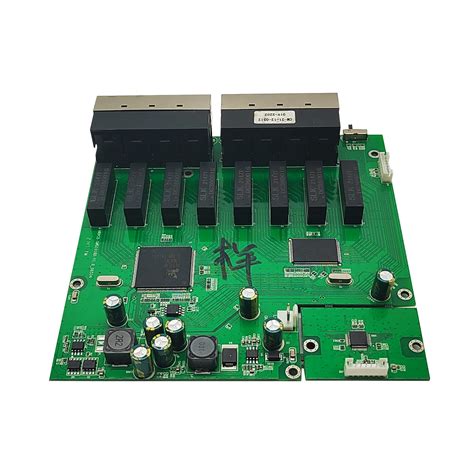
A PCB turnkey solution refers to a comprehensive service offered by manufacturers that incorporates all stages of PCB assembly, from initial design to final production and testing. This ensures a seamless process, allowing clients to receive fully assembled circuit boards without having to manage multiple suppliers.
Why are turnkey solutions preferred in PCB manufacturing?
Turnkey solutions enhance efficiency by reducing the time and complexity involved in the PCBA process. With everything handled under one roof, potential miscommunications between different service providers are minimized, leading to improved quality and faster turnaround times.
What are the key benefits of using turnkey PCB services?
The key benefits include streamlined production, reduced lead times, cost savings through bulk purchasing of components, and improved quality control. By having a single point of contact for design, fabrication, and assembly, customers can ensure consistency throughout the entire manufacturing process.
How does the turnkey process work?
The turnkey process begins with design specifications provided by the client. The manufacturer then handles component procurement, fabrication of the PCB itself, assembly of components on the board (PCBA), and thorough testing before delivery.
Are there innovations in printed circuit board manufacturing today?
Yes, recent innovations in printed circuit board manufacturing, such as advanced automation technologies and smart factory implementations, are revolutionizing how PCBs are produced. These advancements not only speed up production but also enhance accuracy and efficiency in assembly methods.
For further insights into efficient pcb assembly, please visit Andwin PCB Assembly.