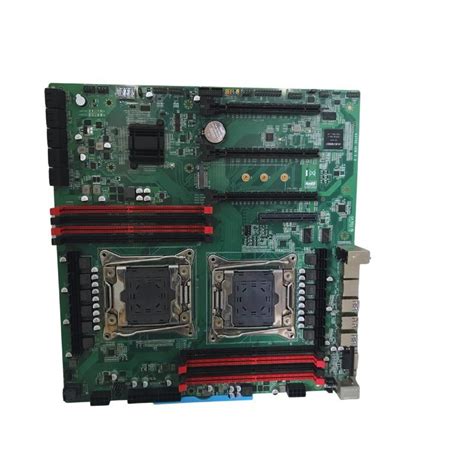
Understanding Single Sided Board Assembly Techniques and Benefits
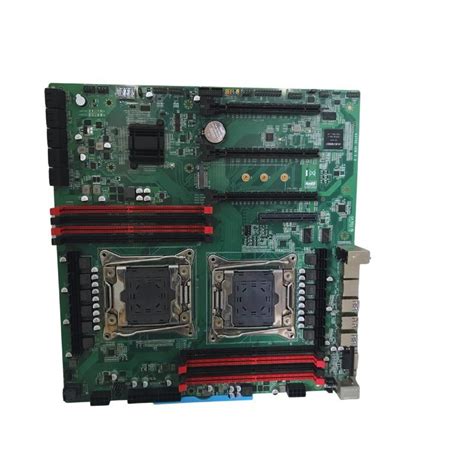
Key Takeaways
Single sided board assembly, commonly referred to as ‘pcb assembly’, is a crucial process in modern electronics manufacturing. This technique involves creating circuit boards with components mounted on only one side, which offers a variety of benefits and applications. One of the primary advantages of single sided board assembly is its simplicity, as the process requires fewer materials and less time compared to double-sided boards. This means manufacturers can achieve a quicker turnaround while maintaining reliability in their designs. The reduced complexity also results in lower production costs, making it a popular choice for many companies engaging in pcba.
Moreover, the efficiency of this technique opens up opportunities for an array of electronic devices, particularly those that aren’t overly complex or require multiple components. From household appliances to basic electronic gadgets, single sided boards serve as an effective backbone for their operations. However, it is essential to be mindful of the potential challenges that may arise from this method, such as limited component density and routing complexity.
“For those engaging in pcb assembly, staying updated with the latest advancements can significantly enhance production outcomes.”
In summary, the advantages of single sided board assembly not only streamline manufacturing processes but also contribute to cost-effective solutions in electronics. As industries evolve, understanding these key takeaways will enable manufacturers to make informed decisions in their production methods.
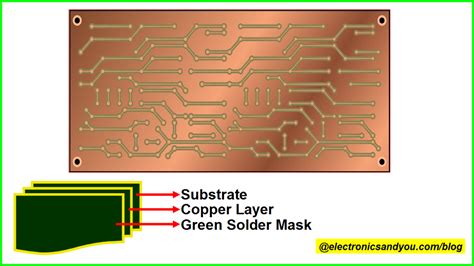
Understanding the Basics of Single Sided Board Assembly
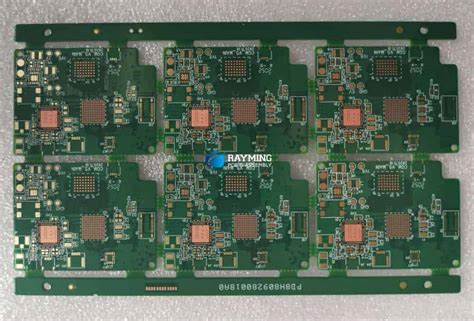
Single sided board assembly, commonly referred to as pcb assembly, is a prevalent method in the electronics manufacturing industry. This technique involves mounting electronic components on one side of a printed circuit board (PCB) to create a pcba that is efficient, reliable, and cost-effective. The fundamental concept behind single sided board assembly is the simplification of the manufacturing process, which reduces both production time and complexity. By limiting the assembly to one side, manufacturers can streamline production flows and minimize errors associated with component placement. This approach not only enhances the overall quality of assembled boards but also facilitates easier troubleshooting and repairs. Single sided assemblies are particularly advantageous for low to medium-density applications and are widely utilized in various devices, from consumer electronics to industrial equipment. While the focus on only one side makes this method less suitable for highly complex circuits that require more extensive connections, it serves as an ideal solution for many standard applications where efficiency and cost are paramount. Understanding these basics sets a solid foundation for exploring the more intricate techniques and benefits this efficient assembly method has to offer.
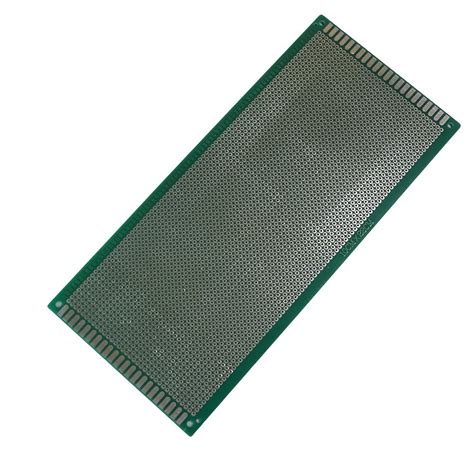
Key Techniques in Single Sided Board Assembly
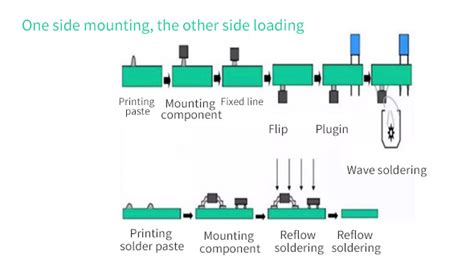
In the realm of pcb assembly, several fundamental techniques play a crucial role in achieving an efficient and reliable assembly process. One of the primary methods employed is surface mount technology (SMT), which allows for components to be mounted directly onto the surface of a single sided board without the need for drilling holes. This not only enhances the density of component placements but also facilitates automation, resulting in faster production times. Another key technique is manual soldering, often used for more intricate components or when specialized placements are necessary. While this method requires skilled labor, it remains invaluable for ensuring quality and precision in sensitive areas of the board.
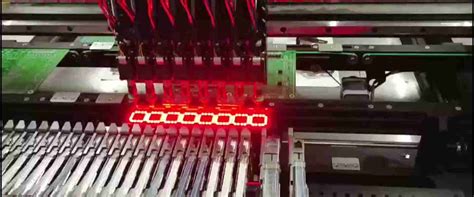
Moreover, the use of pick and place machines has become increasingly prevalent in modern assembly lines. These machines automate the placement of components on a pcb with incredible accuracy, significantly reducing errors associated with manual assembly processes. Additionally, reflow soldering is widely implemented to create robust connections between components and substrate; this step involves heating the solder paste to allow it to flow and bond adequately.
Lastly, careful testing techniques such as automated optical inspection (AOI) are utilized post-assembly to identify defects that might compromise product performance. This comprehensive suite of techniques not only enhances the efficiency of pcba but also contributes to producing high-quality electronic devices that meet stringent industry standards. With these methods firmly established within single sided board assembly, manufacturers can harness their advantages while continually adapting to evolving technological demands.
Advantages of Single Sided Board Assembly in Manufacturing
The advantages of single sided board assembly (SSBA) are manifold, especially when considering its impact on the efficiency of pcb assembly processes. One primary benefit is the ease of design and production. Since all components are mounted on one side, there is less complexity in the layout, which often leads to cost-effective manufacturing. Additionally, this simplicity reduces the potential for defects during assembly, resulting in higher reliability in the end product.
Another notable advantage is the lower material cost associated with SSBA. The omission of components on both sides allows manufacturers to use less material, which directly contributes to overall savings. This method is especially beneficial for low- to medium-volume production runs, where speed and cost efficiency are critical factors.
In terms of applications, single sided boards are particularly well-suited for consumer electronics and basic circuit functionalities where space and performance requirements do not demand multi-layer designs. Specifically, products such as calculators, remote controls, and simple sensors frequently utilize SSBA due to its straightforward implementation.
To illustrate this clearly:
| Advantage | Description |
|---|---|
| Easy Design | Simplified layout with components on one side |
| Cost Efficiency | Reduced material costs lead to overall savings |
| Higher Reliability | Fewer defects due to less complexity |
| Suitable Applications | Ideal for consumer electronics requiring basic functionalities |
Overall, SSBA provides manufacturers with a streamlined approach that enhances both production speed and overall project viability within diverse applications in electronic manufacturing. By leveraging these advantages, businesses can focus on delivering high-quality products that meet market demands efficiently while reducing unnecessary expenses in the pcba process.
Applications of Single Sided Boards in Electronics
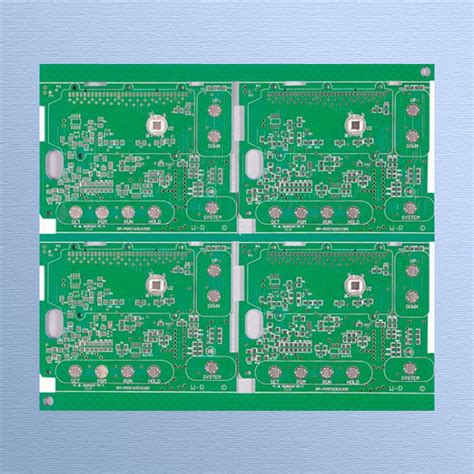
Single sided boards, commonly referred to as pcb assembly, play a pivotal role in various sectors of the electronics industry. The simplicity of their design makes them particularly suited for applications where space is limited and cost considerations are paramount. One of the most prevalent uses lies in consumer electronics, such as PCBA for devices like remote controls and basic audio equipment. Here, the efficiencies gained from using single sided boards translate into reduced manufacturing costs while providing reliable functionality. Moreover, these assemblies are crucial in automotive applications, where they are implemented in sensor systems and dashboard components, benefiting from their compact structure and lightweight nature.
Beyond consumer electronics and automotive applications, single sided board assembly techniques find their place in industrial machinery and medical devices. In the industrial realm, these boards facilitate control systems that require straightforward integration without complex circuitry. Medical devices benefit from the reliability and cost-effectiveness of single sided assemblies to maintain stringent safety levels while optimizing performance. As technology continues to advance, we can also anticipate a growing integration of single sided boards into IoT devices and smart home systems, where their lightweight nature allows for flexible designs without compromising on efficiency. Overall, the versatility of single sided boards makes them an essential foundational element across various electronic applications, solidifying their importance in modern manufacturing processes.
Challenges and Solutions in Single Sided Board Assembly
In the realm of pcb assembly, particularly with single sided board assembly, several challenges can arise during the manufacturing process. One notable issue is the limited space available for components, which can restrict design flexibility. However, effective solutions exist to maximize the efficiency of this assembly method. For instance, utilizing advanced placement technology can greatly enhance the precision of component positioning, mitigating any potential misalignment. Furthermore, engineers often turn to automated soldering techniques that not only improve reliability but also reduce human error during pcba production. Another challenge is ensuring thermal management; single sided boards may experience uneven heating during operation due to their design layout. To counteract this, employing thermal vias and selecting components with suitable thermal characteristics can promote a more balanced heat distribution. Ultimately, while obstacles in single sided board assembly are present, the industry has developed several practical strategies to navigate these challenges and maintain high standards in production efficiency and product reliability.
Cost-Effectiveness of Single Sided Board Production
The cost-effectiveness of single sided board assembly (often referred to as pcba) is a significant advantage that makes it a preferred choice in various manufacturing processes. By employing a single sided board production method, companies can streamline their sourcing and reduce overall material costs. The simpler design entails fewer layers, which not only simplifies the production process but also shortens assembly time, leading to lower labor expenses. Furthermore, the simplicity of the design increases the reliability of the finished product, as there is a reduced risk of errors during assembly. This efficiency translates directly into cost savings without compromising on quality, making this technique particularly appealing for projects with tight budget constraints. Additionally, manufacturers can achieve quicker turnaround times from prototyping to market launch due to less complex logistics and fewer components involved in the production cycle. Thus, for many sectors relying on efficient and effective solutions, adopting single sided board assembly stands out not just as a practical choice but also as an economically sound strategy that supports profitability and competitiveness in the electronics market.
Future Trends in Circuit Board Assembly Techniques
As the field of pcb assembly continues to advance, several notable trends are emerging that promise to enhance efficiency and quality in the production of printed circuit boards (PCBs). One significant trend is the increasing adoption of automation and robotics in pcba processes. The integration of intelligent automation systems enables faster assembly while minimizing human error, leading to higher precision in single sided board assembly. Moreover, as demand for miniaturization grows, manufacturers are exploring new materials and technologies that facilitate the design of more compact boards. This evolution is paving the way for innovations such as flexible circuit boards and high-density interconnects (HDI), which resonate with contemporary electronic applications ranging from wearables to IoT devices.
Additionally, sustainability is becoming a pivotal focus within the industry. Companies are seeking environmentally-friendly production methods and materials that minimize waste while maintaining performance standards—a paradigm shift that not only caters to regulatory requirements but also appeals to eco-conscious consumers. Lastly, advancements in design software are empowering engineers to create complex layouts more efficiently, thus enhancing the adaptability of designs for varying applications while ensuring reliability and effectiveness in the manufacturing process. These trends collectively illustrate a dynamic future for single sided board assembly techniques that will cater to evolving industry demands and technological advancements.
Conclusion
In summary, the exploration of single sided board assembly techniques reveals a method that is not only efficient but also highly adaptable within the pcb assembly landscape. The advantages of this approach, such as reduced production costs and simplified manufacturing processes, make it a preferred choice for many electronic applications. PCBA practices allow manufacturers to streamline their operations while delivering reliable performance in their products. As technology advances, the integration of innovative techniques in single sided board assembly will likely enhance its capabilities even further, enabling it to meet the evolving demands of the electronics sector. Thus, understanding these methods can empower manufacturers to leverage their benefits effectively, ensuring competitive advantage in a complex marketplace. With continuous advancements on the horizon, it is clear that single sided board assembly will play a pivotal role in shaping future electronic manufacturing processes.
FAQs
What is single sided board assembly?
Single sided board assembly refers to the process of assembling electronic components on only one side of a printed circuit board (PCB). This technique is often utilized in pcb assembly for devices that require a simpler design and where space is limited.
What are the common components used in single sided board assembly?
In single sided assemblies, common components include resistors, capacitors, diodes, and integrated circuits (ICs). These components are typically smaller and lighter, making them ideal for a variety of applications.
What are the advantages of using single sided board assembly?
The primary advantages include lower production costs and simpler design processes. Single sided boards also require fewer materials, enhancing cost-effectiveness. This simplicity often leads to a quicker fabrication process in pcba, resulting in faster turnaround times for projects.
Are there any specific applications for single sided boards?
Yes, single sided boards are widely used in various fields such as consumer electronics, automotive devices, and household appliances. Their uncomplicated structure makes them suitable for applications where functionality does not necessitate complex circuitry.
What challenges might one face with single sided board assembly?
Despite its benefits, challenges include limited space for component placement and potential heat dissipation issues. However, these challenges can often be addressed through proper engineering techniques and innovative design approaches.
For more information on PCB assembly techniques and services, please click here: Andwin PCB Assembly.