Understanding SMT Assembly Quotes for Efficient Manufacturing
Key Takeaways
Understanding SMT assembly quotes is essential for businesses aiming to enhance their manufacturing efficacy and cost-effectiveness. The first critical insight is that SMT (Surface Mount Technology) processes are closely tied to PCB assembly and PCBA (Printed Circuit Board Assembly). Each quote is not just a monetary figure; it encapsulates a comprehensive breakdown of related costs and services.
A well-structured quote will typically detail components, such as materials, labor, overhead, and lead times. It’s important to note that every supplier may present these elements differently, leading to potential confusion. Pay attention to pricing structures that include fixed costs versus variable costs, as these can significantly impact the total project cost.
Furthermore, evaluating multiple quotes can reveal variations in service quality and material sourcing that are crucial for effective decision-making. To bring clarity in this process, consider creating a comparison table to assess the offers comprehensively:
| Supplier | Total Cost | Lead Time | Material Quality | Assembly Process |
|---|---|---|---|---|
| Supplier A | $5,000 | 2 weeks | High | Manual |
| Supplier B | $4,800 | 3 weeks | Medium | Automated |
| Supplier C | $5,200 | 1 week | High | Manual |
This method not only simplifies comparison but emphasizes how differing factors contribute to total costs in PCB assembly. By thoroughly analyzing the quotes and the respective details presented by various suppliers, manufacturers can make informed decisions that promote efficiency in production while ensuring financial prudence.

Introduction to SMT Assembly Quotes
In the realm of electronics manufacturing, obtaining a SMT assembly quote is a crucial step for businesses looking to maximize efficiency and reduce costs. These quotes not only reflect the financial investment required for pcb assembly but also provide detailed insights into the various factors influencing the pricing. Understanding these intricate details allows manufacturers to make more informed decisions regarding their operations. A typical SMT assembly quote encompasses several key components, such as labor costs, material expenses, and lead times. Furthermore, recognizing how these elements interact can significantly impact the overall budget for a project involving pcba (printed circuit board assembly). By developing a keen understanding of these quotes, companies can better navigate supplier offerings and negotiate terms that align with their production goals. Ultimately, mastery of interpreting SMT assembly quotes is essential for manufacturers aiming for streamlined processes and enhanced productivity in their projects.
Key Components of an SMT Assembly Quote
Understanding the key components of an SMT assembly quote is essential for manufacturers looking to optimize their production process. At the core of any pcb assembly or pcba project, a comprehensive quote will typically include several crucial elements. First, it should detail the price per unit, which reflects the cost associated with manufacturing each individual component. This figure can fluctuate based on factors such as volume, complexity, and the materials used. Next, a breakdown of the lead time is vital; it indicates how long it will take for production to commence and ultimately deliver the finished products. Additionally, quotes often encompass details about the scope of work, specifying which services are included—such as component sourcing, assembly processes, and testing methods.
Another essential element is the provision of terms regarding warranty and liability, which protects both manufacturers and clients from unforeseen complications related to defects or performance issues. Furthermore, understanding materials’ cost contributes significantly to an accurate assessment; frequently this encompasses both standard components as well as any specialized parts required for pcb assembly. Each section of an SMT assembly quote provides key insights that can aid in decision-making processes associated with manufacturing efficiency and cost management. By thoroughly dissecting these components, manufacturers can not only interpret but also leverage quotes more effectively in their operations.
How to Interpret SMT Assembly Quotes
When navigating the complexities of SMT assembly quotes, understanding the various elements is vital for making informed decisions that impact your manufacturing outcomes. A comprehensive pcb assembly quote typically includes details on materials, labor, overheads, and additional services such as testing and assembly processes. It’s important to scrutinize these components to gauge the overall cost-effectiveness.
Key variations in quoted prices may arise from differing supplier capabilities, the quality of components used, or even geographic location. For example, a pcba quote that appears economical might exclude vital services that could lead to higher costs down the line if not considered upfront. Furthermore, quotes should be assessed for their transparency; any ambiguous terminology should prompt a dialogue with your supplier to clarify potential discrepancies.
Additionally, always account for lead times outlined in your quotes. Suppliers might offer rapid turnaround but at a premium price, while longer lead times generally favor lower costs due to bulk production efficiencies. By meticulously analyzing these elements—including the balance between costs and quality—you can strategically utilize SMT assembly quotes to streamline your manufacturing processes and enhance overall efficiency in pcb assembly projects.
Cost Factors in SMT Assembly Quotes
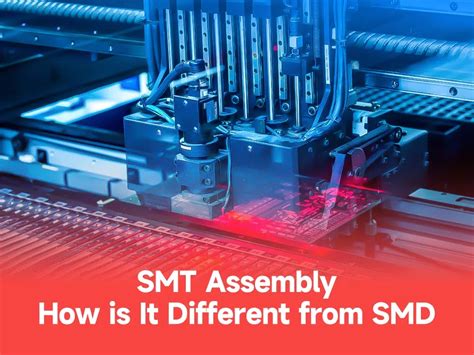
Understanding the cost factors involved in SMT assembly quotes is crucial for achieving cost efficiency in pcb assembly processes. Several elements contribute to the overall pricing structure, including materials, labor, and machine setup costs. First and foremost, the type and quality of components used in pcba influence pricing. High-quality components may incur a higher upfront cost but can offer better performance and longevity, making them a wise investment in the long run.
Additionally, labor costs can vary significantly based on the complexity of the assembly process and location of production. For instance, automated processes may reduce labor costs per unit but require a significant initial investment in machinery. In contrast, manual assembly could increase labor costs due to higher personnel expenditures.
Machine setup fees also play a role; intricate designs generally require more time and expertise to set up correctly, leading to increased overhead. Furthermore, production volume is a key consideration—larger orders typically benefit from economies of scale that can substantially reduce per-unit costs.
Lastly, any potential design changes or customizations may introduce unexpected costs that can affect your budget projections. By thoroughly analyzing these factors within SMT assembly quotes, manufacturers can make informed decisions that enhance operational efficiency while maintaining quality standards. Understanding these elements ensures that companies are not only prepared for immediate production needs but also positioned for future scalability within the evolving landscape of pcb assembly.
Comparing Quotes from Different Suppliers
When it comes to SMT assembly quotes, manufacturers often find themselves navigating a landscape filled with varied offerings and specifications. Effectively comparing quotes from different suppliers can significantly influence the overall success of a project, especially in the context of PCB assembly and PCBA services. Each quote might present unique terms, pricing structures, and timelines, making it essential to identify the value proposition each supplier offers.
Start by meticulously examining the quoted costs to draw direct comparisons. Look out for elements such as setup fees, material expenses, and any additional charges that may not be included in the initial price. A lower quote can sometimes be alluring but might hide important variables that could impact quality or lead time.
“Remember, the cheapest option may not always yield the best value; consider quality and reliability alongside pricing.”
In addition, pay particular attention to lead times provided by each supplier; all too often, longer timelines can lead to delays in your production schedules for pcb assembly projects. After assessing these factors closely, weigh them against your own requirements and constraints. A supplier who generally appears more expensive may justify their premium through quicker turnaround times or superior materials that enhance product performance, ultimately contributing to long-term cost savings.
Moreover, consider reaching out for clarifications on any aspects of the quotes that seem ambiguous—effective communication can often reveal insights that are not readily apparent in written documentation. By performing a thorough comparison and understanding what each quote entails, manufacturers can better strategize on selecting a partner that aligns with their project goals for enhanced efficiency in manufacturing processes.
Best Practices for Requesting SMT Assembly Quotes
When requesting SMT assembly quotes, it is crucial to approach the process with clarity and precision to ensure optimal outcomes for your pcb assembly projects. To begin with, providing comprehensive and accurate specifications for your Printed Circuit Board Assembly (PCBA) needs is essential. This includes details about the design files, dimensions, component types, and quantities required. Clear communication not only helps suppliers understand your requirements but also minimizes the chances of misunderstandings that could lead to costly mistakes. Furthermore, it’s advisable to inquire about any potential additional costs that may arise based on different factors such as material selection or lead times.
Another effective strategy is to establish a timeframe for delivery; having a clear schedule can significantly affect costs and the supplier’s ability to meet your production deadlines. Additionally, consider reaching out to multiple suppliers for comparison, as this allows you to better assess pricing structures and service quality. When comparing different SMT assembly quotes, focus not just on the final cost but also on aspects such as warranty options and support services offered post-assembly; these can play an important role in long-term satisfaction and efficiency.
Lastly, ensure that you review any terms and conditions outlined in the quotes thoroughly before making a decision. A well-informed approach will empower you to leverage SMT assembly quotes effectively, leading to more streamlined manufacturing processes and enhanced cost efficiency in your pcb assembly endeavors.
Utilizing SMT Assembly Quotes for Effective Decision-Making
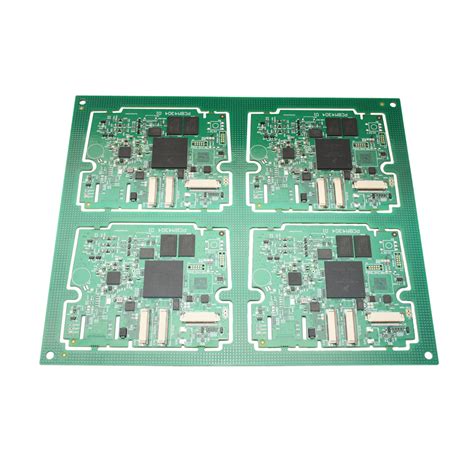
When it comes to utilizing SMT assembly quotes, decision-making in manufacturing becomes significantly more refined. These quotes are not just numbers; they hold the key to understanding the nuances of pcb assembly processes, providing vital insights into production costs and timelines. Each quote typically outlines various factors such as material costs, labor expenses, and overhead charges that are associated with the pcba process. By examining these components closely, engineers and procurement teams can make informed choices that align with their project’s budgetary constraints and timelines. Additionally, having a comprehensive view of SMT assembly quotes allows businesses to assess whether they can streamline their operations further. For instance, discrepancies in quotes from different suppliers often indicate variations in service quality or material standards—which can directly influence the performance of the final pcba. Therefore, analyzing these quotes rigorously not only aids in enhancing cost efficiency but also empowers teams to select partners who align with their quality expectations and operational goals. Ultimately, effective decision-making hinges on one’s ability to decode these SMT assembly quotes, ensuring that every choice made contributes positively to the broader objectives of manufacturing success.
Case Studies: Successful Applications of SMT Assembly Quotes
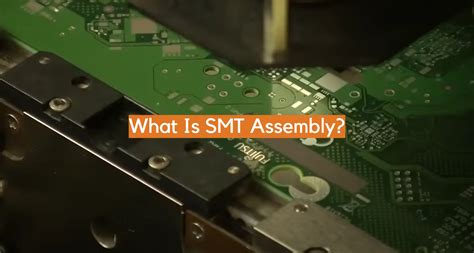
In the realm of manufacturing, the effective use of SMT assembly quotes can significantly enhance operational efficiency and cost management. Case studies from various industries illustrate how companies have leveraged these quotes to optimize their pcb assembly processes. For instance, a leading consumer electronics firm utilized SMT assembly quotes when transitioning to a new product line. By carefully comparing multiple suppliers through detailed quotes, they identified a partner that not only met their quality standards but also offered competitive pricing for pcba services. This decision resulted in a 15% reduction in production costs while maintaining exceptional product quality. Another example comes from the automotive sector, where a manufacturer adopted a strategic approach to requesting SMT assembly quotes during the design phase of new vehicle models. By engaging suppliers early and soliciting comprehensive quotes that included material, labor, and overhead costs, they were able to refine their designs based on manufacturability and budget constraints. This proactive method not only accelerated their timeline but also reduced waste and improved overall supply chain efficiency. As these examples demonstrate, understanding and applying SMT assembly quotes effectively can lead to substantial benefits in cost efficiency and production timelines within the manufacturing landscape.
Conclusion
In summary, understanding SMT assembly quotes is crucial for maintaining efficiency in manufacturing processes. By analyzing these quotes carefully, companies can gain insights into the various components involved in PCB assembly and the costs associated with them. The ability to interpret these quotes effectively allows manufacturers to identify potential savings and make informed decisions regarding their pcba partnerships. Each quote can reveal important details such as labor costs, material specifications, and delivery timelines which collectively impact the overall project budget and timeline. Moreover, by comparing quotes from different suppliers, businesses can ensure they are receiving competitive pricing without compromising on quality. Ultimately, leveraging these insights is essential for both optimizing production efficiency and increasing cost effectiveness in SMT assembly operations.
FAQs
What is an SMT assembly quote?
An SMT assembly quote is a detailed breakdown provided by a manufacturer that outlines the costs associated with the production of PCB assembly services. It typically includes pricing for materials, labor, and any additional services that might be required during the board’s production process.
How do I interpret cost factors in an SMT assembly quote?
The cost factors listed in an SMT assembly quote can often be complex. Key components include material costs, which pertain to the electronic components used, and labor costs, which reflect the time needed for PCBA and assembly processes. Understanding these elements can aid in determining the overall value of the quote.
Why are there price differences between quotes from different suppliers?
Price differences can arise from several factors including supplier reputation, material sourcing techniques, and manufacturing technology used. Some suppliers may offer lower prices but compromise on quality or lead times, whereas others may assure better reliability and support at a higher cost.
What best practices should I follow when requesting SMT assembly quotes?
When requesting quotes, it’s vital to provide clear specifications of your project. Include details such as design files, estimated quantities, and any special requirements for your PCB assembly. This ensures suppliers can provide precise quotes that reflect your project needs accurately.
How can I utilize SMT assembly quotes in decision-making?
By comparing different PCBA quotes side by side, one can evaluate not just pricing but also service offerings and quality assurances. This information empowers you to make informed decisions about which supplier best aligns with your project expectations while maintaining budget control.