Understanding the Price Factors of Rogers 5880 PCB Material
Introduction
In the world of high-frequency and high-performance electronics, the choice of printed circuit board (PCB) material is critical. Rogers 5880 is a popular high-frequency laminate known for its excellent electrical properties, low dielectric loss, and stable performance over a wide range of frequencies. However, one of the key considerations for engineers and designers when selecting Rogers 5880 is its price. This article explores the factors that influence the price of Rogers 5880, its cost comparison with other materials, and tips for optimizing costs without compromising performance.
What is Rogers 5880?
Rogers 5880 is a high-frequency PCB material manufactured by Rogers Corporation. It is a PTFE (polytetrafluoroethylene) based laminate reinforced with woven glass, offering a low dielectric constant (Dk) of 2.20 ± 0.02 and a low dissipation factor (Df) of 0.0009 at 10 GHz. These properties make it ideal for applications such as RF/microwave circuits, aerospace systems, telecommunications, and automotive radar systems.
Factors Influencing the Price of Rogers 5880
The price of Rogers 5880 is influenced by several factors, including material properties, market demand, and manufacturing processes. Below are the key factors that contribute to its cost:
- Material Composition and Quality
Rogers 5880 is a high-performance material with precise dielectric properties, which require advanced manufacturing techniques and high-quality raw materials. The use of PTFE and specialized glass reinforcement increases production costs compared to standard FR-4 materials. - Low Volume and Specialty Nature
Unlike FR-4, which is mass-produced and widely used, Rogers 5880 is a specialty material designed for niche applications. Its lower production volume results in higher per-unit costs due to economies of scale. - Thickness and Size Variations
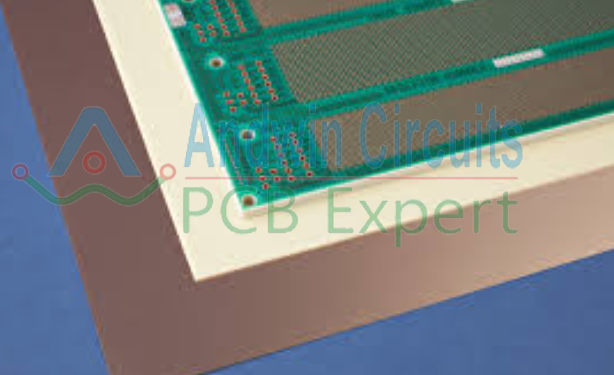
Rogers 5880 is available in different thicknesses and panel sizes. Thicker materials or custom-sized panels may incur additional costs due to increased material usage and specialized processing. - Supply Chain and Availability
The availability of Rogers 5880 can fluctuate based on global supply chain conditions, raw material shortages, or geopolitical factors. Such disruptions can lead to price increases. - Manufacturing Complexity
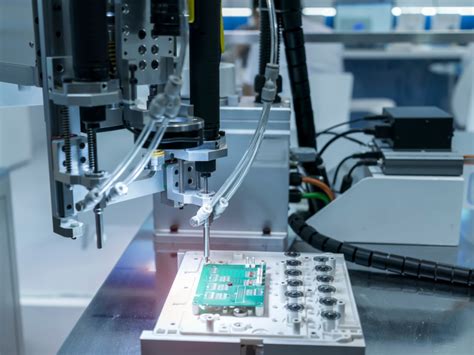
Processing Rogers 5880 requires specialized equipment and expertise, as PTFE-based materials are more challenging to work with than standard FR-4. This adds to the overall cost of the final PCB. - Market Demand
The growing demand for high-frequency applications in 5G, IoT, and automotive radar systems has increased the demand for Rogers 5880. Higher demand can drive up prices, especially during periods of limited supply.
Cost Comparison with Other PCB Materials
Rogers 5880 is significantly more expensive than standard FR-4, which is the most commonly used PCB material. For example:
- FR-4: $1–$5 per square foot (depending on thickness and quality).
- Rogers 5880: $50–$200 per square foot (depending on thickness, size, and supplier).
While the cost of Rogers 5880 is higher, its superior electrical performance and low signal loss justify the investment in high-frequency applications where performance is critical.
Tips for Optimizing Costs When Using Rogers 5880
- Design Optimization
Minimize the use of Rogers 5880 by designing hybrid PCBs that combine Rogers 5880 with lower-cost materials like FR-4. Use Rogers 5880 only in critical high-frequency sections of the circuit. - Panel Utilization
Maximize the use of panel space during fabrication to reduce material waste. Efficient panelization can lower overall costs. - Bulk Purchasing
If your project requires large quantities, consider bulk purchasing to take advantage of volume discounts from suppliers. - Alternative Materials
Evaluate alternative high-frequency materials that offer similar performance at a lower cost. For example, Rogers 4350B or Isola IS680 may be suitable for some applications. - Supplier Negotiation
Work closely with suppliers to negotiate better pricing, especially for long-term or high-volume projects.
Applications Where Rogers 5880 is Worth the Investment
Despite its higher price, Rogers 5880 is indispensable in applications where performance cannot be compromised:
- 5G Infrastructure: Ensures low signal loss and stable performance at high frequencies.
- Aerospace and Defense: Provides reliability in harsh environments.
- Automotive Radar Systems: Enables precise signal transmission for advanced driver-assistance systems (ADAS).
- Satellite Communications: Offers excellent performance in high-frequency RF applications.
Conclusion
The price of Rogers 5880 reflects its superior performance and specialized nature, making it a premium choice for high-frequency and high-performance applications. While it is more expensive than standard PCB materials like FR-4, its benefits in terms of low dielectric loss, stable performance, and reliability often justify the cost. By understanding the factors that influence its price and implementing cost-saving strategies, engineers can effectively incorporate Rogers 5880 into their designs without exceeding budget constraints. As the demand for high-frequency electronics continues to grow, Rogers 5880 will remain a critical material for enabling next-generation technologies.