Understanding the Temperature Range of Flexible Printed Circuit Boards (Flex PCBs)
Introduction
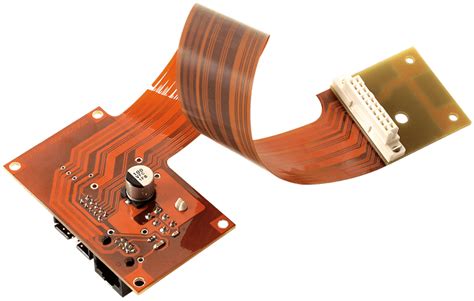
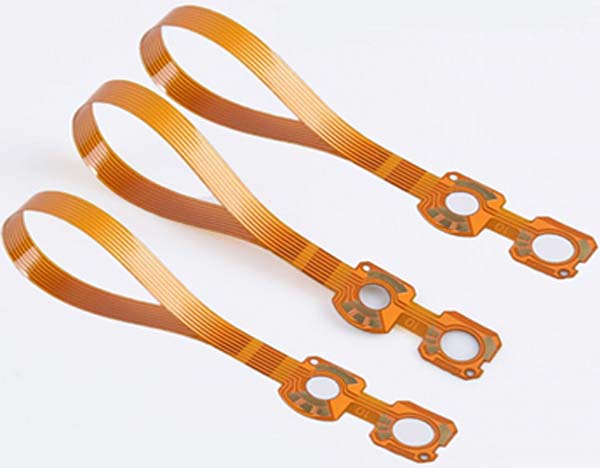
Flexible Printed Circuit Boards (Flex PCBs) have become an integral component in modern electronics due to their ability to bend, twist, and conform to various shapes. This flexibility makes them ideal for applications where traditional rigid PCBs would be impractical, such as in wearable devices, medical equipment, aerospace systems, and automotive electronics. However, one of the critical factors that engineers must consider when designing and implementing Flex PCBs is their temperature range. The temperature range of a Flex PCB determines its operational limits and reliability in different environments. This article delves into the temperature range of Flex PCBs, exploring the factors that influence it, the materials used, and the implications for various applications.
1. The Importance of Temperature Range in Flex PCBs
The temperature range of a Flex PCB is a crucial parameter that defines the minimum and maximum temperatures at which the board can operate reliably. Exceeding these limits can lead to a range of issues, including material degradation, delamination, and electrical failure. Understanding the temperature range is essential for ensuring the longevity and performance of the Flex PCB in its intended application.
1.1. Operational Temperature Range
The operational temperature range refers to the range of temperatures within which the Flex PCB can function without any degradation in performance. This range is typically specified by the manufacturer and is influenced by the materials used in the construction of the Flex PCB. For most standard Flex PCBs, the operational temperature range is between -40°C to 105°C. However, specialized materials can extend this range to accommodate more extreme conditions.
1.2. Storage Temperature Range
In addition to the operational temperature range, the storage temperature range is also important. This range defines the temperatures at which the Flex PCB can be stored without any damage or degradation. Typically, the storage temperature range is wider than the operational range, allowing the Flex PCB to be stored in environments that may not be suitable for operation.
2. Factors Influencing the Temperature Range of Flex PCBs
Several factors influence the temperature range of Flex PCBs, including the materials used, the design of the board, and the manufacturing process. Understanding these factors is essential for selecting the right Flex PCB for a specific application.
2.1. Material Selection
The materials used in the construction of a Flex PCB play a significant role in determining its temperature range. The key materials include the substrate, adhesive, and conductive layers.
2.1.1. Substrate Materials
The substrate is the base material of the Flex PCB, and it provides the board with its flexibility. The most common substrate materials are polyimide and polyester.
- Polyimide: Polyimide is the most widely used substrate material for Flex PCBs due to its excellent thermal stability, mechanical strength, and flexibility. Polyimide can withstand temperatures up to 260°C, making it suitable for high-temperature applications. However, its high cost can be a limiting factor for some applications.
- Polyester: Polyester is a more cost-effective alternative to polyimide, but it has a lower temperature range, typically up to 105°C. Polyester is suitable for applications where high temperatures are not a concern, but it may not be ideal for more demanding environments.
2.1.2. Adhesive Materials
Adhesives are used to bond the different layers of the Flex PCB together. The choice of adhesive can impact the temperature range of the board.
- Acrylic Adhesives: Acrylic adhesives are commonly used in Flex PCBs due to their good thermal stability and flexibility. They can withstand temperatures up to 120°C, making them suitable for most standard applications.
- Epoxy Adhesives: Epoxy adhesives offer higher thermal stability, withstanding temperatures up to 150°C. However, they are less flexible than acrylic adhesives, which can limit their use in highly flexible applications.
2.1.3. Conductive Materials
The conductive layers of a Flex PCB are typically made of copper, which is chosen for its excellent electrical conductivity and thermal properties. However, the thickness and type of copper used can influence the temperature range.
- Electrodeposited Copper: This type of copper is commonly used in Flex PCBs due to its good conductivity and flexibility. However, it has a lower thermal stability compared to rolled copper.
- Rolled Annealed Copper: Rolled annealed copper offers better thermal stability and is more suitable for high-temperature applications. However, it is more expensive and less flexible than electrodeposited copper.
2.2. Design Considerations
The design of the Flex PCB can also impact its temperature range. Factors such as the thickness of the board, the number of layers, and the layout of the circuitry can influence how the board responds to temperature changes.
2.2.1. Board Thickness
Thicker boards tend to have better thermal stability, as they can dissipate heat more effectively. However, thicker boards are less flexible, which can be a disadvantage in applications where flexibility is critical.
2.2.2. Number of Layers
Multi-layer Flex PCBs can offer better thermal performance, as the additional layers can help distribute heat more evenly. However, multi-layer boards are more complex to manufacture and can be more expensive.
2.2.3. Circuit Layout
The layout of the circuitry can also impact the temperature range. Proper spacing between traces and components can help reduce heat buildup and improve thermal performance.
2.3. Manufacturing Process
The manufacturing process can also influence the temperature range of a Flex PCB. Factors such as the lamination process, soldering techniques, and the use of protective coatings can impact the board’s thermal stability.
2.3.1. Lamination Process
The lamination process involves bonding the different layers of the Flex PCB together under heat and pressure. The quality of the lamination process can impact the board’s ability to withstand high temperatures.
2.3.2. Soldering Techniques
Soldering is used to attach components to the Flex PCB. The soldering process can expose the board to high temperatures, so it is essential to use techniques that minimize thermal stress.
2.3.3. Protective Coatings
Protective coatings, such as conformal coatings, can be applied to the Flex PCB to protect it from environmental factors, including temperature extremes. These coatings can help extend the temperature range of the board.
3. Applications and Temperature Range Considerations
The temperature range of a Flex PCB is a critical consideration in various applications. Different industries have different temperature requirements, and selecting the right Flex PCB is essential for ensuring reliable performance.
3.1. Consumer Electronics
In consumer electronics, such as smartphones, tablets, and wearable devices, Flex PCBs are often exposed to moderate temperatures. The operational temperature range for these applications is typically between -20°C to 85°C. However, as devices become more compact and powerful, heat dissipation can become a challenge, requiring Flex PCBs with better thermal performance.
3.2. Automotive Electronics
Automotive electronics are exposed to a wide range of temperatures, from the extreme cold of winter to the heat of the engine compartment. Flex PCBs used in automotive applications must have a wide temperature range, typically between -40°C to 125°C. Additionally, they must be able to withstand vibration and mechanical stress, making material selection and design critical.
3.3. Aerospace and Defense
In aerospace and defense applications, Flex PCBs are often exposed to extreme temperatures, both high and low. The temperature range for these applications can be as wide as -55°C to 200°C or more. Flex PCBs used in these environments must be made from high-performance materials, such as polyimide, and must be designed to withstand thermal cycling and other environmental stresses.
3.4. Medical Devices
Medical devices, such as implantable devices and diagnostic equipment, often require Flex PCBs that can operate reliably at body temperature (37°C) and withstand sterilization processes that can expose the board to high temperatures. The temperature range for medical applications is typically between -40°C to 125°C, but specialized applications may require even higher temperatures.
4. Testing and Certification
To ensure that Flex PCBs meet the required temperature range for a specific application, they must undergo rigorous testing and certification. Common tests include thermal cycling, thermal shock, and high-temperature storage.
4.1. Thermal Cycling
Thermal cycling tests involve subjecting the Flex PCB to repeated cycles of high and low temperatures to simulate real-world conditions. This test helps identify any weaknesses in the board’s materials or design that could lead to failure over time.
4.2. Thermal Shock
Thermal shock tests involve rapidly changing the temperature of the Flex PCB to simulate sudden temperature changes. This test is particularly important for applications where the board may be exposed to rapid temperature fluctuations, such as in automotive or aerospace environments.
4.3. High-Temperature Storage
High-temperature storage tests involve storing the Flex PCB at an elevated temperature for an extended period to assess its long-term thermal stability. This test helps ensure that the board can withstand high temperatures without degradation.
5. Conclusion
The temperature range of a Flex PCB is a critical parameter that must be carefully considered during the design and selection process. The materials used, the design of the board, and the manufacturing process all play a role in determining the temperature range. Understanding these factors is essential for ensuring that the Flex PCB can operate reliably in its intended application. Whether it’s a consumer electronic device, an automotive system, an aerospace application, or a medical device, selecting the right Flex PCB with the appropriate temperature range is key to achieving optimal performance and longevity. As technology continues to advance, the demand for Flex PCBs with wider temperature ranges and better thermal performance will only increase, driving further innovation in materials and design.