Understanding Tombstoning in PCB Assembly Processes
Key Takeaways
Understanding the phenomenon of tombstoning in PCB assembly is crucial for anyone involved in electronic design. This defect, where surface-mount components tilt and stand upright during the soldering process, can severely affect the performance and reliability of electronic devices. It is integral to recognize that tombstoning is often caused by a combination of factors such as uneven solder paste application, insufficient heat distribution, and component layout issues. Consequently, designers should consider how their decisions impact the final assembly.
To mitigate the risks associated with tombstoning, implementing specific preventive strategies is essential. First, ensuring uniform solder paste deposition by utilizing stencil designs that enhance paste transfer can reduce component lift-off. Additionally, reconsidering component placement in PCBA layouts to balance thermal and mechanical forces during soldering can also benefit outcomes.
A table summarizing key preventive strategies for avoiding tombstoning can be beneficial for quick reference:
| Preventive Strategy | Description |
|---|---|
| Uniform Paste Application | Use accurate stencil designs to ensure even paste coverage. |
| Balanced Layout Design | Arrange components symmetrically to mitigate thermal imbalances. |
| Optimal Soldering Profile | Test different heating profiles to find optimal conditions for solder flow. |
Utilizing these strategies will help ensure reliable assemblies and limit issues stemming from tombstoning, ultimately leading to enhanced device performance. As technology advances, staying informed about best practices in PCB assembly will be vital for achieving successful electronic designs while minimizing defects like tombstoning.
Introduction to Tombstoning in PCB Assembly
Tombstoning is a significant concern in PCB assembly processes, particularly when it comes to the reliability and performance of electronic circuits. The term refers to a defect where surface mount components become misaligned during the soldering process, resulting in one end of the component lifting off the PCB, while the other end remains attached. This phenomenon not only compromises the integrity of the joint but can also lead to complete failure of the component as it cannot maintain a proper electrical connection. Among various factors contributing to tombstoning, uneven heating during soldering and discrepancies in solder paste application are often highlighted. It is essential for engineers and technicians involved in PCBA to understand these dynamics thoroughly.
“Proper temperature control and uniform solder paste distribution are fundamental for effective solder joints.”
Prevention strategies, such as optimizing board layout and implementing controlled soldering techniques, are vital in mitigating this issue. Furthermore, regular inspection during assembly can help identify potential tombstoning scenarios before they escalate into larger problems. By acknowledging the factors that lead to tombstoning, professionals can take proactive measures to enhance both process reliability and electronic performance, ensuring that their PCB designs meet both quality standards and functional expectations effectively.
Common Causes of Tombstoning
Tombstoning in PCB assembly is frequently attributed to a combination of factors that can disrupt the delicate balance required for successful soldering. One significant cause is the uneven heating of components during the soldering process. If one side of a component receives more heat than the other, it can lead to a situation where one end melts and adheres to the solder pad while the opposite end lifts off, resulting in an upright position. Another common issue is the design and placement of components on the PCBA. If components are improperly aligned or if there’s excessive spacing between leads, this can exacerbate tombstoning effects. In addition, variations in solder paste viscosity and improper application can also contribute, as a too-thick or too-thin layer may provide insufficient support for the component during reflow. Moreover, factors such as component weight, type, and substrate material can influence how well components adhere to their pads during the heating process. Understanding these causes is crucial for design engineers who aim to prevent tombstoning and ensure that electronic devices meet performance standards.
Effects of Tombstoning on Performance
Tombstoning is a critical defect encountered in PCB assembly that can significantly compromise the functionality of electronic devices. When components position themselves upright during soldering, the outcome is not merely aesthetic impairment; instead, it leads to unreliable electronic connections that can result in intermittent functionality or total failure of the circuit. This defect often affects surface-mount components that are prone to imbalance during the heating process. The uneven heat distribution causes one side to reflow before the other, exacerbating the risks associated with pcba manufacturing.
The impact on performance primarily concerns signal integrity and electrical stability. Components that are tombstoned typically have their pads partially or entirely lifted from their designated solder pads, interrupting the electrical flow and causing malfunctions. In mission-critical applications, such as medical devices or automotive electronics, these defects can lead to catastrophic failures. Furthermore, tombstoning may cause difficulties in achieving optimal electrical performance due to increased resistance and potential noise issues.
To mitigate these effects, it’s essential for engineers to be aware of the specific characteristics of their designs and implement effective soldering practices. Employing proper design for manufacturing (DFM) principles can help minimize the risk of tombstoning by ensuring a balanced distribution of thermal energy during solder application. Through careful selection of materials and component placement within pcb assembly, it is possible to enhance reliability and longevity while preventing the adverse effects associated with tombstoned components.
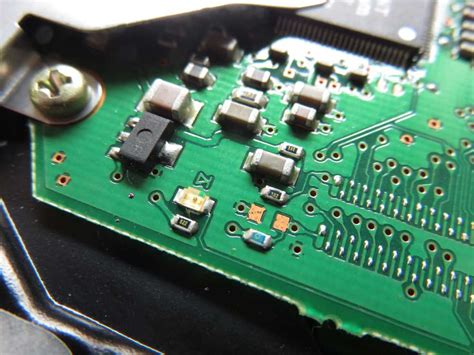
Preventive Strategies for Avoiding Tombstoning
To effectively mitigate the risk of tombstoning in pcb assembly, it is vital to implement a series of targeted preventive strategies. First and foremost, ensuring optimal solder paste application is essential. Using a stencil that accurately matches the pad designs and applies the right amount of solder paste can significantly reduce the occurrence of tombstoning. Additionally, selecting components with suitable lead lengths can help maintain stability during the soldering process.
Another critical aspect involves controlling the soldering profile. Careful monitoring of temperature spikes during the pcba reflow process can diminish thermal imbalances that promote tombstoning. Furthermore, implementing proper placement techniques using high-precision pick-and-place machinery can enhance component alignment and stability.
When considering component orientation, it is also beneficial to use symmetrical components whenever possible. This strategy allows for balanced forces acting upon components during soldering, further preventing any tendency to “stand up.” Lastly, conducting thorough testing and inspections post-assembly can catch any unintended defects early on, allowing for swift corrective measures to be taken.
In conclusion, by focusing on precise application methods, controlling environmental conditions during soldering, and incorporating best practices in component selection and placement techniques within your pcb assembly processes, manufacturers can significantly reduce incidences of tombstoning while ensuring enhanced reliability in their electronic designs.
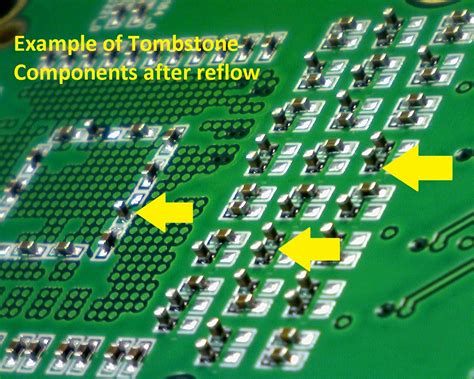
Best Practices for Soldering Techniques
To minimize the risks of tombstoning during PCB assembly, it is vital to adopt a variety of effective soldering techniques throughout the process. One key practice is ensuring that the solder paste application is uniform and accurate. Overly thick or uneven solder paste can lead to unpredictable wicking effects, causing components to lift during the reflow process. Additionally, using appropriate thermal profiles during reflow soldering is essential; this means controlling the temperature and time precisely to prevent excessive heat that might push a component off-center. It’s also beneficial to select components with symmetrical designs where possible, as this can help balance forces applied during soldering.
Furthermore, optimizing PCB design can significantly affect soldering quality; proper pad sizes and component placements that increase stability reduce the chances of tombstoning. A well-thought-out layout takes into account not only component size but also placement relative to other parts to ensure even heating. Regular inspection and utilization of advanced techniques, such as using stencil printers with built-in alignment capabilities, can enhance accuracy in applying solder paste. By combining these methods, manufacturers can achieve more reliable electronic designs while effectively mitigating risks associated with tombstoning in the PCBA process.
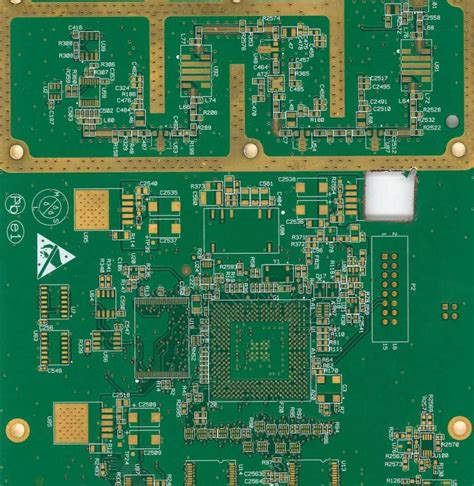
Case Studies: Tombstoning Incidents and Solutions
Tombstoning is a significant issue in PCB assembly that has been observed in various real-world scenarios, highlighting its potential impact on electronic device reliability. One notable case involved a consumer electronics manufacturer that experienced repeated failures in a product due to components standing upright during the soldering process. In this incident, the PCBA not only faced performance degradation but also led to an increase in production costs due to the required rework and waste of materials. To address the situation, the manufacturer implemented several strategies focusing on enhanced solder paste application techniques and improved thermal management during reflow soldering. By conducting thorough analyses of their pcb assembly process, they were able to identify specific conditions that led to tombstoning occurrences, such as improper component placement and insufficient heating uniformity. As a result of these efforts, they not only reduced the incidence of tombstoning but also improved overall production efficiency. This case underscores the importance of recognizing and addressing tombstoning early on in PCBA production to maintain high standards for electronic performance and reliability.
Future Trends in PCB Assembly and Tombstoning Mitigation
As technology advances, the field of PCB assembly is evolving, leading to new methods for reducing the occurrence of tombstoning—a significant challenge in ensuring high-quality assemblies. Emerging innovations in solder paste technology, such as the development of advanced flux formulations and improved application techniques, promise to enhance solderability and reduce the tendency of components to stand upright during the PCBA process. Additionally, the integration of automation and machine learning algorithms can provide real-time monitoring of solder conditions, allowing for immediate adjustments that can mitigate the impact of environmental factors such as humidity and temperature variations. Moreover, as manufacturers increasingly adopt design-for-manufacturability principles, future designs will likely prioritize component placement and alignment to minimize tombstoning risks. Testing methods are also becoming more sophisticated, employing optical inspection systems that leverage high-resolution imaging to detect potential tombstoning issues before assembly is finalized. By keeping abreast of these future trends, engineers can implement more effective solutions in their PCB assembly operations—ensuring robust assemblies that meet performance standards without compromising reliability.
Conclusion
In summary, understanding tombstoning in PCB assembly is crucial for ensuring the reliability of electronic devices. This phenomenon occurs when components become unevenly soldered, causing one side to lift off the board while the other remains attached, ultimately resulting in malfunction. The root causes of tombstoning often stem from improper solder paste application, thermal discrepancies during reflow, or component misalignment. Such defects can have significant repercussions on the performance and durability of a printed circuit board assembly (PCBA), often leading to increased failure rates or performance issues. To mitigate these risks, it is essential to implement effective preventive strategies, such as improving soldering techniques and adhering to best practices in design and assembly processes. By paying close attention to these factors, engineers can enhance the reliability of their designs and minimize the occurrence of tombstoning, paving the way for more robust and efficient electronic systems.
FAQs
Q: What is tombstoning in PCB assembly?
A: Tombstoning refers to a defect in PCB assembly where a component, typically a vertical-mounted part like a resistor or capacitor, stands upright instead of lying flat after the soldering process. This occurs during the reflow phase and can lead to poor electrical performance or total failure of PCBA.
Q: What are the main causes of tombstoning?
A: Tombstoning can be attributed to several factors including uneven heat distribution during soldering, variations in solder paste application, and component design. Additionally, the physical characteristics of the components themselves, such as size and weight distribution, can play a significant role.
Q: How does tombstoning affect my PCB performance?
A: When tombstoning occurs, it can impede proper electrical connections between components and the PCB. This may lead to intermittent or complete failure in circuits, causing reliability issues in end products.
Q: What strategies can I use to prevent tombstoning during assembly?
A: To prevent tombstoning in PCB assembly, consider using proper solder paste volume and stencil design. You may also implement optimized thermal profiles and ensure even heating across the board. Additionally, selecting appropriate components with even weight distribution can mitigate this issue.
Q: Are there any best practices for soldering techniques to avoid this issue?
A: Yes! Ensure your soldering processes are well-calibrated and closely monitored for consistency. Utilizing mixed technology boards where both through-hole and surface-mount devices coexist appropriately can also reduce risks.
For more in-depth information on PCB assembly, feel free to explore additional resources by visiting this link – please click here!