Universal circuits pcb manufacturing
Advances In Universal Circuits PCB Manufacturing Technology
The field of printed circuit board (PCB) manufacturing has witnessed significant advancements over the past few decades, driven by the relentless pursuit of efficiency, precision, and miniaturization. Universal circuits, which are designed to be adaptable to a wide range of applications, have particularly benefited from these technological strides. The evolution of universal circuits PCB manufacturing technology has been marked by several key developments that have collectively enhanced the performance, reliability, and versatility of these critical components.
One of the most notable advancements in universal circuits PCB manufacturing is the adoption of advanced materials.
Traditional PCBs were primarily made from materials like FR-4, a composite of woven fiberglass cloth with an epoxy resin binder. While FR-4 remains popular due to its excellent mechanical and electrical properties, the industry has increasingly turned to high-performance materials such as polyimide and Teflon. These materials offer superior thermal stability, flexibility, and dielectric properties, making them ideal for high-frequency and high-temperature applications. The use of these advanced materials has enabled the production of universal circuits that can operate reliably in more demanding environments.
In addition to material innovations, the manufacturing processes themselves have undergone significant improvements.
One such advancement is the implementation of laser direct imaging (LDI) technology. LDI allows for the precise and rapid transfer of circuit patterns onto the PCB substrate, eliminating the need for traditional photomasks. This technology not only enhances the accuracy of the circuit patterns but also reduces production time and costs. Furthermore, LDI is particularly beneficial for the production of high-density interconnect (HDI) PCBs, which are essential for modern electronic devices that require compact and complex circuitry.
Another critical development in universal circuits PCB manufacturing is the refinement of multilayer PCB fabrication techniques.
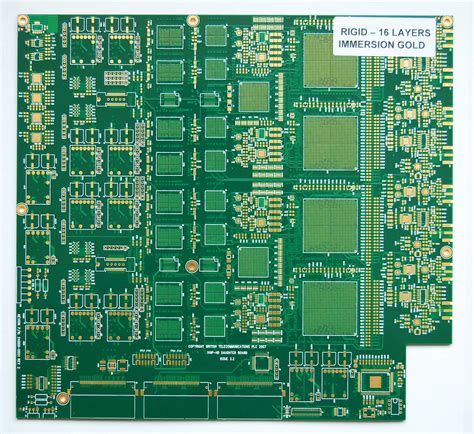
Multilayer PCBs, which consist of multiple layers of conductive material separated by insulating layers, have become indispensable in the design of sophisticated electronic systems. Advances in lamination processes, such as the use of high-pressure and high-temperature presses, have improved the reliability and performance of these multilayer structures. Additionally, innovations in via technology, including the use of microvias and buried vias, have enabled more efficient interlayer connections, further enhancing the functionality of universal circuits.
The integration of automated manufacturing systems has also played a pivotal role in advancing universal circuits PCB technology.
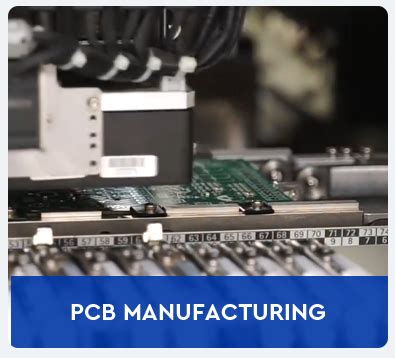
Automation has streamlined various stages of the production process, from material handling and component placement to soldering and inspection. The use of robotic systems and computer-aided manufacturing (CAM) software has not only increased production efficiency but also minimized the risk of human error. Moreover, automated optical inspection (AOI) and X-ray inspection systems have improved the detection of defects, ensuring higher quality and reliability of the final products.
Environmental considerations have also influenced the evolution of universal circuits PCB manufacturing.
The industry has made significant strides in adopting eco-friendly practices, such as the use of lead-free solder and the implementation of waste reduction and recycling programs. These efforts have not only reduced the environmental impact of PCB production but also ensured compliance with stringent regulatory standards.
In conclusion, the advancements in universal circuits PCB manufacturing technology have been driven by a combination of material innovations, process improvements, automation, and environmental considerations. These developments have collectively enhanced the performance, reliability, and versatility of universal circuits, enabling them to meet the increasingly complex demands of modern electronic applications. As technology continues to evolve, it is likely that further innovations will continue to shape the future of universal circuits PCB manufacturing, paving the way for even more sophisticated and efficient electronic systems.

Key Challenges In Universal Circuits PCB Production
The production of printed circuit boards (PCBs) for universal circuits presents a myriad of challenges that manufacturers must navigate to ensure high-quality, reliable products. One of the primary challenges is the complexity of design. Universal circuits often require intricate layouts to accommodate a wide range of functionalities and applications. This complexity necessitates advanced design software and highly skilled engineers who can meticulously plan and execute the PCB layout. Any errors in the design phase can lead to significant issues in the manufacturing process, potentially resulting in costly rework or even complete redesigns.
Another significant challenge is the selection of materials.
The materials used in PCB manufacturing must meet stringent requirements for conductivity, durability, and thermal stability. For universal circuits, which may be used in diverse environments and applications, the choice of materials becomes even more critical. Manufacturers must balance cost considerations with the need for high-performance materials that can withstand various stresses and conditions. This often involves extensive testing and validation to ensure that the selected materials will perform reliably over the intended lifespan of the product.
The manufacturing process itself also presents numerous challenges.
Precision is paramount in PCB production, as even minor deviations can lead to functional failures. This requires state-of-the-art equipment and rigorous quality control measures at every stage of production. For instance, the etching process, which removes unwanted copper from the PCB, must be carefully controlled to ensure that the remaining copper traces are of the correct width and spacing. Similarly, the soldering process, which attaches components to the PCB, must be executed with precision to avoid issues such as cold solder joints or solder bridges.
In addition to these technical challenges, manufacturers must also contend with regulatory and compliance issues.
PCBs for universal circuits must often meet various industry standards and certifications, which can vary depending on the intended application and geographic market. Ensuring compliance with these standards requires thorough documentation, regular audits, and ongoing monitoring to keep up with any changes in regulations. Failure to comply with these standards can result in significant legal and financial repercussions, as well as damage to the manufacturer’s reputation.
Supply chain management is another critical challenge in PCB manufacturing.
The production of PCBs involves numerous components and materials, many of which are sourced from different suppliers around the world. Managing this complex supply chain requires careful coordination and planning to avoid delays and ensure that all necessary materials are available when needed. This has become even more challenging in recent years due to global supply chain disruptions caused by events such as the COVID-19 pandemic and geopolitical tensions. Manufacturers must develop robust supply chain strategies to mitigate these risks and maintain production schedules.
Finally, the rapid pace of technological advancement presents an ongoing challenge for PCB manufacturers.
As new technologies and applications emerge, manufacturers must continually adapt their processes and capabilities to stay competitive. This requires ongoing investment in research and development, as well as continuous training for engineers and technicians to keep up with the latest advancements. Staying ahead of the curve is essential for manufacturers to meet the evolving needs of their customers and maintain a competitive edge in the market.
In conclusion, the production of PCBs for universal circuits involves navigating a complex landscape of design intricacies, material selection, precision manufacturing, regulatory compliance, supply chain management, and technological advancements. Each of these challenges requires careful consideration and strategic planning to ensure the successful production of high-quality, reliable PCBs that meet the diverse needs of various applications.

Environmental Impact Of Universal Circuits PCB Manufacturing
The environmental impact of Universal Circuits PCB manufacturing is a multifaceted issue that encompasses various stages of production, from raw material extraction to waste management. Printed Circuit Boards (PCBs) are integral components in modern electronics, and their manufacturing process involves several steps that can have significant environmental repercussions. Understanding these impacts is crucial for developing more sustainable practices within the industry.
To begin with, the extraction and processing of raw materials for PCBs, such as copper, fiberglass, and various chemicals, contribute to environmental degradation.
Mining activities for copper, for instance, can lead to deforestation, soil erosion, and contamination of water sources with heavy metals. Additionally, the energy-intensive nature of these processes often results in substantial greenhouse gas emissions, further exacerbating climate change.
Moving on to the manufacturing phase, the production of PCBs involves several chemical processes, including etching, plating, and soldering.
These processes require the use of hazardous chemicals such as sulfuric acid, ammonium persulfate, and lead-based solders. The improper handling and disposal of these chemicals can lead to soil and water pollution, posing risks to both human health and ecosystems. Moreover, the energy consumption during manufacturing is another critical factor, as it predominantly relies on non-renewable energy sources, thereby contributing to the carbon footprint of the industry.
Furthermore, the issue of electronic waste (e-waste) is closely linked to PCB manufacturing.
As electronic devices become obsolete at an increasing rate, the disposal of PCBs becomes a significant environmental concern. E-waste often ends up in landfills or is incinerated, leading to the release of toxic substances such as lead, mercury, and cadmium into the environment. These substances can leach into the soil and groundwater, causing long-term ecological damage and posing health risks to nearby communities.
In light of these challenges, it is imperative for the PCB manufacturing industry to adopt more sustainable practices.
One approach is to improve the efficiency of material usage and reduce waste generation during the manufacturing process. This can be achieved through the implementation of advanced technologies such as additive manufacturing, which allows for precise material deposition and minimizes waste. Additionally, the development and use of environmentally friendly materials, such as lead-free solders and biodegradable substrates, can significantly reduce the environmental impact of PCBs.
Another crucial aspect is the management of chemical waste. Implementing stringent waste treatment protocols and investing in advanced filtration and recycling systems can mitigate the release of hazardous substances into the environment. Moreover, adopting a circular economy approach, where materials are reused and recycled, can help in reducing the overall environmental footprint of PCB manufacturing.
Lastly, the role of regulatory frameworks and industry standards cannot be overstated.
Governments and international bodies need to enforce stringent environmental regulations and promote best practices within the industry. Certifications such as ISO 14001, which focuses on environmental management systems, can serve as benchmarks for companies striving to minimize their environmental impact.
In conclusion, while the environmental impact of Universal Circuits PCB manufacturing is significant, there are numerous strategies and technologies available to mitigate these effects. By adopting sustainable practices, improving waste management, and adhering to stringent regulations, the industry can move towards a more environmentally responsible future. The collective effort of manufacturers, regulators, and consumers is essential in driving this transformation and ensuring the long-term sustainability of PCB manufacturing.
Future Trends In Universal Circuits PCB Industry
The future of the universal circuits PCB (Printed Circuit Board) industry is poised for significant transformation, driven by advancements in technology, evolving market demands, and the continuous quest for efficiency and sustainability. As we look ahead, several key trends are expected to shape the landscape of PCB manufacturing, each contributing to the evolution of this critical sector.
One of the most prominent trends is the increasing integration of advanced materials in PCB manufacturing.
Traditional materials like FR4 are gradually being supplemented or replaced by high-performance alternatives such as polyimide, ceramic, and metal-core PCBs. These materials offer superior thermal management, flexibility, and durability, which are essential for meeting the stringent requirements of modern electronic devices. Consequently, manufacturers are investing in research and development to explore new material compositions that can enhance the performance and reliability of PCBs.
In tandem with material advancements, the miniaturization of electronic components continues to drive innovation in PCB design and manufacturing.
As devices become smaller and more powerful, the demand for compact, high-density interconnect (HDI) PCBs is on the rise. These PCBs feature finer lines and spaces, smaller vias, and higher layer counts, enabling the integration of more functionality into a smaller footprint. This trend necessitates the adoption of advanced fabrication techniques such as laser drilling, sequential lamination, and microvia technology, which are becoming increasingly prevalent in the industry.
Moreover, the advent of the Internet of Things (IoT) and the proliferation of connected devices are significantly influencing the PCB industry.
IoT devices require PCBs that are not only compact but also capable of supporting wireless communication and low power consumption. This has led to the development of specialized PCBs with embedded antennas, flexible circuits, and energy-efficient designs. As IoT continues to expand across various sectors, from healthcare to industrial automation, the demand for such innovative PCBs is expected to grow exponentially.
Another critical trend shaping the future of PCB manufacturing is the push towards sustainability and environmental responsibility.
The industry is under increasing pressure to reduce its ecological footprint by minimizing waste, reducing the use of hazardous substances, and improving energy efficiency. In response, manufacturers are adopting green manufacturing practices, such as using lead-free solder, recycling materials, and implementing energy-efficient production processes. Additionally, there is a growing interest in developing biodegradable PCBs and exploring alternative, eco-friendly materials that can replace traditional substrates.
The rise of Industry 4.0 and smart manufacturing is also revolutionizing the PCB industry.
The integration of automation, artificial intelligence (AI), and data analytics into the manufacturing process is enhancing precision, reducing errors, and optimizing production efficiency. For instance, AI-driven design tools can predict potential issues in PCB layouts, while automated inspection systems can detect defects with high accuracy. Furthermore, the use of digital twins and real-time monitoring enables manufacturers to simulate and optimize production processes, leading to improved yield and reduced downtime.
Lastly, the global supply chain dynamics are influencing the PCB industry, with a growing emphasis on localization and resilience.
The COVID-19 pandemic highlighted the vulnerabilities of relying on a global supply chain, prompting manufacturers to diversify their sourcing strategies and invest in local production capabilities. This shift is expected to enhance supply chain stability and reduce lead times, ultimately benefiting the end customers.
In conclusion, the future of the universal circuits PCB industry is characterized by rapid technological advancements, a focus on sustainability, and the adoption of smart manufacturing practices. As these trends continue to evolve, they will undoubtedly drive innovation and efficiency, ensuring that the PCB industry remains at the forefront of the ever-changing electronics landscape.