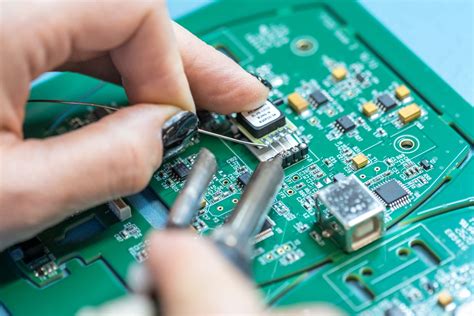
Unleashing Innovation: Advanced Circuits for Flex PCBs
Key Takeaways
As you explore the world of flex PCB technology, remember that the integration of advanced circuits is pivotal to unlocking the full potential of these components. In understanding the landscape, it’s important to consider how pcb manufacturing processes have evolved, offering you innovative solutions that are more efficient and cost-effective. The collaboration between leading pcb manufacturing companies provides a competitive edge by creating unique designs that not only push the boundaries of flexibility but also improve electronic performance across various applications. This shift signifies not just advancements in manufacturing techniques but also strategic decisions in business operations. When assessing pcb manufacturing costs, remember that investing in advanced circuit technology can lead to significant long-term savings through enhanced reliability and durability. Embracing this innovation in your projects will ensure that your business stays at the forefront of flexibility and performance in flexible PCBs.
Unleashing the Potential of Advanced Circuits in Flex PCBs
As you delve into the world of advanced circuits for flexible PCBs, it’s essential to understand how this technology is reshaping the landscape of electronic manufacturing. The integration of advanced circuits dramatically enhances the performance and adaptability of flexible printed circuit boards. This revolution has emerged from a combination of innovative designs and superior pcb manufacturing techniques, allowing your pcb manufacturing business to produce ultra-thin, lightweight, and highly flexible solutions. By investing in state-of-the-art machinery and adopting new materials, you can significantly reduce pcb manufacturing costs while achieving superior outcomes. It’s imperative to collaborate with reputable pcb manufacturing companies that employ the latest methodologies and materials. These collaborations not only foster innovation but also ensure that your products are resilient and meet industry demands.
“In today’s fast-paced market, embracing advanced circuit designs is not just an option; it’s a necessity for staying competitive.”
As you explore this evolving field, remember that choosing the right partners and techniques will be key to unlocking the full potential of flexible PCBs in your applications. Focus on enhancing your design strategies while understanding the intricate relationship between performance and cost-effectiveness, paving the way for next-generation solutions that can cater to various industrial needs.
Innovation in Flexible PCB Design: A New Era
The realm of flexible Printed Circuit Boards (PCBs) is undergoing a dramatic transformation, driven by the incorporation of advanced circuits. As someone involved in the pcb manufacturing business, you should be aware of how these innovations are enhancing design capabilities, expanding functionality, and optimizing efficiency. By leveraging cutting-edge designs, you can minimize space while maximizing performance—integrating advanced circuits that support a variety of complex applications. This paradigm shift not only requires an understanding of the associated pcb manufacturing cost, but also insight into selecting the right pcb manufacturing companies that can handle the intricacies involved in producing these advanced designs.
In this new era of flexible PCB design, your projects can benefit from enhanced reliability and durability without compromising on performance. The advancements in materials and processes mean that you can expect a considerable reduction in size while enabling increased thermal management and electrical performance. As you navigate this landscape, consider how these advanced circuits can play a role in your products across various industries—from consumer electronics to automotive applications. Therefore, recognizing these opportunities can greatly influence your strategic decisions within the pcb manufacturing sector, leading you to innovative solutions that not only meet present demands but also pave the way for future advancements. For more information on effective PCB manufacturing strategies and technologies, visit Andwin.
Manufacturing Techniques Revolutionizing Flex PCB Production
The realm of flexible PCB production has undergone a seismic shift, thanks to innovative manufacturing techniques that are enhancing efficiency and lowering costs. You might find that traditional methods are gradually giving way to cutting-edge technologies, such as additive manufacturing and advanced layer press techniques. These new approaches allow for more complex designs with tighter tolerances, directly impacting the performance of flex PCBs.
For instance, laser drilling and via filling have streamlined the creation of vias, which are critical in ensuring electrical connectivity across layers. This not only reduces the overall PCB manufacturing cost but also maximizes reliability in demanding applications where performance is crucial. Moreover, as you explore various PCB manufacturing companies, you’ll notice a growing emphasis on automation and smart manufacturing processes. This evolution helps firms scale their production capabilities while maintaining high quality.
Here’s a table that encapsulates these transformative techniques:
| Manufacturing Technique | Description | Benefits |
|---|---|---|
| Additive Manufacturing | Builds up layers of material to create flexible circuits | Reduced waste and design flexibility |
| Laser Drilling | Creates precise vias using lasers | High accuracy and miniaturization |
| Via Filling | Fills vias with conductive material for reliability | Improved conductivity |
| Smart Automation | Integrates AI to optimize production processes | Enhanced efficiency |
As you consider these advancements, it’s clear that the landscape of flex PCB production is being redefined, allowing for more innovative designs tailored to meet the specific needs of various industries. The combination of quality control measures and modern technology positions your business to leverage these advancements in the growing field of flexible electronics.
In this age of transformation, understanding how these manufacturing techniques can benefit your specific applications is key. Whether you’re involved in the conceptual phase or actively managing relationships with PCB manufacturing companies, being informed about these revolutionary practices empowers you to make strategic decisions that align with your business goals in this ever-evolving market.
Performance Enhancements Through Advanced Circuit Technology
The integration of advanced circuits in flexible PCBs offers remarkable benefits that significantly enhance both performance and reliability. By leveraging cutting-edge pcb manufacturing techniques, you can achieve higher efficiency and functionality within a compact design. The innovation in circuit layouts allows for more effective signal integrity and reduced power consumption, which is pivotal in today’s high-demand electronic environments. As you explore various pcb manufacturing companies, it becomes imperative to consider how these advancements translate directly into cost savings and improved product performance. The evolution of flexible printed circuit boards is paving the way for a new standard, where technology not only meets but exceeds the expectations of the industry. This improvement is not merely transactional; it fosters long-term benefits for your pcb manufacturing business, ensuring you remain competitive while also addressing the growing need for reliable electronic solutions in diverse applications, from consumer electronics to medical devices. With these enhancements, your projects can benefit from better functionality and increased durability, making your investment in advanced circuits a wise choice as you navigate the landscape of modern PCB solutions.
Reliability and Durability in Flexible PCB Applications
When it comes to flexible PCBs, reliability and durability are paramount, especially across the diverse sectors they serve. You’ll find that many pcb manufacturing companies are increasingly focusing on enhancing these attributes through advanced materials and innovative techniques. For instance, the use of high-performance substrates can significantly improve the lifetime and stability of these circuits, making them ideal for applications in harsh environments, such as automotive and aerospace. Moreover, pcb manufacturing cost considerations often lead manufacturers to explore smarter designs that not only reduce waste but also enhance the performance parameters of their products. Investing in quality manufacturing processes can help ensure that your flexible PCBs withstand environmental stressors while maintaining their functionality over time. This commitment to quality also elevates the reputation of your pcb manufacturing business, positioning it as a leader in the market by delivering solutions that maximize both performance and longevity for clients across various industries.
Future Trends: The Next Generation of Flex PCBs
As the demand for more intricate electronic devices grows, flex PCBs are becoming increasingly relevant. The future of flexible PCBs lies in the integration of advanced circuits, which are not only paving the way for improved functionality but also promoting greater efficiency in the pcb manufacturing process. Innovations in design and material science are expected to enhance flexibility, enabling you to create more compact and lightweight devices that still maintain high reliability and performance standards.
Moreover, leading pcb manufacturing companies are investing heavily in research and development to lower the pcb manufacturing cost. This trend is instrumental for businesses looking to remain competitive in a rapidly evolving market. As technologies advance, you can anticipate a shift towards faster prototyping processes, which will significantly impact your ability to bring new products to market efficiently.
In addition, the future will see an increase in the adoption of smart technologies within flex PCBs, which will allow for more integrated functionalities. This will be particularly beneficial in diverse industries such as telecommunications, automotive, and healthcare. By leveraging these innovations, you can enhance the reliability and durability of your products while addressing unique application requirements. Overall, embracing advanced circuits represents not just a progression in technology but also an opportunity for your pcb manufacturing business to differentiate itself in a competitive landscape.
Integrating Advanced Circuits Across Various Industries
The integration of advanced circuits into flexible PCBs is revolutionizing multiple sectors, enhancing both functionality and efficiency. In the automotive industry, for instance, flexible PCBs equipped with advanced circuits contribute to lighter vehicle designs and improved fuel efficiency. In consumer electronics, they enable the development of slimmer, more versatile devices that can adapt to user preferences while maintaining performance. Furthermore, the medical field benefits significantly from this technology, as flexible PCBs can be designed to fit perfectly into wearable health monitoring devices. When considering pcb manufacturing, you must acknowledge that the quality and innovation offered by pcb manufacturing companies can greatly impact the performance of these advanced circuits in practical applications. The pcb manufacturing cost associated with these advancements is justified by the increased reliability and longevity of products, leading to a more efficient pcb manufacturing business model overall. As you delve deeper into this technology, it becomes evident that the future lies in creating adaptive solutions tailored to specific industry needs, allowing for greater integration and efficiency across diverse applications.
Challenges and Solutions in Flex PCB Development
The development of flexible PCBs poses several challenges that require innovative solutions. One of the primary difficulties you may encounter is the pcb manufacturing cost associated with producing high-quality flex circuits. The intricate designs and materials used for these advanced circuits often lead to higher expenses compared to traditional rigid PCBs. To mitigate these costs, it’s essential to engage with reputable pcb manufacturing companies that specialize in flex technologies, as they can provide the necessary expertise and resources to ensure efficiency in production.
Another significant challenge is achieving reliability during the manufacturing process. The nature of flexible materials requires precision in production techniques, as any minor error can affect the overall functionality of your circuit. Adopting cutting-edge manufacturing techniques, such as laser etching or advanced soldering methods, can enhance both quality and reliability, minimizing defects.
Moreover, as the demand for flexible PCBs continues to expand across various industries—from consumer electronics to automotive applications—your ability to stay ahead in the pcb manufacturing business hinges on continuous innovation. This means not only refining your production processes but also investing in research and development to explore new materials and designs.
Ultimately, addressing these challenges through strategic partnerships and investment in technology will not only reduce pcb manufacturing costs but also position you as a leader in a competitive industry. Embracing cutting-edge solutions will help you navigate the complexities of flex PCB development while capitalizing on emerging opportunities.
Conclusion
In summary, embracing advanced circuits in flexible PCBs can significantly impact various industries and applications. The evolution of pcb manufacturing practices has opened doors to unprecedented levels of innovation, creating a landscape where pcb manufacturing companies are evolving to meet the growing demand for flexibility and performance. As you explore your own ventures in the pcb manufacturing business, it is crucial to understand how the integration of advanced circuits alters the traditional approaches, subsequently influencing the overall pcb manufacturing cost. By harnessing the benefits of innovative designs and cutting-edge production techniques, you can not only enhance reliability and durability within your products but also position yourself at the forefront of market trends. As the landscape continues to expand, staying informed about these advancements will empower you to make informed decisions that leverage potential growth in your endeavors. The future of flex PCBs is bright, and being knowledgeable about these developments is essential for thriving in a competitive environment.
FAQs
What are advanced circuits in flexible PCBs?
Advanced circuits refer to the innovative designs and technologies integrated into flexible printed circuit boards (PCBs), enhancing their functionality, flexibility, and performance.
How do advanced circuits improve PCB performance?
By incorporating advanced circuit technologies, flexible PCBs can achieve better signal integrity, reduced electromagnetic interference, and increased durability, making them suitable for demanding applications.
What is the role of PCB manufacturing in flexibility?
The pcb manufacturing process is crucial for creating high-quality flexible PCBs. Manufacturers must employ specialized techniques to ensure that the pcb manufacturing cost remains competitive while delivering superior products.
Which companies specialize in PCB manufacturing?
Numerous pcb manufacturing companies offer services tailored to flexible PCBs. These companies leverage cutting-edge technology and expertise to produce reliable and innovative circuitry solutions.
What factors influence the cost of PCB manufacturing?
The pcb manufacturing cost can be affected by several factors including materials used, complexity of designs, production volume, and turnaround time. Understanding these elements can help you optimize your budget for your pcb manufacturing business.
For more information on enhancing your projects with advanced circuits and flexible PCB solutions, please click here: Visit AndwinPCB.