Unlocking Efficiency: The Future of Contract Electronic Assembly
Key Takeaways
The realm of contract electronic assembly (CEA) has undergone remarkable transformations, significantly influencing manufacturing efficiency. One of the biggest drivers of this evolution is printed circuit board assembly (PCB assembly), known as PCBA, which plays a crucial role in the production process. The integration of advanced technologies, such as automation and artificial intelligence, allows companies to enhance precision and reduce operational costs. Moreover, real-time data analytics enables manufacturers to monitor their processes closely, providing insights that lead to better decision-making. Partnerships between CEA firms and technology providers foster an environment of innovation, where collaborative efforts streamline processes and drive productivity improvements. As companies continue to adapt to shifting market demands and technological advancements, the emphasis on efficient supply chain management becomes vital in optimizing outcomes in PCB assembly and enhancing overall performance in contract electronic assembly. This synergy not only accelerates product delivery but also improves the quality standards essential for competing in today’s dynamic landscape.
The Evolution of Contract Electronic Assembly: A Historical Perspective
The concept of contract electronic assembly has undergone significant transformations since its inception. Initially, electronic manufacturing was characterized by in-house production, where companies managed all aspects of design and manufacturing. However, as market demands grew and technology evolved, many firms began to recognize the benefits of outsourcing certain processes. This shift led to the rise of specialized companies offering pcb assembly services, allowing businesses to focus on their core competencies while leveraging the expertise of third-party manufacturers.
Over the years, the landscape of contract electronic assembly has been shaped by key innovations. The introduction of advanced pcba technologies has facilitated higher precision and reduced error rates in the assembly process. Companies now utilize automated systems and robotics which not only expedite production but also enhance quality control measures. As a result, contract manufacturers can provide faster turnaround times while maintaining stringent quality standards that meet global industry benchmarks.
Furthermore, historical challenges have driven evolution within the sector. Early on, companies frequently encountered issues related to communication and coordination with contract manufacturers. As a response, many firms adopted collaborative platforms aimed at enhancing workflow transparency and fostering stronger partnerships throughout the supply chain. These measures have not only improved productivity but also empowered manufacturers to respond more effectively to changing market conditions.
“The right partnership can unlock new levels of efficiency in production.”
In conclusion, understanding this historical perspective allows stakeholders to appreciate how far contract electronic assembly has come and prepares them for future advancements in efficiency and collaboration within this dynamic field.
Key Technologies Revolutionizing Contract Electronic Assembly
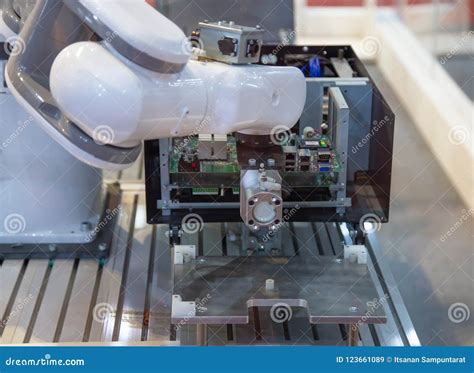
The landscape of contract electronic assembly has undergone significant transformation with the advent of groundbreaking technologies that drive productivity and efficiency. At the forefront of these advancements is the use of automation in pcb assembly, which streamlines processes and reduces the likelihood of human error. Automated machines can perform repetitive tasks with precision, resulting in quicker assembly lines and increased throughput. This shift not only enhances operational efficiency but also allows technicians to focus on more complex duties that require critical thinking and problem-solving skills.
Another key technology reshaping contract electronic assembly is the integration of advanced manufacturing software, which facilitates real-time monitoring of production metrics. This allows for immediate adjustments that can optimize the entire pcba process. Furthermore, the adoption of Internet of Things (IoT) devices creates a connected ecosystem where equipment shares data, leading to predictive maintenance and minimizing downtime.
| Technology | Benefits |
|---|---|
| Automation | Increased speed and accuracy in tasks |
| Advanced Manufacturing Software | Real-time monitoring and adjustments |
| IoT Integration | Predictive maintenance and reduced downtime |
Moreover, embracing modular design in product development is another revolutionary approach within contract electronic assembly. It allows for greater flexibility in design iterations, which can significantly shorten lead times from concept to production.
In conclusion, the ongoing technological advancements in contract electronic assembly are not merely enhancing operational processes but are setting new standards for what is possible within the realm of manufacturing efficiency. As these technologies continue to evolve, they promise a future where collaboration across industries flourishes, driving overall growth and innovation.
Enhancing Collaboration: How Partnerships Drive Success in Contract Electronic Assembly
In the ever-evolving landscape of contract electronic assembly (often referred to as PCBA), collaboration among industry partners plays a crucial role in driving success. When companies engage in strategic partnerships, they can leverage diverse expertise and resources to enhance the efficiency of pcb assembly processes. This synergy enables organizations to share innovative ideas, streamline operations, and ultimately deliver superior products to the market. For instance, collaboration between design engineers and assembly manufacturers fosters a deeper understanding of technical requirements, leading to fewer errors and faster time-to-market. Furthermore, partnerships across different sectors enhance knowledge transfer, allowing companies to adopt cutting-edge practices and technologies that significantly boost productivity. By working together, firms can tackle challenges such as component sourcing difficulties or production setbacks more effectively. Enhanced communication channels and aligned goals also facilitate seamless integration of new technologies into existing workflows, ensuring that every step—from prototype development through mass production—reflects a commitment to quality and efficiency in pcm assembly. Consequently, strong partnerships not only strengthen individual companies but also contribute to the overall advancement of the contract electronic assembly industry as a whole.
Innovative Strategies for Maximizing Productivity in Manufacturing
In the ever-evolving landscape of manufacturing, innovative strategies play a pivotal role in enhancing productivity, particularly within the realm of contract electronic assembly. One of the foremost approaches is adopting advanced pcb assembly techniques that leverage cutting-edge technology to streamline processes. By integrating automation in assembly lines, manufacturers not only increase efficiency but also reduce error rates associated with manual processes. Additionally, the emphasis on collaboration—whether through strategic partnerships or cross-industry alliances—can dramatically improve resource sharing and knowledge transfer, further boosting productivity. In this context, combining pcba prototyping with agile manufacturing practices allows companies to respond swiftly to market demands while maintaining high standards of quality. Furthermore, implementing data-driven methodologies empowers manufacturers to analyze performance metrics effectively; thereby facilitating continuous improvement and fostering an environment where innovation thrives. Ultimately, embracing these strategies can significantly influence the overall success of manufacturing operations by driving operational excellence and enhancing competitiveness in a dynamic market.
The Role of Automation in Streamlining Electronic Assembly Processes
In the rapidly evolving landscape of contract electronic assembly, automation has emerged as a transformative force that significantly enhances efficiency and precision in PCB assembly processes. By integrating advanced technologies such as robotics, artificial intelligence, and machine learning, manufacturers are able to achieve higher throughput while minimizing the margin for human error. The automation of tasks—ranging from pick-and-place operations to soldering and inspection—allows for a streamlined workflow that results in faster turnaround times. Moreover, as companies adopt smart machines, data analytics becomes integral in monitoring performance metrics and identifying bottlenecks. This level of insight not only aids in enhancing the quality of PCBA but also drives continuous improvement initiatives across the electronic assembly sector. As organizations invest in automation technologies, they foster an environment conducive to innovation, enabling them to stay competitive and responsive to market demands while delivering superior products to clients. In essence, embracing automation is no longer just an option but a vital strategy for any partner in the contract electronic assembly industry aiming to thrive in this dynamic market.
Industry Case Studies: Success Stories from Contract Electronic Assembly
The landscape of contract electronic assembly has been profoundly transformed by numerous industry case studies showcasing how effective collaborations and innovative practices drive success in the sector. One notable example is a leading technology company that utilized pcb assembly solutions to enhance their production efficiency. By partnering with a specialized pcba provider, they were able to streamline their manufacturing processes and significantly reduce lead times. This collaboration not only improved the quality of the final products but also resulted in a remarkable cost reduction. Another success story involves a healthcare device manufacturer that embraced contract electronic assembly as a strategy to scale its operations. By leveraging automated systems and advanced materials, they developed a new line of products that met stringent regulatory requirements while simultaneously adhering to competitive market demands. These case studies underscore the critical role that contract electronic assembly plays in diverse industries, highlighting how effective partnerships and cutting-edge technologies can lead to enhanced productivity and innovation. As companies increasingly realize the benefits of outsourcing their electronic assembly needs, the future promises even more transformational successes in this dynamic field.
Future Trends: What’s Next for Contract Electronic Assembly?
As the landscape of contract electronic assembly (CEA) continues to evolve, several key trends are emerging that promise to reshape the industry in remarkable ways. One of the most significant developments is the increasing integration of advanced pcb assembly technologies, such as automated processes and sophisticated tools designed to enhance efficiency and precision. The adoption of Industry 4.0 principles is also making strides, with real-time data analytics becoming crucial for optimizing production lines and minimizing errors in pcba operations. Additionally, sustainability is gaining traction as both consumers and manufacturers prioritize eco-friendly practices. This shift is driving innovation in material selections and waste reduction strategies within electronic assembly processes. Collaborative partnerships are expected to flourish, as companies leverage shared expertise to tackle complex challenges while maximizing resource utilization. In this rapidly changing environment, staying ahead requires an agile approach that embraces adaptability along with a commitment to continuous improvement in productivity and quality within the contract electronic assembly sector.
Challenges and Solutions in the Contract Electronic Assembly Landscape
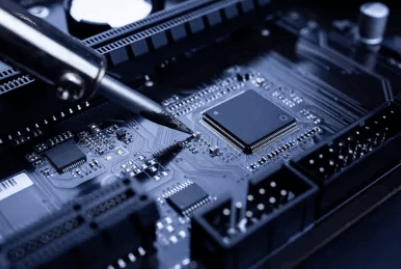
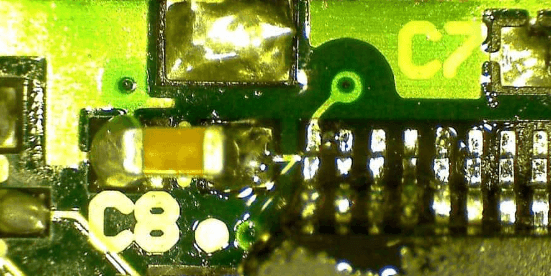
The landscape of contract electronic assembly (CEA), particularly in the domains of PCB assembly and PCBA, is not without its challenges. As industries evolve and consumer demands shift towards more complex electronic products, contract manufacturers face increasing pressure to deliver high-quality assemblies while maintaining cost efficiency. One of the primary challenges is ensuring quality control amid rising production speeds. Without stringent quality measures, even minor defects can lead to significant costs. To navigate this, incorporating advanced inspection technologies, such as automated optical inspection (AOI) systems, has proven effective in detecting flaws early in the assembly process.
Moreover, supply chain disruptions can pose a considerable threat to timely production. With globalization affecting parts procurement and logistics, contract manufacturers are compelled to develop flexible sourcing strategies. This includes building relationships with multiple suppliers to mitigate risks associated with single-source dependencies. Additionally, implementing robust inventory management systems not only enhances responsiveness but also optimizes stock levels of critical components.
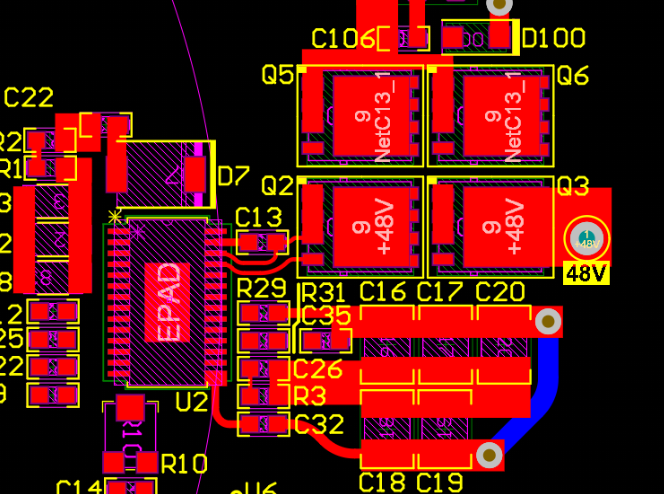
Furthermore, as the demand for rapid prototyping and quick turnaround times grows, manufacturers are turning towards digital solutions. Embracing software solutions for design collaboration enables teams to iterate more rapidly on prototypes and streamline communication across various departments, setting a foundation for successful teamwork.
By addressing these multifaceted obstacles with innovative solutions and technology integration within the contract electronic assembly framework, manufacturers can enhance productivity while meeting evolving market needs effectively. Thus, adapting to these challenges is crucial for sustainable growth in the highly competitive electronics sector.
Conclusion
The landscape of contract electronic assembly (CEA) is continuously evolving, presenting both opportunities and challenges for manufacturers across various sectors. As companies increasingly rely on pcb assembly and pcba services, the focus shifts towards leveraging advanced technologies to enhance productivity and streamline operations. With the implementation of automation and innovative strategies, organizations can not only reduce production times but also improve product quality. Collaboration among industry partners plays a vital role in this transformation, fostering a creative environment that drives efficiency and shared success. Moreover, keeping an eye on emerging trends and customer demands allows manufacturers to remain competitive in a rapidly changing market. As we move forward, the future of contract electronic assembly promises to be defined by enhanced technologies, dynamic partnerships, and an unwavering commitment to excellence in manufacturing processes.
FAQs
What is contract electronic assembly?
Contract electronic assembly, often referred to as pcba, is a service provided by specialized companies that manage the manufacturing of electronic components for businesses. This involves the design, fabrication, and assembly of printed circuit boards (PCBs) tailored to specific project needs.
How does automation enhance pcb assembly efficiency?
Automation plays a pivotal role in optimizing pcb assembly processes. By integrating automated systems, manufacturers can significantly reduce errors, improve speed, and lower production costs. This efficiency leads to higher productivity levels while maintaining quality standards.
What challenges are associated with contract electronic assembly?
Some challenges in the landscape of contract electronic assembly include maintaining quality control, managing supply chain disruptions, and adapting to the rapidly changing technology landscape. However, companies are developing innovative strategies to tackle these issues effectively.
What trends can we expect in the future of pcba?
The future of pcba looks promising with advancements in smart manufacturing, increased automation, and greener production methods. Emerging technologies like Artificial Intelligence and IoT are expected to transform the industry further.
For more detailed insights on pcb assembly, please click here: https://www.andwinpcb.com/pcb-assembly/