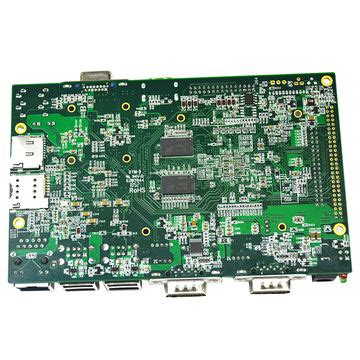
Unlocking Efficiency: The Future of Contract Manufacturing in PCB Assembly
Key Takeaways
The landscape of contract manufacturing in PCB assembly (PCBA) is rapidly evolving, driven by the need for increased efficiency and reduced costs. Understanding this dynamic is crucial for businesses in the electronics industry aiming to optimize their production processes. With the advent of innovative techniques, such as automated assembly lines and advanced quality control measures, companies are discovering new ways to enhance PCB assembly efficiency. These technological advancements not only streamline operations but also minimize errors, ensuring that PCBA meets stringent quality standards. Furthermore, adopting comprehensive cost reduction strategies is essential for maintaining competitiveness in a crowded market. By integrating smart supply chain management and effective resource allocation, businesses can take significant steps toward lowering their overall production costs. Ultimately, recognizing the transformative impact of these innovations will empower electronic companies to adapt and thrive amid changing industry demands, positioning them favorably for future growth.
Understanding Contract Manufacturing: An Overview of PCB Assembly
Contract manufacturing in PCB assembly has become a pivotal service in the electronics industry, allowing businesses to leverage specialized expertise while focusing on their core competencies. The process typically involves outsourcing the production of printed circuit boards (PCBs) to a third-party manufacturer, known as a contract manufacturer. This enables companies to benefit from advanced techniques and established methodologies for creating PCBs efficiently.
In this context, PCBA—which stands for Printed Circuit Board Assembly—plays a crucial role, as it entails not only the assembly of the boards but also ensuring quality control and adherence to industry standards. Companies often seek these partnerships to mitigate risks related to supply chain disruptions and rapidly changing market demands.
Key Benefits of Contract Manufacturing in PCB Assembly:
| Benefit | Description |
|---|---|
| Cost Efficiency | By outsourcing PCB assembly, businesses can reduce operational costs significantly. |
| Access to Advanced Technology | Contract manufacturers often utilize cutting-edge technology, enhancing overall quality. |
| Flexibility | Businesses can adjust production volumes according to demand without incurring high costs. |
“Utilizing contract manufacturing for your PCB needs can streamline processes and ultimately lead to better product outcomes,” says industry expert Jamie Lang.
In summary, understanding these dynamics fosters a collaborative relationship between businesses and contract manufacturers, paving the way for innovation and efficiency across the electronic sector. As technology evolves, so too does the landscape of PCBA, making it essential for companies to stay informed on best practices within this critical area of production.
Innovative Techniques Transforming PCB Assembly
In the realm of contract manufacturing, the PCB assembly (PCBA) process is undergoing significant transformation driven by innovative techniques. One of the most notable advancements is the integration of automated processes, which not only enhance precision but also speed up production times. This automation diminishes human error, resulting in higher quality PCBA outputs. Moreover, the adoption of surface mount technology (SMT) allows for a denser arrangement of components on circuit boards, further improving performance while reducing space and material requirements. Techniques like advanced testing methods are also becoming prevalent, which enable manufacturers to identify defects earlier in the production cycle. By employing software-driven solutions for monitoring and quality checks, companies can optimize their workflow, leading to improved operational efficiency. As these innovative techniques continue to evolve and gain traction within contract manufacturing, businesses are better positioned to meet market demands while ensuring cost-effectiveness within their PCBA processes.
Cost Reduction Strategies in Contract Manufacturing
In today’s highly competitive landscape, companies involved in pcb assembly must implement effective cost reduction strategies to maintain their market position and enhance profitability. One key approach is to leverage contract manufacturing partnerships, which can significantly lower overhead costs associated with labor, materials, and equipment. By outsourcing pcba production, businesses can focus their resources on core activities, thereby improving operational efficiency. Furthermore, adopting advanced manufacturing techniques such as lean manufacturing can streamline processes and minimize waste in the production cycle. Companies are increasingly turning to automation as well, which not only speeds up assembly but also reduces the likelihood of errors that lead to additional costs. Additionally, fostering strong relationships with suppliers can lead to better pricing on components necessary for pcb assembly, resulting in substantial long-term savings. By integrating these strategies effectively, electronics manufacturers can not only achieve considerable cost reductions but also enhance the overall quality and reliability of their products in a demanding marketplace.
Streamlining Production Processes for Electronic Businesses
In the highly competitive electronics sector, efficient pcb assembly processes are crucial for maintaining a competitive edge. By adopting contract manufacturing, businesses can leverage specialized expertise to enhance their pcba production capabilities. This approach allows for the integration of advanced technologies, such as automated assembly systems and real-time monitoring, which contribute significantly to reducing lead times. Streamlining these production processes not only minimizes waste but also maximizes resource utilization, enabling faster turnaround on orders and increased overall output. Furthermore, the ability to scale operations according to demand fluctuations ensures that businesses remain agile in addressing market needs. As a result, companies can achieve substantial cost savings while simultaneously improving product quality and customer satisfaction. Emphasizing continuous improvement and innovation in pcb assembly practices will help electronic businesses thrive in an ever-evolving landscape, making them better equipped to meet future challenges. The synergy between contract manufacturing and cutting-edge technologies is paving the way for streamlined production processes that benefit all stakeholders involved.
The Role of Technology in Enhancing PCB Assembly Efficiency
The rapid advancements in technology are fundamentally transforming pcb assembly processes, making them more efficient and responsive to market demands. In particular, modern PCBA techniques utilize state-of-the-art automation and robotics to minimize human error and increase throughput, significantly enhancing productivity. Technologies such as machine learning and artificial intelligence play a pivotal role by allowing predictive maintenance and providing real-time monitoring systems that optimize operation schedules. Furthermore, advances in materials science contribute to the development of lighter, more durable components that simplify the pcb assembly process while also improving the performance of final products. The integration of Internet of Things (IoT) devices enables better inventory management and streamlined communication across supply chains, further bolstering efficiency. As businesses in the electronics industry continue to embrace these innovative solutions, they are well-positioned to capitalize on the benefits of reduced costs and improved production timelines in their pcba efforts. Overall, leveraging technology not only enhances operational efficiency but also drives sustainable growth within the competitive landscape of contract manufacturing.
Future Trends in Contract Manufacturing for the Electronics Industry
The landscape of contract manufacturing in the PCB assembly sector is rapidly evolving, driven by the constant demand for higher efficiency and innovation. As companies seek to optimize their operations, several key trends are emerging. One notable shift is the increasing adoption of smart manufacturing technologies, which leverage data analytics and automation to streamline pcba processes. This not only enhances production speed but also reduces errors, leading to a significant uplift in overall quality. Furthermore, the integration of IoT (Internet of Things) solutions allows for real-time monitoring and feedback, empowering manufacturers to make informed decisions that positively impact the production timeline and reduce waste. Another trend worth noting is the rising importance of sustainability within contract manufacturing; businesses are actively seeking ways to minimize their environmental footprint through eco-friendly materials and processes. By embracing these forward-thinking strategies, the electronics industry can enhance its adaptability and resilience amid changing market demands, ensuring that they remain competitive in the landscape of pcb assembly. The blend of innovation, sustainability, and efficiency appears set to define the future trajectory of contract manufacturing in this vital sector.
Case Studies: Successful Implementation of Contract Manufacturing in PCB Assembly
The success of contract manufacturing in PCB assembly is evidenced by numerous case studies across the electronics sector. For instance, a well-known consumer electronics company partnered with a specialized firm to optimize its pcba processes. By adopting innovative techniques such as automated inspection, they not only enhanced product quality but also significantly reduced the rejection rate of defective boards. Moreover, this collaboration led to the implementation of lean manufacturing principles, which streamlined their production flow and minimized waste. Another compelling case involves an automotive supplier that leveraged contract manufacturing to meet surges in demand without compromising quality. The integration of advanced technologies like IoT for real-time monitoring transformed their assembly line, allowing them to adjust production schedules dynamically based on actual demand data. Such examples illustrate how pcb assembly solutions can drive efficiency and foster flexibility, ultimately contributing to a more responsive supply chain in the electronic industry. The application of contract manufacturing proves essential for businesses aiming to maintain competitive advantages in an ever-evolving market landscape.
Conclusion
In summary, the landscape of contract manufacturing in PCB assembly (often referred to as PCBA) is rapidly transforming, driven by innovative techniques and technologies that promise to enhance operational efficiency. As businesses in the electronics industry increasingly seek to streamline their production processes, understanding these advancements is crucial. Embracing digital tools and automation not only reduces costs but also minimizes human error, resulting in higher quality products. With the continual evolution of manufacturing practices, companies that adapt to these trends stand to gain a competitive edge. The future of PCB assembly is not just about keeping pace but about leading the charge toward sustainable and efficient manufacturing solutions. As we look ahead, the potential for integrating advanced materials and intelligent systems within PCBA further paves the way for a more responsive and agile manufacturing environment—one that aligns with the growing demands of consumers while driving innovation in the electronics sector.
FAQs
What is contract manufacturing in PCB assembly?
Contract manufacturing in PCB assembly, often abbreviated as PCBA, refers to the processes where businesses outsource the production of printed circuit boards and their assembly. This model allows companies to leverage specialized expertise and resources, ultimately enhancing delivery and efficiency.
How can innovative techniques benefit PCBA?
Innovative techniques in PCB assembly can significantly enhance production efficiency. Methods such as automation, modular design, and real-time monitoring can lead to faster turnaround times, reduced error rates, and improved overall product quality.
What are the cost reduction strategies in contract manufacturing?
Cost reduction strategies include bulk purchasing of materials, optimizing supply chains, and utilizing advanced technologies that streamline production processes. These strategies not only lower material costs but also enhance productivity in PCBA.
How does technology enhance efficiency in PCB assembly?
Technology plays a pivotal role in improving the efficiency of PCB assembly through automation, sophisticated software for design validation, and state-of-the-art machinery that allows for precision and speed. Implementing these technologies helps reduce labor time while maintaining high standards of quality.
What trends are shaping the future of contract manufacturing in the electronics industry?
Future trends include increased adoption of artificial intelligence for predictive maintenance, use of eco-friendly materials, and advancements in smart factories. These trends are set to redefine how PCBA is conducted, making it more agile and customer-oriented.
Explore More on PCB Assembly
For further insights on enhancing your PCB assembly processes with cutting-edge solutions, please click here.