Unlocking Innovation: Advanced Circuits in Flex PCB Technology
Key Takeaways
Understanding the importance of advanced circuits in flex PCB technology requires an appreciation of how these innovations are reshaping the electronics landscape. By embracing flex PCB manufacturing, you gain access to unparalleled design flexibility, enabling intricate configurations that traditional board designs simply cannot achieve. This adaptability not only improves performance but also significantly reduces pcb manufacturing costs. Companies engaged in pcb manufacturing business have the opportunity to leverage these advanced solutions to deliver products that align with evolving market demands. When you explore partnerships with pcb manufacturing companies, focus on those committed to integrating cutting-edge technologies, as they can offer superior reliability and efficiency in meeting rigorous industry standards. The insights gathered from case studies highlight successful implementations, showcasing practical applications of flexibility and design innovation within the industry.
Introduction to Flex PCB Technology
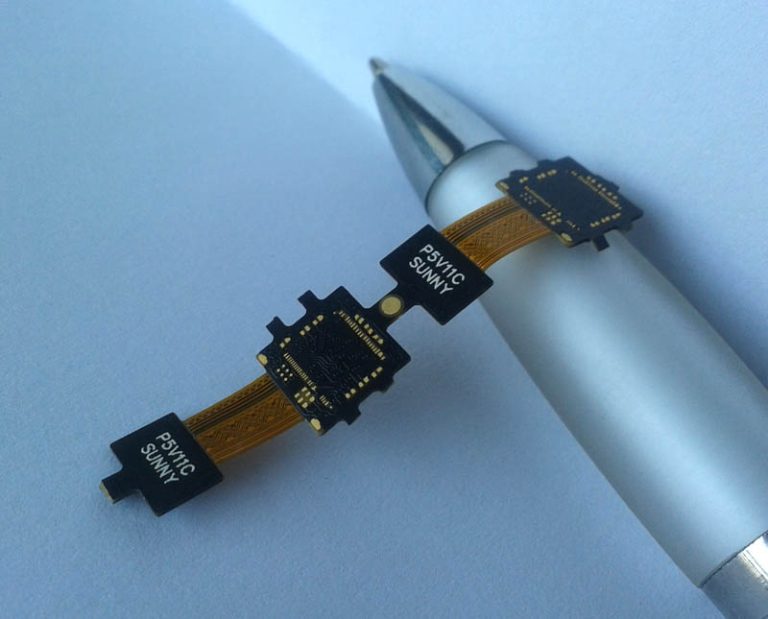
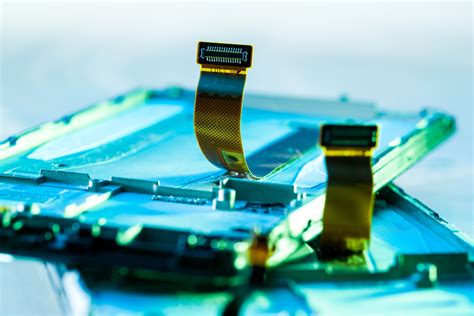
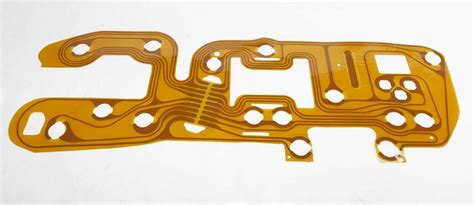
Flex PCB technology represents a significant advancement in the pcb manufacturing landscape, allowing for designs that can bend, fold, or twist without compromising functionality. This innovative approach revolutionizes how you can integrate electronics into your products, enabling a level of design flexibility that traditional rigid PCBs cannot provide. As you explore the offerings from various pcb manufacturing companies, you’ll find that flex PCBs are particularly suited for applications in compact devices and wearables, where space is at a premium.
Your understanding of pcb manufacturing costs will also benefit from recent innovations in this area. The streamlined processes employed by industry leaders like Advanced Circuits can lead to reduced expenses while maintaining high-quality standards. These advancements ensure that your flexibility and performance demands are met without sacrificing reliability.
“The key to enhancing your product’s design lies in choosing the right materials and manufacturing process.” This quote underscores the importance of partnering with reputable pcb manufacturing businesses that prioritize innovation and quality.
In summary, adopting flex PCB technology can significantly enhance not just the performance of electronic devices but also empower you with new design possibilities—ensuring that you stay ahead in an increasingly competitive market.
Advanced Circuits: Pioneers in Flex PCB Development
When it comes to PCB manufacturing, few companies have made as significant an impact as Advanced Circuits in the realm of flex PCB technology. As you delve into this innovative segment of the electronics industry, you’ll find that their commitment to pushing the boundaries of design is reflected in their advanced techniques and methodologies. The flexibility offered by flex PCBs not only enhances product performance but also allows for greater adaptability in your design projects. This becomes especially relevant as pcb manufacturing companies increasingly prioritize efficiency without compromising quality.
Advanced Circuits has established itself as a leader by integrating state-of-the-art processes that reduce pcb manufacturing costs while maintaining high standards. For instance, their streamlined production capabilities enable faster turnaround times, so you can bring your products to market with minimal delays. The result is a thriving pcb manufacturing business poised to meet the evolving demands of modern electronics.
Here’s a quick overview of the advantages offered by Advanced Circuits’ innovative solutions:
| Feature | Benefit |
|---|---|
| Design Flexibility | Accommodates intricate designs and layouts |
| Cost Efficiency | Reduces overall production costs |
| Speed | Enables quicker time-to-market development |
| Reliability | Meets rigorous industry standards |
By partnering with Advanced Circuits, you’re not just choosing a supplier; you’re collaborating with pioneers who are shaping the future of flex PCB development, ensuring that your projects can thrive in an increasingly competitive landscape.
The Advantages of Flex PCBs in Modern Electronics
Flex PCBs have emerged as a pivotal component in the realm of modern electronics, offering distinct advantages that cater to the dynamic demands of today’s technology. First and foremost, Flex PCBs enable unparalleled design flexibility, allowing you to create intricate shapes and layouts that are impossible with rigid boards. This adaptability is essential for miniaturized devices, where space is at a premium. Additionally, when you consider pcb manufacturing, you will find that the process offers significant weight savings compared to traditional alternatives. This reduction in weight is crucial for applications in aerospace and mobile devices where every gram counts.
Moreover, Flex PCBs contribute to enhanced durability due to their ability to withstand bending and twisting. This resilience minimizes the risk of damage during assembly and usage, which can be a crucial consideration for many electronic applications. As you look into various pcb manufacturing companies, it’s pertinent to note that many are recognizing these benefits and are investing in advanced techniques specifically tailored for flexible printed circuit boards. These advancements can lead directly to lower pcb manufacturing costs, ultimately benefiting your bottom line while maintaining high-performance standards.
Furthermore, the ability of Flex PCBs to streamline assembly processes means your products can reach the market more rapidly, providing you with a competitive edge in an ever-evolving marketplace. In an industry where time-to-market is vital, this advantage should not be underestimated. Thus, embracing Flex PCB technology can significantly bolster your business strategy within the pcb manufacturing business, enhancing both innovation and efficiency along the way.
Innovations in Design Flexibility: Case Studies
The realm of Flex PCB technology is rapidly evolving, with various case studies illustrating the remarkable advancements within the industry. One such example involves a collaboration between pcb manufacturing companies and automotive engineers, leading to the integration of flexible circuits in electric vehicle components. This innovative approach significantly reduced pcb manufacturing cost, while simultaneously enhancing design flexibility. The ability to produce intricate designs within tighter spaces has enabled engineers to create lightweight and compact systems, a crucial factor in modern automotive applications where every gram counts.
In another instance, a prominent consumer electronics manufacturer employed advanced pcb manufacturing techniques to improve the durability of flexible circuits used in wearable devices. By leveraging a composite material that withstands environmental stresses, they showcased how flexibility does not compromise reliability. This commitment to high standards resulted in longer-lasting products that meet consumer expectations for performance and reliability.
These case studies not only highlight the transformative influence of Advanced Circuits on pcb manufacturing business practices but also underscore how these innovations facilitate seamless integration across various industries. As you explore these advancements, you’ll find that the potential for Flex PCB technology is limitless, paving the way for future developments that prioritize both functionality and efficiency.
Manufacturing Efficiency: How Advanced Circuits Streamlines Production
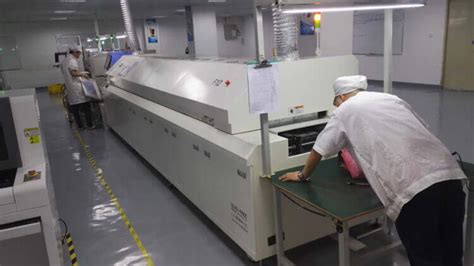
In the competitive landscape of PCB manufacturing, efficiency is key to staying ahead. Advanced Circuits has emerged as a leader among PCB manufacturing companies, continuously optimizing processes to reduce lead times and costs while maintaining high-quality standards. You’ll find that their commitment to utilizing state-of-the-art technology and streamlined workflows significantly lowers the overall pcb manufacturing cost. By adopting advanced design tools and automation, they minimize errors that can slow down production, leading to quicker turnaround times for your projects. Additionally, their focus on flexible printed circuit boards (Flex PCBs) allows for innovative products that cater to your specific needs, which in turn enhances the pcb manufacturing business. This strategic approach not only improves efficiency but also ensures that you receive reliable products tailored to meet rigorous demands in various industries. Embracing such practices is crucial in an era where technological advancements constantly shape consumer expectations and market dynamics.
Meeting Industry Standards: A Commitment to Reliability
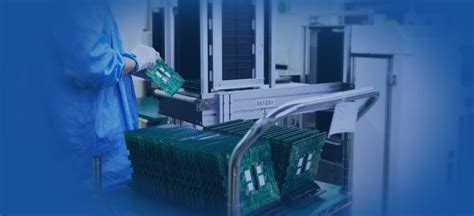
In the ever-evolving realm of flex PCB technology, ensuring that products meet rigorous industry standards is vital for maintaining customer trust and satisfaction. You may wonder how Advanced Circuits navigates the complexities of pcb manufacturing while upholding these standards. The commitment to reliability begins at the core of their processes. They utilize state-of-the-art technology and adhere to stringent quality assurance protocols, ensuring that every flex PCB produced withstands the demands of modern applications. The emphasis on reliability isn’t merely about compliance; it reflects the company’s dedication to providing superior solutions that stand the test of time. When considering pcb manufacturing companies, it’s essential to recognize those that prioritize performance alongside cost-efficiency. With a keen focus on reducing pcb manufacturing costs without compromising quality, Advanced Circuits positions itself as a leader in this competitive landscape. As you evaluate your options in the pcb manufacturing business, understanding how reliability intertwines with innovation can guide you to make informed decisions that align with your project needs and objectives.
Future Trends in Flex PCB Technology
As you delve into the future trends of Flex PCB technology, you’ll discover that the landscape is evolving rapidly to meet the demands of modern electronics. One significant trend is the increasing integration of advanced circuits that enhance both performance and versatility. The push for miniaturization and higher functionality in devices has led to a surge in the adoption of flex PCBs, which are not only lightweight but also provide greater design flexibility. Moreover, the landscape of pcb manufacturing is undergoing a transformation, with companies focusing on reducing pcb manufacturing costs by leveraging innovative techniques and materials.
Sustainability is becoming a critical factor in the pcb manufacturing business, prompting manufacturers to adopt eco-friendly practices and materials. This trend not only caters to consumer preferences but also aligns with global standards for environmental responsibility. Furthermore, as you explore case studies from leading pcb manufacturing companies, you’ll notice that advancements in automation and optimization processes are making production more efficient, resulting in quicker turnaround times.
The convergence of technology such as IoT and wearables has placed a spotlight on the need for highly reliable Flex PCBs. Thus, there’s an ongoing emphasis on meeting rigorous industry standards that govern performance and reliability. As customization becomes essential across various sectors, expect further innovations that will redefine how flex PCBs are designed and manufactured, ultimately impacting how devices function across numerous applications.
In summary, as you navigate these dynamic trends, anticipate exciting developments that will undoubtedly change the way flex PCBs are integrated into your electronic devices, setting new benchmarks for efficiency and reliability in pcb manufacturing processes.
Conclusion: The Impact of Advanced Circuits on the Electronics Industry
In today’s fast-paced electronics landscape, Advanced Circuits plays a vital role in transforming the way Flex PCB technology is perceived and utilized. Your understanding of pcb manufacturing has likely evolved as you explore the innovative approaches taken by leading pcb manufacturing companies. The firm’s emphasis on enhanced design flexibility and improved manufacturing efficiency allows for more customized solutions that resonate with the unique demands of modern electronic devices. This increased variability leads to a significant impact on pcb manufacturing cost, making it crucial for businesses to embrace these advancements in order to maintain competitiveness. By streamlining the pcb manufacturing business, Advanced Circuits not only elevates product quality but also enhances reliability and performance, which are indispensable for all players within the electronics sector. As you continue to navigate this ever-evolving field, recognizing how Advanced Circuits influences both technological innovation and market dynamics will be key to leveraging these novel solutions for your projects and initiatives.
Conclusion: The Impact of Advanced Circuits on the Electronics Industry
As you reflect on the contributions of Advanced Circuits to the field of Flex PCB technology, it becomes clear that their innovations are setting a new standard for pcb manufacturing. With the ability to enhance design flexibility and streamline production processes, they address critical needs for both consumers and pcb manufacturing companies alike. Understanding the nuances of this technology can offer you insights into how choosing a partner like Advanced Circuits can substantially reduce your pcb manufacturing cost while ensuring adherence to rigorous industry standards. As you explore options within the pcb manufacturing business, consider how these advancements not only impact efficiency and reliability but also revolutionize product design possibilities. In a rapidly evolving market, aligning with leaders in Flex PCB technology may provide you with a competitive edge, ushering in new opportunities for innovation and growth in your projects. Ultimately, embracing these advancements from Advanced Circuits could very well redefine your expectations and outcomes in electronics development.
FAQs
What are Flex PCBs?
Flex PCBs, or flexible printed circuits, are circuit boards made with flexible materials that allow them to bend and twist, enabling innovative designs in electronic devices.
How does Advanced Circuits contribute to the Flex PCB industry?
Advanced Circuits is recognized as a leader among pcb manufacturing companies, offering cutting-edge solutions that enhance pcb manufacturing processes and address complex design requirements.
What are the benefits of using Flex PCBs?
Flex PCBs provide significant advantages, including reduced space requirements, lightweight construction, and improved reliability in challenging environments. These factors contribute to lower overall pcb manufacturing costs, scaling the viability for various applications.
How do I evaluate the cost of Flex PCB manufacturing?
The pcb manufacturing cost can vary based on several factors including material selection, complexity of design, and quantity produced. Engaging with experienced pcb manufacturing companies like Advanced Circuits can help you understand potential expenses better.
What future innovations can we expect in Flex PCB technology?
As technology evolves, you can anticipate advancements that will further improve design flexibility and enhance production efficiency. This includes the incorporation of smart materials and more sophisticated manufacturing techniques that cater to dynamic electronics demands.
For more information on professional pcb manufacturing, please click here: https://www.andwinpcb.com/pcb-manufacturing/