Unlocking Innovation: The Art of Assembling Circuit Boards
Key Takeaways
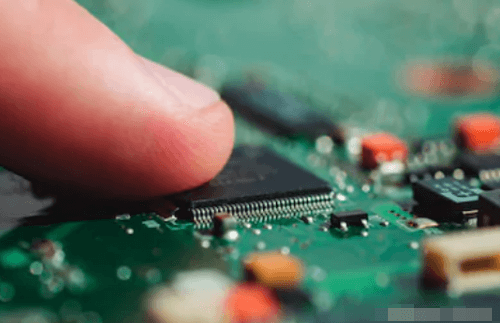
Circuit board assembly, often referred to as PCB assembly or PCBA, is a fundamental process that bridges the gap between conceptual design and functional devices. Understanding the intricacies of this process is vital, as it significantly impacts the overall performance and reliability of electronic products. When assembling circuit boards, selecting quality components is crucial; superior parts not only enhance durability but also foster better electrical connections, ultimately leading to improved product performance. Additionally, advanced soldering techniques are employed to ensure precision and reliability in connections. These techniques can greatly influence the longevity of the device and its resistance to environmental factors.
Moreover, innovative approaches in PCB assembly can streamline production workflows and reduce costs, making it essential for companies to stay abreast of these developments. Not to be overlooked, quality control plays an indispensable role in electronic manufacturing—ensuring that every assembled circuit board meets rigorous standards before reaching consumers. As technology continues to evolve, so too will the methods employed in circuit board assembly. For aspiring assemblers, gaining skills in both automated systems and traditional manual processes will be paramount for success in this dynamic field. Understanding these key takeaways not only aids in grasping the importance of efficient PCBA but also paints a picture of its role in driving forward the future of electronics.
The Importance of Circuit Board Assembly in Technology
The pcb assembly process is fundamental in the creation of electronic devices, serving as the backbone of modern technology. Assembling circuit boards accurately ensures that the PCBA functions reliably, making it a critical stage in electronic manufacturing. One of the core aspects of this process is selecting quality components, as inferior materials can lead to device failures or inefficiencies. Therefore, emphasizing quality at this stage can lead to substantial benefits in terms of performance and durability.
Moreover, the intricacies of assembly might often go unnoticed by end-users, yet each component has its designated role that influences overall functionality. For instance, resistors, capacitors, and microcontrollers must work seamlessly together for optimal performance. A well-executed pcb assembly ensures that these components are placed correctly and soldered with precision.
The importance of pcba assembly extends beyond mere installation; it embodies a blend of artistry and engineering prowess that promotes innovation. Understanding the synergy between architecture and assembly techniques helps in developing cutting-edge products that resonate with consumer needs.
| Key Components | Importance | Consequence of Poor Quality |
|---|---|---|
| Resistors | Manage current flow | Overheating or failure |
| Capacitors | Store electrical energy | Voltage instability |
| Microcontrollers | Control device operations | System malfunction |
By advancing techniques such as advanced soldering methods and incorporating state-of-the-art machinery into pcb assembly, manufacturers can achieve higher levels of efficiency and reliability. This continuous improvement is vital as technology progresses—underlining how essential circuit board assembly is to foster innovation and ensure successful production in the electronics sector.
Selecting Quality Components: Key to Successful Assemblies
Selecting quality components is a crucial step in pcb assembly that significantly impacts the overall performance and reliability of electronic devices. When embarking on the pcba journey, assemblers must prioritize components that adhere to stringent quality standards, as the functionality of the entire circuit board is directly influenced by these choices. High-quality resistors, capacitors, and integrated circuits not only enhance performance but also reduce the risk of failure in the long run.
Moreover, sourcing components from reputable suppliers ensures consistency in quality and availability. During this process, it’s important to consider factors such as temperature tolerance, voltage ratings, and package types, all of which contribute to a successful assembly. Emphasizing durability and compatibility, assemblers should also be aware of potential counterfeits that can compromise an entire project’s integrity. By investing time and effort into selecting reliable materials, one can elevate their work beyond mere assembly; it becomes an art form that fosters trust in modern electronics. Ultimately, careful selection of quality components lays the foundation for innovation and success in pcb assembly, driving advancements in technology forward.
Advanced Soldering Techniques for Precision and Reliability
In the realm of pcb assembly and pcba, mastering advanced soldering techniques is crucial for ensuring both precision and reliability in the final product. Soldering, while seemingly simple, requires a deep understanding of various methods to achieve optimal results. Techniques such as wave soldering and reflow soldering are common in large-scale production, offering efficiency and consistency. However, for intricate designs or prototypes, hand soldering with precise control becomes essential.
Utilizing high-quality solder and maintaining the right temperature is fundamental to avoid defects like cold solder joints or bridging. Moreover, the application of flux during soldering not only enhances adhesion but also prevents oxidation on metal surfaces, which is critical in maintaining a reliable electrical connection.
“Investing time in perfecting your soldering skills can significantly reduce failures in electronic devices,” emphasizes industry expert Jane Doe.
In addition, employing tools such as solder paste dispensers and fine-tipped soldering irons can elevate the quality of your work while minimizing damage to surrounding components. As technology evolves, integrating techniques like robotic soldering into your process can enhance both precision and repeatability, thus guaranteeing that each assembly meets the rigorous standards expected in modern electronics.
By prioritizing these advanced techniques within your pcb assembly processes, you set the stage for creating durable and faultless electronic devices that can withstand the demands of today’s rapidly advancing technological landscape.
Innovative Approaches to Circuit Board Assembly
In the evolving realm of pcb assembly, innovation is a cornerstone that enables manufacturers to stay competitive while enhancing the quality of their products. One notable approach involves the integration of modular assembly techniques, allowing for more flexible designs that can adapt to changes in technology and consumer demand. This method not only streamlines the pcba process but also reduces wasted materials and time. Additionally, the adoption of smart manufacturing technologies, such as IoT-enabled machines, enhances communication across the assembly line, resulting in greater efficiency and real-time data analysis. By incorporating advanced soldering techniques, such as laser soldering, assembly can achieve higher precision and reliability, which ultimately translates to better performance in electronic devices. Furthermore, utilizing automated processes for repetitive tasks while keeping certain elements manual helps maintain quality control without sacrificing speed. As we embrace these innovative approaches, it becomes clear that mastering them is essential for those involved in circuit board assembly, enabling them to contribute significantly to the industry’s future advancements in technology.
The Role of Quality Control in Electronic Manufacturing
Quality control is an essential component of the pcb assembly process, as it ensures that each product meets the highest standards of performance and reliability. In the world of electronics manufacturing, even the smallest defect can lead to significant failures in electronic devices. Effective quality control begins at the component selection stage, where manufacturers must verify that all materials used in pcba are not only functional but also compatible with one another. This thorough scrutiny continues throughout the assembly line, employing various methods such as visual inspections, automated optical inspections (AOI), and functional testing to catch defects early. By instituting rigorous quality assurance protocols at every step—ranging from soldering techniques to final assembly—manufacturers can significantly reduce risks and ensure that each circuit board operates as intended. This vigilance not only contributes to customer satisfaction but also enhances the overall reputation of manufacturers in a fiercely competitive market. Ultimately, a focus on quality control within pcb assembly processes lays a solid foundation for innovation and advancement in technology, as it empowers firms to deliver dependable and state-of-the-art electronic devices.
Exploring Automated vs. Manual Assembly Processes
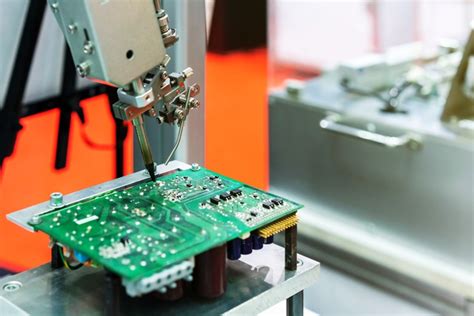
When it comes to pcb assembly, the debate between automated and manual assembly processes is pivotal in modern electronics manufacturing. Automated processes offer speed and efficiency, allowing for high-volume production with consistent quality. This approach utilizes sophisticated machines programmed to place components with precision, which is particularly advantageous when working with complex designs and pcba (printed circuit board assembly). The integration of technology minimizes human error and increases throughput, making it an attractive option for manufacturers aiming to scale their operations. However, manual assembly remains significant in certain applications where flexibility and intricate craftsmanship are required. Skilled technicians can adapt quickly to design changes or handle specialized components that machinery may struggle with. This human element can lead to a level of detail and attention that is sometimes difficult to replicate by machines alone. Ultimately, the choice between automated and manual processes hinges on the specific needs of the project, balancing efficiency against the necessity for specialized skills and adaptability in circuit board manufacturing. Understanding these dynamics is crucial for fostering innovation while ensuring that quality standards are maintained throughout the assembly process.
Future Trends in Circuit Board Design and Assembly
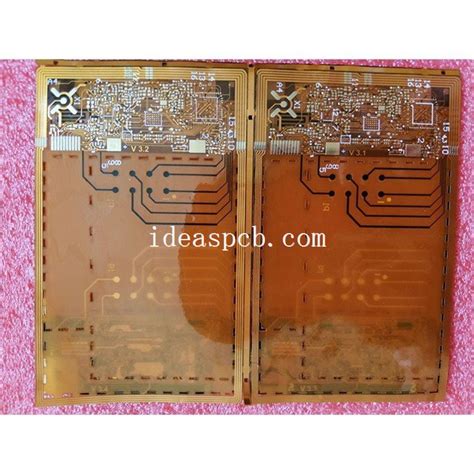
As technology continues to evolve, the landscape of pcb assembly and pcba processes is also shifting, driven by the demands of smaller, faster, and more complex electronic devices. One of the most notable trends is the increasing use of multilayer circuit boards, which allow for compact designs without compromising functionality. This innovation not only saves space but also enhances performance by reducing signal loss and improving power distribution. Moreover, with the rise of Internet of Things (IoT) devices, there is a growing emphasis on flexible circuit boards that accommodate movement and bending, thereby expanding application possibilities across various industries.
Another significant trend is the integration of automation into pcba processes. While manual assembly has long been a staple in circuit board manufacturing, automated solutions are now streamlining production phases that require high precision and repeatability. The advent of advanced robotics and machine learning algorithms is facilitating faster assembly times while significantly reducing human error. This shift not only improves efficiency but also aligns with sustainability goals by minimizing waste through optimized manufacturing practices.
Additionally, the demand for environmentally friendly materials has gained traction within circuit board design. Manufacturers are increasingly prioritizing the use of lead-free soldering materials and recyclable substrates in response to global regulatory changes and consumer preferences for sustainable electronics. This trend promotes a circular economy approach within the electronics industry, highlighting a commitment to reducing environmental impact while maintaining high-quality standards in pcb assembly.
In summary, the future trends in circuit board design and assembly point towards enhanced performance capabilities through technological advancements, increased automation for efficiency, and a strong focus on sustainability—ultimately positioning these innovations as pivotal elements in shaping tomorrow’s electronic devices.
Skills and Training for Aspiring Circuit Board Assemblers
Aspiring circuit board assemblers must cultivate a unique set of skills and undergo comprehensive training to excel in the field of pcb assembly. First and foremost, understanding electronic principles and the functionality of various components is crucial. This foundational knowledge aids in selecting quality components that are essential for successful pcba. Furthermore, hands-on experience with various assembly techniques, such as manual soldering and the use of automated machinery, can significantly enhance one’s proficiency.
Trainees should familiarize themselves with advanced soldering techniques that ensure precision and reliability in connections, as poor soldering can lead to malfunctioning devices. Additionally, a keen eye for detail is necessary to conduct thorough inspections during the assembly process, which helps in maintaining consistent quality standards. Engaging in workshops or formal education programs that emphasize practical training alongside theoretical knowledge can further prepare individuals for real-world challenges.
Moreover, aspiring assemblers should stay updated with innovative approaches to circuit board assembly that emerge from ongoing technological advancements. As the industry evolves, professionals equipped with both traditional skills and modern methodologies become invaluable assets to manufacturers seeking to lead in efficiency and innovation. Ultimately, the combination of solid skill sets, training programs, and a willingness to adapt will empower future assemblers to contribute meaningfully to the electronics sector’s ever-evolving landscape.
Conclusion
In summary, the journey through the world of pcb assembly unveils the remarkable fusion of art and science that characterizes the assembly of circuit boards. The intricate processes involved in PCBA not only ensure functionality and reliability in electronic devices but also pave the way for technological advancement. By emphasizing the importance of selecting quality components, employing advanced soldering techniques, and adapting innovative approaches, we cultivate an environment ripe for creativity and efficiency. Furthermore, embracing both automated and manual assembly processes allows manufacturers to optimize productivity while maintaining high standards of quality control. As we look to the future, continuous education in skills related to circuit board assembly becomes paramount, enabling emerging talent to contribute meaningfully to this dynamic field. In essence, mastering the nuances of pcb assembly is not just about assembling components; it is about unlocking potential for innovation that shapes what lies ahead in technology.
FAQs
When it comes to pcb assembly, many individuals and businesses often have questions regarding the process, techniques, and best practices. Understanding these aspects can significantly enhance the quality and efficiency of pcba projects. Common inquiries include what materials are ideal for circuit board assembly and how to ensure precision in soldering techniques. It is also pivotal to explore the difference between automated and manual assembly, as each has its unique advantages depending on production scale and required precision. Additionally, many wonder about the importance of quality control throughout the pcb assembly process, as this can make a difference in reliability and performance of electronic devices. Ultimately, asking these questions leads to a deeper understanding of how to achieve successful outcomes in pcba endeavors, ensuring that innovation continues to thrive in the technology sector.