Unlocking Innovation: The Art of Assembling PCB Components
Key Takeaways
The process of pcb assembly is crucial for the manufacturing of modern electronic devices, ensuring that all components are correctly placed and connected, which directly impacts the functionality and reliability of the final product. In understanding pcba, one must acknowledge that the landscape of assembly is not just about physical placement but involves a series of intricate techniques and methods designed to enhance efficiency. The essential components used in pcb assembly—such as resistors, capacitors, and ICs—must be assembled with precision to eliminate defects. Moreover, incorporating best practices during this phase not only improves the quality of the electronic devices but also promotes innovation within the manufacturing process. As electronics continue to evolve, embracing new technologies in pcba can lead to significant advancements in both performance and production speed. Ultimately, recognizing these key elements will aid professionals in overcoming challenges associated with component assembly, setting a strong foundation for future projects.
Introduction to PCB Assembly: Understanding the Basics
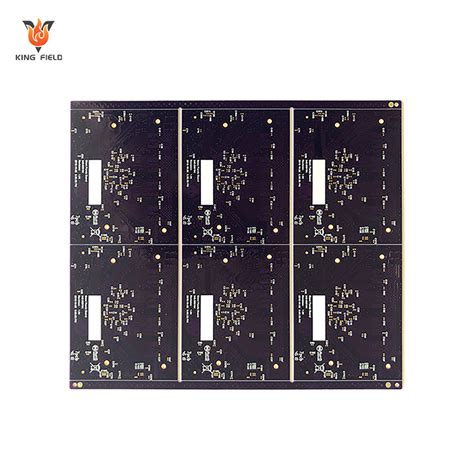
PCB assembly (or PCBA) is a fundamental process in the realm of electronics manufacturing, serving as the backbone for creating functional electronic devices. At its core, PCB assembly involves the meticulous arrangement and soldering of various components onto a printed circuit board. This process begins with understanding the essential components involved, such as resistors, capacitors, and integrated circuits, all of which play distinct roles in circuit functionality. A thorough knowledge of these components is pivotal for ensuring performance efficiency. Furthermore, as technology progresses, the complexity of these assemblies increases, necessitating an understanding of advanced techniques and tools that streamline production while enhancing reliability. In this intricate dance between hardware and software, mastering PCBA not only involves technical skills but also an appreciation for innovation in design and application. Developing a robust foundation in PCB assembly ensures that future challenges can be overcome with agility, setting the stage for further advancements in electronic technologies.
Essential Components of PCB: A Detailed Overview
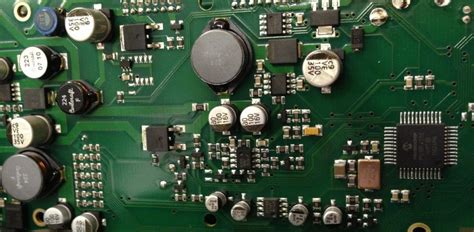
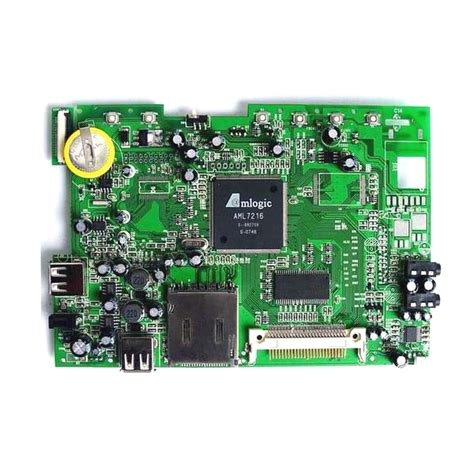
The Printed Circuit Board (PCB) is the backbone of modern electronics, incorporating various components that work in tandem to ensure optimal functionality. Key components in pcb assembly include resistors, which control the flow of electric current; capacitors, responsible for storing and releasing energy; and integrated circuits (ICs), which serve as the brain of the device by processing information. Other critical elements consist of inductors, which help manage current fluctuations, and connectors, enabling the interconnection between different circuit parts. Each component in pcba has unique specifications, such as capacitance for capacitors or resistance values for resistors, which must be considered during the assembly process. Moreover, understanding the role of each component is vital for engineers to develop innovative solutions and achieve higher performance standards in their designs. By leveraging advanced techniques in assembly and adhering to best practices, manufacturers can optimize these critical components, paving the way for groundbreaking advancements in electronic devices. The intricate interplay between these parts highlights the complexity and precision required in successful PCB assembly while driving innovation in today’s fast-paced technological landscape.
Techniques for Efficient PCB Component Assembly
Efficient PCB assembly involves a combination of modern techniques that streamline the process while maintaining high-quality standards. One of the foundational steps is the careful selection and placement of components. Utilization of automated pick-and-place machines significantly enhances the speed and precision of PCBA tasks, allowing manufacturers to achieve tighter tolerances and reduce assembly time. Additionally, leveraging surface mount technology (SMT) can provide more compact designs, which is crucial for meeting the demands of contemporary electronic devices.
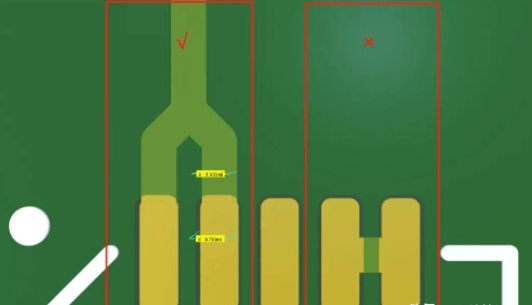
Another vital technique is the implementation of solder paste printing, ensuring that the right amount of solder is deposited on each pad. This step is critical in preventing common issues such as insufficient solder joints or bridging. Moreover, incorporating advanced inspection methodologies such as automated optical inspection (AOI) helps identify errors early in the assembly process, thereby minimizing rework and waste.
Training personnel on best assembly practices also constitutes an essential aspect, as skilled workers can significantly reduce human error through their expertise in handling intricate components. Furthermore, embracing lean manufacturing principles encourages a systematic approach to PCB assembly, focusing on minimizing waste while optimizing efficiency.
In summary, by employing innovative technologies alongside fostering a skilled workforce and adhering to best practices, companies can achieve remarkable advancements in their PCBA processes. This not only propels manufacturing efficiency but also fosters a culture of continuous improvement within organizations seeking to lead in electronics innovation.
Tools Required for Assembling PCB Components
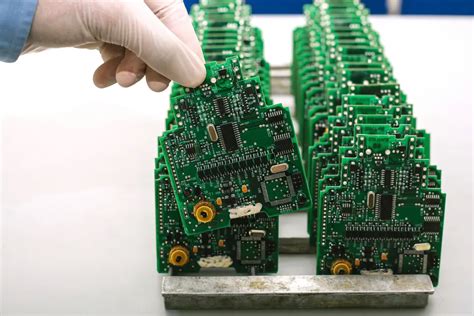
Assembling PCB components is a meticulous process that requires a combination of precise tools and skilled techniques. At the core of PCB assembly is the need for essential equipment that ensures accuracy and reliability. Some of the basic tools include soldering irons, which are critical for attaching components to the circuit board. A quality soldering station not only provides temperature control but also allows for consistent soldering practices, which is vital in achieving high-quality joins.
Furthermore, a multimeter plays an indispensable role in troubleshooting and verifying electrical connections throughout the assembly process. This tool helps ensure that connections are not only intact but also functioning as intended. Another crucial tool is the PCB holder, which secures the board in place, allowing for steady hands when soldering or testing components.
For those looking to advance their PCBA skills, using tools like hot air rework stations can facilitate the efficient removal or replacement of components without damaging surrounding parts. Additionally, employing automatic pick-and-place machines enhances productivity by precisely placing components at high speeds, ensuring uniformity across multiple boards.
“Investing in quality tools not only boosts efficiency but also significantly reduces errors during assembly.”
By maintaining a well-equipped workspace with these essential tools, manufacturers can achieve optimal results in their PCB assembly processes, ultimately driving innovation in electronics manufacturing. Proper tool selection and utilization reflects a commitment to quality—an essential ingredient for success in today’s fast-paced electronic landscape.
Best Practices in PCB Assembly for Enhanced Innovation
The process of PCB assembly (often referred to as PCBA) plays a crucial role in driving innovation in electronics manufacturing. To enhance the quality and efficiency of PCB assembly, it is essential to adopt several best practices. First and foremost, thorough planning and design validation should be carried out before assembly begins. This includes ensuring that the layout is optimized for both component placement and signal integrity, which can significantly reduce errors during production. Furthermore, implementing stringent quality control measures at each stage of the PCBA process helps identify potential issues early on, thereby minimizing delays and costs associated with rework.
In addition, selecting appropriate materials and components is vital for achieving reliability and performance in assembled boards. Utilizing soldering techniques such as wave soldering or reflow oven processes can greatly improve the robustness of connections on the PCB, thus enhancing overall product longevity. Training personnel in advanced assembly techniques and safety protocols is also important to ensure that every member of the team understands their responsibilities, fostering a culture of quality.
Lastly, leveraging technology such as automation and machine learning can streamline the assembly process, allowing for faster production times without sacrificing quality. By consistently applying these best practices within the realm of PCB assembly, businesses can not only improve their internal processes but also drive further innovations that meet market demands effectively. Ultimately, adopting such approaches establishes a solid foundation for an innovative future in electronics!
Common Challenges in PCB Component Assembly and Solutions
The process of PCB assembly can present a variety of challenges that require careful consideration and strategic solutions. One common issue is the misalignment of components during the placement phase, which can lead to faulty connections and malfunctioning circuits. To combat this, utilizing advanced assembly techniques such as automated optical inspection (AOI) can enhance accuracy and precision in the pcba process. Additionally, managing thermal stress during soldering is crucial; excessive heat may damage sensitive components. Implementing controlled temperature profiles during soldering can help mitigate these risks.
Another frequent challenge arises from the selection of appropriate materials. Low-quality materials may compromise the integrity of the final product, resulting in increased failure rates. Therefore, ensuring that suppliers provide reliable components plays a key role in achieving high-quality pcb assembly outcomes. Furthermore, handling issues like contamination from dust or grease is vital; regular cleanliness protocols should be established within the assembly environment to maintain optimal conditions for component placement.
Lastly, workforce training is essential to address skill gaps that could hinder effective pcba processes. Continuous education on emerging technologies and best practices ensures that teams are well-equipped to tackle problems as they arise. By understanding these challenges and implementing targeted solutions, manufacturers can enhance efficiency and innovation in their PCB assembly operations.
Future Trends in PCB Assembly Technologies
As the landscape of technology continues to evolve, PCB assembly is witnessing a transformation driven by emerging trends that promise to enhance efficiency and innovation. One prominent trend is the adoption of smart manufacturing and automation in the assembly process. With the integration of Internet of Things (IoT) devices, pcba processes are becoming increasingly interconnected, allowing for real-time data collection and analysis. This shift is not only improving precision but also minimizing human error, thus significantly increasing production speed. Another key trend is the rise of additive manufacturing techniques, which facilitate the creation of complex geometries in components that traditional methods cannot achieve. This innovation paves the way for more compact and lightweight designs while reducing material waste. Additionally, as sustainability becomes a priority across industries, eco-friendly materials and processes are making their way into pcb assembly practices. From using recyclable substrates to minimizing energy consumption during production, these initiatives reflect a conscious effort towards environmentally responsible manufacturing. As these trends continue to develop, they are expected to redefine the standards of pcb component assembly, leading to more innovative products and solutions in the electronics sector.
Case Studies: Successful Innovations in PCB Component Assembly
The landscape of PCB assembly has been transformed by innovative methodologies and state-of-the-art technologies. Various companies have provided remarkable case studies that highlight the effectiveness of strategic innovations in PCBA. For instance, a leading electronics manufacturer adopted automated pick-and-place systems, which significantly reduced assembly time and minimized human error. This increase in efficiency not only enhanced throughput but also improved the overall quality of the final product.
In another case, a startup introduced a novel approach by leveraging machine learning algorithms to optimize the assembly process. By analyzing historical data, the system could predict potential breakdowns in the assembly line and suggest preventive measures. This proactive approach not only saved time but also reduced costs associated with downtime.
| Company Name | Innovation Implemented | Outcome |
|---|---|---|
| Industry Leader A | Automated pick-and-place systems | Reduced assembly time by 40% |
| Startup B | Machine learning for predictive maintenance | Decreased downtime by 30% |
These studies reinforce the idea that embracing change is essential for sustaining competitiveness in electronics manufacturing. The lessons learned from these cases offer valuable insights into how other organizations can adopt new technologies and methods to enhance their own PCB assembly processes. By focusing on continuous improvement and leveraging advanced tools, companies can drive innovation forward while ensuring quality and efficiency in their production lines.
Conclusion
In the realm of electronics manufacturing, the process of pcb assembly plays a pivotal role in determining the overall quality and functionality of electronic devices. As we’ve explored throughout this article, each stage of pcba involves meticulous planning and execution, showcasing a fusion of art and science. The effective assembly of pcb components hinges on not only possessing the right tools but also knowing how to utilize them efficiently to optimize outcomes. Maintaining precision during assembly minimizes errors, while an understanding of the essential components allows for improved system integration and enhanced performance. Embracing best practices can lead to significant innovations in this field, paving the way for more advanced technologies. Furthermore, being aware of common challenges and their solutions empowers professionals to adapt and thrive in a rapidly evolving industry landscape. Thus, as we look ahead, it’s clear that a commitment to continual refinement in pcb assembly processes will drive future developments and sustain the momentum of innovation within electronics manufacturing.
FAQs
What is PCB assembly?
PCB assembly, often referred to as PCBA, is the process of connecting various electronic components onto a printed circuit board (PCB). This process transforms a bare board into a functional electronic device.
What are the essential components involved in PCB assembly?
In pcb assembly, components typically include resistors, capacitors, integrated circuits (ICs), and connectors. Each component plays a crucial role in ensuring the electronic device operates as intended.
What techniques are used for assembling PCB components?
Common techniques include surface mount technology (SMT) and through-hole technology. SMT allows for more compact designs, while through-hole offers stronger connections. The choice of technique often depends on the specific requirements of the device being developed.
What tools are necessary for efficient PCB assembly?
Essential tools include soldering irons, pick-and-place machines, and reflow ovens. These tools help ensure precise placement and strong connections between components during pcba.
How can one enhance innovation in PCB assembly practices?
By adopting best practices such as thorough testing protocols, using high-quality materials, and investing in continuous training for personnel. Innovations can also stem from incorporating automation and advanced software solutions in the pcb assembly process.
What common challenges arise during PCB component assembly?
Challenges may include component misalignment, soldering defects, and thermal management issues. Implementing rigorous quality control measures can help identify and mitigate these problems effectively.
For more information on pcb assembly, please click here: Andwin PCB Assembly