Unlocking Innovation: The Best PCB Assembly Solutions for Your Needs
Key Takeaways
In the realm of PCB assembly, understanding its foundational principles is crucial for any project. PCBA is more than just a technical process; it embodies a blend of artistry and precision that transforms raw materials into functional electronic circuits. By grasping key concepts such as component placement, soldering techniques, and board design, engineers can ensure the seamless integration of various elements into a coherent system. The significance of quality assurance in PCB manufacturing cannot be understated; rigorous testing protocols and standards help in achieving excellence, thus reducing potential failures and enhancing the overall reliability of the final product. When it comes to selecting a PCB assembly partner, it’s essential to evaluate their expertise and alignment with your project needs. By focusing on cost efficiency and effective time management during production, companies can optimize their resources while maintaining high-quality output. Staying informed about emerging trends in PCBA technology will provide a competitive edge, allowing businesses to innovate continually and adapt to shifting market demands. Each of these elements contributes to successfully navigating today’s challenging landscape, ultimately influencing project outcomes and fostering ongoing success in future endeavors.
Understanding PCB Assembly: Key Concepts and Importance
PCB assembly, commonly referred to as PCBA, is a critical process in the electronics manufacturing industry. It involves the integration of various electronic components onto a printed circuit board (PCB), establishing both electrical connections and mechanical support. Understanding the nuances of pcb assembly is vital for ensuring the functionality and reliability of electronic devices.
At its core, pcb assembly can significantly impact the performance of electronic systems. The quality of components used, precision in soldering techniques, and adherence to design specifications all contribute to the overall success of a project. It is essential, therefore, to comprehend various key concepts, including surface mount technology (SMT) versus through-hole technology, as each offers distinct advantages depending on project requirements.
Innovative Techniques in PCB Assembly: What You Need to Know
In today’s rapidly evolving electronics landscape, pcb assembly has become a cornerstone of innovation and efficiency. Understanding the latest and most innovative techniques in pcba is crucial for engineers and manufacturers looking to elevate their projects. One such method gaining traction is surface mount technology (SMT), which allows for denser component placement on printed circuit boards (PCBs), enhancing performance and reducing space requirements. Additionally, the integration of automation in the assembly process not only improves accuracy but also significantly speeds up production times.
Moreover, advancements in materials science have led to the development of high-frequency substrates that can handle increasing data rates without compromising integrity. Utilizing these materials in pcb assembly can be a game-changer for industries such as telecommunications and automotive electronics.
“Incorporating modern techniques not only boosts quality but also ensures that products meet rigorous market demands,” suggests an industry expert.
Embracing 3D printing technologies is another innovative technique that offers flexibility and rapid prototyping for customized designs. This allows companies to iterate quickly based on feedback, which is critical in today’s fast-paced market environment.
Investing time in understanding these techniques will undoubtedly empower professionals to make informed decisions as they navigate the complexities of modern pcba operations. By staying ahead of innovations, companies can enhance their productivity and competitiveness in a crowded industry.
Quality Assurance in PCB Manufacturing: Ensuring Excellence
Quality assurance is a critical aspect of pcb assembly that directly impacts the performance and reliability of the final product. Effective quality assurance processes ensure that each stage of pcba production complies with stringent standards, thereby minimizing errors and enhancing durability. This involves comprehensive testing methodologies, including visual inspections, automated optical inspections, and functional testing. By employing advanced technologies and adhering to industry regulations, manufacturers can identify potential defects early in the production cycle. Furthermore, regular audits and quality checks serve to maintain high levels of craftsmanship and precision in pcb assembly. These practices not only ensure that the end products meet customer specifications but also foster a culture of continuous improvement within the organization. Emphasizing quality throughout the pcba lifecycle ultimately enhances customer trust and satisfaction, which are essential in today’s competitive landscape.
Choosing the Right PCB Assembly Partner for Your Projects
Selecting the ideal PCB assembly partner is crucial for the success of your electronic projects. A reliable PCBA provider not only brings technical expertise but also a deep understanding of your specific requirements. When evaluating potential partners, consider their experience in the industry, as well as their capability to handle varying volumes and complexities. Look for companies that showcase a strong portfolio and have successfully completed projects similar to yours. It’s also essential to assess their quality assurance processes, which ensure that every board produced meets high standards of performance and reliability. Advanced techniques in PCB assembly, such as automated inspections and test strategies, can significantly enhance quality output—something every successful project demands. Moreover, transparent communication and responsiveness are indicators of a partner who values collaboration and can adapt to changing project needs. Establishing a partnership with the right provider will not only contribute to technical success but also empower your projects to reach their full potential in today’s competitive market.
Cost Efficiency and Time Management in PCB Production
In the highly competitive landscape of electronics manufacturing, cost efficiency and time management are crucial factors that can significantly influence project outcomes. PCB assembly processes, often referred to as PCBA, require careful planning and execution to optimize resources. By incorporating advanced technologies and automation, manufacturers can streamline production lines, reducing both operational costs and lead times. Efficient utilization of materials also plays a vital role; adopting practices such as just-in-time procurement helps minimize waste while ensuring components are available when needed. Moreover, regular performance assessments and adjustments in workflow can lead to continual improvement in processes, which not only enhances overall productivity but also empowers teams to meet tight deadlines without compromising on quality. Utilizing a trusted PCB assembly partner can further accelerate timelines through their expertise in managing complex projects, allowing businesses to focus on innovation while ensuring their products are assembled with precision. Achieving a balance between cost management and effective time strategies is essential for thriving in today’s fast-paced environment.
Emerging Trends in PCB Assembly: Staying Ahead of the Curve
As technology continues to evolve, pcb assembly techniques are experiencing a transformative shift, driven by the need for greater efficiency and innovation. One of the standout trends in pcba is the integration of automation and robotics into production processes. This shift not only increases speed but also enhances precision, ensuring that high-quality standards are consistently met. Additionally, there’s a growing emphasis on sustainability within the pcb assembly sector. Companies are increasingly adopting environmentally friendly materials and processes, which not only comply with global regulations but also appeal to an eco-conscious market.
Furthermore, the emergence of IoT (Internet of Things) devices has prompted a surge in demand for pcb assembly solutions that can accommodate compact designs while maintaining functionality. This has led to advancements in design techniques that prioritize miniaturization without compromising performance. As such, manufacturers must stay ahead of these trends by investing in training and development programs for their workforce to ensure they are equipped with the latest skills in pcba technologies.
In conclusion, staying ahead in pcb assembly means embracing these emerging trends and adapting to an ever-changing landscape. Companies that recognize and act on these opportunities will be better positioned to succeed in an increasingly competitive market.
Case Studies: Successful Projects Utilizing Top PCB Assembly Solutions
Several organizations have successfully leveraged PCB assembly solutions to meet their unique project demands and drive innovation. One notable example involves a tech startup that developed a groundbreaking wearable device. By collaborating with a leading PCBA provider known for their innovative techniques, they were able to streamline the production process, resulting in a significant reduction in time-to-market. This collaboration not only enhanced the product’s functionality but also incorporated advanced quality assurance measures that ensured reliability during rigorous testing phases.
Another case highlights a renowned automotive company that sought to integrate PCB assembly for its new line of electric vehicles. By choosing the right PCBA partner, they were able to implement cost-effective strategies that boosted efficiency while maintaining top-notch quality standards. These strategies included the use of automated assembly techniques and real-time monitoring systems that drastically minimized errors.
Both projects exemplify how embracing top-tier PCB assembly solutions can directly impact project outcomes, foster innovation, and provide a clear competitive edge in today’s rapidly evolving market. As industries continue to evolve, such case studies offer valuable insights into effectively navigating the complexities of electronic manufacturing through strategic partnerships and innovative technologies.
Future of PCB Assembly: Innovations on the Horizon
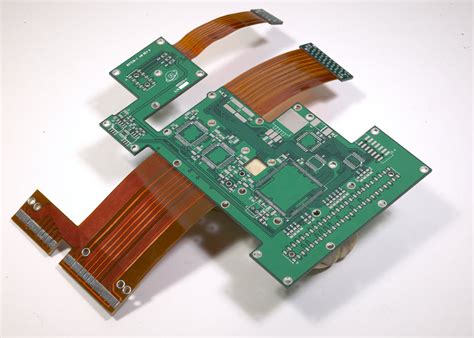
The future of PCB assembly is ripe with potential, as emerging technologies and innovative methodologies continue to shape the landscape of electronics manufacturing. One significant trend is the integration of automation and robotics, which enhances the precision and efficiency of pcb assembly processes. As manufacturers strive for lower production costs and faster turnaround times, automated systems can streamline operations, significantly reducing manual errors. Additionally, techniques like additive manufacturing are gaining traction, allowing for more complex designs that were previously unachievable with traditional methods. The adoption of advanced materials—such as flexible substrates and high-frequency laminates—is also on the rise, enabling high-performance applications in various industries. Moreover, innovations in data analytics and machine learning are increasingly being applied to optimize production workflows, ensuring that quality assurance in pcba remains a priority while tackling issues proactively. These advancements not only promise enhanced product performance but also pave the way for sustainable practices in PCB manufacturing. By embracing these innovations, businesses can position themselves favorably within a competitive landscape where quality and speed are paramount.
Conclusion
In today’s fast-paced technological landscape, the significance of pcb assembly cannot be overstated. As businesses strive to deliver innovative and reliable products, the role of PCBA—or Printed Circuit Board Assembly—is central to achieving this goal. By employing cutting-edge techniques and methodologies, manufacturers can enhance the quality and efficiency of their production processes, ensuring that the final product meets not just industry standards but also customer expectations. Adopting a strategic approach to pcb assembly enables companies to stay competitive, minimize costs, and effectively manage timeframes, which are crucial for product launches. Additionally, focusing on quality assurance throughout the manufacturing process ensures that defects are minimized, leading to higher customer satisfaction and trust in the brand. As we look ahead, understanding these dynamics of PCBA is essential for any organization aiming to succeed in an ever-evolving market.
FAQs
What is PCB assembly?
PCB assembly, often abbreviated as PCBA, refers to the process of connecting electronic components to a printed circuit board (PCB). This crucial step transforms a bare board into a functional electronic device.
Why is quality assurance important in PCB assembly?
Quality assurance in pcb assembly is vital to ensure that the final product meets industry standards and performs reliably. Consistent quality checks prevent defects, reduce failures, and enhance overall customer satisfaction.
What are some innovative techniques used in PCB assembly?
Innovative techniques in pcba include surface mount technology (SMT), automated optical inspection (AOI), and robotics for precise component placement. These methods improve efficiency and accuracy, leading to higher-quality assemblies.
How can I choose the right PCB assembly partner for my projects?
When selecting a PCB assembly partner, consider their experience, quality standards, certifications, and customer feedback. A reliable partner will understand your specific needs and deliver on time without compromising on quality.
What trends are emerging in PCB assembly?
Emerging trends in pcb assembly include the integration of Internet of Things (IoT) technology, flexible PCBs, and eco-friendly materials. Staying updated with these trends can help businesses remain competitive and innovative.
For more detailed insights on pcb assembly, please click here: Andwin PCB Assembly Solutions