Unlocking Innovation: The Journey of Assembled Circuit Boards
Key Takeaways
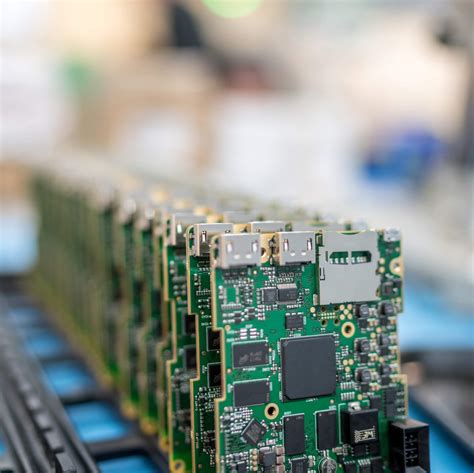
The journey of assembled circuit boards (PCB assembly or PCBA) has significantly influenced the landscape of modern electronics. At the heart of this evolution lies the remarkable adaptability and precision involved in their production. The transformation from simple boards to sophisticated assemblies reflects both technological advancements and an increasing demand for miniaturization in devices. PCB assembly integrates various components, connectors, and circuits that must work seamlessly together, showcasing a unique marriage of engineering and artistry. This fusion not only enhances performance but also increases functionality within compact designs. As industries continue to innovate, assembled circuit boards are becoming pivotal in addressing complex electronic needs across sectors including telecommunications, automotive, and consumer electronics. Furthermore, staying abreast of challenges such as supply chain disruptions, rising material costs, and environmental concerns is critical for manufacturers aiming for sustainable practices in PCBA. The future appears bright for PCB assembly, driven by new technologies like automation and AI which promise to further streamline production processes while fostering creative solutions that push the boundaries of electronic design and application.
The Evolution of Assembled Circuit Boards: A Historical Perspective
The journey of assembled circuit boards (often referred to as PCBA) dates back to the early 20th century, when the first electronic components were integrated onto a board for ease of use and streamlined functionality. The introduction of the printed circuit board (PCB) was a revolutionary step, as it allowed for more complex designs and optimizations in electronics. Over the decades, advancements in soldering techniques and materials led to enhanced durability and performance.
The 1960s marked a significant milestone with the advent of surface-mount technology (SMT), which enabled smaller, more compact designs while increasing production efficiency. This innovation transformed how pcb assembly is performed, allowing manufacturers to integrate more components onto a single board compared to traditional methods that utilized through-hole technology.
By the 1980s and 1990s, the rise of consumer electronics demanded further refinements in assembly processes. The industry witnessed a shift towards automation with machines capable of placing components on boards at unprecedented speeds. This led to better consistency and quality control in PCB assembly lines. In parallel, the development of sophisticated CAD software revolutionized design processes, enhancing the precision of circuit layouts.
A brief overview encapsulating key developments in pcba history is highlighted in the table below:
| Decade | Key Development | Impact on PCB Assembly |
|---|---|---|
| 1920s-1930s | Introduction of PCBs | Simplified electronic circuits |
| 1960s | Emergence of surface-mount technology | Compact designs and increased efficiency |
| 1980s-1990s | Automation in assembly processes | Enhanced speed and quality control |
As we look at its evolution, it is evident that innovations in technology are driving factors behind the surge of complex electronic devices we rely on today. Moreover, ongoing research continues to refine these practices further, indicating that assembled circuit boards are not just a historical artifact but an ongoing narrative shaping our future in electronics.
The Technology Behind Circuit Board Assembly: Techniques and Innovations
The process of pcba—or printed circuit board assembly—has undergone significant advancements, reflecting the rapid evolution of technology in electronics. Central to this transformation is the integration of sophisticated techniques that enhance both the quality and efficiency of assembled circuit boards. For instance, the use of surface-mount technology (SMT) allows components to be mounted directly on the surface of the PCB, drastically reducing space and improving performance. Additionally, innovations such as automated optical inspection (AOI) systems enable manufacturers to identify defects with remarkable precision during assembly, ensuring that quality standards are met consistently.
Moreover, advancements in robotic assembly processes have further streamlined production lines, allowing for a higher volume of pcb assembly with reduced human error. These robots can perform repetitive tasks with speed and accuracy, making it possible for companies to meet the ever-growing demand for compact and efficient pcba solutions.
As we explore these technological innovations, it is essential to keep in mind that craftsmanship still plays a crucial role in the assembly process. Skilled technicians combine their expertise with cutting-edge tools to ensure that each assembled circuit board meets specific design requirements and functional expectations.
“The bridge between technology and craftsmanship is where true innovation happens,” a seasoned engineer once remarked during a discussion on industry advancements.
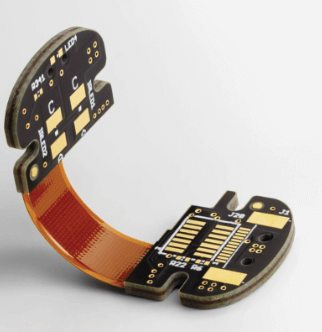
Looking forward, emerging trends such as flexible circuit boards offer promising avenues for innovation in product design and functionality, pushing boundaries beyond traditional applications. The ongoing pursuit of efficiency and effectiveness will undoubtedly shape future developments in pcb assembly, making it an exciting field to watch as it continues to evolve.
Craftsmanship in Circuit Board Production: From Design to Assembly
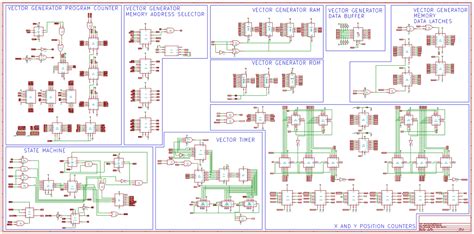
The journey of creating a pcb assembly is a meticulous process that combines both art and science. From the moment a designer conceptualizes an idea to the point where the final pcba emerges, craftsmanship plays an integral role. Initially, engineers use advanced software tools to create detailed designs that outline each component’s placement on the assembled circuit board. This phase is crucial, as any error can cascade into significant setbacks during assembly. Once designs are approved, the actual manufacturing begins, involving various techniques that ensure each circuit board meets strict quality standards.
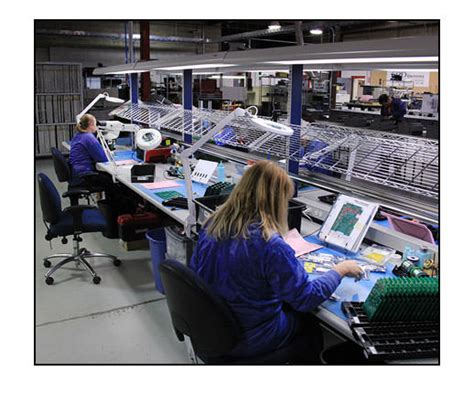
The assembly phase typically employs automated machinery alongside skilled technicians, striking a balance between precision and craftsmanship. These artisans are adept at interpreting intricate designs and troubleshooting issues that arise during pcb assembly. They not only handle the physical components but also oversee quality control to ensure that every pcba functions correctly before it becomes part of larger electronic systems.
Moreover, advancements in technology have transformed traditional practices into more efficient ones without compromising quality. Techniques such as surface-mount technology (SMT) and through-hole techniques have allowed for more compact designs and reliable connections within modern electronics. In this interplay of advanced technologies and skilled craftsmanship, each finished product is a testament to human ingenuity and technological evolution, perfectly aligned with future demands in electronics manufacturing.
The Impact of Assembled Circuit Boards on Modern Electronics
The advent of assembled circuit boards has revolutionized the landscape of modern electronics. At the heart of many electronic devices lies pcb assembly, a process that integrates various components onto a single substrate, allowing for compact designs that enhance functionality. This evolution has enabled manufacturers to create smaller, more efficient devices that serve an increasing number of applications in today’s technology-driven world. The precision inherent in pcba (Printed Circuit Board Assembly) ensures reliability and performance, which are critical in sectors ranging from consumer electronics to aerospace and medical devices. As technology progresses, the demand for sophisticated assembled circuit boards grows, necessitating continuous advancements in both the techniques used for assembly and the materials being employed. The efficient transitioning from prototypes to mass production not only accelerates innovation but also propels industries toward greater sustainability practices. In essence, the impact of assembled circuit boards is profound, positioning them as indispensable elements in fueling technological advancements that shape our everyday experiences. With future trends indicating a shift toward more integrated circuits and smart electronics, the significance of effective pcb assembly processes will only become more pronounced as they underscore the interconnectedness of modern electronic systems.
Challenges and Solutions in Circuit Board Manufacturing
The pcb assembly process faces numerous challenges that can impact both the efficiency and quality of the final product. One significant issue is the increasing complexity of electronic devices, which often require pcba components to be smaller and more densely packed. This miniaturization leads to difficulties in achieving precise alignment during assembly, which can result in malfunctioning circuits if not expertly managed. Moreover, the rapid pace of technological advancement necessitates a continuous adaptation of manufacturing processes. To address these complexities, manufacturers are turning to innovative techniques such as automation and advanced soldering methods that enhance precision while maintaining speed in production.
Another challenge in circuit board manufacturing is ensuring high-quality materials are used throughout the pcb assembly process. Subpar components can lead to reliability issues down the line, making it essential for manufacturers to establish stringent quality control protocols. Emphasizing material choice not only improves performance but also extends the lifespan of electronic devices.
Additionally, sustainability is becoming an increasingly pressing concern within the industry. As regulations tighten and consumer demand for eco-friendly practices rises, manufacturers are exploring solutions that reduce waste and improve recycling efforts associated with pcba. Implementing greener technologies and investing in sustainable materials can mitigate environmental impacts while positioning companies favorably in a competitive market.
In overcoming these challenges, collaboration between engineers, designers, and manufacturers is critical. Sharing knowledge about emerging technologies and innovative practices aids in refining processes that enhance efficiency while reducing costs. By staying attuned to market demands and advancing solutions tailored to address these obstacles, the circuit board manufacturing sector can continue its journey toward improved quality and performance, securing its place as a key player in modern electronics.
The Future of Assembled Circuit Boards: Trends and Predictions
The landscape of pcb assembly is on the brink of transformative change as technology advances and industries evolve. As we look to the future, several key trends are poised to shape the trajectory of pcba. First and foremost, the integration of automation and artificial intelligence in circuit board assembly processes is expected to enhance efficiency and precision. This shift not only reduces the likelihood of human error but also accelerates production timelines, meeting the demands of an increasingly fast-paced market.
Additionally, as electronics become more complex, the miniaturization of components will drive innovations in assembled circuit boards design. Engineers will continue to explore new materials that allow for lighter, more efficient boards without compromising functionality. The trend toward flexible circuits is also gaining momentum, enabling applications in wearable technology and medical devices.
Sustainability is another significant factor influencing the future of pcb assembly. Manufacturers are increasingly prioritizing eco-friendly materials and processes to reduce their environmental footprint. This includes adopting practices that minimize waste during production and recycling components at the end of their life cycle.
Moreover, with the advent of next-generation technologies such as 5G and IoT, there is a growing need for specialized pcba solutions that can accommodate higher frequencies and increased data throughput. This demand will spur further research into advanced engineering techniques.
In conclusion, as we forecast the future developments within assembled circuit boards, it becomes evident that a blend of technological innovation, environmental responsibility, and creative engineering will define this essential component’s role in advancing modern electronics.
Sustainability in Circuit Board Production: Greener Practices and Technologies
The production of assembled circuit boards (pcba) has undergone significant scrutiny in recent years due to its environmental impact. As the demand for electronics increases globally, so does the urgency to integrate sustainability into pcb assembly processes. Manufacturers are now adopting greener practices, focusing on the use of eco-friendly materials and energy-efficient technologies. For instance, various companies are exploring biodegradable substrates and low-impact soldering techniques that minimize harmful emissions. Additionally, the implementation of a circular economy model is being emphasized, where obsolete circuit boards are recycled and repurposed, reducing waste and resource depletion. The innovation in pcb assembly also includes the development of automated systems that optimize production efficiency while minimizing energy consumption. These advancements not only highlight the industry’s commitment to sustainability but also pave the way for future technologies that align with environmental responsibilities. As consumers increasingly prioritize eco-conscious products, the evolution of greener practices in pcba represents a critical shift towards more responsible electronics manufacturing.
Real-World Applications of Assembled Circuit Boards in Various Industries
Assembled circuit boards, commonly referred to as pcb assembly, play a vital role across a multitude of industries, driving advancements in technology and improving operational efficiencies. In the consumer electronics sector, pcba allows for the seamless integration of complex components within devices such as smartphones, laptops, and gaming consoles. The automotive industry has also embraced pcb assembly, utilizing it in various applications ranging from engine control units to advanced driver-assistance systems, enhancing safety and performance. Moreover, in the healthcare field, assembled circuit boards are crucial for medical devices—such as diagnostic equipment and monitoring systems—that require precision and reliability to ensure patient safety. The telecommunications sector relies heavily on these components for network infrastructure, capable of supporting high-speed data transmission and connectivity. Furthermore, the aerospace industry has made significant use of pcba for aircraft navigation and control systems, where failure is not an option. Overall, the versatility of assembled circuit boards highlights their indispensable presence in shaping innovations across diverse fields.
Conclusion
In reflecting upon the journey of assembled circuit boards, it becomes evident that their significance in today’s technological landscape cannot be overstated. PCB assembly, often referred to as PCBA, forms the backbone of modern electronics, enabling everything from everyday consumer devices to cutting-edge industrial equipment. The craftsmanship involved in the design and assembly of these boards combines meticulous attention to detail with advanced technology, allowing for a level of precision that was unimaginable just a few decades ago. As we navigate forward, it is critical to acknowledge the challenges faced by the circuit board manufacturing industry, including sustainability and evolving market demands. Nonetheless, innovative solutions and greener practices are emerging, promising a more efficient production process that is responsive to environmental concerns. The future of assembled circuit boards is bright, filled with advancements that will continue to foster innovation across various sectors. As we look ahead, it will be essential for industries to adapt and embrace these changes to capitalize on the myriad opportunities presented by this vital component of modern technology.
FAQs
What is PCB assembly?
PCB assembly, or pcba, refers to the process of connecting electrical components to a printed circuit board (PCB) to create a functional electronic device.
What are the common techniques used in PCBA?
Common techniques include surface-mount technology (SMT) and through-hole technology (THT). SMT allows for smaller components and denser arrangements, while THT is beneficial for larger components requiring physical support.
Why is craftsmanship important in circuit board production?
Craftsmanship ensures high-quality assembly and functionality. Skilled technicians can identify potential issues during pcb assembly, reducing defects and enhancing overall product performance.
What role do assembled circuit boards play in modern electronics?
Assembled circuit boards are crucial as they serve as the backbone of nearly all electronic devices, providing the infrastructure needed to connect various components and enabling complex functionalities.
What challenges does the circuit board manufacturing industry face?
Challenges include managing component shortages, maintaining quality amid increasing production demands, and addressing environmental sustainability concerns during pcb assembly processes.
How can emerging technologies impact the future of PCBA?
Emerging technologies such as automation, artificial intelligence, and advanced materials are expected to enhance efficiency and precision in pcb assembly, paving the way for innovative electronics design.
If you’re eager to learn more about pcb assembly, please click here: Andwin PCB Assembly