Unlocking Innovation: The Power of Custom Flex PCBs in Modern Electronics
Key Takeaways
In exploring the transformative qualities of custom flex PCBs, it is essential to recognize their pivotal role in redefining electronic design. These boards are not only lightweight but also provide unparalleled design flexibility that traditional rigid boards cannot offer. As you dive deeper into the advantages of custom flex circuits, you’ll see how they enable manufacturers to optimize space and performance in devices, which is vital for meeting ever-increasing consumer demands. The integration of flex printed circuit boards significantly enhances thermal management, allowing for efficient heat dissipation and improved reliability in high-performance applications.
Moreover, understanding the dynamics of pcb manufacturing processes reveals how various pcb manufacturing companies are adopting innovative techniques to lower the pcb manufacturing cost while maintaining high quality. This not only contributes to cost-effective solutions but also ensures that diverse applications—ranging from consumer electronics to industrial sensors—can benefit from state-of-the-art designs. The landscape of the pcb manufacturing business is evolving, driven by the need for more compact and efficient designs, highlighting just how crucial these technologies are in paving the way for future advancements in electronic devices.
Introduction to Custom Flex PCBs: Redefining Electronic Design
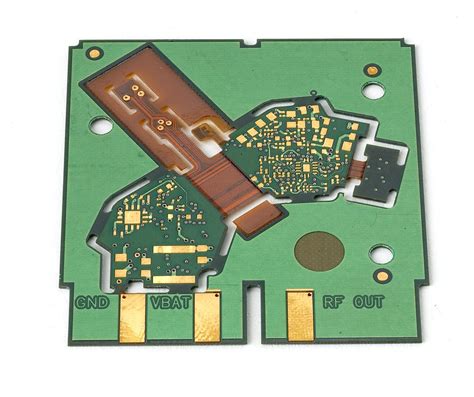
In today’s rapidly evolving electronics landscape, custom flex PCBs have emerged as a game-changer, significantly redefining the way electronic devices are designed and manufactured. These flexible printed circuit boards offer unparalleled design flexibility, enabling you to create intricate layouts that can easily conform to the specific contours of compact devices. This adaptability is a major advantage over traditional rigid circuit boards, particularly when striving for ultra-thin and lightweight products. By incorporating custom flex circuits into your designs, you can streamline the PCB manufacturing process and reduce the overall PCB manufacturing costs. Furthermore, working with established PCB manufacturing companies allows you to have greater control over product quality and innovation. These companies are instrumental in pushing the boundaries of what is possible in modern electronics, making it easier for you to integrate these advanced solutions into various applications—ranging from consumer electronics to more complex industrial sensors. As the demand for more efficient designs continues to grow, embracing custom flex PCBs becomes not just beneficial but essential for staying competitive in this fast-paced market.
Key Advantages of Custom Flex PCBs in Modern Devices
Custom flex PCBs are revolutionizing the landscape of modern electronics by offering several distinct advantages that traditional rigid boards cannot match. One of the key benefits you notice is design flexibility. These boards can be bent, twisted, and shaped into complex forms, which allows for innovative product designs that fit snugly into compact spaces. For instance, in a smartphone or wearable device, the ability to utilize non-traditional shapes without sacrificing functionality can drastically improve the overall user experience.
Moreover, custom flex circuits contribute positively to weight reduction, making devices lighter and easier to handle. This is particularly important in industries like aerospace and automotive design, where every gram counts towards overall efficiency and performance. In addition to these physical benefits, thermal management becomes more effective with custom flex PCBs because they can be strategically designed to dissipate heat efficiently across different components.
When considering pcb manufacturing, it’s essential to select reliable pcb manufacturing companies that specialize in these advanced technologies. They understand the nuances and intricacies involved in creating these custom solutions without inflating the pcb manufacturing cost unnecessarily. As you explore potential partners in your pcb manufacturing business, pay attention to their experience with diverse applications; this will ensure that they can cater to your specific needs effectively.
Here is a brief table highlighting some of these advantages:
| Advantage | Description |
|---|---|
| Design Flexibility | Allows for innovative shapes and layouts |
| Weight Reduction | Creates lighter devices for improved handling |
| Thermal Management | Efficient heat dissipation across components |
“Choosing the right custom flex PCB can unlock unprecedented innovation potential.”
Each of these aspects showcases how pivotal custom flex PCBs are in today’s electronics market, allowing you to stay ahead in an increasingly competitive landscape while addressing diverse consumer demands effectively.
Enhancing Design Flexibility with Custom Flex Circuits
When it comes to enhancing design flexibility in electronic devices, custom flex PCBs play a pivotal role. By integrating these flexible printed circuit boards, you allow the design process to break free from the constraints typically associated with traditional rigid PCBs. This adaptability means you can create compact and lightweight solutions that can conform to various shapes and sizes, which is particularly appealing in industries like consumer electronics and wearable devices. Furthermore, when you leverage the capabilities of custom flex circuits, you notably reduce pcb manufacturing costs by minimizing material waste and streamlining production processes. Many pcb manufacturing companies are now focusing on this technology due to its significant advantages over conventional methods. This shift not only caters to your specific design needs but also enables a faster response to market demands. As the competition in the pcb manufacturing business heats up, adopting custom flex PCBs is not just advantageous but essential for staying ahead—whether it’s for improving thermal management or efficiently integrating multiple functionalities into limited spaces. Ultimately, embracing this technology allows you to innovate without limits, setting your products apart in a rapidly evolving market landscape.
The Role of Custom Flex PCBs in Thermal Management
In the realm of modern electronics, custom flex PCBs play an essential role in managing heat, a critical aspect in ensuring the performance and reliability of devices. As you design compact electronic systems, you may find that integrating flexible printed circuit boards offers remarkable advantages for thermal management. These boards are designed with materials that enhance heat dissipation, allowing heat to be efficiently conducted away from sensitive components. This characteristic is particularly beneficial in high-density applications where space is limited, as traditional rigid boards may not effectively handle thermal buildup.
Moreover, most pcb manufacturing companies are gearing their processes to produce these advanced flex PCBs, which are inherently thinner and lighter than conventional options. This reduction in weight not only contributes to overall device performance but also enables innovative designs where heat must be managed without increasing volume or size. By strategically placing components on these flexible substrates, you can optimize airflow and thermal pathways within your products, effectively reducing the pcb manufacturing cost associated with additional cooling solutions.
When considering your next project, think about how integrating custom flex PCBs into your design can enhance thermal efficiency while opening up new possibilities for product development. With careful attention to how these PCBs can help mitigate overheating issues, you ensure that your devices remain reliable even under demanding conditions. This approach not only reinforces the longevity of your products but also bolsters your pcb manufacturing business by paving the way for innovative solutions that meet market demands effectively.
Applications of Custom Flex PCBs: From Consumer Electronics to Industrial Sensors
Custom flex PCBs offer remarkable versatility, making them ideal for a wide range of applications, from consumer electronics to industrial sensors. In the realm of consumer electronics, your devices, such as smartphones and wearables, benefit greatly from these flexible circuit boards. The lightweight and adaptable nature of custom flex PCBs allows for innovative designs that integrate seamlessly into compact devices. This flexibility enhances not only aesthetics but also functionality, enabling makers to create products that stand out in a competitive market.
In industrial settings, the importance of custom flex PCBs expands even further. They excel in rugged environments where traditional PCBs might fail. By integrating custom flex technology into your sensor systems, you achieve outstanding thermal management and increased durability, crucial for heavy machinery and automation applications. Furthermore, as you navigate various pcb manufacturing options, collaborating with reputable pcb manufacturing companies can streamline the process and reduce overall pcb manufacturing cost without compromising quality.
The adaptive nature of custom flex PCBs empowers your pcb manufacturing business to tailor solutions that meet specific client needs across diverse industries. This adaptability not only fosters innovation but also couples efficiency with reliability—an essential combination in today’s rapidly evolving technological landscape.
Overcoming Challenges in Custom Flex PCB Manufacturing
Manufacturing custom flex PCBs presents a unique set of challenges that can impact both the pcb manufacturing cost and the overall efficiency of production processes. One of the primary difficulties involves the materials used in flex circuit design. Ensuring compatibility between different substrates and adhesives is crucial, as the integrity of these components directly affects performance. Moreover, precision in design is paramount; even minor errors during production can lead to significant setbacks. To navigate these challenges, it is vital to choose reliable pcb manufacturing companies that possess advanced technology and expertise in handling intricate designs. Furthermore, implementing sophisticated quality control measures can help identify potential issues early on, which can ultimately reduce waste and lower pcb manufacturing costs. The evolving landscape of the pcb manufacturing business necessitates ongoing investment in research and development, enabling manufacturers to innovate while mitigating risks associated with complex projects. Collaborating with experienced partners is essential for overcoming these obstacles, ensuring that the final products meet stringent industry standards while delivering exceptional performance for diverse applications. By strategically addressing these challenges, you can harness the full potential of custom flex PCBs in your electronic designs.
Future Trends in Custom Flex PCB Technology
As the demand for increasingly compact and efficient devices continues to grow, the custom flex PCB technology is set to evolve remarkably. One significant trend is the integration of advanced materials that enhance the durability and flexibility of these PCBs, thereby catering to a broader range of applications. You will find that pcb manufacturing companies are investing in research to develop lighter and thinner materials that maintain structural integrity while improving performance. Additionally, the push for sustainability in electronics is leading to an increased focus on eco-friendly materials. This shift not only addresses environmental concerns but also influences pcb manufacturing costs, pushing companies toward innovative solutions that can reduce waste during production. The growth of Internet of Things (IoT) devices is also shaping future trends; as these devices require more intricate layouts within smaller form factors, the flexibility offered by custom flex PCBs positions them as a vital component in next-generation electronics. Furthermore, advancements in automation within pcb manufacturing business processes promise to enhance production efficiency and precision, which can significantly lower costs. As you look to the future, it becomes clear that custom flex PCBs will play an integral role in driving innovation and meeting the evolving needs of various industries while ensuring manufacturers remain competitive in a rapidly shifting marketplace.
Conclusion: The Impact of Custom Flex PCBs on Innovation and Market Growth
The integration of custom flex PCBs into electronic design signifies a pivotal moment for innovation and market expansion. These sophisticated components not only foster significant advancements in pcb manufacturing but also enhance performance and efficiency across various sectors. As you explore options from different pcb manufacturing companies, you’ll find that the pcb manufacturing cost of custom flex solutions often balances out against the substantial advantages they offer. They enable manufacturers to develop sleek, lightweight devices that meet consumer demands while remaining competitive in a rapidly evolving marketplace. Furthermore, by investing in the pcb manufacturing business, companies can leverage cutting-edge technology to solve unique challenges, driving both innovation and productivity. The ongoing development of custom flex PCBs is poised to transform how industries approach design and functionality, ensuring that they remain at the forefront of technological progress.
Conclusion: The Impact of Custom Flex PCBs on Innovation and Market Growth
In today’s rapidly evolving electronics landscape, custom flex PCBs play a pivotal role in shaping the future of technological innovation. By incorporating custom flex printed circuit boards, you are enhancing design flexibility, which is becoming increasingly crucial as devices shrink in size while demanding greater functionality. The lightweight nature of flex PCBs significantly contributes to the reduction of overall product weight, making them ideal for a range of applications from sleek consumer gadgets to sophisticated industrial sensors. Moreover, the role of custom flex PCBs in thermal management cannot be overstated; they effectively dissipate heat, thus ensuring the reliability and performance of devices under various operating conditions.
As you delve into pcb manufacturing, one crucial aspect to consider is how these flexible solutions can influence your projects. The integration of flex PCBs can alter your approach to product design and functionality, allowing for innovative solutions that were previously thought impossible. For those in the field, understanding the landscape of pcb manufacturing companies is essential; these organizations are continually adapting their processes and offerings to meet your evolving needs. With fluctuating pcb manufacturing costs, it’s vital to find a balance between quality and budget that aligns with your project’s requirements. Engaging with an adept pcb manufacturing business ensures not only cost-efficiency but also access to cutting-edge technologies that can propel your products ahead in a competitive market.
In summary, embracing the capabilities offered by custom flex technology not only fosters innovation but also opens avenues for enhanced product performance and market responsiveness. As you navigate this complex field, remain attentive to how these advancements impact both your immediate projects and broader market trends.
FAQs
When considering custom flex PCBs, you may have questions regarding pcb manufacturing and the selection process. Knowing which pcb manufacturing companies to partner with is crucial for ensuring quality and reliability in your projects. The pcb manufacturing cost can vary significantly based on complexity, materials, and production volume; therefore, it’s essential to clarify your needs upfront to obtain accurate estimates. As you explore the world of pcb manufacturing, keep in mind that choosing a company with extensive experience can positively impact not just the production timeline but also the overall performance of your custom solutions. Are you venturing into pcb manufacturing business? Ensure you understand all these factors thoroughly to make informed decisions that align with your innovation goals.