Unlocking Innovation: The Power of Custom PCB Assembly
Key Takeaways
The landscape of modern technology is constantly evolving, and custom PCB assembly plays a pivotal role in this transformation. Understanding how PCB assembly works is essential for organizations looking to innovate and enhance their product offerings. With pcba solutions, companies gain the advantage of exceptional design flexibility, allowing them to adapt quickly to market demands and incorporate cutting-edge features into their products. Moreover, the ability to optimize performance through tailored designs ensures that the final output meets specific operational requirements efficiently. By embracing custom PCB assembly, firms can also explore various cost reduction strategies, minimizing waste and enhancing overall productivity. This holistic approach not only fosters innovation but also enables industries to stay competitive in a rapidly shifting technological landscape. Ultimately, custom PCB assembly acts as a bridge that connects imaginative concepts with practical applications, paving the way for groundbreaking advancements across multiple sectors.
Understanding Custom PCB Assembly: A Game Changer in Modern Technology
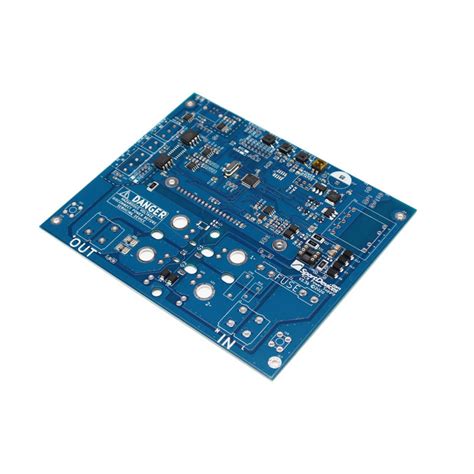
In today’s fast-paced technological landscape, custom PCB assembly (PCBA) stands as a critical element in driving innovation. The ability to create tailored PCBs allows engineers and designers to push the boundaries of what is possible in electronic device fabrication. Customized pcb assembly facilitates a level of design flexibility that is essential for developing unique and highly functional products. Through this process, companies can optimize performance by selecting specific components that fit their precise needs, rather than being constrained by off-the-shelf solutions.
Moreover, adopting custom PCB assembly practices can lead to significant cost savings. By streamlining the assembly process and reducing excess material waste, businesses can enhance their bottom line while still maintaining high-quality standards. “Finding the right balance between quality and cost is paramount,” suggests an industry expert. This versatility not only accelerates design cycles but also fosters collaboration among teams focused on innovation.
As industries strive to remain competitive, the integration of tailored PCBA solutions represents a transformative approach in modern technology and product development. With its potential to reshape how devices are conceived and executed, it’s clear that custom pcb assembly will continue to be a pivotal player in driving technological advancements across various sectors.
The Benefits of Custom PCB Assembly: Design Flexibility and Performance Optimization
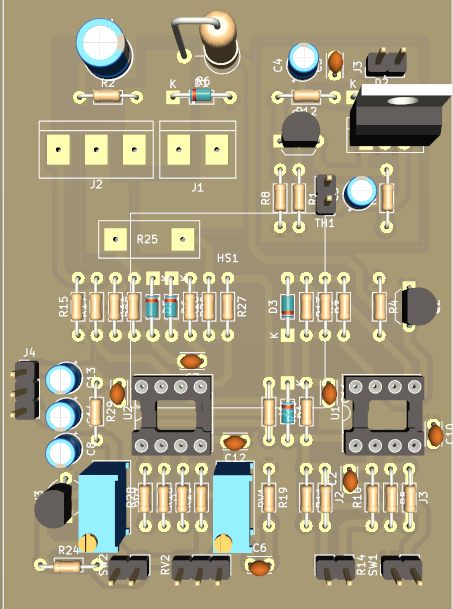
In today’s fast-paced technological landscape, custom PCB assembly has emerged as a cornerstone for innovation, providing unparalleled opportunities for design flexibility and performance optimization. By utilizing custom PCBA solutions, companies can tailor their circuit boards to meet specific requirements, enabling them to pioneer products that stand out in a crowded market. The design flexibility afforded by custom assemblies allows engineers to experiment with different layouts, materials, and component combinations, ultimately leading to more compact and efficient designs. This adaptability not only enhances the overall functionality of the products but also improves their integration into various applications across industries. Additionally, optimized pcb assembly processes contribute significantly to performance enhancements by ensuring that every component is correctly placed and soldered, minimizing potential errors or malfunctions. As a result, organizations can achieve higher reliability in their products while reducing time-to-market. The transformative impact of custom PCB assembly is evident as it equips businesses with the tools necessary to meet evolving consumer demands while driving down costs through enhanced efficiency in manufacturing processes.
Cost Reduction Strategies Through Custom PCB Assembly
In today’s competitive market, custom PCB assembly (PCBA) has emerged as a crucial strategy for organizations aiming to reduce costs while enhancing product reliability and performance. One significant approach involves leveraging design optimization—by creating PCBs tailored specifically to meet the unique requirements of a product, companies can eliminate unnecessary components and streamline the manufacturing process. This level of customization not only minimizes material waste but also allows for simpler assembly techniques, leading to decreased labor costs.
Moreover, by utilizing advanced manufacturing technologies such as surface mount technology (SMT) and automated assembly processes, businesses can achieve higher production efficiency. The shift from traditional methods to automated PCB assembly reduces cycle times considerably, translating into lower operational expenses. Additionally, effective supply chain management plays a vital role in cost reduction; partnering with reliable suppliers for components can yield lower prices and ensure timely delivery of materials necessary for PCBA.
Finally, implementing rigorous testing protocols in the assembly phase can save substantial costs in the long run. By identifying potential failures early in the development cycle through thorough testing, companies prevent costly reworks or recalls that could result from defective PCBs. Therefore, engaging in custom PCB assembly, businesses not only optimize their budgets but also safeguard their reputation in the marketplace by consistently delivering high-quality products.
Case Studies: How Industries Innovate with Tailored PCB Solutions
Across various sectors, the adoption of custom PCB assembly (PCBA) has proven to be a catalyst for innovation. For instance, in the automotive industry, manufacturers utilize tailored PCB solutions to integrate advanced technologies such as driver assistance systems and electric vehicle components. These custom assemblies enhance both efficiency and functionality, thus ensuring vehicles are more reliable and performance-oriented. In the realm of medical devices, companies leverage PCBA to create compact, high-performance electronics that can be seamlessly integrated into wearable technologies, improving patient monitoring and care. Similarly, in the consumer electronics market, firms are harnessing bespoke PCB assembly methods to develop smarter and more agile devices that stand out in a competitive landscape. The ability to design unique layouts and optimize component placement not only elevates product capabilities but also streamlines manufacturing processes. By examining these case studies, it becomes evident that custom PCB assembly not only meets specific project requirements but also propels industries toward groundbreaking advancements, demonstrating its vital role in fostering innovation across the board.
The Future of Custom PCB Assembly: Trends and Predictions
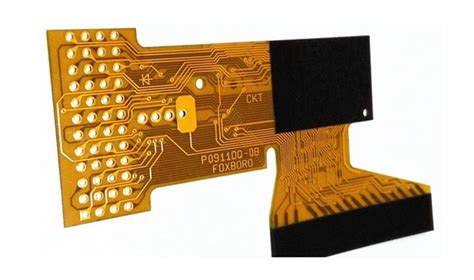
As technology continues to evolve rapidly, the landscape of custom PCB assembly (PCBA) is set for transformative changes. One of the most prominent trends is the integration of advanced materials, which will usher in lighter, more efficient designs. Manufacturers are likely to adopt flexible PCB assemblies that cater to various applications, from consumer electronics to automotive sectors. With the rise of the Internet of Things (IoT), PCBA will increasingly prioritize miniaturization while enhancing functionality.
Moreover, automation in PCB assembly processes is predicted to improve production efficiency and quality control. This shift will significantly reduce human error and optimize performance through more precise manufacturing methods. The implementation of machine learning algorithms in design will also enable more innovative and complex geometry in circuit layouts, paving the way for unprecedented customization.
The growing emphasis on sustainability is another trend influencing the future of custom PCBA. Companies are focusing on eco-friendly materials and methods, which not only meet regulatory standards but also cater to an increasingly environmentally conscious consumer base. As demand for energy-efficient products rises, PCBA processes that reduce waste and energy consumption will become paramount.
In summary, we can expect continued innovation in custom PCB assembly, driven by a confluence of advanced materials, automation technologies, and sustainable practices, all while aiming for greater design flexibility and performance optimization throughout various industries.
| Trend | Description |
|---|---|
| Advanced Materials | Development of lighter and more efficient materials for PCBAs |
| Flexible Assemblies | Increased use in diverse applications like wearables and automotive |
| Automation | Enhanced efficiency and accuracy through automated production processes |
| Machine Learning | Innovative designs supported by intelligent algorithms in circuit layouts |
| Sustainability | Use of eco-friendly materials and energy-efficient production methods |
With these trends shaping the future landscape, businesses looking to innovate must stay abreast of these developments in custom PCB assembly to maintain a competitive edge.
Overcoming Challenges in Custom PCB Design and Assembly
Custom PCB assembly (PCBA) represents a critical component of modern electronics, yet it is not without its challenges. As the demand for more sophisticated and compact devices rises, the complexities involved in custom PCB design and subsequent assembly can become significant hurdles. One of the primary challenges is ensuring that the design effectively meets functional requirements while adhering to tight space limitations. This often necessitates advanced design techniques and tools to achieve optimal layouts that maximize performance without compromising reliability.
Furthermore, managing component selection is crucial; as technology evolves, so too does the array of available components. Integrating newer technologies into existing designs often leads to issues such as compatibility or increased production costs. Additionally, maintaining high standards of quality during the assembly process demands close attention to detail and rigorous testing protocols, which can complicate timelines and budgets.
Moreover, collaboration between design engineers and assembly partners is vital for success in custom PCB projects. Inadequate communication can lead to misunderstandings about specifications or priorities, further complicating the process. By addressing these challenges through effective strategies—such as early involvement of assembly partners in the design phase—companies can streamline their custom PCB assembly processes. This approach not only enhances efficiency but also reinforces innovation across industries relying on tailored PCB solutions.
Choosing the Right Partner for Your Custom PCB Assembly Needs
Selecting the right partner for your custom PCB assembly (PCBA) needs is a critical decision that can significantly impact your project’s success. A reliable pcb assembly provider should have a track record of delivering high-quality products while maintaining design flexibility that aligns with your project’s specific requirements. When assessing potential partners, consider their experience in handling various industries and their ability to optimize performance through tailored solutions. It’s also important to evaluate their production capabilities, technology integration, and capacity for scalability, as these factors can influence not only the quality of the pcba but also the overall project timeline and costs. Moreover, strong communication and support throughout the development process will enable you to collaborate effectively, ensuring that your vision is brought to life accurately. Review case studies or testimonials from previous clients to gain insight into their competence and reliability. Ultimately, choosing a partner that demonstrates a commitment to innovation and quality in pcb assembly will play a pivotal role in driving success in your custom projects.
Conclusion
In summary, the realm of pcb assembly is pivotal in driving innovation across various industries. By embracing the capabilities of custom PCB assembly, companies are able to achieve unparalleled design flexibility, enabling tailored solutions that align with specific requirements. This flexibility not only enhances the overall performance of products but also fosters a more efficient development process. Such optimizations lead to significant cost reductions, making advanced technology more accessible. As organizations increasingly adopt pcba practices, they unlock a myriad of possibilities for innovation, positioning themselves at the forefront of technological advancement. The transformative potential of custom solutions in modern pcb assembly will undoubtedly shape the future landscape of product development and drive competitive advantage across sectors.
FAQs
What is custom PCB assembly?
Custom PCB assembly, often referred to as PCBA, is the process of fabricating and assembling printed circuit boards tailored to meet specific requirements of a project. This allows for greater adaptability and innovation in product design.
How does custom PCB assembly enhance design flexibility?
By using custom PCB assembly, designers can create circuits that meet unique specifications rather than conforming to standard designs. This adaptability leads to the creation of more innovative solutions across various industries.
Can custom PCB assembly reduce costs?
Yes, PCBA can significantly reduce costs through optimized production processes. By eliminating unnecessary components and enhancing efficiency, companies can lower manufacturing expenses while maintaining high-quality standards.
What industries benefit from custom PCB assembly?
Various industries, including automotive, healthcare, consumer electronics, and telecommunications, benefit immensely from custom PCB assembly, leveraging its potential for tailored solutions that meet specific operational needs.
How do I choose the right partner for my custom PCB assembly needs?
Selecting the right partner should involve evaluating their expertise in pcb assembly, capabilities in handling specific requirements, customer support quality, and their ability to meet deadlines while sustaining high-quality output.