Unlocking Innovation: Your Ultimate Guide to Custom PCB Board Manufacturing
Key Takeaways
Understanding the landscape of custom PCB board manufacturing is crucial for anyone in the electronics industry. The pcb manufacturing process not only requires technical expertise but also entails making informed decisions regarding partnerships with reliable pcb manufacturing companies. When diving into the specifics, consider the impact of various factors on the overall pcb manufacturing cost, as this can affect your budget and project timelines. Moreover, determining which pcb manufacturing business aligns best with your project requirements plays a pivotal role in achieving high-quality and tailored designs. In this journey, leveraging insights about materials, technologies, and emerging trends will serve as a significant advantage, enabling you to create innovative and efficient electronic solutions that meet market demands effectively. By prioritizing these key elements in your PCB production strategy, you set a strong foundation for enhancing your product designs while ensuring performance reliability and cost-effectiveness.
Introduction to Custom PCB Board Manufacturing
In today’s fast-paced technological landscape, understanding custom PCB board manufacturing is essential for engineers and designers aiming to innovate in electronics. The pcb manufacturing process plays a critical role in determining the performance and reliability of your electronic products. As you venture into this exciting field, you must consider the variety of pcb manufacturing companies available and their unique capabilities. Selecting the right manufacturer can significantly impact your project’s success, affecting not only the quality of your PCBs but also the overall pcb manufacturing cost.
When exploring options within the pcb manufacturing business, you’ll encounter numerous materials and technologies that can influence your design outcomes. Do extensive research to ensure that you choose a manufacturer who understands and can deliver on your specific requirements. By leveraging rapid prototyping, for instance, you can streamline your design process, make informed adjustments, and ultimately save on costs.
“A well-informed choice will save you both time and money in the long run.”
Being aware of industry trends is also vital in making informed decisions regarding your PCB projects. The landscape of custom PCB board manufacturing is continuously evolving with advancements in technology and material science. Adopting innovative methods will allow you to stay competitive while producing high-quality PCBs tailored precisely to your needs. For more insights into this dynamic field, consider visiting Andwin PCB. This resource will help deepen your understanding as you embark on designing robust electronic applications that require meticulous attention to detail in pcb manufacturing processes.
The Importance of Selecting the Right Manufacturer
When embarking on your journey in custom PCB manufacturing, the selection of an appropriate manufacturer plays a pivotal role in your project’s success. The landscape of PCB manufacturing companies is diverse, with varying levels of expertise, technology, and quality standards. This decision cannot be overstated, as the right manufacturer will not only influence the PCB manufacturing cost but also impact lead times and the overall reliability of your final product.
You should begin by assessing potential manufacturers’ experience in your specific industry. Have they successfully delivered projects similar to yours? A manufacturer well-versed in your sector will likely understand your unique needs better and provide tailored solutions. Moreover, inquire about their capabilities in rapid prototyping—this can significantly expedite your development process and reduce time to market.
It’s also crucial to consider their quality assurance measures. Look for manufacturers who strictly adhere to industry standards, as this can safeguard against defects that may compromise performance. In addition, initiate discussions regarding materials; a proficient manufacturer should offer a range of options suitable for diverse applications while advising on material properties that best fit your project requirements.
Once you’ve narrowed down potential candidates, make a comparative analysis using criteria such as cost-efficiency, production capabilities, lead times, and post-production support. Here’s an example table you might find useful:
| Criteria | Manufacturer A | Manufacturer B | Manufacturer C |
|---|---|---|---|
| Industry Experience | 5 years | 10 years | 7 years |
| Rapid Prototyping Offered | Yes | No | Yes |
| Quality Assurance | ISO Certified | Not Certified | ISO Certified |
| Material Options | FR-4, Rogers | FR-4 | AL-DOTEK |
| Average Turnaround Time | 2 weeks | 3 weeks | 2 weeks |
By carefully navigating this selection process with an understanding of both pcb manufacturing business principles and market nuances, you can position yourself for innovation and success in your electronics design endeavors.
Rapid Prototyping: Streamlining Your Design Process
In today’s fast-paced technology landscape, rapid prototyping has become an essential element in the pcb manufacturing workflow. You can significantly enhance your design and production timelines by utilizing these techniques. This process allows you to create custom PCB boards quickly, enabling you to test and iterate on your designs with ease. Partnering with reliable pcb manufacturing companies ensures that you have access to the latest technologies and materials, which can help you bring your concepts to life without incurring excessive pcb manufacturing costs.
When engaging in rapid prototyping, consider aspects such as design complexity and material selection, as these will influence the overall performance and reliability of your prototypes. Different pcb manufacturing business models offer unique advantages; some may specialize in quick turnaround times while others might provide high-quality craftsmanship. By choosing the right partner for your needs, you can streamline your development process and reduce time-to-market for your electronic solutions. Ultimately, effective rapid prototyping not only refines your product but also aligns closely with your end goals, allowing for innovation without compromising quality.
Materials and Technologies in PCB Production
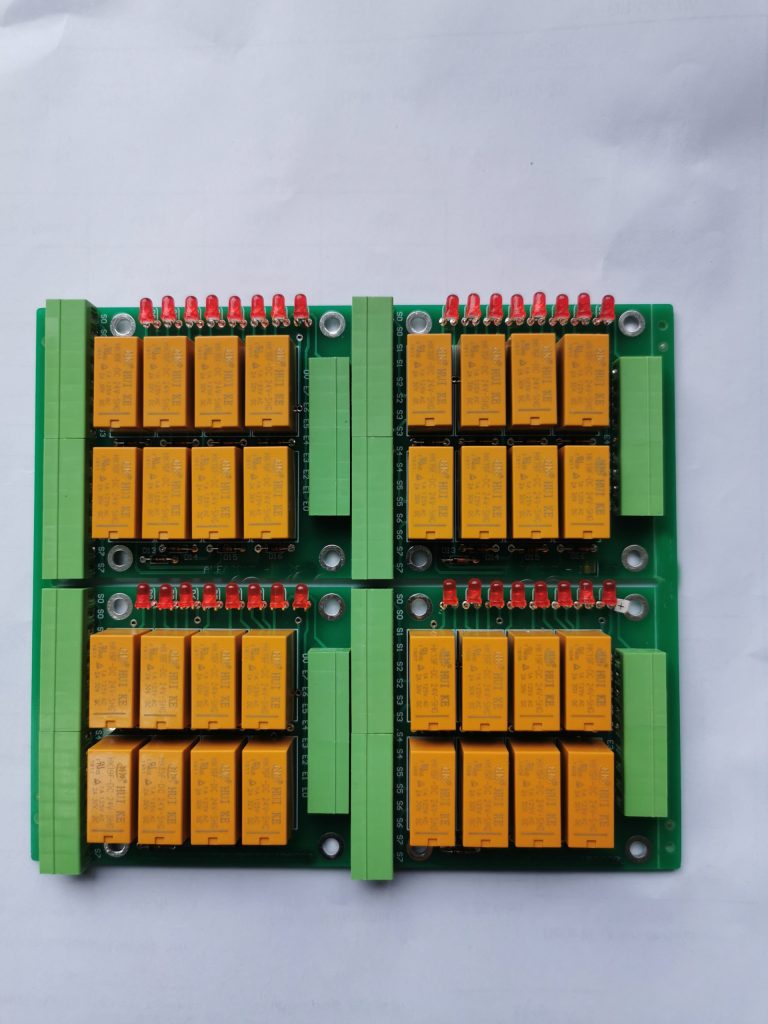
When diving into the realm of custom PCB board manufacturing, one of the most critical aspects to consider is the variety of materials and technologies that underpin the production process. The choice of materials plays a pivotal role in determining the quality, reliability, and performance of the finished product. Common materials such as FR-4, a glass-reinforced epoxy laminate, are widely used due to their excellent mechanical properties and insulating capabilities. However, for more specialized applications, you might explore flexible PCBs, which utilize materials like polyimide for adaptable designs that can bend and twist without compromising performance.
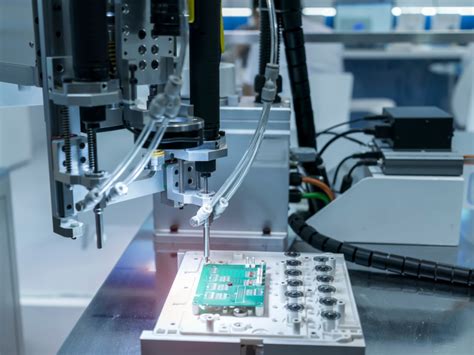
Equally important is understanding the technologies employed by PCB manufacturing companies. Advanced techniques such as surface mount technology (SMT), through-hole technology, and multilayer fabrication are foundational for creating complex board designs that meet modern electronic demands. These methods not only enhance functionality but also optimize space on your board, making them crucial for compact electronic devices.
Additionally, it’s essential to acknowledge how these choices impact your PCB manufacturing cost. As you assess various options, consider how specific materials and technologies may influence your overall budget. For instance, opting for high-frequency materials or multilayer boards could drive costs higher compared to simpler designs. Therefore, striking a balance between necessary specifications and cost-effectiveness is vital for a successful PCB manufacturing business.
In summary, delving into the nature of materials and technologies used in PCB production equips you with insights critical for informed decision-making as you navigate your custom PCB projects. Prioritizing high-quality materials alongside advanced manufacturing techniques ensures that your end products not only meet industry standards but also serve your specific functional needs effectively.
Cost-Effective Solutions for Custom PCB Projects
Finding cost-effective solutions in pcb manufacturing can greatly enhance your project outcomes without compromising quality. As you explore options, consider leveraging pcb manufacturing companies that offer advanced technologies and efficient processes. By comparing quotes, you can gain an understanding of the pcb manufacturing cost, enabling you to budget more effectively while still achieving high-quality results. One strategy for reducing expenses is to take advantage of bulk orders; many suppliers offer discounts for larger quantities, which can significantly lower the per-unit cost. Additionally, researching materials that do not sacrifice performance yet are more affordable can help in optimizing your project’s financial viability. Embracing modern design and production methods will further allow you to minimize waste and maximize efficiency in your pcb manufacturing business. Ultimately, staying informed about the latest trends in materials and fabrication techniques will support your efforts to innovate while maintaining cost-effectiveness in your custom PCB projects.
Navigating Industry Trends in PCB Manufacturing
In the rapidly evolving field of PCB manufacturing, staying informed about the latest trends is essential for making educated decisions in your electronic design projects. One significant trend is the increasing demand for high-frequency PCBs, driven by advancements in telecommunications and consumer electronics. This necessitates working with PCB manufacturing companies that specialize in innovative materials and processes to accommodate the unique requirements of high-speed signals. Additionally, sustainability has become a vital focus; companies are adopting greener practices and eco-friendly materials, reflecting consumer demand for environmentally responsible products. Another notable trend is the rise of automated PCB manufacturing, which enhances efficiency and reduces PCB manufacturing costs while maintaining precision. Embracing these trends can give you a competitive edge in the PCB manufacturing business, allowing you to create cutting-edge products that meet market expectations while keeping production timelines and budgets in check. Staying ahead of these trends will ultimately help ensure that your custom PCBs meet the ever-changing demands of the electronics industry.
Expert Tips for Designing High-Quality Custom PCBs
When it comes to PCB manufacturing, ensuring high-quality designs is paramount for the success of your electronics project. Here are some expert tips to guide you through the process. First, always begin with a clear understanding of your project requirements; this includes defining the PCB manufacturing cost and the functionalities necessary for your application. Collaborate closely with trusted PCB manufacturing companies to leverage their insights, as they can provide valuable recommendations on materials and design specifications that affect performance and reliability.
Utilizing advanced design tools is crucial in optimizing layouts while minimizing complexity. Simplifying your design not only aids in reducing errors but also significantly lowers the overall PCB manufacturing costs. Another key consideration is the selection of components; ensure that they are readily available and compatible with current manufacturing processes to avoid delays. It’s also wise to conduct thorough testing and validations early in your design phase, which can save time and resources in revisions later on.
As you navigate through your PCB manufacturing business, considering future scalability and potential upgrades can provide your designs with longevity. Integrating modular elements allows you to adapt designs easily as technology evolves without the need for complete redesigns—this approach can reduce costs associated with new projects down the line. Ultimately, marrying innovative design with practical manufacturing insights will result in high-quality custom PCBs that meet the demands of an ever-changing market.
Best Practices for Ensuring Reliability and Performance
When venturing into pcb manufacturing, ensuring reliability and performance is paramount for the success of your projects. First, consider collaborating with reputable pcb manufacturing companies that prioritize quality assurance throughout the production process. Selecting a manufacturer with a proven track record will not only enhance your product’s longevity but also minimize potential issues, thereby reducing the overall pcb manufacturing cost. Utilizing advanced materials and technologies is another crucial aspect; explore options such as high-frequency laminates or polyimide substrates that can significantly improve thermal performance and signal integrity. Moreover, conducting thorough testing during both the design and production phases can catch potential defects early on, ensuring that your custom PCBs meet stringent performance criteria. Regular communication with your manufacturer can also contribute to the overall success of your pcb manufacturing business, allowing you to address any challenges swiftly and effectively while promoting an agile development process. Adopting these best practices will empower you to produce high-quality, reliable custom PCBs tailored to your specific needs, ultimately leading to innovative solutions in electronics.
Conclusion
In summary, the journey through custom PCB board manufacturing is both intricate and rewarding, leading to innovative solutions in electronics. By understanding the nuances of pcb manufacturing, you can make informed decisions that significantly impact project outcomes. Selecting the right pcb manufacturing companies is crucial, as their expertise influences not only the quality of your boards but also your overall project timeline and costs. Knowledge of pcb manufacturing costs can also help you strategize your budget more effectively, allowing you to allocate resources wisely while ensuring high-quality production. As the pcb manufacturing business continues to evolve, staying attuned to best practices and industry advancements will empower you to remain competitive. Ultimately, equipping yourself with insights from this guide will enable you to effectively harness innovation in your projects, ensuring that your custom PCBs are both reliable and tailored to meet specific demands.
FAQs
When you’re diving into the world of custom PCB board manufacturing, you may have a multitude of questions. Understanding the PCB manufacturing cost is critical, as it impacts your overall project budget. It’s essential to request quotes from various PCB manufacturing companies to find a solution that aligns with your financial parameters while ensuring quality. Many companies offer transparent pricing models, which can guide you in making informed decisions.
You might wonder about the timeline for the PCB manufacturing business process. Typically, factors such as design complexity, material selection, and prototyping speed influence how quickly you can receive your custom boards. Engaging in discussion with your chosen manufacturer about their lead times can provide clarity.
Another important factor is the choice of materials and technologies involved in PCB production. Different materials can alter performance characteristics significantly, so learning about these options will help you develop a design that meets your specific requirements. Ultimately, having a grasp on these considerations ensures that you select a manufacturer capable of delivering high-quality and reliable solutions tailored to your unique needs.
For more detailed information on PCB manufacturing practices and options available to you, please visit this link.