Unlocking Potential: The Power of Advanced Circuit Boards
Key Takeaways
Understanding the key features and benefits of advanced circuit boards is crucial for anyone involved in the pcb manufacturing industry. These boards not only provide improved reliability and performance but also offer significant design flexibility, which is a vital aspect for pcb manufacturing companies working on innovative technology projects. The customization capabilities inherent in advanced circuit board designs allow for better adaptability to specific applications, catering to the unique needs of different industries. When evaluating pcb manufacturing cost, it’s essential to consider how investing in cutting-edge technology can reduce overall expenses by minimizing failures and enhancing product life cycles. As you dive into the realm of the pcb manufacturing business, remember that embracing these advancements can unlock numerous opportunities, drive efficiency, and elevate your competitive edge in the ever-evolving electronics landscape.
Defining Advanced Circuit Boards: Key Features and Benefits
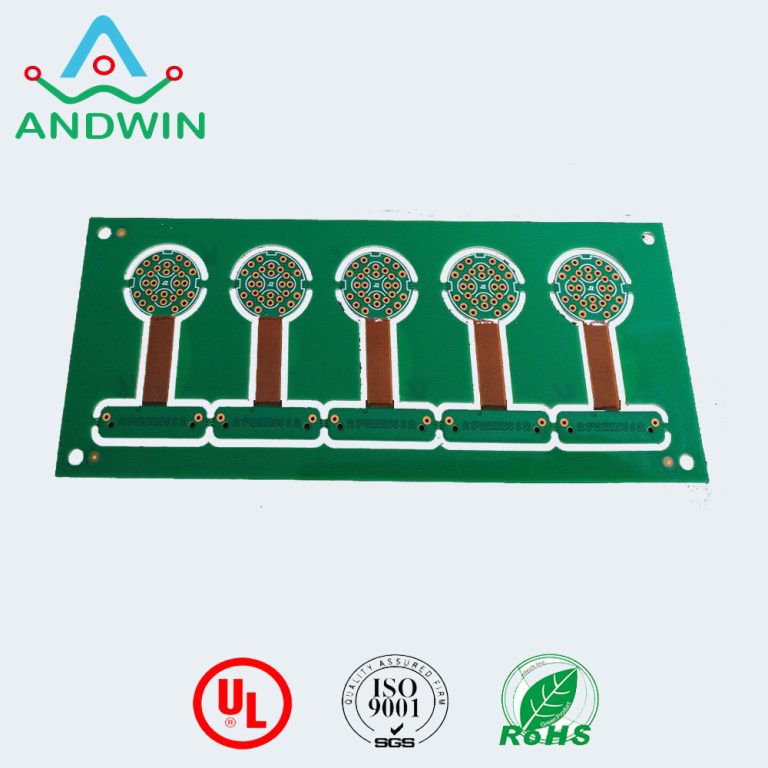
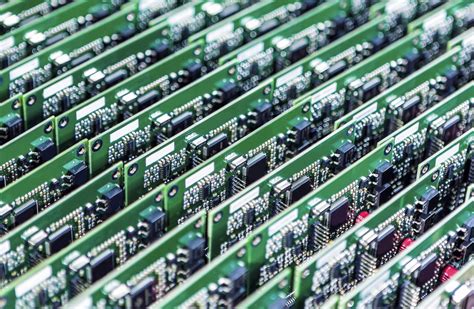
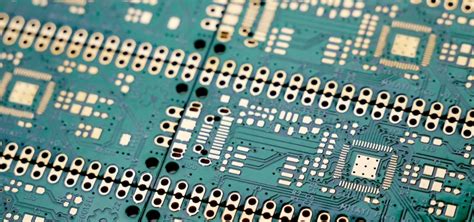
Advanced circuit boards, often referred to as PCBs, are pivotal in today’s technology landscape. Unlike traditional circuit boards, these advanced iterations offer higher density, enhanced performance, and greater reliability. One of the standout features of advanced PCB manufacturing is the ability to incorporate multiple layers and various materials, which allows for more sophisticated designs capable of handling complex electronic tasks.
Moreover, the cost associated with PCB manufacturing is worth noting; while initial expenses may be higher due to advanced materials and processes, the long-term benefits often outweigh these costs. You can benefit from contacting reputable PCB manufacturing companies that specialize in high-quality production, potentially saving money on repairs and replacements due to their superior reliability.
One significant advantage of advanced circuit boards is their flexibility in design; you can customize your PCBs to meet specific needs without compromising functionality. This aspect is essential for various applications across different industries, from telecommunications to medical devices. The ability to tailor designs also directly impacts your PCB manufacturing business, enabling you to resonate more effectively with market demands.
| Key Features | Benefits |
|---|---|
| Multi-layer Construction | Increased functionality and component density |
| Custom Design Options | Tailored solutions for specific applications |
| Enhanced Materials | Improved lifespan and reliability |
As you explore the realm of advanced circuit boards, understanding these key features and benefits can help you make informed decisions regarding your electronic projects. This knowledge not only shapes your approach but also enhances your engagement with the evolving world of technology.
The Role of Advanced Circuit Boards in Modern Electronics
In today’s rapidly evolving technological landscape, advanced circuit boards play a pivotal role in enhancing the performance and reliability of electronic devices. These boards are not just simpler connections; they incorporate sophisticated designs and materials that significantly reduce signal loss and improve overall efficiency. When you consider the pcb manufacturing process, it becomes evident how these complexities translate into tangible benefits, making them essential for achieving high-performance capabilities in a variety of applications. Effective pcb manufacturing companies invest resources into adopting cutting-edge techniques that allow for the integration of multifunctional components within a compact space. This evolution leads to a discernible reduction in pcb manufacturing costs, as innovative methods streamline production while enhancing precision and reliability. More importantly, understanding the foundations of advanced circuit board technology equips you with insights into selecting suitable solutions for your pcb manufacturing business, ensuring you stay responsive to market demands and technological advancements. As industries increasingly rely on these high-tech solutions, the role of advanced circuit boards becomes more profound, opening new avenues for innovation and growth across various sectors.
Comparative Analysis: Standard vs. Advanced Circuit Boards
When examining the differences between standard and advanced circuit boards, it’s essential to consider several factors that highlight the superiority of advanced options. Standard circuit boards typically rely on established manufacturing processes, which may limit design flexibility and performance capabilities. In contrast, advanced circuit boards leverage cutting-edge technologies in pcb manufacturing, allowing for more intricate designs, greater component density, and improved thermal management.
You might wonder about the impact of these advancements on pcb manufacturing companies. The shift toward more complex designs necessitates skilled labor and more sophisticated machinery, which can increase the overall pcb manufacturing cost. However, this investment often pays off in terms of enhanced performance and reliability. Advanced boards can support higher data rates and more functionalities within a smaller footprint, making them invaluable in applications like telecommunications and high-speed computing.
Moreover, the transition to an advanced design improves durability against environmental factors such as temperature fluctuations and electromagnetic interference. For businesses involved in the pcb manufacturing business, adopting advanced techniques can lead to a competitive edge. By producing higher-quality products that meet rigorous industry standards, you position your company as a leader in innovation within the electronics sector.
In summary, while both standard and advanced circuits have their place in electronics design, advanced circuit boards clearly demonstrate how innovation can elevate performance and redefine possibilities for various industries. Through thoughtful investment in technologies that enhance manufacturing processes, you can drive forward not just your business but also technological advancement as a whole.
Applications Across Industries: Where Advanced Circuit Boards Shine
Advanced circuit boards, or PCBs, are transforming multiple sectors with their unique characteristics and benefits. In the electronics landscape, pcb manufacturing has evolved to meet the increasing demand for compact, efficient devices. Industries such as telecommunications, automotive, and medical technology are now leveraging these advancements for improved performance and reliability. For instance, in the automotive sector, advanced PCBs enable innovations like advanced driver-assistance systems (ADAS) that enhance safety features in vehicles.
Moreover, pcb manufacturing companies are adapting their processes to accommodate custom designs that meet specific application requirements. With the ability to create circuits with intricate designs at reduced costs, the pcb manufacturing business is positioned to thrive. Understanding the factors influencing pcb manufacturing costs, such as material choices and production methods, is essential for companies looking to optimize budgets while maintaining high-quality outputs.
“Adapting to market needs is vital in a rapidly evolving technological landscape.”
The design flexibility offered by advanced PCBs allows you to innovate without considerable limitations, encouraging breakthroughs across industries. As you explore potential applications of these superior technologies in your projects or systems, consider how they can not only fulfill immediate needs but also pave the way for future advancements.
Design Flexibility: Customization in Advanced PCB Manufacturing
When you think about advanced circuit boards, one of the standout benefits is their impressive design flexibility. This flexibility allows you to create customized solutions that meet specific needs, making them ideal for a variety of applications. In the world of pcb manufacturing, the ability to tailor designs enables engineers and designers to innovate without constraints. Most traditional boards lack the capacity for such customization, but advanced options present various shapes, sizes, and functionalities tailored to unique specifications.
PCB manufacturing companies recognize that their clients often have particular requirements that standard boards simply cannot fulfill. By utilizing cutting-edge techniques in pcb manufacturing, such as multi-layer designs or hybrid configurations, you can push the boundaries of what is possible in electronic devices. This adaptability can significantly affect the overall pcb manufacturing cost, offering cost-effective solutions without compromising on performance or durability.
Moreover, engaging in a robust pcb manufacturing business means you have access to various materials and technologies that further enhance customization. Through advanced simulations and rapid prototyping, you can explore multiple design iterations before committing to production, resulting in more efficient use of time and resources. If you are part of a design team or working on a project requiring specialized features, leveraging the customization potential within advanced PCB solutions is essential for achieving remarkable results in your electronic products.
Performance Metrics: Measuring the Efficacy of Advanced Circuit Boards
When evaluating the effectiveness of advanced circuit boards, several performance metrics come into play. One of the primary indicators is signal integrity, which reflects how well a circuit board maintains the quality of electrical signals as they travel along its pathways. This aspect is crucial in applications where precision and clarity are necessary, emphasizing the importance of selecting reliable pcb manufacturing partners. Additionally, thermal performance is a vital metric; boards that efficiently dissipate heat can significantly enhance overall system reliability and longevity.
Another important factor is manufacturing yield, which refers to the ratio of usable circuit boards to those produced during a manufacturing run. Higher yields can lead to lower pcb manufacturing costs, making production more economically viable for businesses. You may also want to consider resilience to stress—advanced circuit boards should withstand environmental factors such as temperature fluctuations and vibration without compromising functionality.
Customization options offered by various pcb manufacturing companies allow for adjustments in design that can enhance specific performance metrics tailored to your project needs. You should also take into account the overall design flexibility, as it enables you to optimize these boards for unique applications across different industries—each demanding distinct performance criteria.
In sum, understanding these performance metrics not only aids in selecting superior components but also plays a crucial role in your overall strategy for establishing a successful pcb manufacturing business that meets market demands efficiently.
Future Trends: What’s Next for Advanced Circuit Board Technology
As you look ahead, the future of advanced circuit boards promises to be both exciting and transformative. One of the emerging trends is the integration of innovative materials that enhance performance while also reducing the pcb manufacturing cost. Companies that specialize in pcb manufacturing, known as pcb manufacturing companies, are increasingly turning to materials like flexible substrates and advanced laminates, allowing for thinner and lighter designs while maintaining durability.
Moreover, advancements in automation and digital platforms are streamlining the pcb manufacturing business, making it easier for engineers to customize circuit boards to meet specific requirements. This shift not only increases production efficiency but also opens up avenues for design flexibility that were previously unattainable. Additionally, as the demand for IoT devices rises, there will be a significant push towards miniaturization and enhanced functionality in circuit board designs. The merging of AI with electronic components is poised to optimize operations further, providing real-time performance metrics that can inform future iterations of products.
In a landscape driven by rapid technological advancements, the focus on sustainability will also shape future designs. Companies will likely emphasize eco-friendly materials and processes in their pcb manufacturing strategies, responding not only to regulatory demands but also to consumer preferences for greener electronics. Overall, as you delve into these trends, it’s clear that advanced circuit board technology is on the brink of a revolutionary phase that will redefine capabilities across various sectors.
Conclusion
In the rapidly evolving world of electronics, advanced circuit boards have emerged as a cornerstone technology, significantly enhancing the performance and reliability of devices across various sectors. By integrating cutting-edge design principles and materials, you can witness firsthand how these PCBs unlock new levels of functionality and efficiency. Their ability to provide design flexibility allows you to customize circuits that meet specific needs, a distinct advantage in industries like telecommunications, automotive, and consumer electronics. Understanding the intricacies of pcb manufacturing can also help you appreciate how pcb manufacturing companies tailor solutions that lower pcb manufacturing costs without compromising quality. As you delve deeper into this fascinating field, it becomes evident that engaging in the pcb manufacturing business not only contributes to technological advancement but also opens new avenues for innovation. Embracing this trend can empower you to harness the full potential these boards offer in shaping the future of electronics.
FAQs
What are advanced circuit boards?
Advanced circuit boards, often enhanced in design and function, are integral components in electronics, offering superior performance compared to standard options.
How do I choose a reliable pcb manufacturing company?
When selecting a pcb manufacturing company, consider their experience, capabilities in customization, and the flexibility they offer in meeting your specific needs.
What factors influence the pcb manufacturing cost?
The pcb manufacturing cost can be influenced by materials used, complexity of the design, volume of production, and turnaround time.
Can small businesses benefit from advanced circuit boards?
Yes, small businesses can leverage advanced circuit boards to enhance their product performance and reliability, making them more competitive in the market.
What industries benefit the most from advanced circuit boards?
Various industries like telecommunications, automotive, and medical devices greatly benefit from advanced circuit boards due to their need for high reliability and performance.