Unlocking Quality: The Ultimate Guide to PCB Assembly Excellence
Key Takeaways
Achieving excellence in PCB assembly requires a comprehensive understanding of its fundamentals and the significance it holds in electronics manufacturing. High-quality PCB assembly not only impacts the functionality of electronic devices but also enhances reliability and performance. Knowing the key components that contribute to successful PCBA is crucial; these include precision in soldering techniques, adherence to design specifications, and rigorous quality control measures. To elevate your PCB assembly projects, implementing best practices such as selecting the right materials, investing in skilled personnel, and leveraging advanced technology can yield significant improvements. However, awareness of common challenges—including component misalignment or defects—enables teams to proactively devise effective solutions. As technology continues to advance, its role in ensuring consistent PCB assembly excellence cannot be overstated; innovations such as automated inspection systems play a pivotal part in optimizing processes. Staying informed about industry trends will also help organizations navigate evolving expectations and gain a competitive edge. By focusing on these areas, you can elevate your PCBA projects to achieve remarkable results.
Understanding PCB Assembly: Fundamentals and Importance
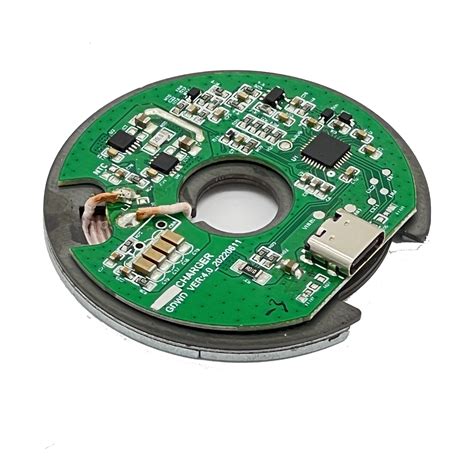
PCB assembly (also known as PCBA) is a crucial process in the electronics manufacturing industry, where various components are mounted onto a printed circuit board (PCB) to create functional electronic devices. Understanding the fundamentals of this process is essential for ensuring high-quality outcomes in any electronic project. The importance of PCB assembly cannot be overstated—flawless assembly is paramount to the reliability and performance of electronic products.
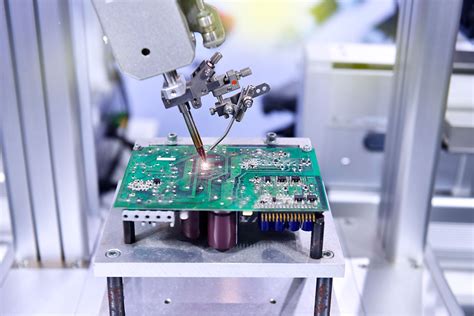
There are several key aspects that contribute to the effectiveness of PCBA. First, the right choice of materials is vital; high-quality PCBs are often made from glass epoxy substrates, ensuring excellent durability and performance under various conditions. Second, precision in both soldering and component placement directly affects the end product’s functionality. Advanced machinery for both surface mount technology (SMT) and through-hole technology plays a significant role in achieving precise placements.
Moreover, rigorous testing during and after the assembly process helps identify any defects that could compromise product quality. Inspection techniques such as Automated Optical Inspection (AOI) and X-ray testing ensure each assembly meets industry standards.
| Key Factors in PCB Assembly Quality | Description |
|---|---|
| Material Quality | Using high-grade PCB materials |
| Precision Technology | Employing advanced soldering methods |
| Testing Procedures | Implementing stringent testing methods |
Overall, recognizing and implementing these foundational elements can significantly elevate the quality of your PCB assembly, leading to enhanced performance and trustworthiness in your electronic devices. By grasping these concepts, professionals can navigate the complexities of PCB production while ensuring products that stand up to market demands.
Key Components of High-Quality PCB Assembly
Achieving high-quality PCB assembly involves several critical components that contribute to the integrity and performance of the final product. One of the foremost elements is the selection of quality materials. Utilizing top-notch substrates, solder pastes, and components ensures that the PCB assembly process yields reliable and durable boards. Another vital aspect is precision in component placement; accurate positioning minimizes the risk of defects and enhances overall functionality. Additionally, effective thermal management within the assembly is crucial, as it prevents overheating and ensures longevity. The use of modern testing techniques, such as automated optical inspection (AOI) and X-ray inspection, also plays a significant role in identifying defects early in the process. Furthermore, adherence to strict industry standards during production can greatly elevate the level of excellence in PCBA. Overall, focusing on these components not only facilitates a more efficient assembly process but also results in superior performance of electronic devices in various applications.
Best Practices to Enhance PCB Assembly Processes
To achieve pcb assembly excellence, implementing best practices is crucial for maximizing efficiency, quality, and reliability in the production of printed circuit boards. One fundamental practice is the use of design for manufacturability (DFM) principles, which ensure that the layout of the pcba accommodates efficient assembly processes. This involves optimizing component placement, minimizing trace lengths, and considering accessibility for automated assembly machines.
Moreover, rigorous quality control throughout the manufacturing process cannot be overstated. Conducting regular inspections and employing automated optical inspection (AOI) systems helps identify potential defects early in the production line, thus reducing waste and rework costs.
Training personnel in both manual and automated assembly techniques is also critical. A skilled workforce can significantly impact the overall success of pcb assembly by ensuring precision and adherence to specifications at every stage.
“The combination of technology and skilled labor is key to overcoming challenges in modern pcba processes.”
Additionally, ensuring that communication remains open among all stakeholders—designers, engineers, and manufacturers—is essential for fostering collaboration and addressing potential issues swiftly. By integrating these best practices into your workflow, you can enhance your pcb assembly processes and set a solid foundation for future projects.
Furthermore, keeping abreast of industry standards such as IPC-A-610 or IPC-2221 helps maintain consistency with high-quality benchmarks in PCB manufacturing. By utilizing these standards as a basis for your process enhancements, you can streamline operations while achieving desired outcomes efficiently.
Common Challenges in PCB Assembly and How to Overcome Them
PCB assembly, or PCBA, is a complex process that often encounters various obstacles. One common challenge is the misalignment during the assembly of components. This can lead to defects that affect the overall performance of the printed circuit board. To mitigate this issue, employing precise soldering techniques and using high-quality stencils can significantly improve alignment accuracy during production. Another frequent challenge is component availability; supply chain disruptions can lead to delays in project timelines. Establishing strong relationships with reliable suppliers and creating a flexible sourcing strategy are vital for ensuring that all required components are readily available.
Thermal management is also a critical aspect that many manufacturers overlook, which can result in overheating and ultimately component failure. Utilizing effective thermal vias and heat sinks can help manage temperatures effectively throughout the operation of the PCB. Additionally, keeping abreast of advancements in technology allows for better adherence to evolving standards and requirements in pcb assembly.
Finally, quality control remains a crucial hurdle, as subpar quality assurance processes might allow defects to slip through unnoticed. Implementing a robust inspection process utilizing automated optical inspection (AOI) technologies can greatly enhance quality assurance measures.
By understanding these challenges and proactively implementing effective solutions, organizations can ensure high-quality outcomes in their pcb assembly processes, thus elevating their overall performance in the industry.
The Role of Technology in PCB Assembly Excellence
In the rapidly evolving field of pcb assembly, technology plays a pivotal role in enhancing the quality and efficiency of production processes. Advanced tools and automated systems are now integral to achieving high-quality PCBA. For instance, laser technology is increasingly used for precision etching and cutting, which ensures that even the most complex designs are executed flawlessly. Additionally, the integration of artificial intelligence and machine learning into pcb assembly lines allows for real-time monitoring and adjustments, significantly reducing defect rates. These technologies not only streamline operations but also enable engineers to design more intricate circuits that were previously deemed impractical. As a result, companies can deliver superior PCBA solutions that meet rigorous industry standards while minimizing production time and costs. By embracing these technological advancements, organizations are positioning themselves at the forefront of pcb assembly excellence, ultimately leading to higher customer satisfaction and competitive advantage in the marketplace.
Industry Trends Impacting PCB Assembly Today
The landscape of PCB assembly is rapidly evolving, influenced by several key trends that are reshaping how we approach PCBA processes. One prominent trend is the shift toward automation and smart manufacturing. Automation technologies are enhancing production efficiency, allowing for higher precision and reduced turnaround times. This innovation enables manufacturers to keep pace with increasing demand while maintaining the quality necessary for high-performance assemblies. Additionally, the rise of miniaturization in electronic components pushes PCB assembly to adapt, resulting in more compact designs and tighter specifications. Manufacturers must stay abreast of these developments to ensure they are using advanced materials and techniques that meet today’s rigorous standards.
Moreover, as the industry increasingly leans into sustainability, eco-friendly materials and processes are gaining traction in PCBA. Companies that prioritize green initiatives not only contribute to environmental protection but also appeal to a growing consumer base that values corporate responsibility. Finally, the ongoing integration of IoT devices into various applications necessitates a deeper understanding of complex interconnectivity within PCB assembly projects. As technology advances, keeping an eye on these trends is essential for any organization aiming for excellence in their PCB assembly processes and assuring they remain competitive in this dynamic environment.
Tips for Choosing the Right PCB Assembly Partner
Selecting the right PCB assembly partner is crucial for ensuring the success of your project. Start by assessing their experience in PCBA services relevant to your industry. A partner with a strong portfolio and expertise in high-quality PCB assembly will be better equipped to meet your specific requirements. It’s essential to evaluate their production capabilities, including the type of technology and methods they employ in their processes. Consider their certifications, as this reflects a commitment to maintaining industry standards. Communication is another vital factor; a responsive and open line of dialogue can significantly enhance collaboration throughout your project lifecycle. Additionally, obtaining references can offer insights into their reliability and product quality from past clients. Finally, assess cost-effectiveness while ensuring they don’t compromise on quality; this balance is key to achieving successful PCB assembly outcomes without exceeding your budget. By keeping these points in mind, you can make an informed decision and choose a partner that aligns with your goals for excellence in PCBA.
Future Innovations in PCB Assembly: What to Expect
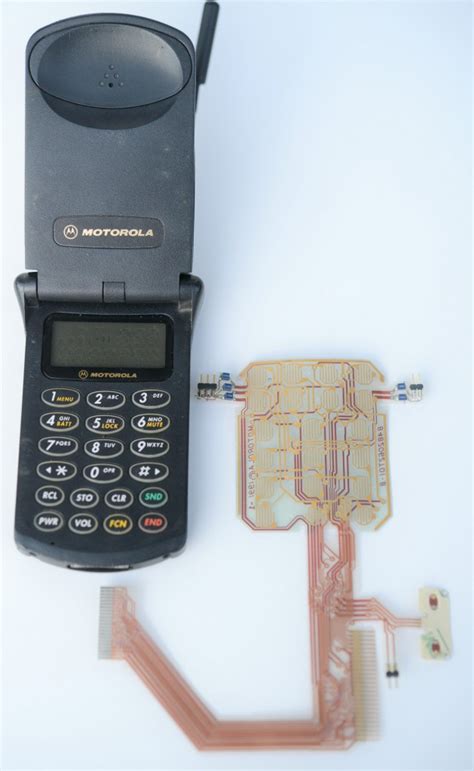
The landscape of PCB assembly is continually evolving, driven by technological advancements and the increasing demand for high-performance electronics. In the coming years, we can expect several exciting innovations that will significantly impact PCBA processes. One such trend is the integration of artificial intelligence, which promises to enhance quality control and streamline production workflows. With AI-driven systems, manufacturers can achieve greater accuracy in detecting defects during the pcb assembly process, reducing waste and ensuring superior end products. Another promising development is the rise of flexible PCBs, which can accommodate new designs and applications, particularly in wearable technology and IoT devices. Moreover, advancements in automated assembly equipment will lead to increased efficiency and reduced labor costs, transforming the way pcb assembly operations are conducted. As these innovations unfold, staying informed about their implications will be crucial for companies aiming to maintain a competitive edge in the rapidly evolving electronics marketplace. Thus, the future holds immense potential for those engaged in PCB assembly, promising enhanced performance, efficiency, and adaptability across various industries.
Conclusion
In summary, achieving excellence in PCB assembly requires a deep understanding of its core components and the implementation of best practices. Throughout this guide, we’ve emphasized the significance of choosing the right materials and techniques that contribute to high-quality PCBA. Moreover, addressing common challenges such as alignment issues or soldering defects can play a crucial role in enhancing the overall assembly process. The integration of advanced technology continues to reshape the landscape of PCB assembly, offering innovative solutions that improve efficiency and accuracy. As we look towards future innovations, it is essential to stay updated on emerging trends in the industry that could impact your PCB projects. Finally, selecting a reliable partner for your PCBA needs can significantly elevate your projects, leading to sustainable success. By adopting a holistic approach and committing to ongoing learning, you can unlock new levels of quality in your PCB assembly endeavors.
FAQs
What is PCB assembly?
PCB assembly, often abbreviated as PCBA, is the process of connecting electronic components to a printed circuit board (PCB) to create a functional electronic device. This process involves various techniques, including surface mount technology (SMT) and through-hole mounting, enabling the assembly of complex electronic systems.
Why is high-quality PCB assembly important?
High-quality pcb assembly is crucial as it directly impacts the performance and reliability of electronic devices. A well-assembled PCB ensures optimal electrical connections, durability, and functionality, which are essential for the longevity of the product.
What are some common challenges faced in PCB assembly?
Some common challenges in pcb assembly include component alignment issues, soldering defects, and thermal stress. Each of these can lead to decreased performance or total failure of the electronic product. Addressing these challenges requires attention to detail and adherence to best practices during the assembly process.
How can technology improve PCB assembly processes?
Advancements in technology, such as automation and robotics in PCBA, enhance precision and efficiency. These innovations help reduce human error, accelerate production timelines, and improve overall quality in pcb assemblies.
What should I consider when choosing a PCB assembly partner?
When selecting a PCB assembly partner, consider their experience, quality certifications (like ISO standards), capacity for handling different types of technologies (SMT vs. through-hole), and customer reviews. Ensuring they align with your specific needs can lead to better outcomes for your projects.