Unlocking the Costs: A Deep Dive into PCB Manufacturing Equipment Prices
Key Takeaways
When diving into the world of PCB manufacturing, it’s crucial to grasp the nuances of the various equipment types available. The pcb manufacturing companies you consider often offer a range of machinery tailored to different production needs. Understanding the distinction between entry-level and advanced systems can significantly impact your investment strategy. For instance, while entry-level solutions come at a lower pcb manufacturing cost, they may lack the precision and output capacity required for more demanding projects. Conversely, investing in advanced systems might initially feel costly, but they often pay off in efficiency and scalability for your pcb manufacturing business. Factors such as technology trends, production volume needs, and operational flexibility heavily influence these costs. By keeping an eye on these key elements, you can make informed choices that align with your budget constraints while setting up a competitive PCB manufacturing operation. Thus, always evaluate what features will provide the best return on investment and how they fit into your overall business strategy—ensuring your venture thrives in this evolving industry.
Understanding the Basics: Types of PCB Manufacturing Equipment
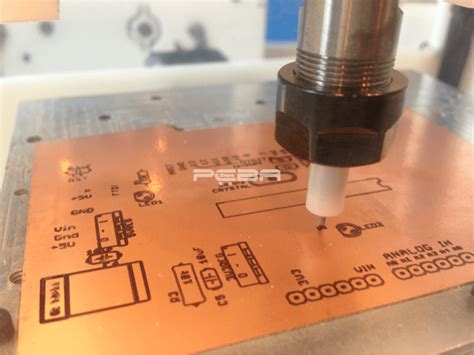
In the realm of pcb manufacturing, a variety of equipment plays a crucial role in producing high-quality printed circuit boards. Each type of machinery serves unique functions, catering to different needs within the pcb manufacturing business. At the foundational level, equipment such as etching machines, laminators, and drilling machines are essential for initial board creation. As you move towards more sophisticated setups, screen printing machines, pick-and-place robots, and reflow ovens come into play, offering enhanced capabilities for accuracy and efficiency.
Here’s a basic overview of the types of equipment commonly utilized in this sector:
| Equipment Type | Purpose | Typical Price Range |
|---|---|---|
| Etching Machine | Removes copper from unwanted areas | $5,000 – $30,000 |
| Laminator | Binds layers of materials together | $10,000 – $50,000 |
| Drilling Machine | Creates holes for component placement | $15,000 – $100,000 |
| Screen Printer | Applies solder paste onto PCB | $20,000 – $150,000 |
| Pick-and-Place Robot | Positions components accurately on boards | $50,000 – $300,000 |
| Reflow Oven | Cures solder paste to form electrical connections | $30,000 – $200,000 |
Understanding your production needs will guide your decisions when selecting equipment from various pcb manufacturing companies. The assessed costs not only reflect individual piece prices but also influence the overall pcb manufacturing cost structure as they integrate into a larger production system. Whether you aim for high-volume production or specialized low-volume runs dictates the type and sophistication of equipment required. As you navigate the landscape of PCB machinery options, knowing these distinctions will help you make informed choices that align with your business goals.
Entry-Level vs. Advanced Systems: Pricing Breakdown
When considering the pcb manufacturing landscape, understanding the difference in costs between entry-level and advanced systems is essential for your decision-making process. Entry-level PCB manufacturing equipment is typically designed for smaller operations or those just starting in the pcb manufacturing business. These systems are more budget-friendly, with prices often ranging from a few thousand to tens of thousands of dollars, depending on the features and capabilities included. While these machines can handle basic production needs, they may lack some of the sophisticated functionalities required for higher precision or efficiency.
On the other hand, advanced systems are tailored for high-volume production and complex designs, appealing to larger pcb manufacturing companies. The investment for these machines can start at tens of thousands and escalate into the hundreds of thousands as you incorporate technology capable of supporting intricate layouts or faster throughput rates. Such equipment often integrates cutting-edge technologies that significantly enhance productivity and reduce waste, thus impacting your overall pcb manufacturing cost positively in the long run.
Investing in either category requires careful consideration of your business’s specific needs and anticipated growth. Balancing both initial investment and operational efficiency will be crucial as you evaluate what type of machinery best fits your goals within the competitive realm of PCB production. As you navigate this landscape, resources like Andwin PCB can provide valuable insights into available options tailored to different budgets and production capacities.
Factors Influencing PCB Equipment Costs
When embarking on a pcb manufacturing business, understanding the various factors that influence pcb manufacturing equipment costs is crucial for effective financial planning. One of the primary considerations is the technology involved in the equipment. Higher-end systems often incorporate advanced features such as automated functions and enhanced precision, which can significantly drive up initial costs. Additionally, pcb manufacturing companies tend to vary widely in their pricing strategies based on their target market and the complexity of their machinery. You should also consider the scale of production; for instance, if you’re planning to cater to high-volume orders, investing in more sophisticated systems might yield long-term savings despite higher upfront costs.
Another influencing factor is maintenance and operational costs associated with different types of equipment. While some cheaper setups may seem attractive at first glance, they can incur higher long-term expenses due to frequent repairs or lower efficiency rates. Furthermore, material specifications and compatible technologies can also affect your overall pcb manufacturing cost. Adopting materials that align with industry standards is essential, but premium materials will impact your budget significantly.
Finally, market demand plays a pivotal role in determining costs; a surge in demand for certain types of PCBs can inflate prices across the board as suppliers adjust to meet trends. This makes it essential for you to conduct thorough research when establishing your pcb manufacturing business so that you can make informed decisions on which equipment offers the best balance between quality and price over time. By keeping these factors in mind, you will equip yourself to navigate the complexities of pricing in this competitive field effectively.
The Impact of Technology on PCB Manufacturing Prices
In the dynamic world of PCB manufacturing, technology plays a pivotal role in shaping the costs associated with various machinery. As you explore PCB manufacturing companies, you’ll notice that advancements in technology have led to a significant variation in these costs. More specialized and sophisticated machines typically command a higher price due to their enhanced capabilities, such as faster production speeds and improved precision. This is particularly relevant for companies considering an entry into the PCB manufacturing business, as understanding the cost-benefit relationship is crucial for maintaining competitiveness.
For instance, investing in advanced automated systems may initially seem daunting due to the higher pcb manufacturing cost; however, the long-term savings and increased productivity could justify this investment. Moreover, innovations such as laser processing and automated inspection have transformed traditional manufacturing methods, leading to more efficient production lines that drastically reduce waste.
“Consider not just the initial price of machinery, but also how its technology can streamline your operations and enhance your output.”
As you evaluate your options, it’s essential to weigh both current technological offerings and future developments that may influence pricing structures within the industry. By keeping an eye on trends such as IoT (Internet of Things) integration or AI (artificial intelligence)-driven equipment solutions, you can make more informed decisions that align with both your budget and strategic business goals in PCB manufacturing.
Budgeting for Your PCB Manufacturing Setup
When venturing into the pcb manufacturing domain, understanding the financial implications is crucial. Initially, consider the budgetary constraints that often dictate the kind of pcb manufacturing equipment you can invest in. Whether you are a start-up looking to carve out a niche or an established entity aiming to upgrade your operations, having a clear grasp of pcb manufacturing costs will help you navigate through choices effectively. You’ll want to weigh the advantages of entry-level systems that may offer lower prices against advanced models designed for high-volume production, which bring a higher investment but also potential long-term savings due to efficiency and output capabilities. Remember, each piece of equipment plays a significant role in your pcb manufacturing business, so it’s essential to evaluate not only the upfront costs but also ongoing operational expenses—like maintenance and training. Engaging with various pcb manufacturing companies can provide you insight into pricing trends and help you make well-informed decisions that align with your financial strategies. Keep in mind that proper budgeting today lays the foundation for sustainable growth tomorrow in this competitive field.
High-Volume Production: Costs and Considerations
When exploring the realm of pcb manufacturing, it becomes crucial to understand the nuances involved in high-volume production. As you dive into the costs associated with this segment of the industry, consider that pcb manufacturing companies often invest significantly in specialized machinery that can handle large quantities efficiently. The pcb manufacturing cost can escalate rapidly due to several factors, including the type and complexity of the equipment required. Advanced systems designed for high-volume outputs tend to incorporate state-of-the-art technology, which not only increases upfront expenditure but also influences long-term operational costs through improved efficiency and reduced waste.
Investing in high-capacity machinery may seem daunting initially, yet it’s important to evaluate how such investments can enhance your overall production capabilities and profit margins. Factors such as maintenance, scalability, and compatibility with existing processes must be weighed when considering your pcb manufacturing business strategy. High-volume production isn’t merely about purchasing equipment; it’s about fostering an environment conducive to sustained growth and innovation in your operations. Ultimately, understanding these costs and considerations will empower you to make informed decisions that align with both your budgetary constraints and business aspirations.
Investment Decisions: What to Look for in PCB Machinery
When considering your investment in PCB manufacturing machinery, it’s essential to assess several key aspects that can significantly influence your overall pcb manufacturing cost. First, evaluate the specific needs of your pcb manufacturing business. Are you focusing on small-scale production with entry-level equipment, or do you need advanced systems designed for high-volume output? Each category of equipment comes with different price points; thus, understanding your production goals will help you avoid overspending or under-investing.
Next, consider the technology and features offered by various pcb manufacturing companies. Some machines include sophisticated automation and higher precision capabilities, which can lead to increased efficiency and reduced labor costs in the long run. However, advanced features often come at a premium price. Balancing these features with your budget is crucial.
Another aspect to factor in is the potential for scalability. If you anticipate growth within your pcb manufacturing operations, investing in equipment that can handle increased production demands may save you money down the line by eliminating frequent upgrades or replacements.
Lastly, do not overlook the importance of warranty and service agreements when evaluating options from pcb manufacturing companies. Reliable support can mitigate future expenses and downtime caused by equipment failure, ensuring that your investment remains productive over time.
By considering these critical factors before making a purchase, you position yourself to make informed decisions that align both with your current capabilities and future aspirations within the PCB industry.
Future Trends in PCB Manufacturing Equipment Pricing
As the pcb manufacturing industry continues to evolve, several emerging trends are shaping the pricing landscape of pcb manufacturing equipment. One key trend is the increasing adoption of automation and smart technology, which can offer substantial improvements in efficiency and productivity. This shift not only impacts the pcb manufacturing cost but also reflects in the pricing of new machinery that integrates these advanced features. Additionally, as global competition intensifies, pcb manufacturing companies are compelled to refine their operations and reduce overheads, which may lead to more competitive pricing structures in equipment procurement.
Moreover, sustainability has become a crucial consideration for many businesses within this sector. The growing demand for eco-friendly practices is driving a surge in innovative technologies that minimize waste and energy consumption. Consequently, investing in these new sustainable solutions can align with longer-term savings on operational costs, despite potentially higher initial equipment prices. For those starting a pcb manufacturing business, understanding these trends will be essential for making informed investment decisions that balance performance with cost-efficiency. As these dynamics continue to evolve, staying updated on how they affect the overall cost of pcb manufacturing machinery will provide valuable insights for both new entrants and established players in the market.
Conclusion
Navigating the realm of pcb manufacturing requires a keen understanding of the costs involved, particularly when it comes to the pcb manufacturing equipment prices. As you’ve seen throughout this article, various pcb manufacturing companies offer a spectrum of machinery, each with unique capabilities that cater to different production demands. The initial investment in pcb manufacturing equipment can significantly influence your overall pcb manufacturing cost, shaping the long-term financial health of your pcb manufacturing business.
Having a clear grasp of what drives these prices—from technological advancements to market trends—enables you to make informed decisions. Whether you’re opting for entry-level solutions or looking into advanced systems designed for high-volume output, being budget-conscious is crucial. Remember that choosing the right equipment isn’t just about price; it also involves anticipating future demands and aligning with your business goals. As you embark on or expand your journey in this industry, understanding these nuances will empower you to strike a balance between cost and capability, positioning you for success in the competitive landscape of PCB production.
FAQs
As you navigate the complexities of pcb manufacturing, understanding the various facets that influence pcb manufacturing costs is essential. Many potential entrepreneurs in the pcb manufacturing business may wonder about the common questions regarding the equipment and costs associated with setting up an efficient production line. One crucial inquiry often revolves around what types of machinery are needed for different production scales. For instance, while some pcb manufacturing companies might only require basic equipment for prototyping, others engaging in high-volume production will necessitate advanced systems capable of handling intricate designs and larger quantities.
You might also be curious about how technology advancements affect pricing strategies in this sector. With an array of options available, from manual machines to automated setups equipped with sophisticated software, you must consider how these technological enhancements can drive both initial investment and long-term operational costs. Furthermore, it is important to pinpoint the financial implications tied to maintaining and upgrading equipment over time as your business expands.
Ultimately, understanding these aspects will empower you to make informed decisions regarding your pcb manufacturing setup. Developing a keen awareness of your specific needs and aligning them with effective budgeting strategies will not only help streamline your operations but also position you favorably within a competitive landscape.