What are the resistors on PCB?
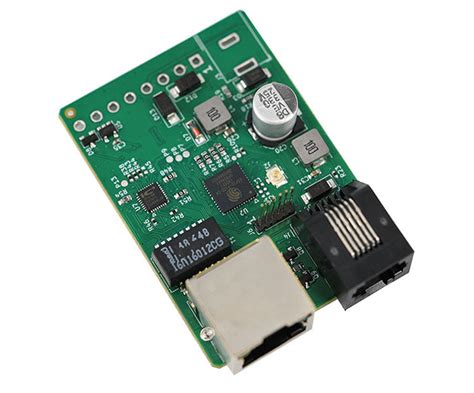
In the design and manufacture of electronic equipment, printed circuit boards (PCBs) play a vital role. The resistors on PCBs are one of the indispensable components in the circuit. The main function of resistors is to limit the flow of current and convert electrical energy into heat energy, thereby achieving control and regulation of the circuit. This article will discuss in detail the relevant knowledge of resistors on PCBs, including their types, characteristics, application scenarios, design and selection, etc.
2.Types of PCB resistors
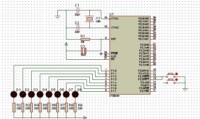
Carbon film resistors: Carbon film resistors are a common type of resistor with a wide range of resistance values and relatively low prices. The manufacturing process of carbon film resistors is simple. A layer of carbon film is deposited on a ceramic substrate, and then a resistance path is formed using cutting or laser etching technology. Carbon film resistors have good stability, but low accuracy and temperature coefficient, and are suitable for circuits with general requirements.
Metal film resistors: Metal film resistors are a type of high-precision resistor. Their manufacturing process is similar to that of carbon film resistors, but metal film materials are used in the resistance path. Metal film resistors have high accuracy and stability, low temperature coefficient, and are suitable for precision circuits and high-frequency circuits.
Wirewound resistor: Wirewound resistor is a resistor wound with a wire, and its resistance can be adjusted by changing the length, diameter and material of the wire. Wirewound resistors have high precision and stability, and are suitable for high-power and high-precision circuits. However, wirewound resistors are large in size and not suitable for miniaturized circuits.
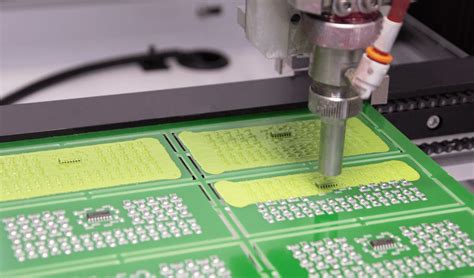
Chip resistor: Chip resistor is a surface mount component with small size and light weight, suitable for high-density circuits. The manufacturing process of chip resistors is complex and requires high-precision printing and mounting technology. Chip resistors have high precision and stability, and are suitable for automated production and large-scale integrated circuits.
3.Characteristics of PCB resistors
Small size and light weight: With the trend of miniaturization and lightweight of electronic equipment, the volume and weight of PCB resistors are also decreasing. This makes the layout of resistors on the PCB more compact, which is conducive to improving the integration and reliability of the circuit.
High precision and good stability: The precision and stability of PCB resistors are crucial to the performance of the circuit. High-precision resistors can ensure the accuracy of the circuit, while resistors with good stability can reduce the temperature drift and aging effects of the circuit.
Good heat dissipation performance: In high-power circuits, the heat dissipation performance of resistors directly affects the stability and reliability of the circuit. Therefore, PCB resistors usually have good heat dissipation performance to ensure the normal operation of the circuit.
Easy to automate production: With the continuous development of automated production technology, the manufacturing process of PCB resistors is also constantly improving. Modern production lines can realize the automated printing, mounting and testing of resistors, greatly improving production efficiency and product quality.
4.Application scenarios of PCB resistors
PCB resistors are widely used in various electronic devices, such as communication equipment, computers, consumer electronics, etc. The following are some specific application scenarios:
Power supply circuit: In the power supply circuit, resistors are used for current limiting, voltage division and filtering. By reasonably selecting and designing parameters such as the resistance value and power of the resistor, the stability and reliability of the power supply circuit can be achieved.
Signal processing circuit: In the signal processing circuit, resistors are used for signal attenuation, isolation and matching. By adjusting the resistance value of the resistor, the amplitude and frequency characteristics of the signal can be changed, thereby realizing the processing and control of the signal.
High-frequency circuit: In high-frequency circuits, the impedance matching and attenuation of resistors are particularly important. By reasonably selecting and designing the resistance value and material parameters of the resistor, the reflection and loss of the signal can be reduced, and the transmission efficiency and stability of the circuit can be improved.
Power amplifier circuit: In the power amplifier circuit, the resistor is used for current limiting and protection. By reasonably selecting and designing the resistance value and power parameters of the resistor, the circuit can be prevented from overloading and burning, and the safe operation of the circuit can be ensured.
5.Design and selection of PCB resistors
In the design and selection process of PCB resistors, the following factors need to be considered:
Resistance value: Select the appropriate resistance value according to the requirements of the circuit. Generally speaking, the selection of resistance value should meet the function and performance indicators of the circuit.
Accuracy: Select the accuracy level of the resistor according to the accuracy requirements of the circuit. Generally speaking, high-precision circuits require high-precision resistors.
Power: Select the power level of the resistor according to the working power of the circuit. Generally speaking, high-power circuits require high-power resistors.
Material: Select the material of the resistor according to the working environment and performance requirements of the circuit. Different materials have different characteristics such as temperature coefficient and stability.
Size: Select the size of the resistor according to the layout and space requirements of the PCB. Generally speaking, miniaturized circuits require small-size resistors.
6. Conclusion and Outlook
This article discusses in detail the relevant knowledge of resistors on PCBs, including their types, characteristics, application scenarios, design and selection. With the continuous development and innovation of electronic technology, the performance and application of PCB resistors will continue to improve and expand. In the future, we can expect the emergence of PCB resistor products with higher performance, higher precision and higher reliability, which will provide strong support for the development of electronic equipment.