What is a rigid flex pcb
What is a rigid flex pcb
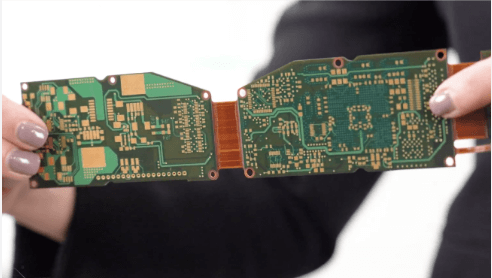
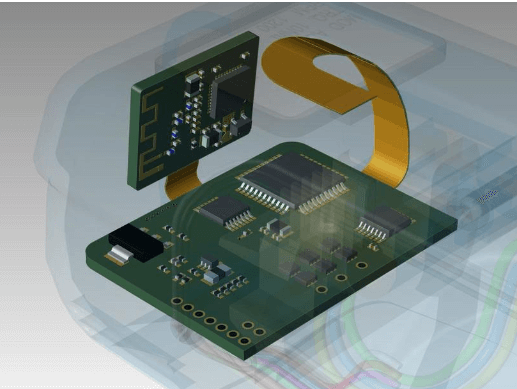
A rigid flex PCB, or rigid-flex printed circuit board, represents a sophisticated and versatile type of circuit board that combines elements of both rigid and flexible PCBs. This hybrid design allows for the integration of flexible circuit sections with rigid circuit sections, creating a unified board that can be bent or folded while maintaining the structural integrity of the rigid sections. Understanding the basics of rigid flex PCBs requires an exploration of their structure, applications, and advantages.
To begin with, the structure of a rigid flex PCB is fundamentally different from that of traditional rigid or flexible PCBs.
A rigid flex PCB typically consists of multiple layers of flexible circuit substrates attached to one or more rigid boards. These layers are interconnected through plated through-holes, which facilitate electrical connections between the different sections. The flexible layers are usually made from polyimide, a material known for its excellent thermal stability and flexibility, while the rigid sections are often composed of standard FR4 material. This combination allows the board to be both flexible and durable, accommodating complex designs and spatial constraints.
The applications of rigid flex PCBs are diverse and span across various industries.
One of the primary sectors that benefit from this technology is the aerospace industry, where the need for lightweight, compact, and reliable electronic systems is paramount. Rigid flex PCBs are also extensively used in the medical field, particularly in devices such as pacemakers and hearing aids, where space is limited, and reliability is critical. Additionally, consumer electronics, including smartphones and wearable devices, leverage the advantages of rigid flex PCBs to achieve sleek designs and enhanced functionality. The automotive industry, too, employs these boards in advanced driver-assistance systems (ADAS) and infotainment systems, where durability and performance are essential.
The advantages of rigid flex PCBs are numerous, making them an attractive choice for many applications.
One of the most significant benefits is their ability to reduce the overall size and weight of electronic devices. By combining rigid and flexible sections, designers can eliminate the need for connectors and cables, which not only saves space but also reduces the potential points of failure. Furthermore, rigid flex PCBs offer improved reliability and durability. The flexible sections can withstand bending and flexing without breaking, while the rigid sections provide structural support. This makes them ideal for applications that require frequent movement or are subject to mechanical stress.
Another notable advantage is the enhanced performance and signal integrity that rigid flex PCBs provide.
The seamless integration of rigid and flexible sections allows for shorter signal paths, which can reduce signal loss and electromagnetic interference (EMI). This is particularly important in high-frequency applications where maintaining signal integrity is crucial. Additionally, the ability to design complex three-dimensional shapes with rigid flex PCBs enables more efficient use of space within electronic devices, leading to innovative and compact designs.
In conclusion, rigid flex PCBs represent a significant advancement in circuit board technology, offering a unique combination of flexibility and rigidity that meets the demands of modern electronic applications.
Their structure, which integrates flexible and rigid sections, allows for compact and reliable designs, making them suitable for a wide range of industries. The numerous advantages, including reduced size and weight, improved reliability, and enhanced performance, underscore the importance of rigid flex PCBs in the development of cutting-edge electronic devices. As technology continues to evolve, the role of rigid flex PCBs is likely to expand, driving further innovation and efficiency in electronic design.
Advantages Of Using Rigid Flex PCB In Modern Electronics
Rigid flex PCBs, or rigid-flex printed circuit boards, are an innovative type of circuit board that combines the best features of both rigid and flexible PCBs. This hybrid design offers numerous advantages, making it a popular choice in modern electronics. One of the primary benefits of using rigid flex PCBs is their ability to provide enhanced design flexibility. By integrating flexible and rigid sections into a single board, designers can create more complex and compact electronic devices. This capability is particularly valuable in applications where space is at a premium, such as in medical devices, aerospace, and consumer electronics.
Moreover, rigid flex PCBs contribute to improved reliability and durability.
The flexible sections of these boards can withstand bending and flexing, which reduces the risk of damage due to mechanical stress. This is especially important in environments where electronic devices are subject to constant movement or vibration. Additionally, the rigid sections provide structural support, ensuring that the components remain securely in place. This combination of flexibility and rigidity results in a more robust and long-lasting product.
Another significant advantage of rigid flex PCBs is their potential for reducing the overall weight and size of electronic devices.
By eliminating the need for connectors and cables between separate rigid and flexible boards, these hybrid PCBs can streamline the design and reduce the number of components required. This not only saves space but also decreases the weight of the final product, which is crucial in applications such as portable electronics and aerospace technology. Furthermore, the reduction in components can lead to cost savings in both manufacturing and assembly processes.
In addition to their physical benefits, rigid flex PCBs also offer improved electrical performance.
The seamless integration of rigid and flexible sections allows for shorter and more direct signal paths, which can reduce signal loss and improve overall performance. This is particularly important in high-frequency applications where signal integrity is critical. Moreover, the elimination of connectors and cables can reduce the risk of signal interference and improve the overall reliability of the electronic device.
The versatility of rigid flex PCBs also extends to their ability to support a wide range of applications.
From consumer electronics to industrial equipment, these boards can be tailored to meet the specific requirements of various industries. For instance, in the medical field, rigid flex PCBs are used in devices such as pacemakers and hearing aids, where their compact size and reliability are essential. In the automotive industry, these boards are employed in advanced driver-assistance systems (ADAS) and infotainment systems, where their durability and performance are critical.
Furthermore, the use of rigid flex PCBs can lead to more efficient and streamlined manufacturing processes.
By combining multiple boards into a single unit, manufacturers can reduce the number of assembly steps and minimize the potential for errors. This can result in faster production times and lower costs, making rigid flex PCBs an attractive option for companies looking to optimize their manufacturing processes.
In conclusion, the advantages of using rigid flex PCBs in modern electronics are numerous and significant. Their ability to provide enhanced design flexibility, improved reliability and durability, reduced weight and size, and superior electrical performance make them an ideal choice for a wide range of applications. As technology continues to advance, the demand for compact, reliable, and high-performance electronic devices will only grow, further solidifying the importance of rigid flex PCBs in the future of electronics.
Design And Manufacturing Process Of Rigid Flex PCB
The design and manufacturing process of a rigid-flex PCB, or printed circuit board, is a sophisticated and intricate procedure that combines the best attributes of both rigid and flexible circuit boards. This hybrid technology is increasingly favored in various industries due to its versatility, reliability, and space-saving characteristics. To fully appreciate the complexity and precision involved in creating a rigid-flex PCB, it is essential to delve into the specific stages of its design and manufacturing process.
Initially, the design phase begins with a comprehensive understanding of the application requirements.
Engineers must consider factors such as electrical performance, mechanical stability, and environmental conditions. This phase involves creating a detailed schematic diagram that outlines the electrical connections and components. Advanced software tools are employed to simulate the circuit’s behavior, ensuring that the design meets the desired specifications. Once the schematic is finalized, the layout design is developed, which involves placing components and routing electrical connections on both the rigid and flexible sections of the PCB.
Transitioning from design to manufacturing, the process starts with selecting appropriate materials.
Rigid-flex PCBs typically consist of multiple layers, including rigid layers made of materials like FR4 and flexible layers composed of polyimide. These materials are chosen for their excellent electrical insulation properties and mechanical flexibility. The manufacturing process begins with the preparation of these materials, which involves cutting them into precise shapes and sizes.
Subsequently, the layers are laminated together using heat and pressure.
This lamination process is critical as it ensures the layers are securely bonded, providing structural integrity to the PCB. During this stage, vias, or small holes, are drilled to create electrical connections between different layers. These vias are then plated with conductive materials, such as copper, to establish reliable electrical pathways.
Following lamination, the next step involves the application of a photoresist material to the surface of the PCB.
This material is sensitive to ultraviolet (UV) light and is used to define the circuit pattern. The PCB is exposed to UV light through a photomask, which contains the desired circuit design. The exposed areas of the photoresist harden, while the unexposed areas remain soft and are subsequently removed, revealing the underlying copper.
The exposed copper is then etched away using a chemical solution, leaving behind the desired circuit pattern.
This etching process is meticulously controlled to ensure precise and accurate circuit traces. After etching, the remaining photoresist is removed, and the PCB undergoes a thorough cleaning process to eliminate any residual chemicals.
To enhance the durability and reliability of the rigid-flex PCB, a solder mask is applied to protect the circuit traces from oxidation and environmental damage. The solder mask also helps prevent solder bridges during the assembly process. Additionally, a surface finish, such as gold or silver, is applied to the exposed copper pads to improve solderability and ensure long-term performance.
Finally, the rigid-flex PCB undergoes rigorous testing to verify its functionality and performance.
Electrical tests, such as continuity and insulation resistance tests, are conducted to ensure that the circuit operates as intended. Mechanical tests, including flexing and bending, are performed to assess the PCB’s durability and flexibility.
In conclusion, the design and manufacturing process of a rigid-flex PCB is a meticulous and multi-faceted procedure that demands precision and expertise. By seamlessly integrating rigid and flexible sections, rigid-flex PCBs offer unparalleled advantages in terms of space efficiency, reliability, and versatility, making them an indispensable component in modern electronic devices.
Applications Of Rigid Flex PCB In Various Industries
Rigid flex PCBs, a hybrid of rigid and flexible circuit boards, have become increasingly significant in various industries due to their unique combination of flexibility, durability, and space-saving capabilities. These attributes make them particularly suitable for applications where traditional rigid or flexible PCBs alone would fall short. The integration of rigid and flexible substrates allows for more complex and compact designs, which is essential in today’s technology-driven world.
In the aerospace industry, rigid flex PCBs are indispensable due to their ability to withstand extreme conditions.
The aerospace sector demands components that can endure high temperatures, vibrations, and mechanical stress. Rigid flex PCBs meet these requirements by providing robust and reliable connections in compact spaces, which is crucial for avionics systems, satellite technology, and other aerospace applications. Their lightweight nature also contributes to the overall efficiency and performance of aerospace equipment, where every gram counts.
Similarly, the medical industry benefits significantly from the use of rigid flex PCBs.
Medical devices often require miniaturization without compromising reliability and performance. Rigid flex PCBs enable the development of compact, lightweight, and highly reliable medical devices such as pacemakers, hearing aids, and diagnostic imaging equipment. The flexibility of these PCBs allows for innovative designs that can conform to the human body, enhancing patient comfort and device functionality. Moreover, the durability of rigid flex PCBs ensures that medical devices can withstand the rigors of daily use and sterilization processes.
In the realm of consumer electronics, the demand for smaller, more powerful devices continues to grow.
Rigid flex PCBs play a crucial role in meeting this demand by enabling the design of compact and efficient electronic devices. Smartphones, tablets, and wearable technology all benefit from the space-saving and flexible nature of rigid flex PCBs. These PCBs allow for more components to be packed into a smaller area, leading to thinner and lighter devices without sacrificing performance. Additionally, the flexibility of these PCBs facilitates innovative designs, such as foldable screens and curved displays, which are becoming increasingly popular in the consumer electronics market.
The automotive industry also leverages the advantages of rigid flex PCBs, particularly in the development of advanced driver-assistance systems (ADAS), infotainment systems, and electric vehicles (EVs).
The harsh operating conditions within vehicles, including temperature fluctuations and vibrations, necessitate the use of durable and reliable components. Rigid flex PCBs provide the necessary robustness while allowing for complex and compact designs. In electric vehicles, the efficient use of space and weight is critical for maximizing battery life and overall performance. Rigid flex PCBs contribute to these goals by enabling the integration of multiple functions into a single, compact unit.
Furthermore, the industrial sector utilizes rigid flex PCBs in various applications, including robotics, automation systems, and industrial control equipment. The ability to design compact and reliable circuits that can withstand harsh industrial environments is essential for the performance and longevity of these systems. Rigid flex PCBs offer the necessary durability and flexibility, ensuring that industrial equipment operates efficiently and reliably.
In conclusion, the applications of rigid flex PCBs span across multiple industries, each benefiting from the unique combination of flexibility, durability, and space-saving capabilities. From aerospace and medical devices to consumer electronics, automotive systems, and industrial equipment, rigid flex PCBs enable the development of innovative, reliable, and efficient solutions that meet the demanding requirements of modern technology. As technology continues to advance, the role of rigid flex PCBs in various industries is likely to expand, driving further innovation and progress.