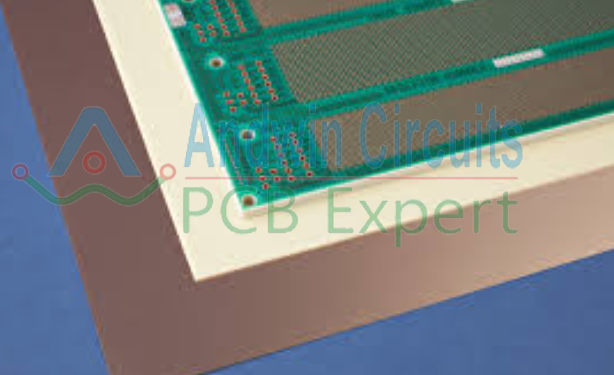
what is a thermal pad

A thermal pad is a type of thermal interface material (TIM) that is used to transfer heat between two surfaces.
It is typically made of a soft, compressible material such as silicone or graphite that is infused with thermally conductive particles.

When placed between a heat-generating component, such as a CPU or GPU, and a heat sink or cooling system,
the thermal pad helps to fill any gaps or imperfections in the contact surface and improve thermal conductivity,

which helps to dissipate heat more efficiently and prevent overheating.
Thermal pads are often used as an alternative to thermal paste, which can be messy and difficult to apply.
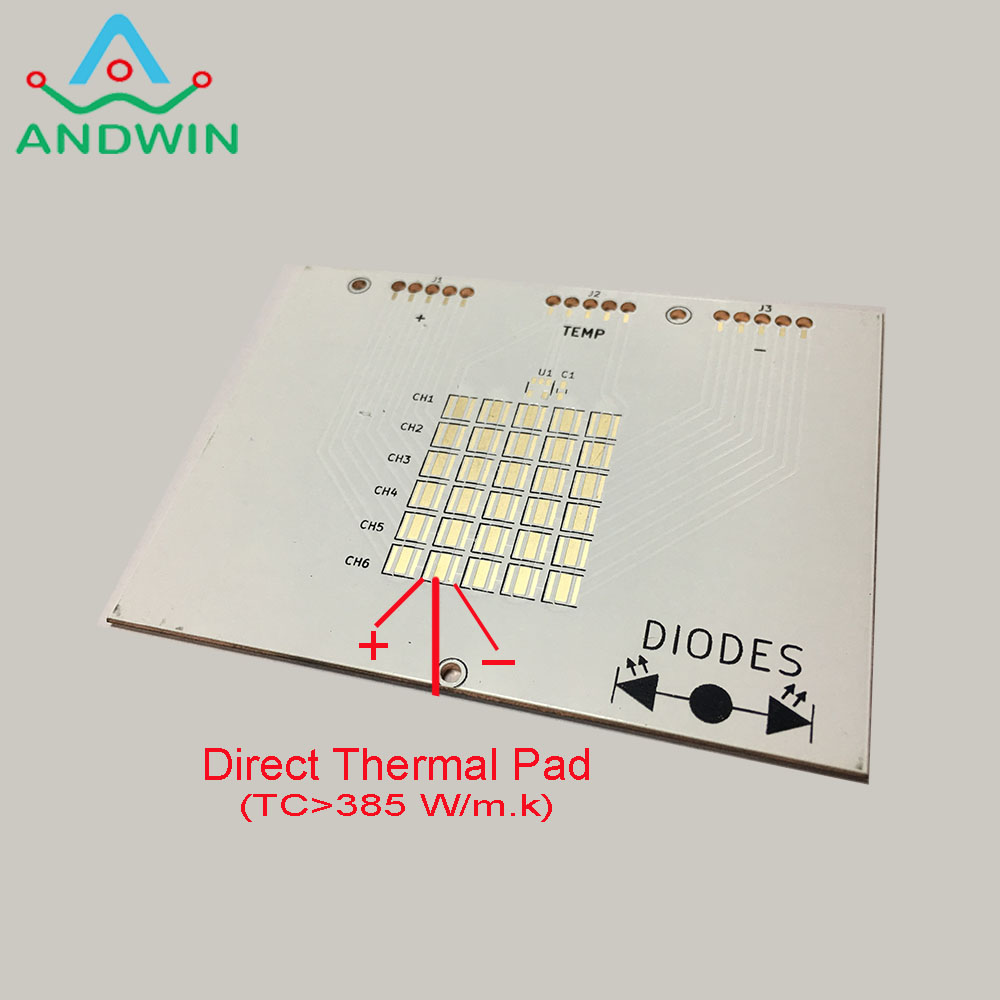
how to use thermal pad

Here are the steps to use a thermal pad:

1. Clean the surfaces:

Before applying the thermal pad, make sure that both surfaces (the heat-generating component and the heat sink) are clean and free from any dust, debris, or thermal paste residue.
Use a lint-free cloth and a small amount of isopropyl alcohol to clean the surfaces.

2. Cut the thermal pad:

Cut the thermal pad to the appropriate size and shape to fit the surface of the heat-generating component.
Some thermal pads come pre-cut, so you may not need to do this step.

3. Apply the thermal pad:

Peel off the protective film from the thermal pad and carefully place it onto the surface of the heat-generating component.
Make sure it is centered and covers the entire surface.

4. Install the heat sink:

Align the heat sink over the thermal pad and gently press down to make contact with the heat-generating component.
Make sure the heat sink is properly secured in place.

5. Test the temperature:

After installing the heat sink, monitor the temperature of the heat-generating component to ensure that the thermal pad is working effectively.
If necessary, adjust the fan speed or other cooling settings to optimize the cooling performance.
GET IN TOUCH!

Similar Posts

  • | |

    PCB Assembly Services | High Volume PCB Assembly

    I am writing to inquire about your services for high volume PCB assembly. Our company is in need of a reliable and efficient partner to help us with the production of a large number of circuit boards for our electronic products. As you may know, PCB assembly is a critical part of the manufacturing process for…

  • |

    4 layer flex pcb(3)

    4 layer flex PCBs are used in various applications, including: 1. Medical devices: Flex PCBs are used in medical devices such as pacemakers, hearing aids, and other implantable devices. 2. Aerospace and defense: Flex PCBs are used in aerospace and defense applications such as satellites, missiles, and other military equipment. 3. Consumer electronics: Flex PCBs are used…

  • |

    Flex pcb fabrication

    1. Material Selection: The choice of material is critical in flex PCB fabrication.Common materials include polyimide, polyester, and liquid crystal polymer (LCP). 2. Design Considerations: Flex PCBs require special design considerations, such as the use of curved traces and the avoidance of sharp corners.The design should also take into account the intended application and the…

  • |

    Rigid flex circuit boards

    Rigid flex circuit boards are a combination of both rigid and flexible circuit boards.They consist of multiple layers of flexible circuits that are laminated together with layers of rigid circuits. This creates a board that can bend and flex in certain areas while maintaining its rigidity in others.Rigid flex circuit boards are commonly used in…

  • |

    Flex pcb printer

    A flex PCB printer is a specialized printer that is used to print circuitry onto flexible printed circuit boards (PCBs). These printers use specialized inks and printing techniques to create precise, high-quality circuitry on flexible substrates. Flex PCB printers are commonly used in the manufacturing of electronic devices such as smartphones, tablets, and wearable technology….